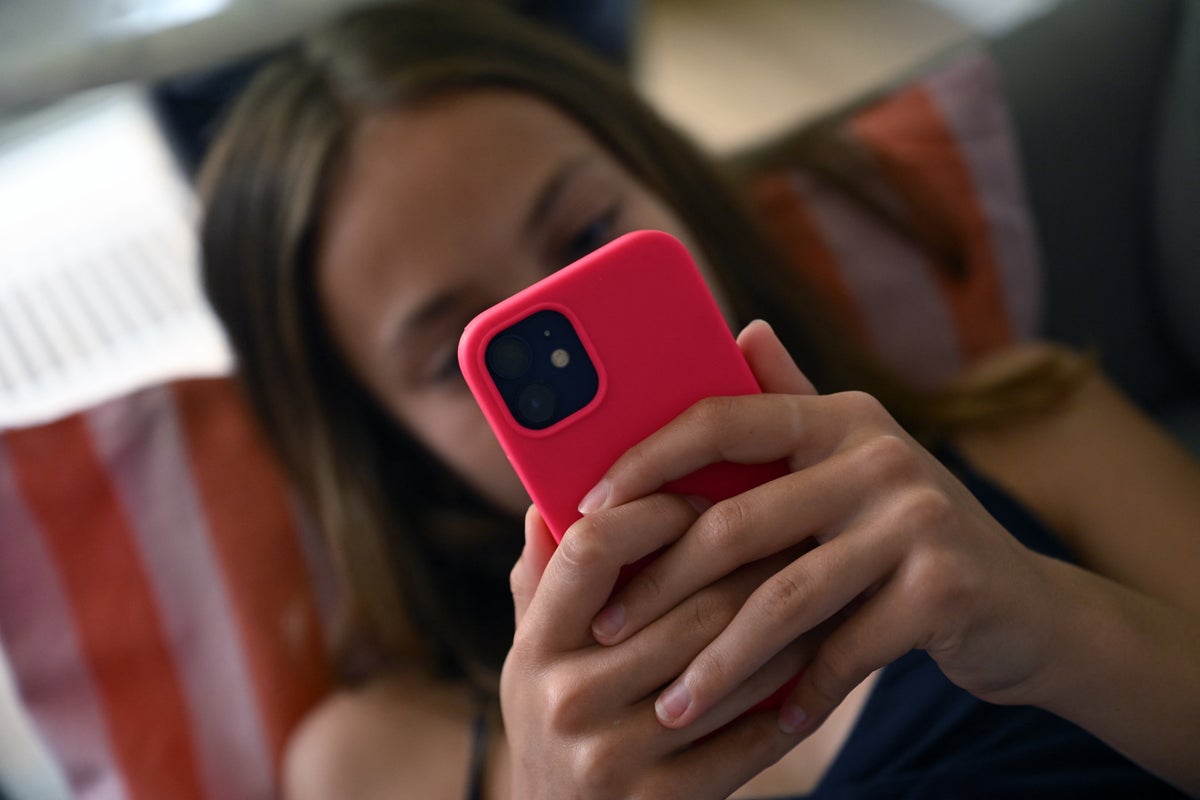
Children under the age of 15 will no longer be exposed to doomscrolling and algorithmic feeds in France after it became the first country in the European Union to approve a blanket ban on social media.
French lawmakers approved a law on Tuesday that will require apps like Facebook, Instagram, TikTok and YouTube to enforce age checks for all users from January 2027.
It is the second country to introduce a ban, after Australia, while more than a dozen more are currently legislating similar restrictions in an effort to limit the impact of social media on children’s mental health and development.
Which countries are banning social media for children?
Australia’s landmark ban of social media for under-16s last year set a global precedent, serving as a blueprint for other countries to follow.
When French members of parliament reached an agreement to approve a bill banning social media for children under 16 on 21 July, President Emmanuel Macron described it as a “major step forward”.
In a video released after the law was adopted he said: “France is leading the way in Europe when it comes to protecting our children and teenagers.”
Other European countries that look likely to follow include Austria, Denmark, Germany, Greece, Norway, Poland, Slovenia and Spain. These countries have either announced plans to implement a ban, or are in the process of legislating one.
In June, former UK Prime Minister Sir Keir Starmer announced a social media ban for children under the age of 16, using a similar model to Australia.
“Social media is making our children unhappy and unsafe,” he said, adding that he hoped to pass regulation before Christmas in order to implement a ban in early 2027.
More broadly, the European Union is also working on age restrictions for social media apps, though the blanket ban would only apply to children under 13.
Social media platforms like Facebook, Instagram, Snapchat and Tiktok already have rules in place that say users need to be at least 13 to sign up, though policy makers and child safety advocates claim the controls are insufficient.
The EU law could also apply to other online services, including AI chatbots and video games.
Outside of Europe, Indonesia and Malaysia introduced bans for under-16s earlier this year, while governments in Canada and Thailand are currently mulling proposals to implement restrictions.
Why are they doing it and will it work?
The latest move by the French government forms part of a broader international shift away from self-regulation for tech firms.
Instead, countries are placing legal responsibility on the apps to prevent young users from accessing potentially harmful features, like addictive algorithmic feeds.
“The brains of our children and our teenagers are not for sale,” President Macron said in a video message in January. “The emotions of our children and our teenagers are not for sale or to be manipulated, neither by American platforms nor by Chinese algorithms.”
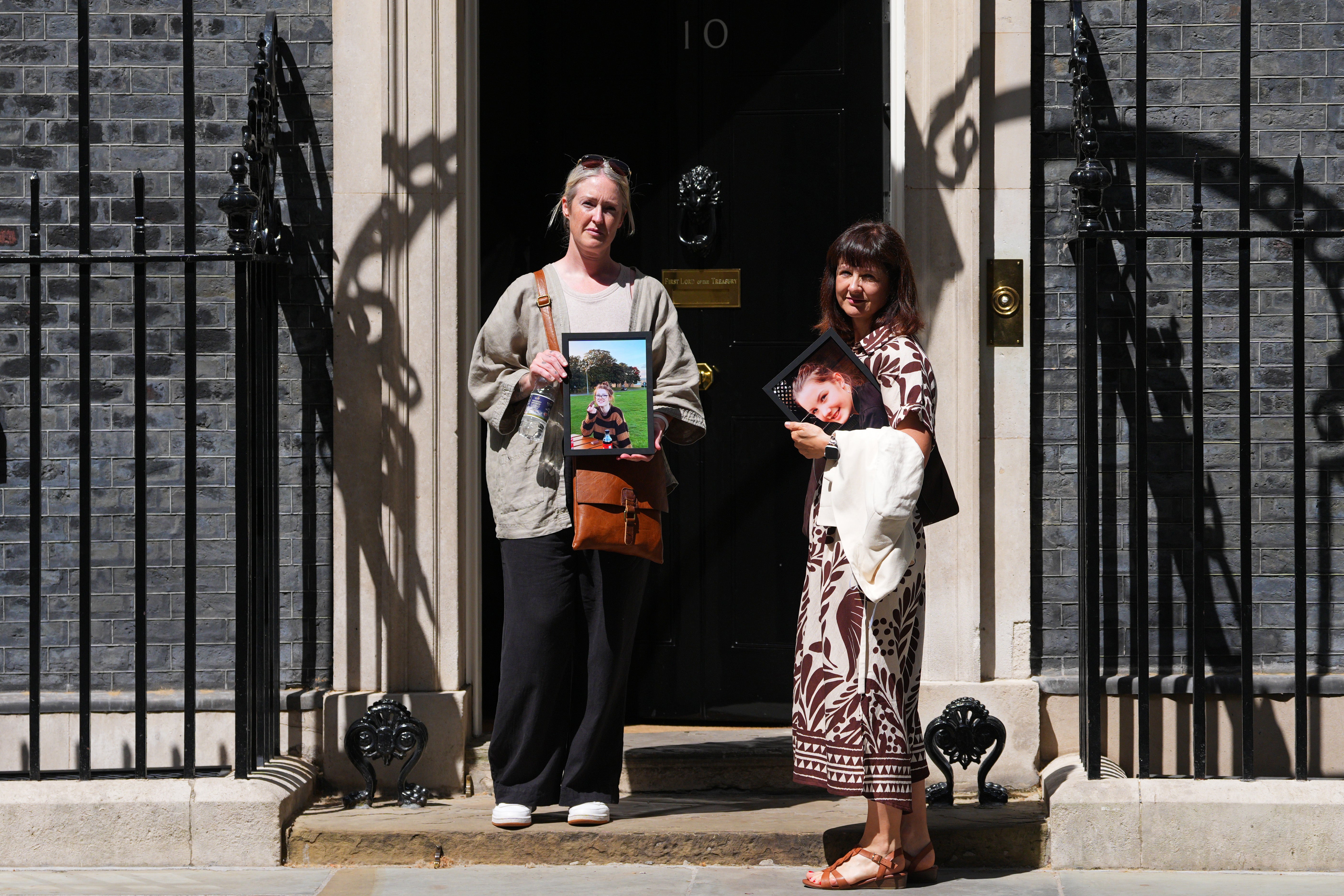
Child safety advocates and policymakers have also raised concerns about recommendation algorithms exposing young users to harmful content relating to self-harm, eating disorders, and violent or sexual content.
Studies have found that heavy social media use can be linked to higher rates of anxiety, depression and other mental health issues.
Any companies that do not enforce age verification face hefty fines, ranging from tens of millions of dollars to as much as 10 per cent of global annual revenue.
A recent study by advisers to the Australian government suggested that the social media ban for under-16s has been largely ineffective so far due to online platforms failing to implement effective age verification checks.
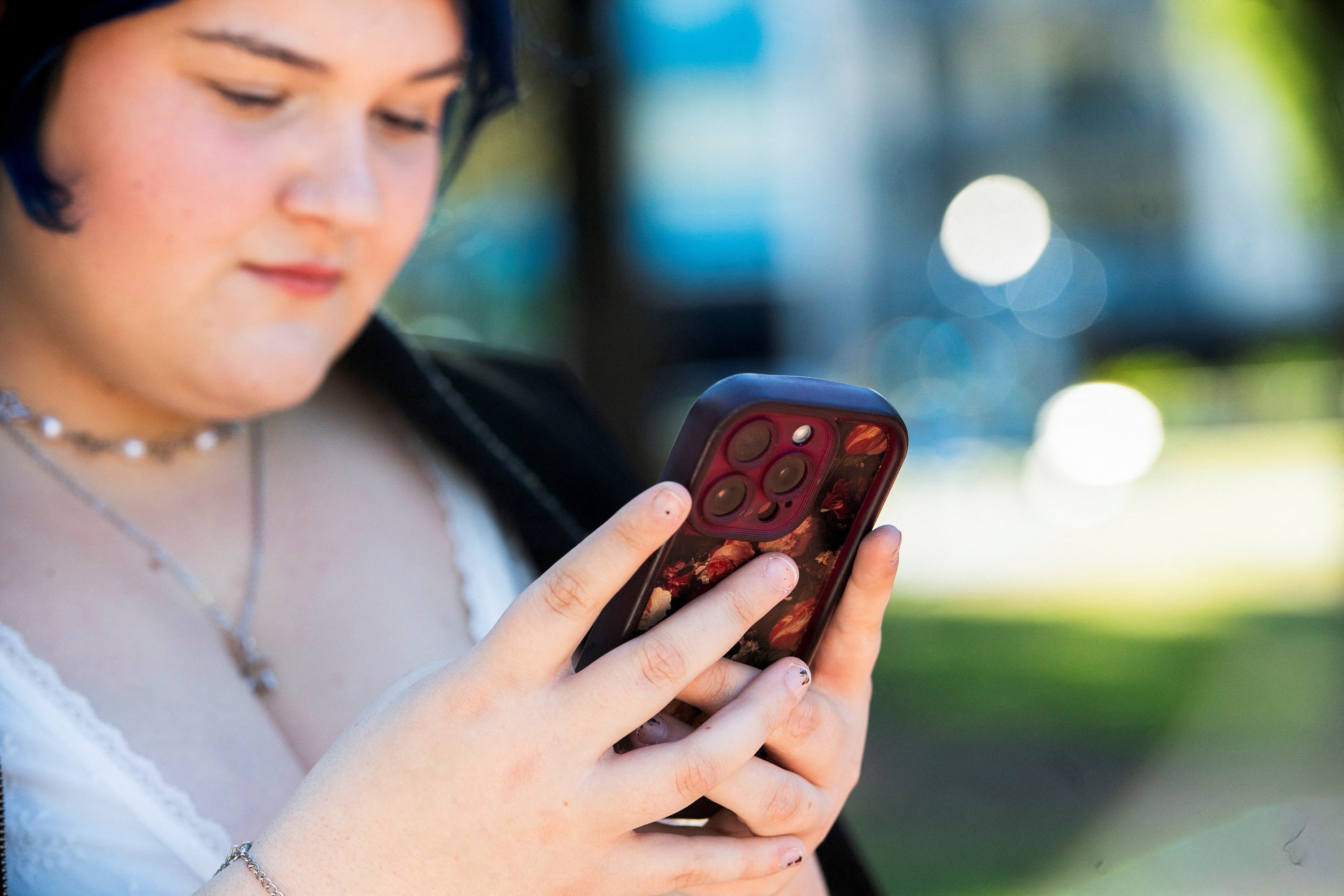
This has reportedly allowed underage users to access the platforms much as they did before the ban was introduced.
Colm Gannon, Australia CEO of the International Centre for Missing & Exploited Children, who advised the study, said: “What we are now seeing is that circumvention has become the go-to by young people.”