Located in the heart of Mexico, the Valle de Bravo watershed is of strategic importance for the country. It provides 40% of the water consumed in the Mexico City metropolitan area and Toluca. However, marginalised rural areas within the basin – around 6,000 families in over 200 small communities – suffer from severe water scarcity and put a lot of pressure on the watershed, risking its capacity for providing vital environmental services.
In the late 1940s, the Valle de Bravo dam was built to collect water for energy production. As Mexico City rapidly grew during the 70s and 80s, the capital city entered a severe potable water crisis that continues to this day. To alleviate this crisis, the Cutzamala Hydraulic System was built. This engineering wonder concentrates water from three dams – Valle de Bravo being the biggest – and then pumps over 20 cubic metres of water per second to an altitude more than 3,000 metres above sea level. This water is then purified and sent off to greater Toluca’s 700,000 inhabitants and those living in Mexico City. The Cutzamala Hydraulic System provides 10% of total demand to around 2 million people, as well as much needed pressure to push a good part of the water coming from the overexploited local aquifers.
Parallel to this, over-logging and the expansion of the agricultural frontier has reduced forest cover considerably, thus decreasing the capacity of the forest ecosystem to perform its role as a water producer. Acknowledging this problematic trend, Procuenca was founded in 2000 to devise and deploy strategies and actions to protect and restore these vital ecosystems within the Valle de Bravo watershed.

One of the key plans implemented – establishing a strategic alliance with the FEMSA Foundation – was the construction of eco-technologies. The infrastructure initiatives under the eco-technologies programme include the introduction of rainwater harvesting systems and dry toilets in communities where high water scarcity is an everyday issue and no sanitation facilities are available.
Dry toilets operate without flush water. In these toilets, the excreta falls through separate holes. The excrement is treated with biological processes, turning it into organic material that can be used to fertilise the soil. The urine goes into a process of nitrification, resulting in a bacteria-free liquid that can be used as a fertiliser or leached safely into the ground. These toilets provide a safe and effective way to save resources and prevent water pollution.
As a result, families in San Juan Amanalco, San Jerónimo Amanalco and San Agustín Canohillas have access to better sanitation facilities. By using dry toilets, the water bodies near the community are not polluted by human waste.
Rainwater harvesting

Rainwater harvesting systems redirect the liquid from the roof to a deep pit so it can be used for domestic purposes. After use, it is properly treated to avoid soapy water from contaminating the rivers and other water bodies.
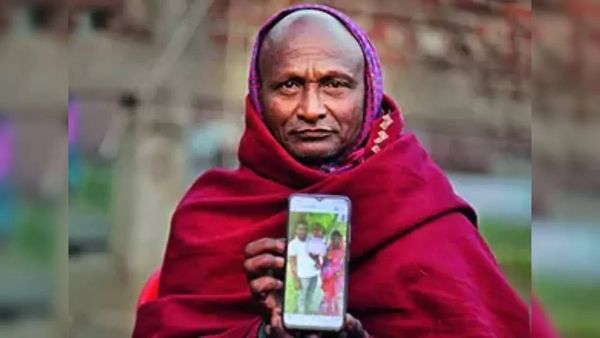
Mrs Modesta’s family, from San Juan Amanalco, has experienced changes in the way they used to live. Modesta shared with us the story of her childhood and the reason why she had to drop out of school. The river, the only water source for the community, was far away so she spent most of her days walking there to wash clothes and collect water to bring it home. As these basic necessities took up most of her day, she could not continue studying.
All members of the community participated in the project from the beginning. Most of the participants are women who have become heads of their households after the men emigrated in search of better employment opportunities. Women like Modesta were empowered and guided by the Procuenca Field Crew to develop skills and perform activities that would otherwise have been carried out by men, such as the construction of the eco-technologies. This has enabled them to demonstrate that they can play a decisive role in the development of the community.

Now that fresh water is part of their everyday, Modesta and the rest of the community save hundreds of hours because they collect the liquid at home, instead of walking to the streams. Members of the community have also stopped disposing of their waste in the river, allowing downstream communities to get clean water. And girls like Modesta’s oldest daughter have rejoined school because they do not need to stay at home to look after their siblings while their mothers collect water, nor must they join them in the long walks to the river.
Eco-technologies provide solutions for dispersed, low density rural communities and are a key component for building resilience. A slow learning by doing approach, and the constant companionship from Procuenca in the community, are key for achieving a high sense of responsibility towards this new paradigm.
Investing in nature-based solutions for our many environmental challenges can prevent further deterioration of water sources. You can help to transform mindsets with us. The first step is to share this information with all your family and friends, so they know about the opportunity and potential of Procuenca’s work to improve quality of life and protect natural resources.
Content on this page is paid for and provided by FEMSA Foundation, a sponsor of the Guardian Global Development Professionals Network.