While the convenience of smartphone weather apps, with their vibrant icons and stark numerical forecasts, is undeniable for everyday conditions, meteorologists are urging the public to prioritize human expertise when confronting dangerous, multi-faceted winter storms. This advice comes as a severe system sweeps across the United States.
The current multi-state storm, characterized by a perilous mix of heavy snowfall, treacherous ice, and sub-zero temperatures, starkly illustrates why nuanced explanations from human forecasters are paramount. Experts interviewed by The Associated Press highlighted that rapidly changing data and the subtle geographical differences determining snow, sleet or freezing rain are beyond the scope of simple app summaries.
"Weather apps are really bad at storms that have multiple types of precipitation and it really makes messaging hard," stated Marshall Shepherd, a meteorology professor at the University of Georgia and a past president of the American Meteorological Society. He added, "Apps don’t understand the details of why snow, sleet or freezing rain happens."
University of Oklahoma meteorology professor Jason Furtado and other specialists underscored the critical role of human insight, particularly local knowledge, in such complex scenarios.
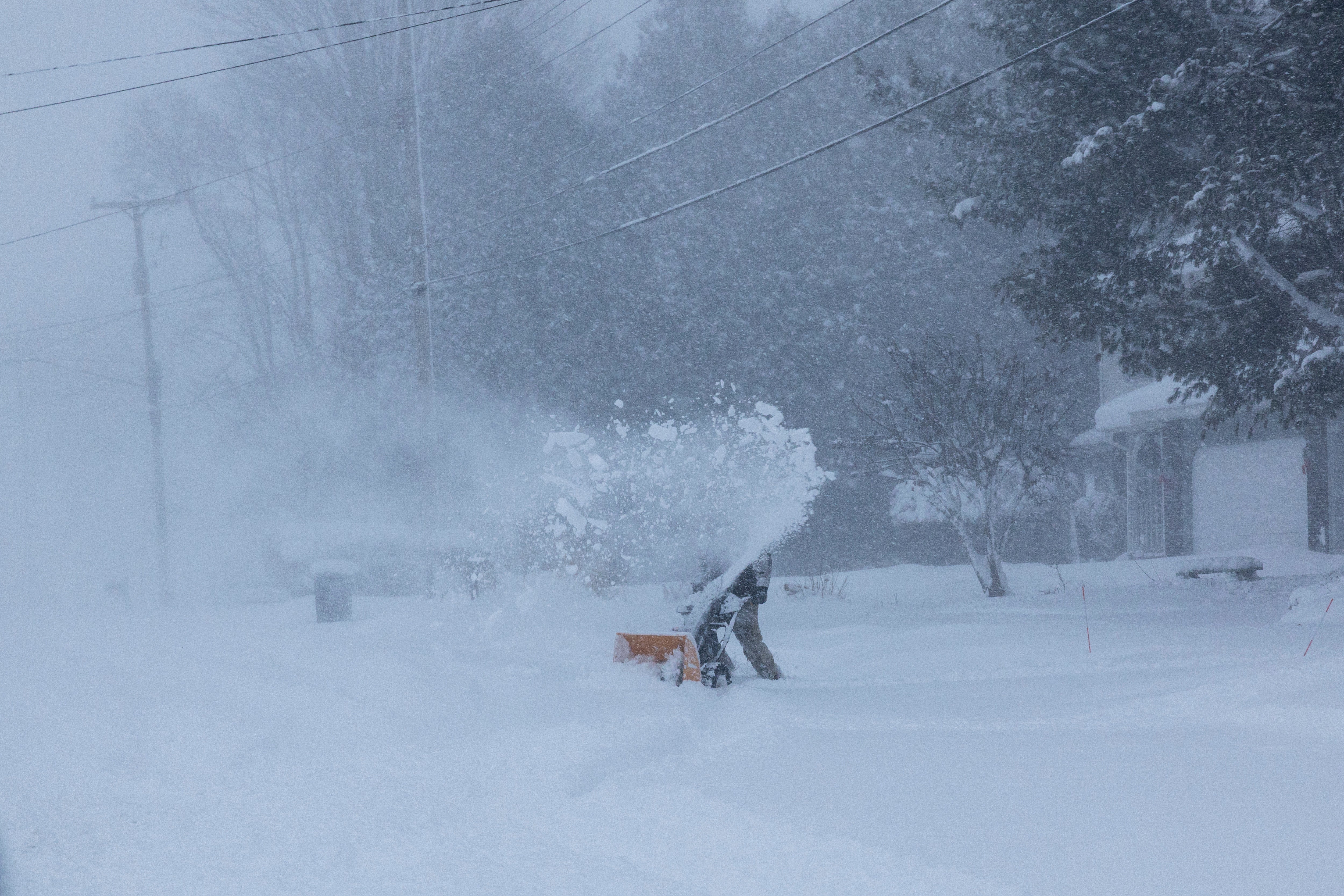
“For extreme weather events, it is especially important to know there are human forecasters interpreting the data and making the best localized forecasts for your area," Furtado said. "Unfortunately, many of the weather forecast apps use AI methods to either make the forecast or ‘interpolate’ from larger grids to your hometown, introducing the potential for significant errors.”
But some apps can be useful, especially those that pair National Weather Service data with meteorologists' expertise, forecasters said. And they are definitely getting used right about now.
The Weather Channel app, which is seeing booming traffic this week, uses numerous models, data sources, weather observers and staff, said James Belanger, vice president of its parent company, which also owns the Weather Channel and weather.com. That level of proficiency matters, he said.
“It’s an all-hands-on-deck kind of approach that we take,” Belanger said, adding that “not all weather apps are created equal.”
What apps can and can't do
Apps get much of their information from the National Weather Service and some companies augment it with proprietary information and the well-regarded European forecast models. Many offer forecasts by ZIP code or geographic areas far from weather stations by using software that focuses broader regional forecasts to where the phone is located.
While there are good apps, especially those displaying National Weather Service warnings and information, many “oversimplify uncertainty and present highly precise-looking numbers that imply more confidence than actually exists,” said Northern Illinois University meteorology professor Victor Gensini. This type of storm is where apps are weakest because they don't get nuances, he said.
Weather apps are good for forecasting nice warm summer days, but not days like much of the country is facing now, said Steven DiMartino of NY NJ PA Weather. The paid online subscription service touts its human expertise with the slogan “Meteorology Not Modelology.”
“The problem with the weather app is that it just provides data, but not explanation,” DiMartino said. “Anyone can look at data, but you need a meteorologist, you need that human touch to look at it and say, ‘Hmm, that looks like an error; we’re gonna tweak this.’”
Seeking quality sources of data
Cory Mottice, a National Weather Service meteorologist since 2014, developed the app EverythingWeather, which uses weather service data, as an easy place for the public to find the latest weather forecasts for their area without navigating the agency’s website. He said it’s “just for fun” and not affiliated with the weather service.
The strength of his app, he said, is that the information comes from professional meteorologists at the more than 125 weather service offices. Many apps just use raw computer modeling data – which aren’t always reliable in extreme events — with no human oversight, “which can really lead to some very misleading numbers or graphics depending on what you’re at,” he said.
With his approach, “you have actual meteorologists that are experts in their field at different places all over the country for that specific area, looking at the data, adjusting it, making the forecast as needed,” Mottice said.
Mixing decades of experience, 100 meteorologists and AI
The popular Weather Channel app uses information from many sources, including the weather service and more than 100 weather models, including those from the U.S. and Europe and their own distinct model. They augment it with input from over 100,000 citizens to help forecast weather events, said The Weather Company's Belanger. And it's all synthesized by artificial intelligence to come up with a forecast, he said.
That’s more accurate than relying on a single model or provider, he said, because AI is able to learn which models are the most accurate in different conditions to help “create that optimal forecast.”
Even so, humans, including a team of more than 100 meteorologists, always have the final say about what goes on the app, Belanger said.
“One of the things that has been a lesson and a principle that we’ve adopted is that it’s the combination of advancements in technology with the human oversight," that allows the company to provide the best forecasts — especially in situations like the current winter storm, Belanger said.
Be careful with social media
Forecasters also warn against another quick fix for weather information: social media, where hype, misinformation and short takes can spread quickly.
While social media can help amplify official sources like the weather service, "it’s also where misinformation spreads fastest,” Gensini wrote in an email.
“Weather is complex, and social media tends to reward confidence and drama, not nuance,” Gensini said. "That mismatch is a real challenge during major events like this.”
Kim Klockow McClain, an extreme weather social scientist at the University Corporation for Atmospheric Research, said people are “getting misled by hyped forecasts.”
“When people are continually exposed to only worst-case forecasts, research suggests they will lose trust over time,” she said.
Millions of gallons of sewage spilled into the Potomac River leaving ‘horrific’ smell
Winter storm live updates: Flights already delayed as system moves across US
Whataburger cup could help save Texans’ pipes freezing during storm this weekend
ICE detains 2-year-old in Minneapolis after outrage over 5-year-old’s arrest
What’s in Trump’s framework deal over Greenland?
Ukraine war live: Peace talks between Kyiv, Russia and US begin in Abu Dhabi