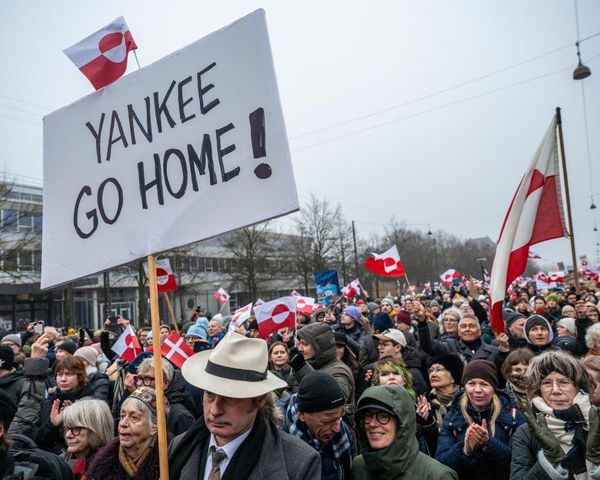
Tackling climate change can ony be successful if it engages all sections of society. Photograph: Jewel Samad/AFP
For weeks now the world has been mesmerised by the "credit crunch". But the biggest single long-term threat to all our futures remains the issue of climate change. And, in my capacity as a MP for Hackney North and Stoke Newington, I have received more detailed letters, briefings, postcards, emails and deputations on it than on any other issue for years.
But, almost without exception, the people who write, email and lobby me on the subject are white and middle class. Yet my constituency is three-quarters black and ethnic minority and one of the poorest in the country. The narrowness of the climate change movement's social base does not detract from the cogency of the argument.
Only last week, Nicholas Stern the author of the seminal 2007 government report on climate change warned that he had actually underestimated the threat. He said
Emissions are growing much faster than we'd thought, the absorptive capacity of the planet is less than we'd thought, the risks of greenhouses gases are potentially bigger than more cautious estimates and the speed of climate change seems to be faster
But, the suspicion that some politicians have about the narrowness of the social base of the climate change movement, may explain why political change has been glacially slow on this issue
Campaigners will ask why this matters. And they will point out, correctly, that many movements for social change have been led by the middle classes. But the climate change campaign is different. It is not just a case of having a campaign, passing a law and going home. It requires all of us, Guardian readers and Daily Star aficionados alike, to change how we eat, travel and live our lives. And we have to do it permanently.
So, broadening the base of the climate change campaign is vital. And we will do it partly by linking it ever more firmly with development issues like: agricultural failure; food shortages; water scarcity; disease and mass migration. The plight of the polar bear is touching. But climate change and rising sea levels are a real and present danger to the lives and livelihoods millions of some of the poorest people in the world living in small island states and the coastal areas of Africa and south Asia. And this opens up the possibility of important political coalitions, both internationally, and within communities here in Britain.
Climate change will be threat long after the latest financial downturn is over. But fighting it means engaging with the Nigerian cleaner in Dalston, who saves all year for her flight back to Lagos to see her family with nary a thought about aviation emissions, just as much as the Stoke Newington young professional.