
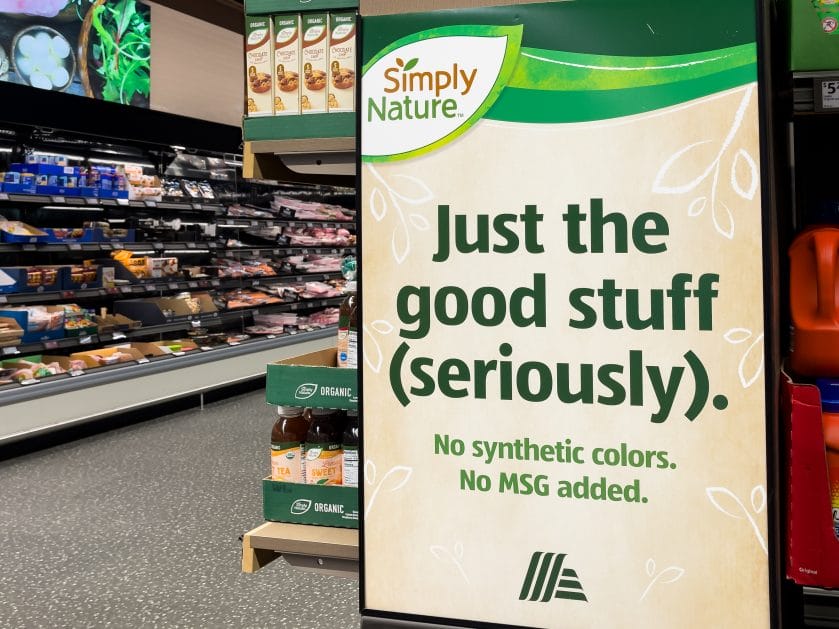
In the modern grocery landscape, simplicity has become a luxury commodity. A distinct marketing trend has emerged where brands prominently advertise what is not in their food, using terms like “No High Fructose Corn Syrup,” “3 Simple Ingredients,” or “Nothing Artificial.” While the desire for wholesome, unprocessed food is valid, manufacturers have weaponized this desire to create a massive price tier known as the “Clean Label” premium. Shoppers are increasingly paying double or triple the price for products that are functionally identical to their cheaper counterparts, simply because the packaging whispers sweet nothings about purity.
The Ingredient Count Fallacy
Marketing teams have successfully convinced consumers that a shorter ingredient list automatically equals a healthier product. Consequently, a bag of potato chips that lists only “Potatoes, Oil, Sea Salt” can sell for five dollars, while a standard bag sells for three. The reality is that both products are deep-fried carbohydrates. The “clean” version offers no significant nutritional advantage in terms of calories, fat, or sodium. You are paying a premium for the aesthetic of simplicity, not for a tangible health benefit.
The “Free From” Markup
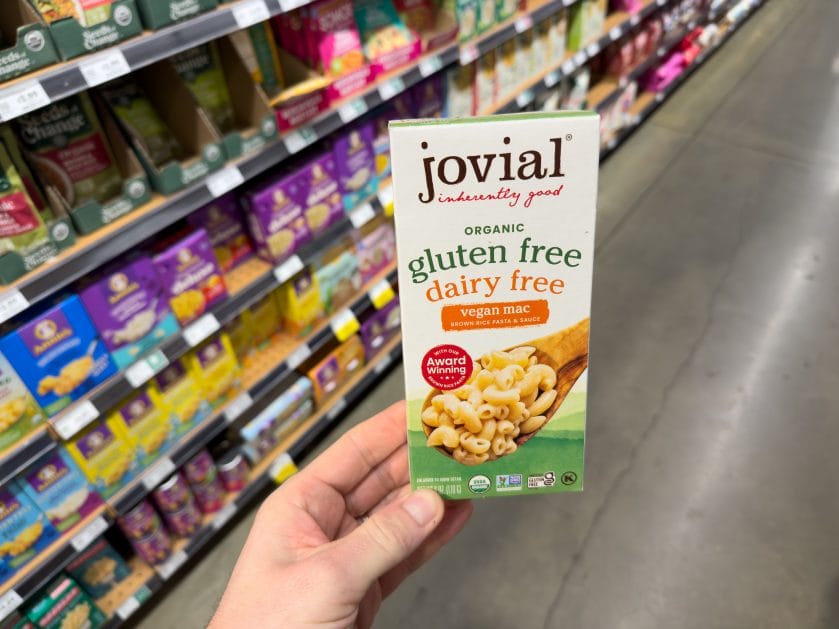
Labels that scream “Gluten-Free,” “Soy-Free,” or “Dairy-Free” are essential for people with legitimate medical allergies. However, for the general population, these labels often serve as justifications for price hikes. A package of “Gluten-Free” oats often costs twice as much as regular oats, even though oats are naturally gluten-free (unless cross-contaminated). Manufacturers process these items in dedicated facilities, which adds cost, but they also apply a hefty “lifestyle tax” because they know health-conscious shoppers are less price-sensitive.
The Aesthetic of Brown Paper
Walk down the cracker or cookie aisle, and you will notice a visual code. The cheaper brands use bright, glossy, primary colors. The expensive “clean” brands use matte finishes, beige or brown backgrounds, and serif fonts that evoke a rustic, farmhouse vibe. This “kraft paper aesthetic” is a deliberate design choice intended to signal artisanal quality. The product inside might be mass-produced in the same industrial complex as the bright red box, but the matte beige packaging signals to your brain that it is worth a premium.
The Organic Halo Effect
The “Clean Label” trend often overlaps with the “Organic” label, creating a halo effect where consumers assume the product is virtuous in every way. A box of “Organic, Non-GMO” toaster pastries is still a sugar-filled dessert. However, the clean labeling leads parents to believe it is a nutritious breakfast, justifying a six-dollar price tag. The label distracts from the nutritional facts panel, which often reveals high sugar and low fiber content, regardless of how “clean” the ingredient source is.
Navigating the Hype
To beat the Clean Label premium, you must ignore the front of the box and read the back. Compare the nutrition panel of the “clean” barbecue sauce with the standard version. Often, you will find the sugar and sodium levels are nearly identical. If you want true clean eating, the most affordable route is to buy whole ingredients—vegetables, meats, and grains—and cook them yourself, rather than paying a corporation to remove ingredients from a processed package.
What to Read Next
Grocery Shopper Trends Show Growing Shift to Value-Driven Ingredients
Holiday Dessert Ingredients That Hit Their Lowest Prices Late December
10 Popular Canned Foods Now Missing Their Key Ingredients
6 Foods That Quietly Use Artificial Ingredients to Fake “Freshness”
9 Baking Ingredients That Last Forever in Your Pantry
The post The “Clean Label” Premium: Why You Pay Double for Fewer Ingredients appeared first on Grocery Coupon Guide.