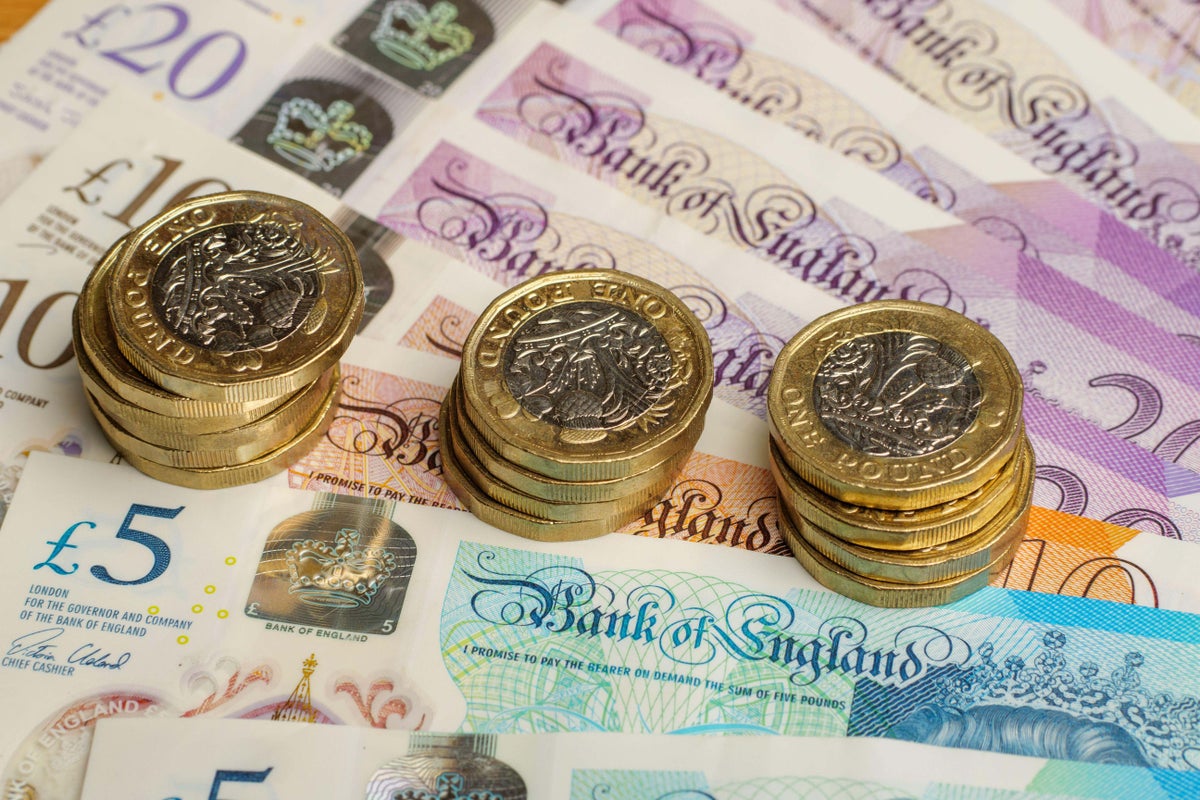
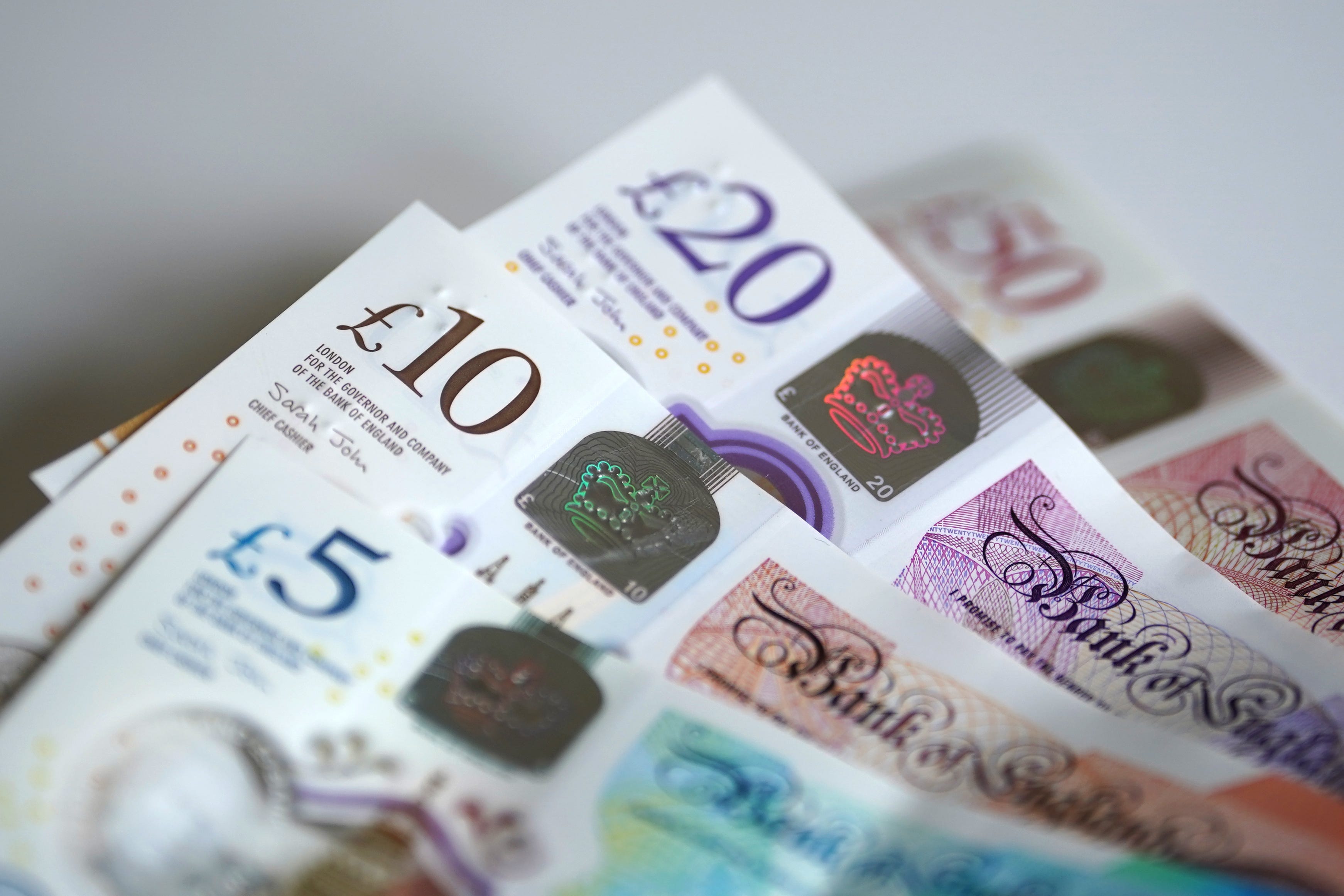
Despite persistent predictions of its demise, physical cash remains an essential part of daily life for many, from securing a supermarket trolley to accessing pool lockers. While older generations recall an era when cash was king and card payments were rare, a notable shift is occurring among younger demographics. They are increasingly recognising the value of tangible currency, particularly for its inclusive qualities.
“The younger generation is learning what we all oldies were doing for decades,” says Simon Phillips, managing director of No1 Currency. “People are putting cash first to enable them to budget better, have more intention and be more mindful with their spending, whether that’s at home or on holiday.”
The ‘cash-only’ trend has been around for a little while now – with some people taking cash out ahead of the weekend, and just relying on that to see them through until Monday – but the rising cost of living is “certainly going to be a factor” in driving its popularity.
“Particularly off the back of the [current US-Iran] conflict, we’re seeing people more conscious about the amount of money they have. Fuel costs are rising, the cost of doing anything these days, is so much more,” says Phillips.
There are pros and cons to carrying notes and coins, though…
PRO: You’ll need it if banking systems go down
The European Central Bank is actually encouraging people to keep a certain amount of cash at home. Sometimes there are glitches on banking apps, so having cash as a back-up is reassuring.
PRO: It’s great for day-to-day budgeting
If you’re on a tight daily budget, having the exact amount of cash you can afford to spend, on your person, can stop willy-nilly card payments that quickly rack up. “I do feel worried for people who can’t keep track [of their card payments], and I know people will tell me there are apps for that, but is that the same as physically touching cash?” asks Phillips. “No, it isn’t. It is much more difficult to budget.”
PRO: Cash is a great back-up
Even if you think you’re covered with Apply Pay/Google Pay and cards, having a couple of quid on you in coins can still come in handy, even if it’s just for tipping. It’s also arguably less vulnerable to fraud, despite the banks’ best efforts to make card payments safer. “Huge amounts of card fraud goes on,” says Phillips, who has welcomed the fact that, although the tap and go card limit of £100 was lifted in March, most major banks have stuck with the cap. “I’m really pleased they’ve left that limit at £100 because that potential of just spending even more money without knowing really gets me worried.”
CON: Access can be a problem
“While customers would like to pay cash, some retailers simply can’t do it,” says Phillips. Even though retailers have to pay to process card payments (“It’s quite expensive”), post-Covid, many have gone cash-free out of choice, while others have been forced to because their ability to bank cash has been eliminated due to branch closures. “The Post Office has gone some way, if you’ve got one, to enable you to bank cash as a retailer, but that doesn’t suit everybody,” notes Phillips.
For the individual, tracking down a cash machine can also be tough, and may come with added fees.
PRO/CON: It can be more private
Worried about big conglomerates tracking your data? Buying with cash can swerve that to some extent. Big tech companies “probably know more about you than you do, and that is a concern,” says Phillips. “Data Protection is critical, and if you live off-grid and pay cash for everything, I guess you could avoid all that. But is it possible to live off-grid and cash-only these days? I suspect not.”
Phillips doesn’t think privacy ought to be a key driver for going cash-only. “If you don’t want [card companies] to know your coffee habits every week, then stay off the card, but the reality is, with most online retailers, you’d find it very, very difficult to pay in any other way than card.”
CON: It’s not great for savings
The cash-only trend should perhaps not apply to your long-term savings goals. “With inflation as high as it is, keeping all your money, in old fashioned terms, under your bed, is probably not a great idea if you think in terms of the value of cash over time,” warns Phillips. “Any money that isn’t earning some degree of interest is effectively reducing in value. So, I would never suggest you take your life savings out of the bank and stick it under the mattress.”
However, “depending on how much you earn and what your budget is, whether it’s £10, £50 or £500, having a cash buffer [can be useful]” in emergencies, or when an unexpected cost comes up.
PRO: It’s useful abroad
“I still budget using cash when I’m on holiday,” says Phillips. “It allows me to go away and consciously know what I’m going to spend. I always have cards with me as back-up and as another method of payment, but I go away and I come back not in debt.”
Some parts of the world are also just far more cash-focused than the UK. “Don’t assume that just because you’re going to Spain or France or Italy or Germany or Greece, they are going to be exactly the same as you are at home, tap everywhere, etc. Don’t travel without more than one method of payment,” says Phillips. “And don’t assume that as soon as you arrive or when you’re out on the streets, that there’ll be a bureau or a hotel or some bloke around the corner that’ll change it for you. They won’t, not always. So always have a bit of cash.”
The cash-only trend – what you need to know
Millions who were mis-sold car loans to get average £829 payout in final scheme
Shelling out: Shoppers ‘buying chocolate Easter eggs for four people on average’
Lloyds sticks to £2bn provision for motor finance compensation
New ‘subscription trap’ rules could save the public as much as £400m per year
Lenders to have greater flexibility offering higher loan to income mortgages