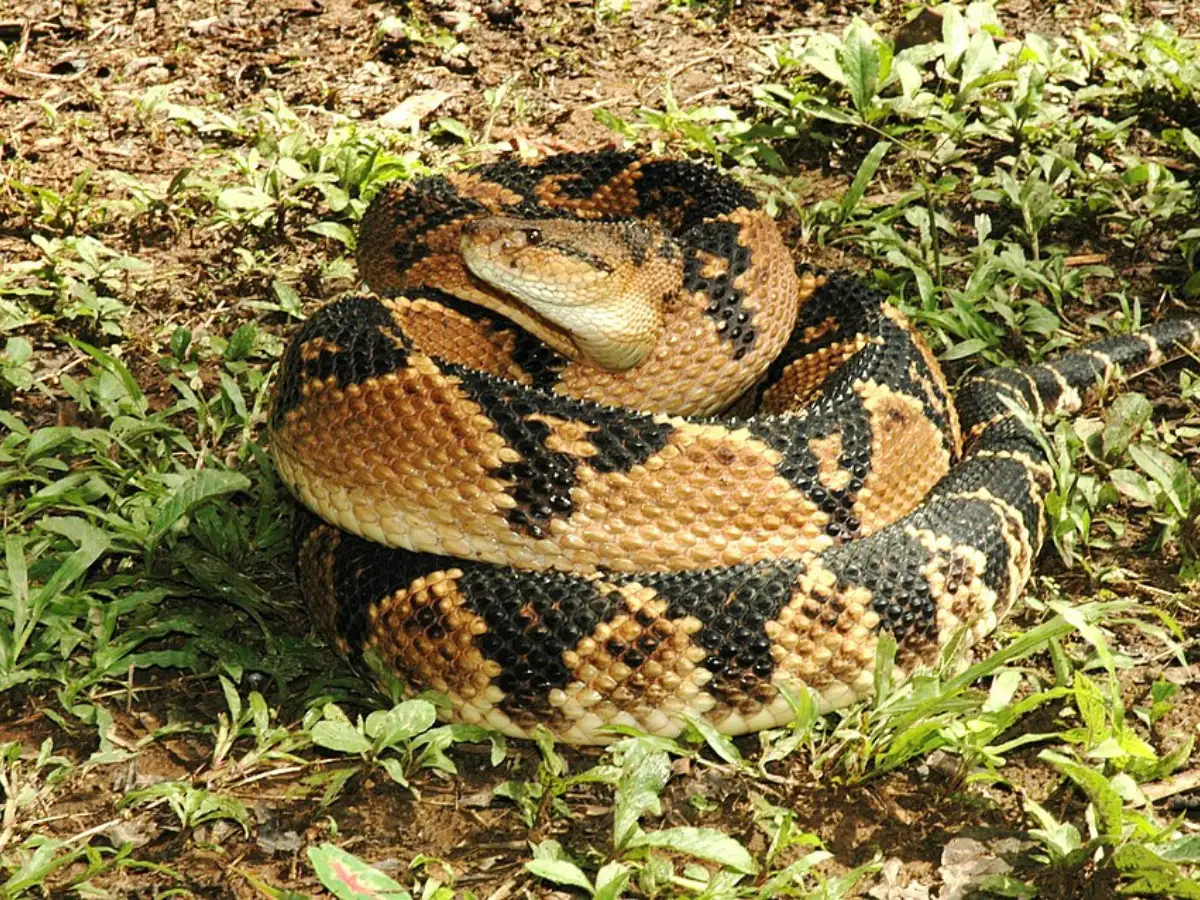
The bushmaster is among the few venomous snakes in the Americas whose sheer size can influence accounts of encounters, yet scientists describing the snake show impressive restraint in their accounts. The review literature identifies snakes of the genus Bushmaster as some of the largest venomous snakes in the Americas, although scientists resist claiming that this particular snake is the largest venomous snake anywhere on the planet.
This difference is notable because "largest," "longest," and "most dangerous" are terms frequently thrown around together when speaking about wildlife, even though the scientific literature clearly distinguishes among them. The truly distinctive aspect about the bushmaster is not simply its size but rather its length, venom, and inaccessible rainforest habitat.
Isolation plays a significant role in informing most of what people have come to learn about this animal, since the bushmaster is associated with the tropical rainforests of South and Central America and mostly in areas that are characterized by dense vegetation, low population density, and hard-to-access terrain. As stated in a review paper accessible through PubMed Central, bushmasters inhabit isolated tropical rainforest ecosystems, including the Amazonian forests and parts of the Brazilian Atlantic rainforests. The importance of this information lies in the fact that this habitat explains why the bushmaster is considered a mythical creature even though it is not well-known.