The boys who beg for Qur’anic schools in Senegal – in pictures
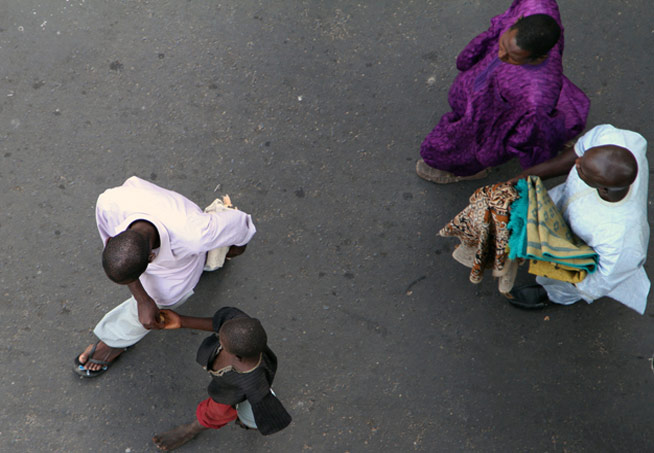
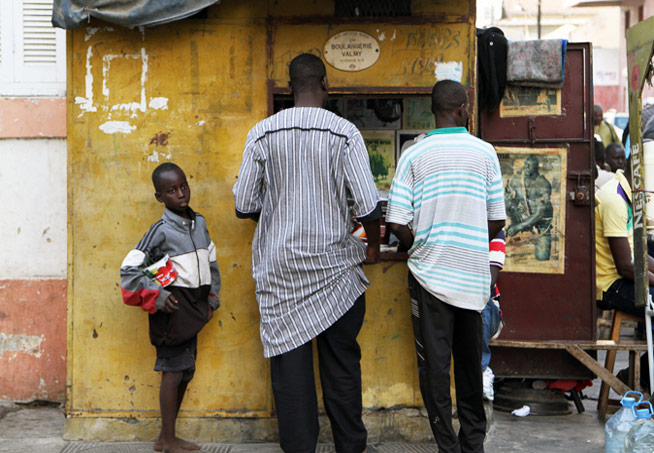
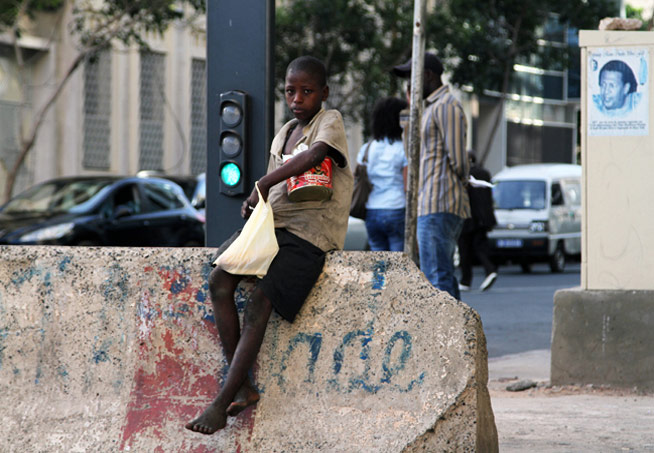
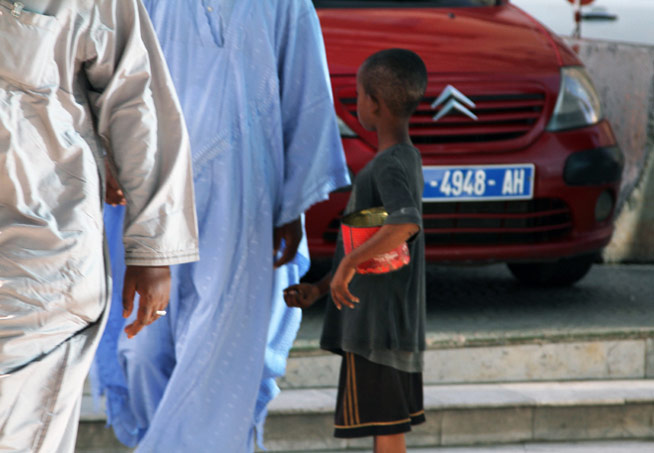
A talibé begs for money after Friday prayers in Plateau, the business district of Dakar. Charity, or zakat, is one of the five pillars of Islam. Senegalese people believe giving money to the talibés will bring them good luck for the rest of the dayPhotograph: Misha HussainA talibé waits for change by a baguette stall. The young boys have to collect up to 1,000 west African francs ($1) a day for their maraboutsPhotograph: Misha HussainRed means go for this talibé, who waits for the traffic lights to change so he can beg for money from people sitting in their carsPhotograph: Misha Hussain
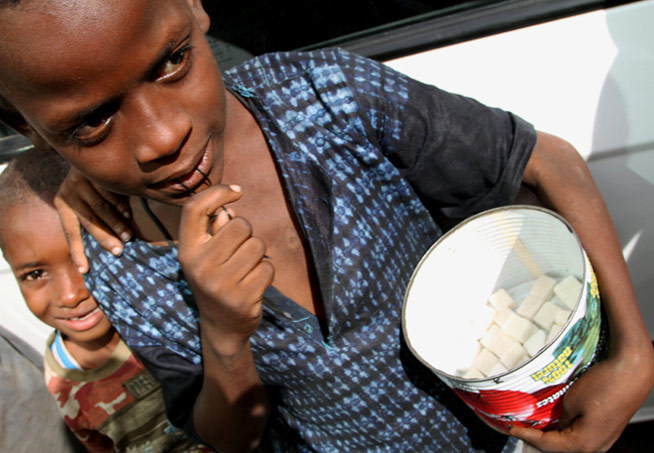
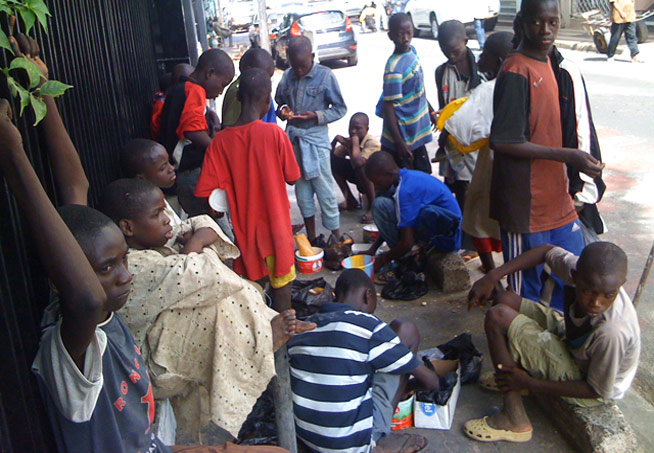
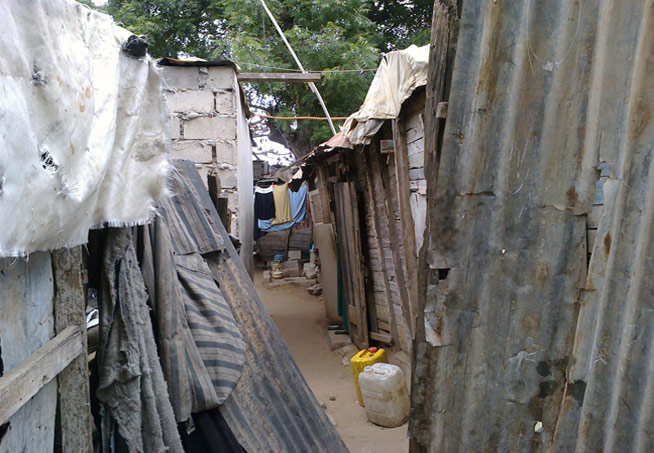
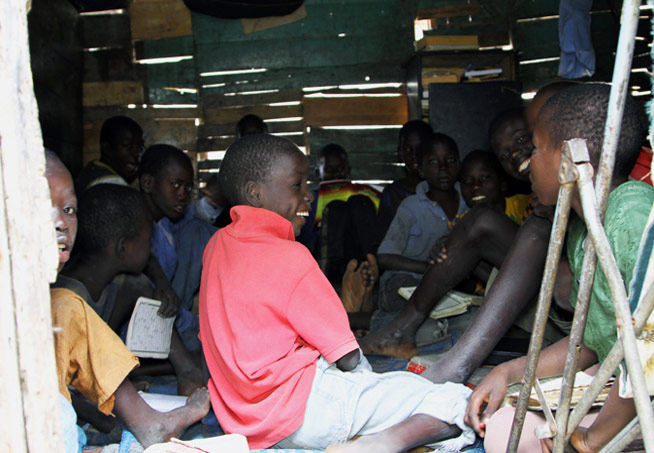
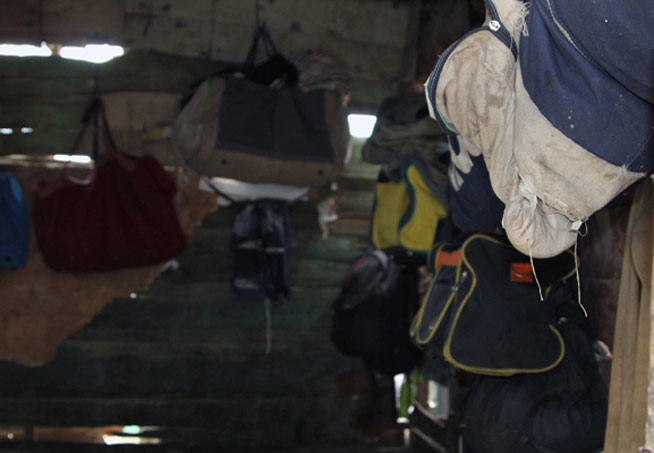
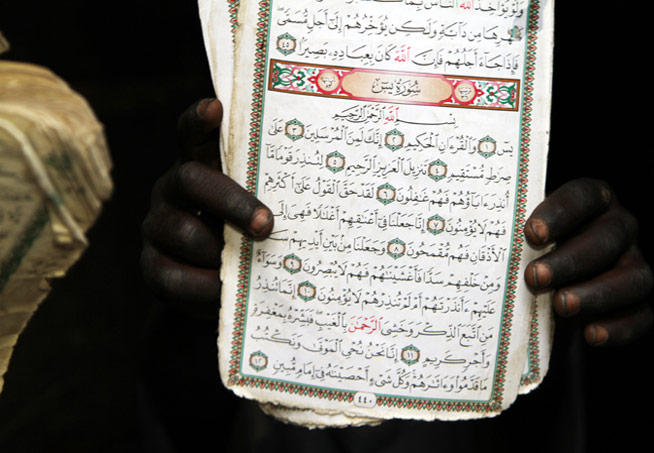
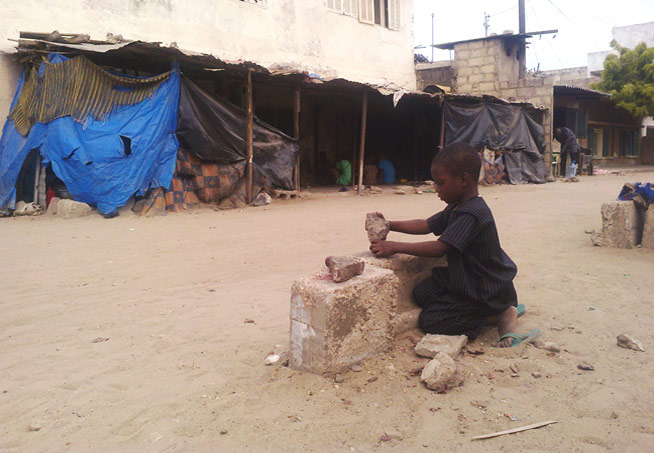
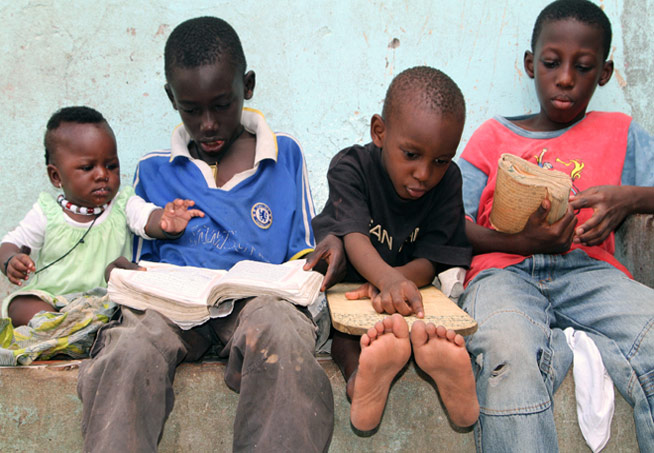
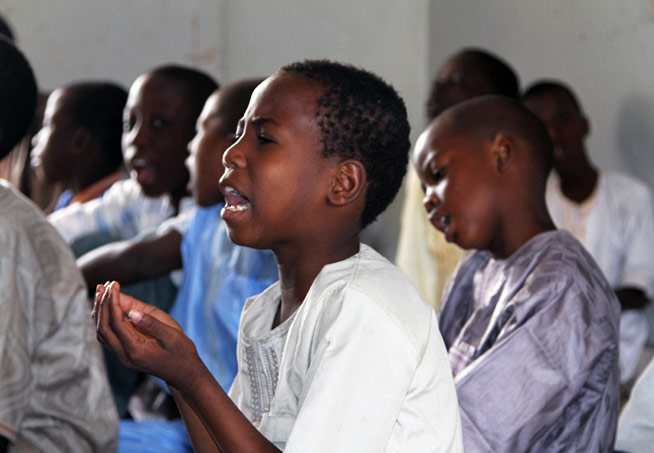
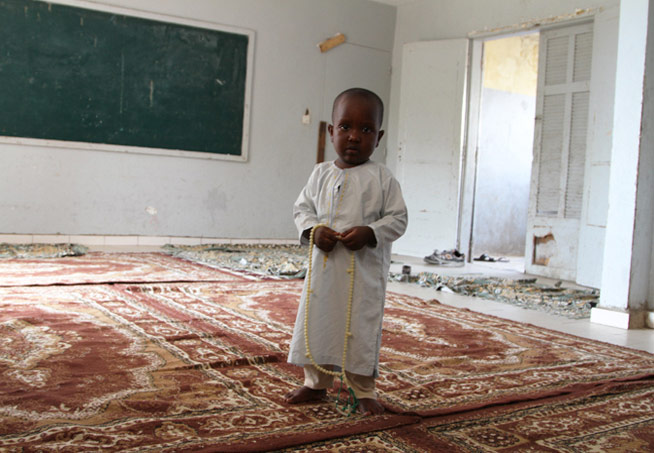
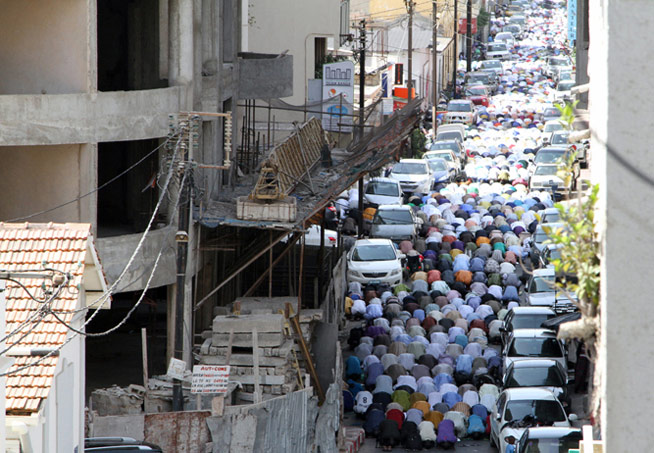
Tomato tins have become a symbol of the talibés. The large ones are cheap and easy to find, and can be used to beg for rice and sugar. This, too, can be collected by the marabout and sent home to his village or sold for profit. A 50kg bag of rice brings approximately $40 (£25) in SenegalPhotograph: Misha HussainThe public are becoming more aware of the issue of wayward marabouts and the way they treat talibés in SenegalPhotograph: Misha HussainThe talibés regroup and count the money they have made before going back to their daaras. The older talibés tell the younger ones where to beg and often take a cut of the money collected before it is given to the maraboutPhotograph: Misha HussainThe entrance to an unsponsored residential daara in the Grand Dakar area of DakarPhotograph: Misha HussainAll these boys – there are 15 – sleep in this room. The congested daaras encourage the spread of infectious diseases. Hygiene and sanitation in the unsponsored daaras is close to non-existent. Lack of safe water prevents the children staying clean and many of the talibés develop skin problemsPhotograph: Misha HussainEach talibé typically has one bag that holds all his belongings; they are hung above where the children sleepPhotograph: Misha HussainA young boy holds out what he has to learn today. Many of the talibés memorise large parts of the Qur'an by heart, but do not understand what it meansPhotograph: Misha HussainA young boy crushes garlic outside his daara in the Fass area of Dakar. The daara is constructed with plastic bin bags and corrugated iron, which in the rainy season barely protects from storms and in the winter provides little warmth when temperatures can drop below 15CPhotograph: Misha HussainChildren who attend private residential daaras, which are few in number, usually do not have to go out and beg for money, and live in better conditions, though still not great. Some of the children at these daaras have been sent by their parents from Italy and even as far as AmericaPhotograph: Misha HussainAccording to Islamic beliefs, prayer offered in congregation is 25 times more superior (in reward) to prayer offered alonePhotograph: Misha HussainThe daara modernisation programme hopes to upgrade underused classrooms such as this one to teach French, science and mathematics, providing talibés with basic literacy alongside their Qur'anic education Photograph: Misha HussainMuslims gather for Friday prayers on the streets of the capital, Dakar. Senegal has a population of 13 million people, 94% of whom follow the Sufi branch of IslamPhotograph: Misha Hussain
Sign up to read this article
Read news from 100's of titles, curated specifically for you.