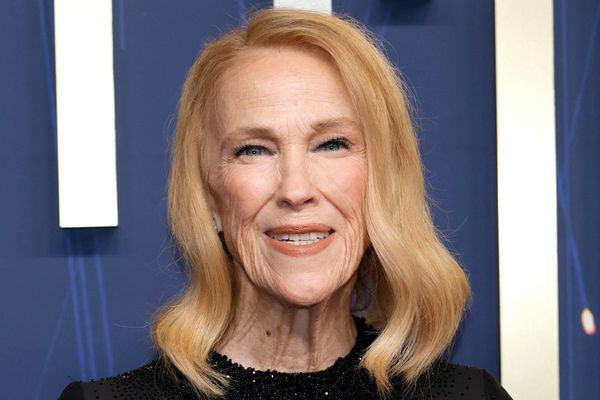
X factor contestant Andy Abrahams.
Photograph: Dave Hogan/AFP/Getty
The women at the bus stop in Peckham yesterday morning were disgruntled but resigned, writes Gwyn Topham.
"Everyone was going for the black guy, but the white guy won it," said one. Another agreed: "Yeah, and the black guy could really do it."
Their bus pulled in before I could ask which of the weekend's big votes they where talking about - but then I realised that it didn't really matter. Once again, the black contestants on television reality shows had fallen to the public vote. Why should The X Factor and Strictly Come Dancing be any different to all the ones that had gone before them?
Reality shows may be comparatively modern additions to our culture but they are picking up the traditions fast. From Big Brother to Pop Idol to I'm a Celebrity, you don't have to be a music producer, psychologist or TV insider to quickly pick out one or two faces that won't stay the course once the phones start ringing.
There was one black winner of a British reality show: Tim Campbell, on the Apprentice. But then this wasn't decided by a public vote: this was the decision of Sir Alan Sugar, who was investing a year, a six-figure salary and the well-being of his company in making a wise, meritocratic choice. If it had been left to a Strictly Come Dancing judge to employ the winning dancer on similar terms, would they really have forsaken the effortlessly elegant Colin Jackson for the galumphing Darren Gough?
Andy, Colin, Makosi, Victor, Melanie - were you just not worthy, or did you fall foul of what critic Jim Shelley, writing about Celebrity Love Island, described as television law: that black people never win.
That's the trouble with voting - just ask Jesse Jackson. It might not look like fair television. But it looks like reality.