Cycling offers freedom, exploration, and a sense of achievement. Many people feel drawn to the idea of a cycling adventure, yet they do not always know how to start preparing. Learning how to pace yourself, choose the right gear, and care for your body will help you make the most of your time on the road. A good plan includes sensible training, attention to comfort, and an understanding of what lies ahead on your journey. When you give yourself enough time and stay focused on your goals, you set the groundwork for an enjoyable ride that can take you through city avenues, over hills, or along open highways. You do not need to be a top athlete to succeed in this type of adventure. You only need solid preparation and the resolve to keep pedaling forward.
Understanding Your Purpose
Before committing to a long ride, it helps to know why you want to go. Some people want a deeper connection to nature, so they plan to cycle through scenic routes. Others see it as a chance to test endurance and reach personal bests. Understanding your motivation will shape parts of your preparation. If your aim is discovering hidden trails, you may want a touring bike and enough supplies for stretches without roadside support. If you want to test your fitness, your focus may be interval training and advanced gear. By setting a purpose, you also set a plan for your training. You discover how many miles you want to cover each day and what resources you need to stay on track. Clarity around your purpose also helps you manage expectations and remain inspired, especially when weather or fatigue become factors.
Choosing the Right Bike Rack
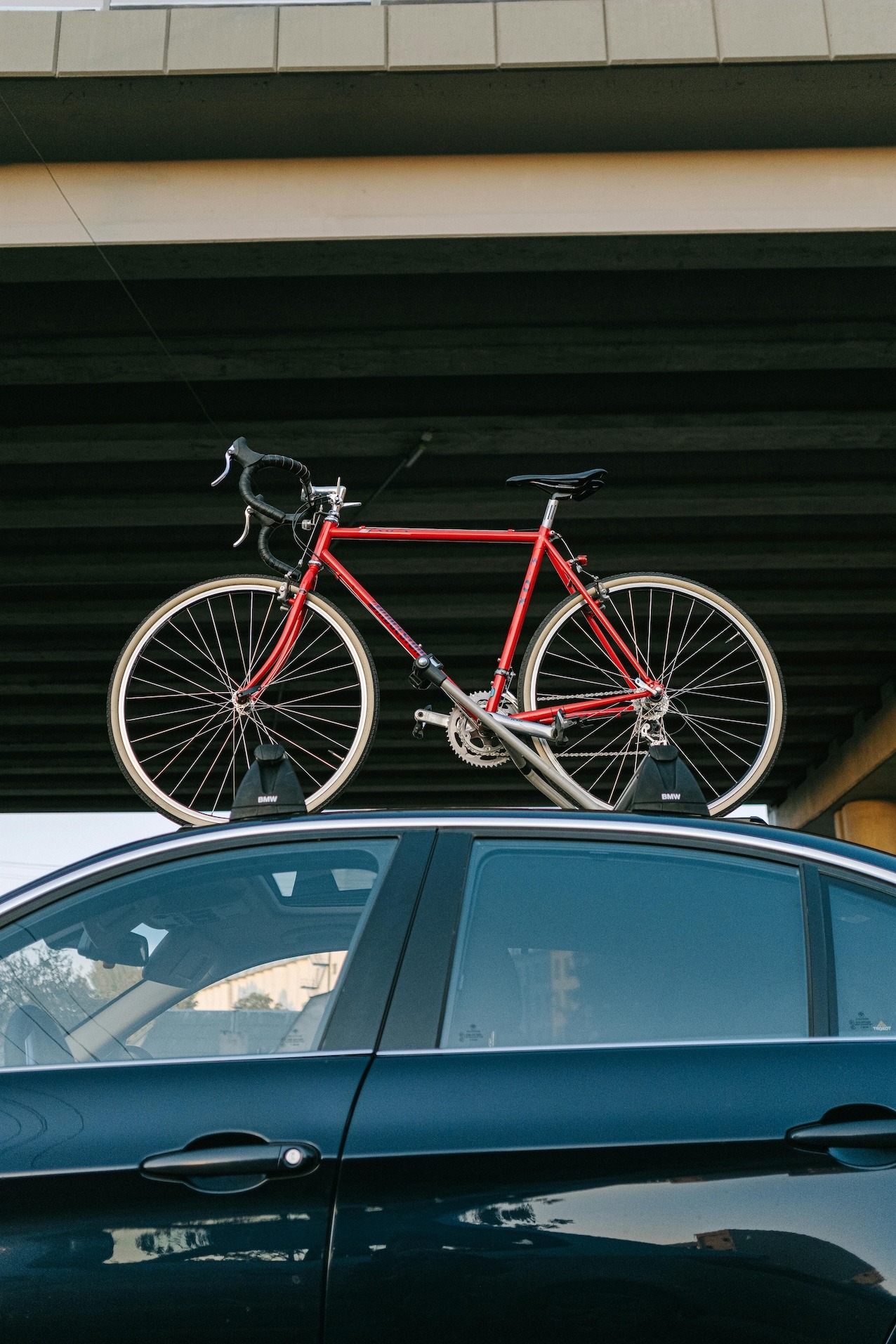
When selecting a bike rack for your journey, it's important to understand the differences between hitch-mounted, roof-mounted, and vertical carriers. Each type offers distinct advantages and drawbacks depending on factors like aerodynamics, ease of loading, and the number of bikes supported. Hitch-mounted racks are generally easier for loading but might affect rear visibility.
Special considerations must be taken into account if you're transporting e-bikes or heavier frames. These models often require racks with greater load-bearing capabilities due to their increased weight. Additionally, tandem models demand specific designs that accommodate their length without compromising stability.
Weather resistance and durability should be key factors in your bike rack selection. Look for racks with robust anti-rust coatings and UV-resistant materials that can withstand extended exposure to the elements. Premium racks often feature adjustable securing points and modular designs that can accommodate different bike sizes and styles, making them a worthwhile investment for serious cycling enthusiasts who travel with various types of bikes.
Building Physical Endurance
Cycling for extended periods requires strong muscles, steady stamina, and a solid cardiovascular base. One way to prepare is regular rides at a moderate pace so your body adapts to longer sessions. You can begin with short distances, then increase them step by step. Consistency helps your legs, lungs, and heart grow more comfortable with cycling’s demands. Some cyclists add running, swimming, or strength routines to develop well-rounded fitness. By doing this, you keep your training varied while improving overall strength. This variety helps your body avoid repetitive strain. Building endurance takes time, so it is best not to rush. Each new distance should feel like a gradual step rather than a sudden leap.
Choosing the Right Gear
Selecting the right gear boosts your comfort and lowers the chance of mechanical issues. The type of bike should match the terrain you plan to conquer. Road bikes work well on smooth surfaces, while mountain or gravel bikes handle uneven paths with ease. An expert bike fitting can also improve comfort by aligning your body with the bike’s geometry. Besides the bike, give thought to clothing and accessories. Light jerseys, padded shorts, and proper shoes help you deal with changing temperatures and reduce strain. A helmet is essential. Reflective elements, lights, and repair tools help you stay visible in traffic and fix minor issues without delays. A flat tire or loose chain can spoil a ride, so being ready with a few basic tools allows you to keep moving without stress.
Mapping Out Your Route
As Scott Stoll said, "A bicycle ride around the world begins with a single pedal stroke." But Scott might've left out the planning part of a cross-country bike trip. Deciding where to ride in advance helps you predict terrain, weather, and possible stopping points. This step lowers the risk of surprises that can disrupt your journey. If you encounter steep climbs, you know to prepare extra energy. If you pass through remote areas, you might pack more water and snacks. Some cyclists use route-planning apps to measure distances and spot potential hazards. Others seek tips from local riders who know the roads and trails. City paths may bring heavy traffic, so advanced planning helps you find safe routes or quiet lanes. Even a general outline of your path can calm nerves and allow you to manage your time. Whether you follow a strict schedule or stay flexible, a basic plan will keep you grounded.
Mastering Your Nutrition and Hydration
Many hours in the saddle can deplete your body, so what you eat and drink matters. You want consistent energy and stable blood sugar levels. Foods high in protein and carbohydrates help your muscles stay fueled for the ride. Hydration is equally vital, since a small drop in fluids can cause fatigue or a dip in focus. Some cyclists use water with added electrolytes to replace minerals lost through sweat. Each person’s needs differ, so practice different eating and drinking methods while training. In doing so, you discover what your body tolerates. Be alert for early signs of low energy or dehydration, and adjust your intake to maintain balance. Listening to what your body tells you can help you last longer on the road.
Making Final Adjustments Before You Ride
In the days before your big adventure, inspect your gear and your own readiness. Test the bike on a short route to ensure smooth shifts and responsive brakes. Check tire pressure and confirm that your seat height supports comfortable pedaling. If anything feels off, fix it right away to avoid problems when you begin your main ride. Use this time to rest and let your body recover from training. A good night’s sleep and a calm mindset will help you start fresh. On the morning of your departure, spend a few moments warming up and stretching. You want your muscles loose and your blood pumping before you climb into the saddle.
Cycling with Others: The Power of Community
Some cyclists choose to ride alone, enjoying personal solitude and the freedom to follow any route they like. Others thrive on group rides or team adventures. Sharing the road with others fosters motivation and companionship when miles become tough. Group outings can offer guidance from riders who have more experience, and they can also act as a safety net in case of unexpected problems. Coordination and communication are vital during group rides, so always let others know when you plan to stop or change direction. These shared efforts build connections that can last well beyond the final mile marker.
Staying Motivated During Long Journeys
Long cycling adventures test your resolve, so staying motivated is key. Setting small goals, such as reaching a landmark or a scenic viewpoint, can help you measure progress in manageable steps. Listening to your favorite music or taking breaks to appreciate the scenery can keep your mood positive. You may also track your progress with an app or a simple journal, allowing you to see how far you have come. When energy levels drop, recalling why you started this journey can lift your spirit and strengthen your focus. Motivation may dip when you face unexpected challenges, yet a determined mindset will help you keep pedaling forward.
Cycling adventures create lasting memories. When you plan ahead and stay committed to training, you set yourself up for a rewarding experience that blends fresh air, physical effort, and a sense of accomplishment. You build up your endurance through steady rides, select gear that suits your needs, and pick routes that match your goals. You pay attention to meals, water, and rest so your body can handle the rigors of the road. Lastly, you remain aware of your motivation, which fuels your determination to reach new places and push past old limits. Each mile tests you, yet each mile also reveals how far you have grown. By preparing well and keeping your goals clear, you ensure that this cycling adventure will leave you eager for more.