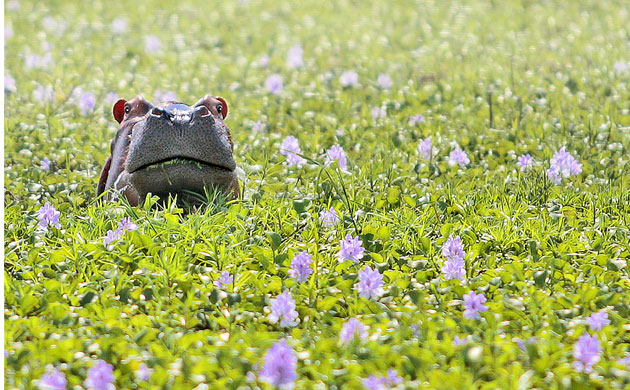
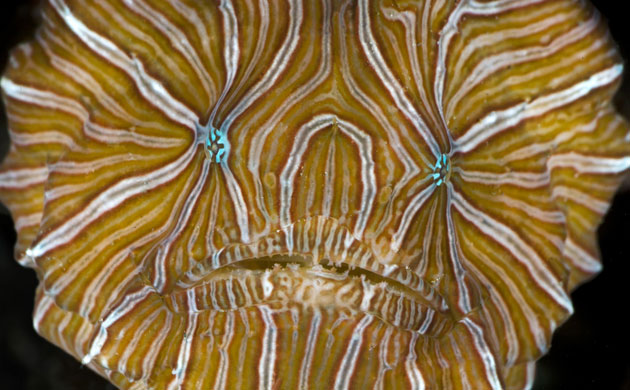
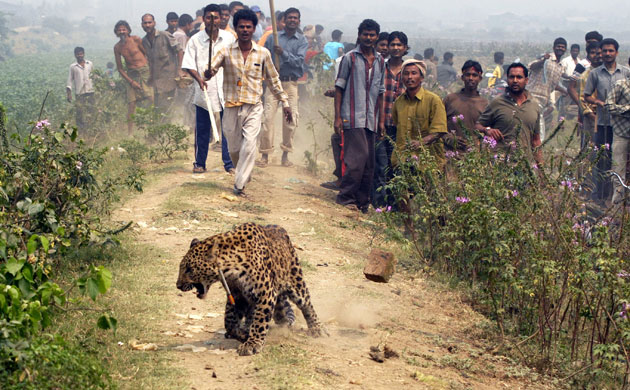
A startled hippotomus dashes from his hiding place, Shire River, Liwonde National Park, MalawiPhotograph: David Hobcote/guardian.co.ukIn this undated photo released by David Hall of seaphotos.com, recently discovered fish named "psychedelica" is shown in the waters off Ambon island, IndonesiaPhotograph: David Hall/guardian.co.ukA leopard is shot with a tranquiliser dart in the residential area of Jyotikuchi in Guwahati, the capital city of the north-eastern state of Assam. Three people were mauled by the leopard after the cat strayed into the city before it was tranquilised by forestry department officials. The full-grown male leopard was wandering through a part of the densely populated city when curious crowds startled the animal, a wildlife official saidPhotograph: Biju Boro/guardian.co.uk
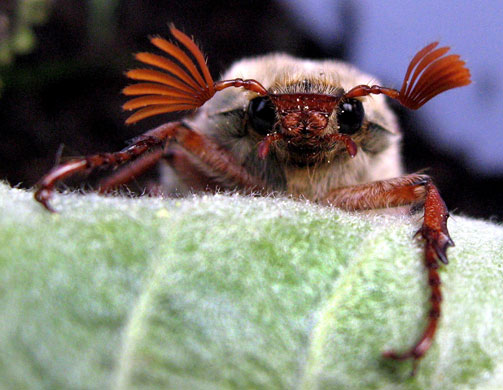
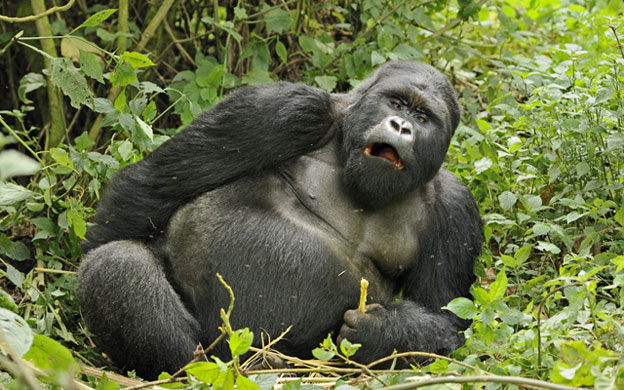
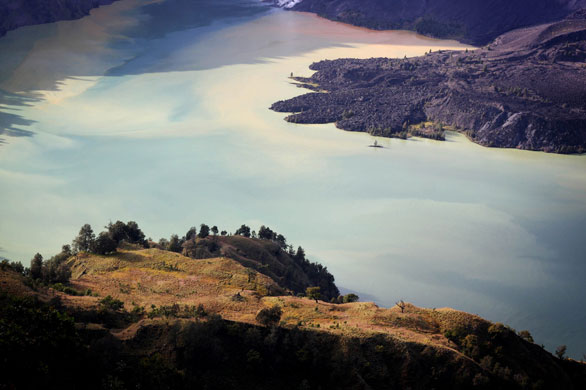
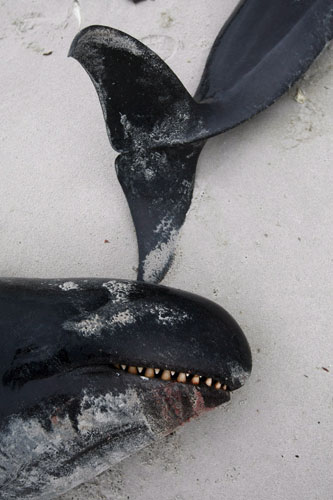
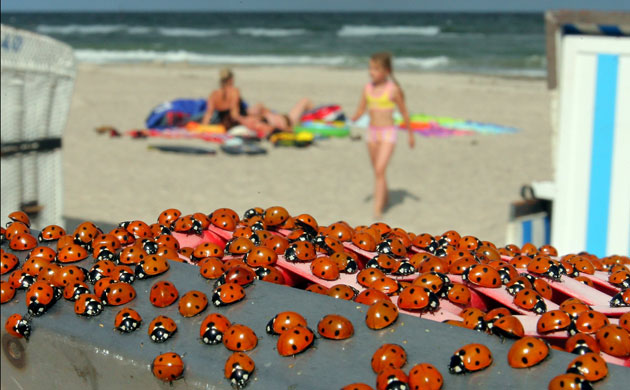
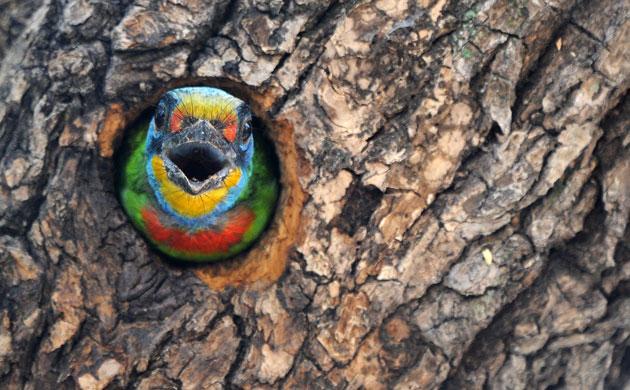
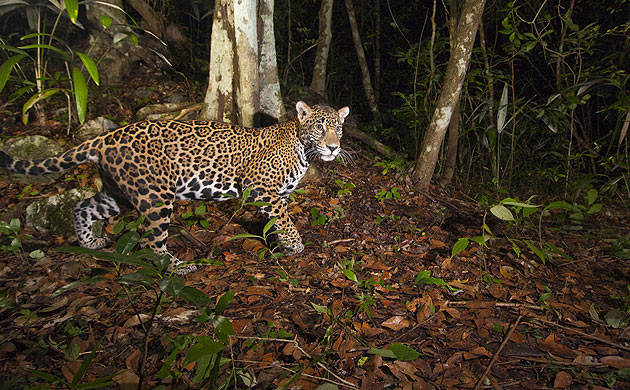
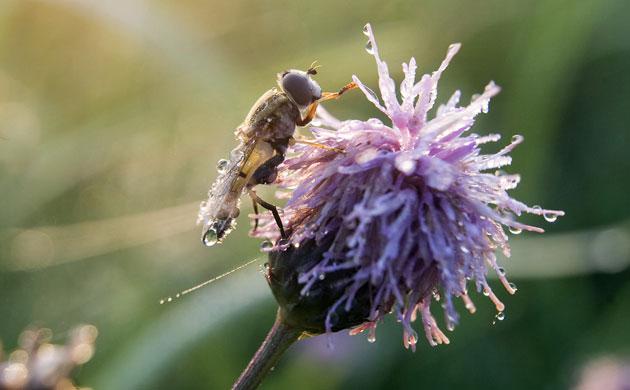
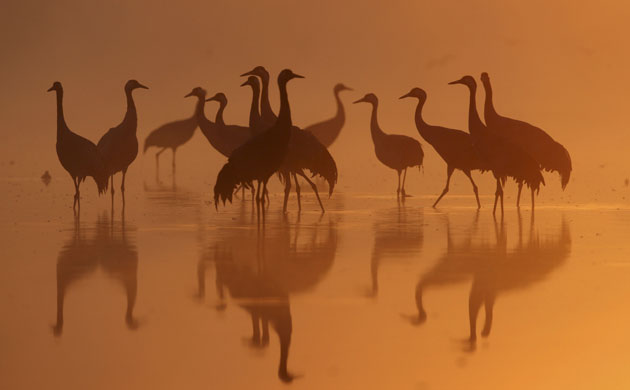
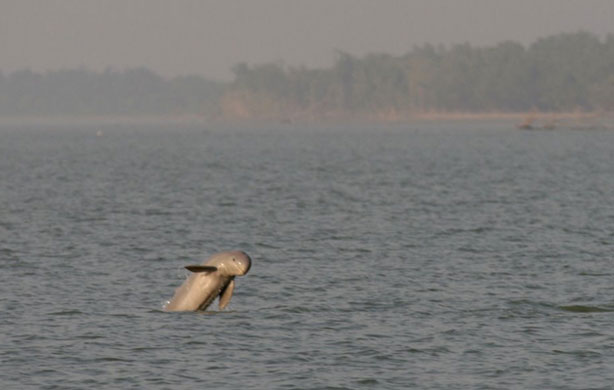
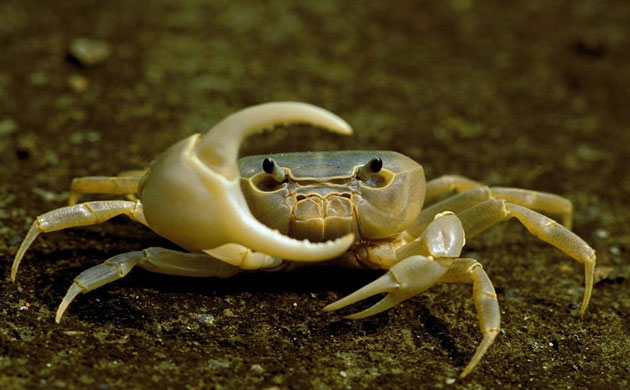
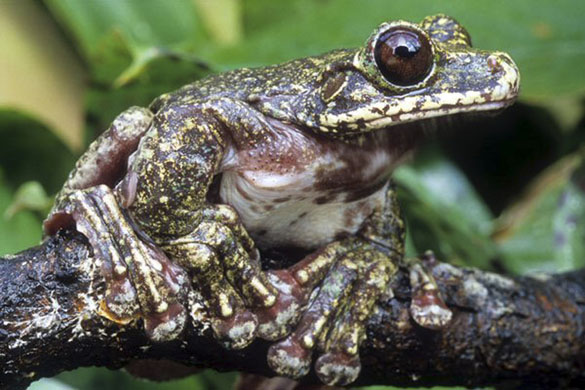
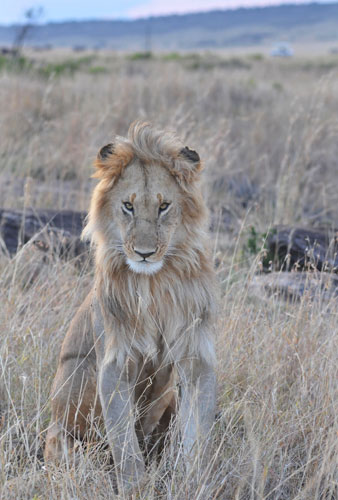
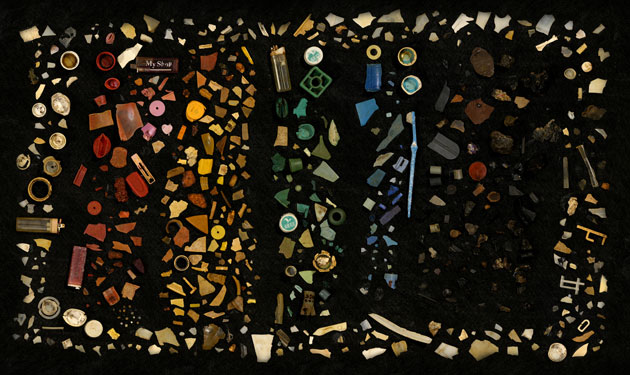
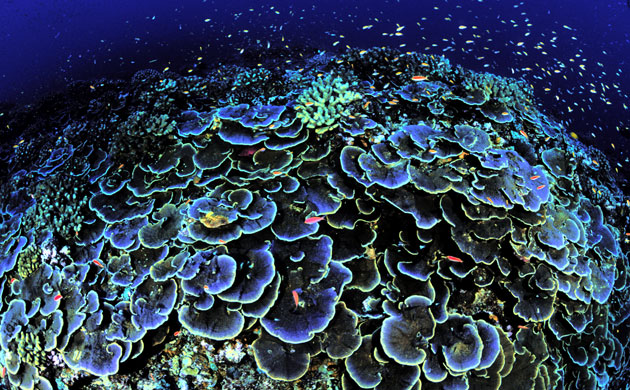
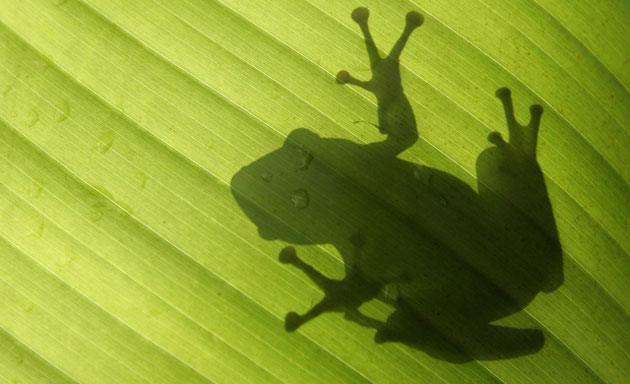
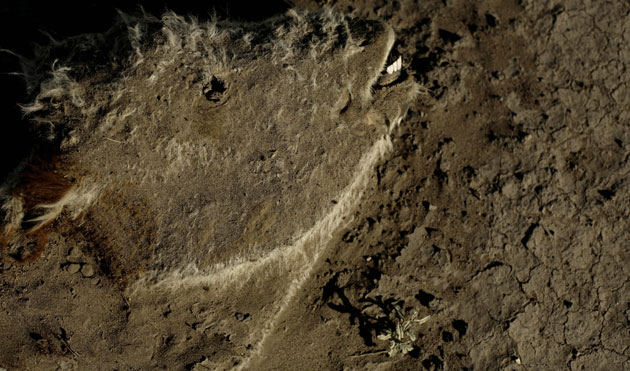
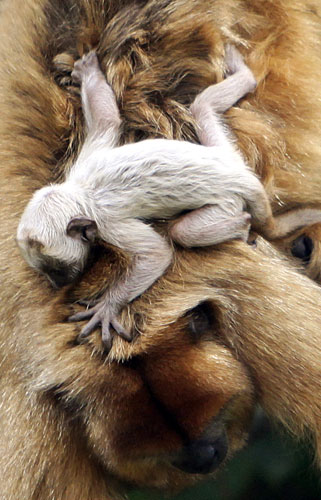
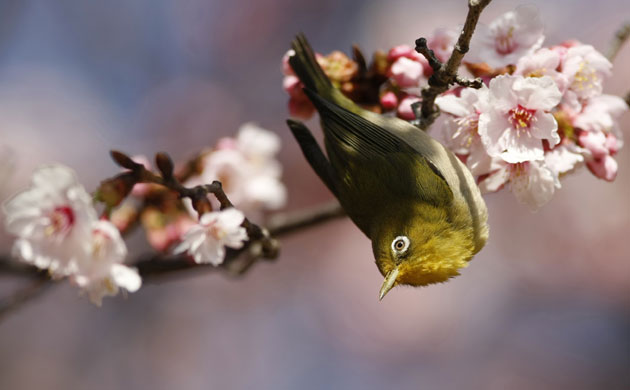
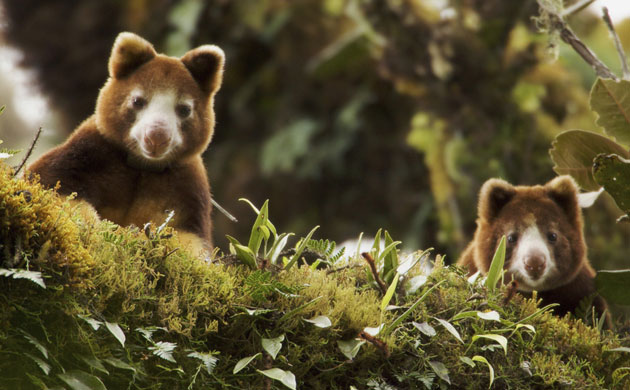
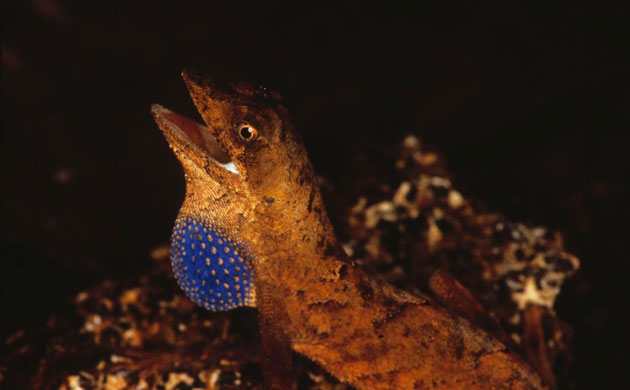
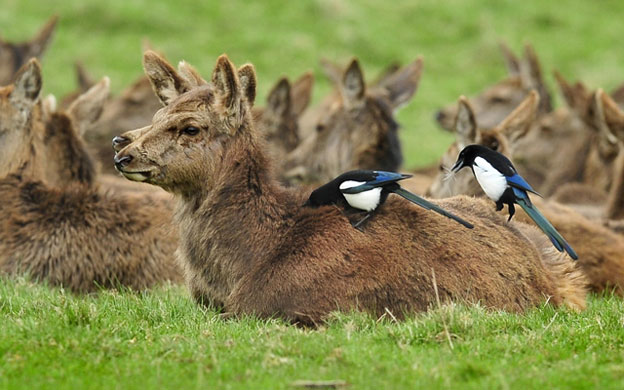
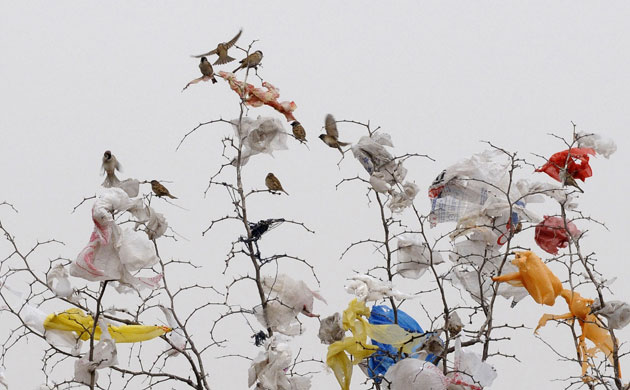
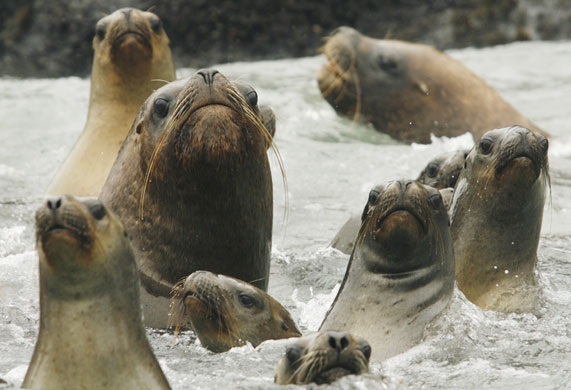
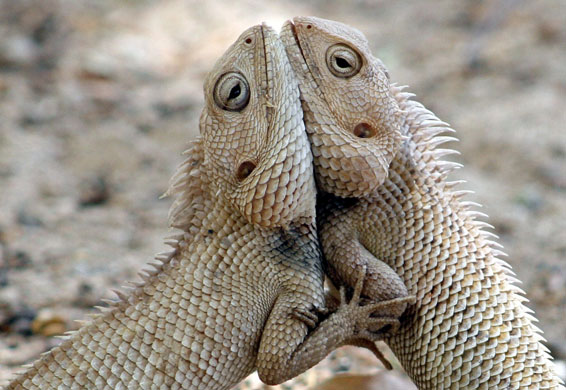
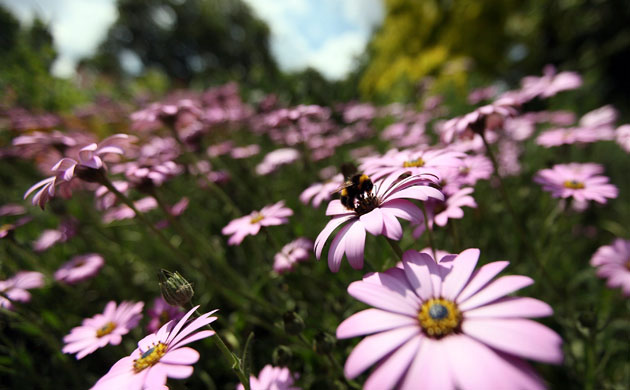
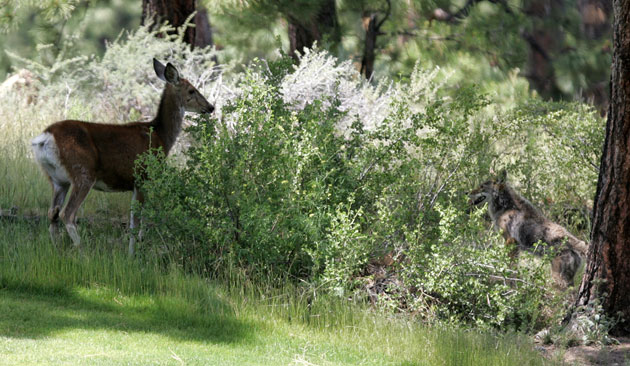
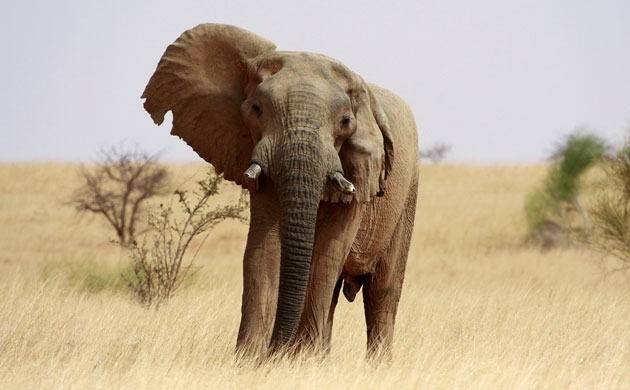
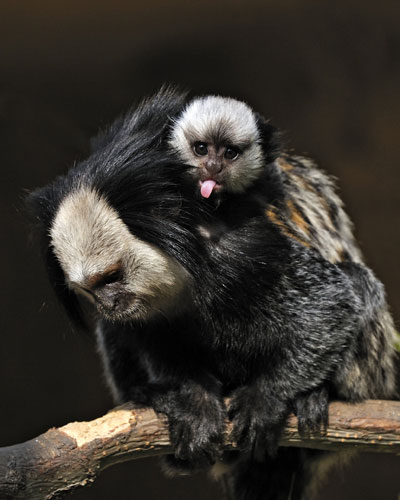
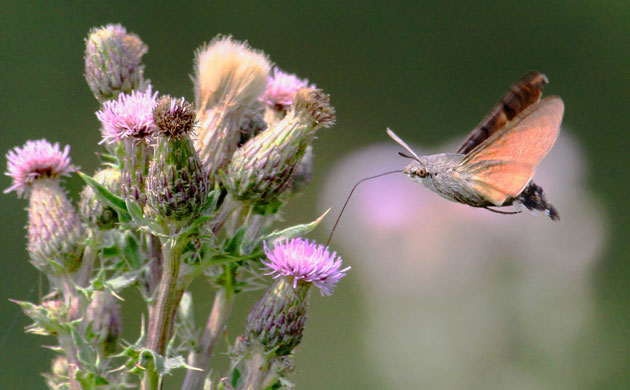
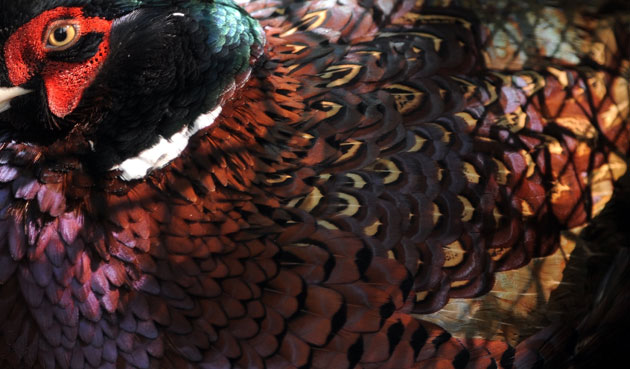
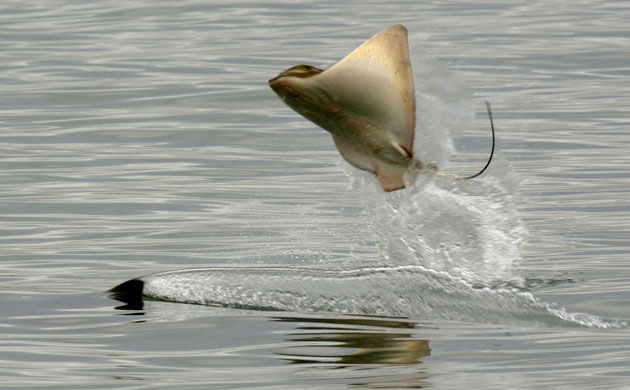
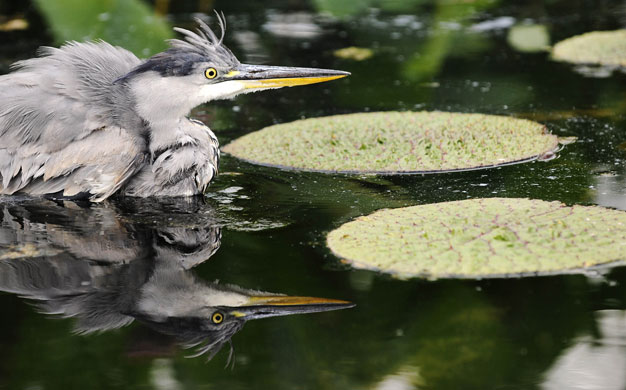
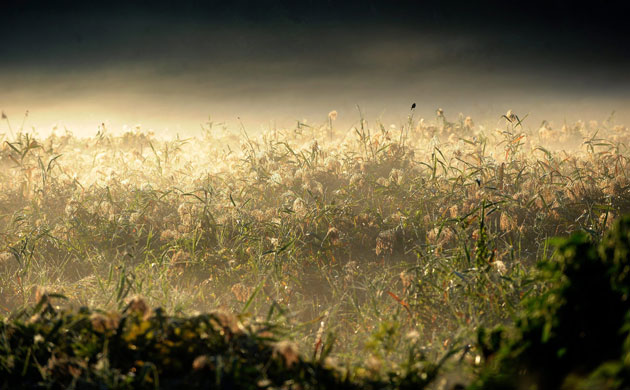
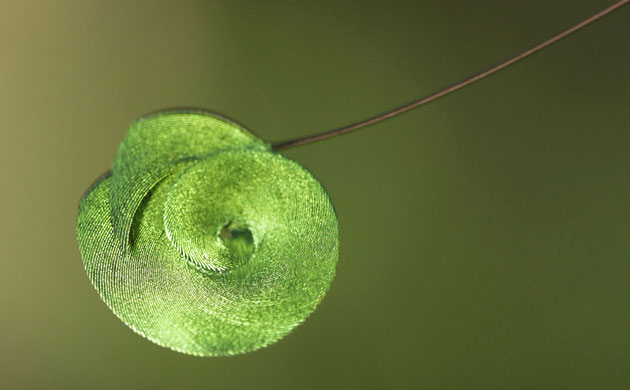
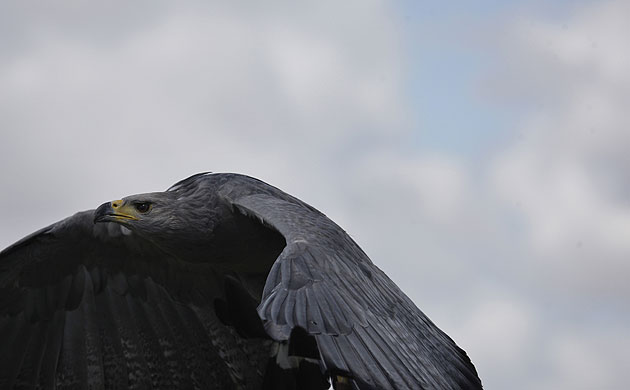
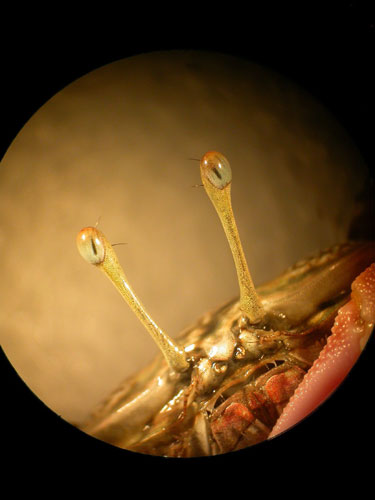
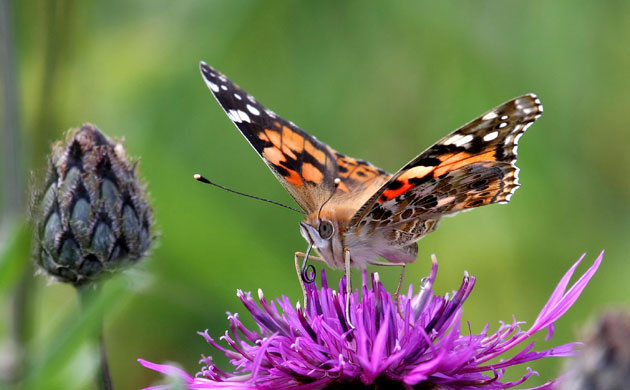
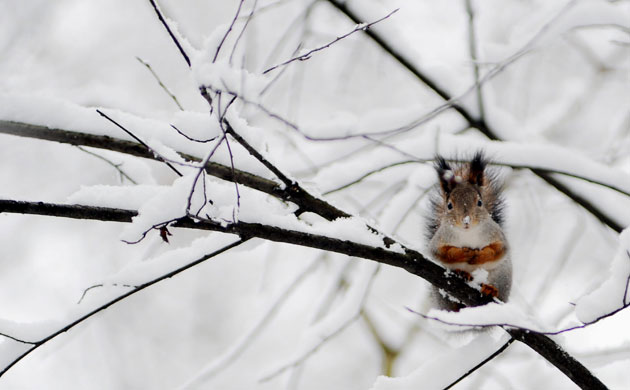
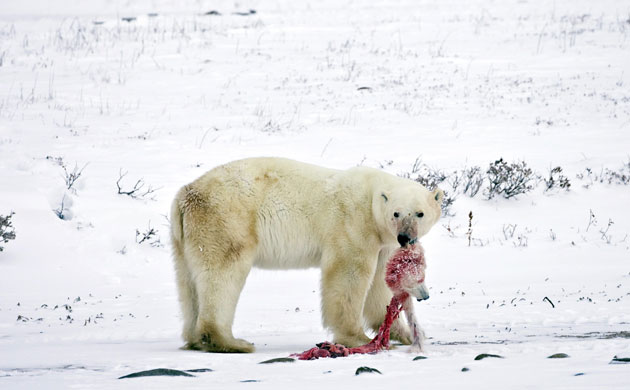
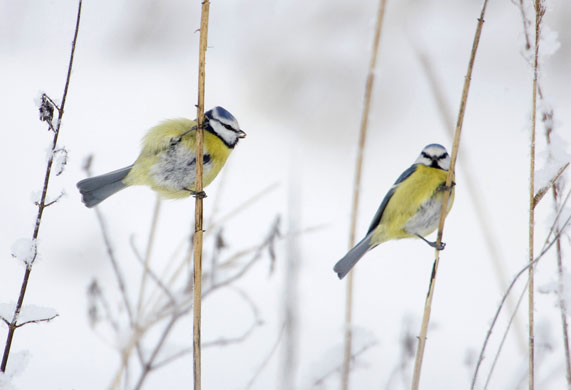
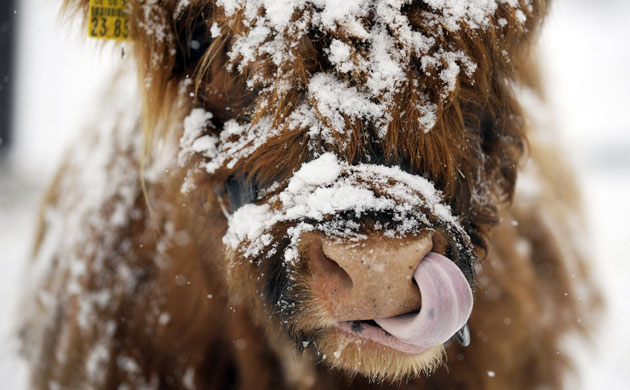
The sun rises over the Dnieper river bank in Rechitsa town, BelarusPhotograph: Vasily Fedosenko/guardian.co.ukA cockchafer beetle, colloquially known as the may bug. Once a serious pest for agriculture and forestry, the beetle was nearly wiped out during the 20th century. Their presence is a sign of low-pollution levels as they do not tolerate pollution wellPhotograph: Wolfgang Kumm/guardian.co.ukA mountain gorilla gets drunk on bamboo shoots. Wildlife photographer Andy Rouse had a close encounter with a family of mountain gorillas – and discovered them tipsy from slurping alcoholic sap from fresh bamboo shoots. The family were pictured in the Virunga mountains of RwandaPhotograph: Andy Rouse/guardian.co.ukLake Segara Anak, formed in the crater of Mount Rinjani in Lombok, Indonesia. The active volcano is the third highest (3,726m) in Indonesia and the crater lake is a popular fishing spot for localsPhotograph: Ulet Ifansasti/guardian.co.ukThe bodies of beached false killer whales on Longbeach in Cape Town, South Africa. Marine scientists euthanased 34 whales following their beaching on 30 May 2009. Of the group of 55, 20 whales were helped back out to sea by members of the public – but 34 returned to the beach and the decision was taken to put them downPhotograph: Nic Bothma/guardian.co.ukA great blue heron holds a small fish after catching it in a pond in Roseburg, USPhotograph: Robin Loznak/guardian.co.ukLadybirds crowd a beach chair on Warnemuende beach, Germany, 2009. The harlequin, native to Asia, was introduced to North America and continental Europe as a biological control agent because it eats more pest insects than any other ladybirdPhotograph: Bernd Wuestneck/EPA/guardian.co.ukA black-browed barbet or Müller's barbet, a species of bird native to south-eastern Asia, stands guard by its nest on a street tree in TaipeiPhotograph: Sam Yeh/guardian.co.ukA jaguar (Panthera onca) photographed here via camera trap in Mexico Calakmul national park are the largest cat in America. They are classified as near threatened by IUCNPhotograph: Florian Schulz/guardian.co.ukDew drops gather on a wasp as it sits on a flower during a foggy morning in BelarusPhotograph: Vasily Fedosenko/guardian.co.ukA group of common cranes gather in dawn light, on their night-roost on a lake in the German state of Brandenburg, close to Berlin. From September to November tens of thousands of Cranes use the rural area for a stopover during their migration from Scandinavia and Eastern Europe to their wintering quarters in Spain. The agricultural plains surrounding Berlin are among the biggest crane roosts in Europe, with several tens of thousands of birds gathering during the peak of migration between September and NovemberPhotograph: Thomas Krumenacker /guardian.co.ukA large flock of flamingos wading in Laguna Colorada, located within the Eduardo Abaroa Andean National Fauna reserve near the border with Chile, in the Uyuni salt flats, Bolivia. The Uyuni salt flats are estimated to contain 10bn tonnes of salt – of which 25,000 tonnes are extracted every year – as well as 100m tonnes of lithium, making it one of the largest global reserves of this mineral, according to officials at the Bolivian Mining Corporation. The salt flats are a major tourist attraction in Bolivia, with around 60,000 tourists visiting them every year to see various types of flamingos, giant cacti, geysers, hot springs, volcanoes and colourful pondsPhotograph: Martin Bernetti/guardian.co.ukThis week the Wildlife Conservation Society confirms huge population of rare dolphins. Nearly 6,000 Irrawaddy dolphins are alive and swimming in BangladeshPhotograph: guardian.co.ukPollution and habitat loss are wiping out one of the essential guardians of the world's river systems, it was claimed today. A sixth of all the world's freshwater crab species are now threatened with extinction, according to expertsPhotograph: Hsi-Te Shih/guardian.co.ukA tree grows through the bumper of a VW Beetle in a garden near Fuldatal, Germany. The Beetle was supposedly the first car to cross the border after the Berlin Wall fell 20 years agoPhotograph: Uwe Zucchi/guardian.co.ukThe Rabb's fringe-limbed tree frog, which only became known to scientists four years ago, is one of 1,895 amphibian species that could soon disappear from the wild, says the IUCN Nearly 50,000 animals and plants were surveyed for this year's "red List" of endangered species and 17,291 of them are threatened with extinction. And here are the ten countries with the most endangered species in themPhotograph: Brad Wilson/guardian.co.ukA male lion in Masai Mara national park in Kenya. Kenyan wildlife officials say the country's 2,000 lions are at grave risk because of recurrent drought and a pesticide that conservationists blame for 76 poisoning deaths of the predator since 2001Photograph: Riccardo Gangale/APThis photograph shows plastic found in the stomach from the carcass of a laysan albatross fledgling. Collected and arranged by Dr Cynthia Vanderlip, Division of Forestry and Wildlife, Hawaii. Photograph: Rebecca Hosking/Philosophical Transactions of the Royal SocietyA brushtailed possum joey opens its mother's pouch to take a peak at the outside world in a veterinary clinic in Sydney, AustraliaPhotograph: Leanne Cooper/guardian.co.ukCoral off Jarvis Island, one of seven islands strung along the equator in the Pacific Ocean. Parts of three remote and uninhabited Pacific island chains are being set aside by President George Bush to protect them from oil exploration and commercial fishing in what will be the largest marine conservation effort in historyPhotograph: Jim Maragos/guardian.co.ukKuala Lumpur, Malaysia: The shadow of a frog is seen on a banana leafPhotograph: Zainal Abd Halim/ReutersA calf lies dead in Stroeder, Argentina. Farmers are demanding the government's help after a year-long drought that has killed nearly 1 million animals and destroyed cropsPhotograph: Natacha Pisarenko/APSingapore: A black howler monkey (Alouatta caraya) clings onto its mother's back at the zooPhotograph: Wong Maye-E/guardian.co.ukA Japanese white-eye perches on a branch of a cherry blossom tree at Shinjuku Gyoen National Garden in Tokyo February 21, 2009Photograph: Yuriko Nakao/guardian.co.ukTwo Matschie's tree kangaroos (Dendrolagus matschiei), which are an endangered species, peer from a perch in the newly created YUS Conservation Area of Papua New GuineaPhotograph: HO/guardian.co.ukThe Anolis nitens tandai, a lizard that lives on the floors of the Amazonian rainforest, is thought to be in serious danger because of climate changePhotograph: Laurie Vitt/guardian.co.ukMagpies pluck fur from the back of a deer at Ashton Court estate in BristolPhotograph: Ben Birchall/guardian.co.ukBirds on a tree at a rubbish dump in Changzhi, Shanxi province, ChinaPhotograph: Stringer Shanghai/guardian.co.ukSea lions swim in front of the Palomino islands, some 8 km (5 miles) from Callao's Port on the central coast of Peru. A colony of 8,000 sea lions lives on desert islands in the bay of Lima. They spend most of the day lounging on rocks or catching fishPhotograph: Enrique Castro-mendivil/guardian.co.ukAhmedabad, India: A pair of chameleons face offPhotograph: Amit Dave/guardian.co.ukA bee lands on flowers in the sunshine in St James's Park in London, England. It was announced this week that the short-haired bumblebee, which died out in the UK but survived in New Zealand after being shipped there more than 100 years ago, is to be reintroduced to BritainPhotograph: Dan Kitwood/guardian.co.ukA deer and a coyote stare at each other on the edge of the second fairway during a golf tournament in Bend, Oregon. The two animals faced each other for more than a minute until a woman ran at the coyote, scaring it awayPhotograph: Andy Tullis/guardian.co.ukAn old bull elephant that has strayed from his herd searches for water in the drought-stricken Gourma region of southern Mali. Mali's 350 to 450 desert elephants, the northernmost elephant species of Africa, are accustomed to surviving in harsh drought conditions. But one of their crucial water sources, Lake Banzena, recently dried up, putting the animals at riskPhotograph: STR/guardian.co.ukMarmosets in the Ramat Gan safari park, Israel. Marmosets are highly active, living in the upper canopy of forest trees, feeding on insects, fruit and leaves. They live in family groups of three to 15, consisting of one to two breeding females, an unrelated male, their offspring and occasionally extended family members and unrelated individualsPhotograph: Tibor Jager/guardian.co.ukA rare Hummingbird Hawk-moth sips from a flower in Collard Hill in Street, Somerset. This unusual species of moth looks and behaves like a humming bird, hovering above flowers to extracting nectarPhotograph: Lynne Newton/guardian.co.ukA ring-necked pheasant in its enclosure at the New Delhi zoo. The 214-acre park is home to more than 2,000 species of animals and birdsPhotograph: Manan Vatsyayana/guardian.co.ukA stingray leaps out of the water as it is hunted by a killer whale, whose fin can be seen below the ray, just off St Heliers beach in Auckland, New ZealandPhotograph: Brett Phibbs/guardian.co.ukA grey heron swims in a pond. The grey heron is native throughout temperate Europe and Asia and parts of AfricaPhotograph: Thomas Lohnes/guardian.co.ukA bird sits on top of a blade of grass in a meadow in Hungary at dawnPhotograph: Imre Foeldi/guardian.co.ukThe emerald green disc on the tail feather of the king bird of paradise which are used in a courtship ritual. The bird was seen in the extinct Mount Bosavi volcano in Papua New Guinea, where scientists, cavers and wildlife film-makers ventured in search of rare animals and birdsPhotograph: Ulla Lohmann/guardian.co.ukA crowned solitary eagle flies to its trainer before being released, after going through a rehabilitation programme at the Buenos Aires zoo. Less than 1,000 crowned solitary eagles remain in the world as of 2004, landing them on the list of most endangered species in South America, according to Buenos Aires zoo's Raptor Birds Rescue and Conservation ProjectPhotograph: Natacha Pisarenko/guardian.co.ukThe eye stalks of a fiddler crab. Researchers in Australia have discovered that female fiddler crabs rely on the male's large claw to protect them from other suitorsPhotograph: ARC Centre of Excellence in Vision and Science HANDOUT/guardian.co.ukA painted lady butterfly. Scientists believe they have solved the long-standing mystery of where painted lady butterflies go in winter – with the help of Butterfly Conservation's monitoring scheme, in which members of the public registered sightings online. It has produced 12,000 reports of the butterflies from the UK and across Europe since the beginning of the year. The insects were seen around the Channel coasts of Cornwall, Devon, Sussex and Kent and arriving back in the Mediterranean and north AfricaPhotograph: Butterfly Conservation/guardian.co.ukA squirrel sits in a snowy tree, Moscow. Moscow is experiencing its first snows of the winter as temperatures fluctuate above and below the freezing pointPhotograph: Natalia Kolesnikova/guardian.co.ukA male polar bear carries the head of a polar bear cub it killed and cannibalized in an area about 300 km (186 miles) north of the Canadian town of Churchill in this picture taken November 20, 2009. Climate change has turned some polar bears into cannibals as global warming melts their Arctic ice hunting grounds, reducing the polar bear population, according to a U.S.-led global scientific study on the impacts of climate change. Photograph: Stringer/guardian.co.ukSiabrin, Belarus, 5 January: Blue tits perch on grass as temperatures dropped to around -17CPhotograph: Vasily Fedosenko/guardian.co.ukSonnenbuehl, Germany, 5 January: A Highland cattle stands in the snow on a pasture on Photograph: Sascha Schuermann/guardian.co.uk
Sign up to read this article
Read news from 100’s of titles, curated specifically for you.