Getting your first credit card is a big step in building credit and learning how to manage spending and monthly payments.
However, picking a credit card among the hundreds of options available can be overwhelming. Not only that, but certain cards offer rewards on purchases, others have sign-up bonuses, and still others require you to make a down payment to get a credit-card account. As a beginner, the best place to start is a card that helps you spend responsibly, said Colin Sahagun, CEO of investment-backed credit card company Stelrix.
“One thing I wish I knew when I got my first credit card is that it's not just a spending product, it's a behavior product,” Sahagun said in an email to The Independent. “It really records how disciplined you are. People say credit is about access, but in my opinion, it is about trust, timing, and control. The earlier the user understands that, the more in control they are.”
The Independent consulted with several personal finance experts to identify three credit cards offering features best suited for beginners.
Capital One QuicksilverOne
- Annual fee: $39
- Late fee: Up to $40
- Annual percentage rate: 28.99 percent
- Cash back rate: 1.5 percent
The QuicksilverOne card from Capital One is a basic cash rewards card that offers 1.5 percent cash back on nearly all purchases. So, if you spend $5,000 in a year, you’d earn $75 in cash back.
The card’s main strength is its simplicity: Rewards are consistent and the annual fee is reasonable, meeting Sahagun’s criteria for the ideal beginner’s card.
“Broadly speaking, the best card [for beginners] is one that is easy to understand, has little complexity, and does not carry a heavy fee burden, which encourages someone to have a positive track record without ‘getting in over their head,’” Sahagun said.
Discover it Secured
- Annual fee: None
- Late fee: No charge for the first late payment, up to $41 after
- Annual percentage rate: 26.49 percent
- 1 percent on most purchases; 2 percent at gas stations and restaurants, up to $1,000
As a secured credit card, the Discover it Secured requires users to make a security deposit of at least $200 to open an account. While $200 is the minimum, applicants can be approved for up to $2,500.
Your initial deposit amount is determined by your income and credit history, the company notes in the card’s terms and conditions. If you can’t make your monthly payment, Discover pulls what you owe from your deposit.
“Secured cards require a small deposit, which makes them easier to qualify for and helps limit risk while you build your credit history,” said April Lewis-Parks, director of financial education and communications at debt consolidation firm Consolidated Credit. “The key isn’t the card itself, it’s using it responsibly and paying the balance on time every month.”
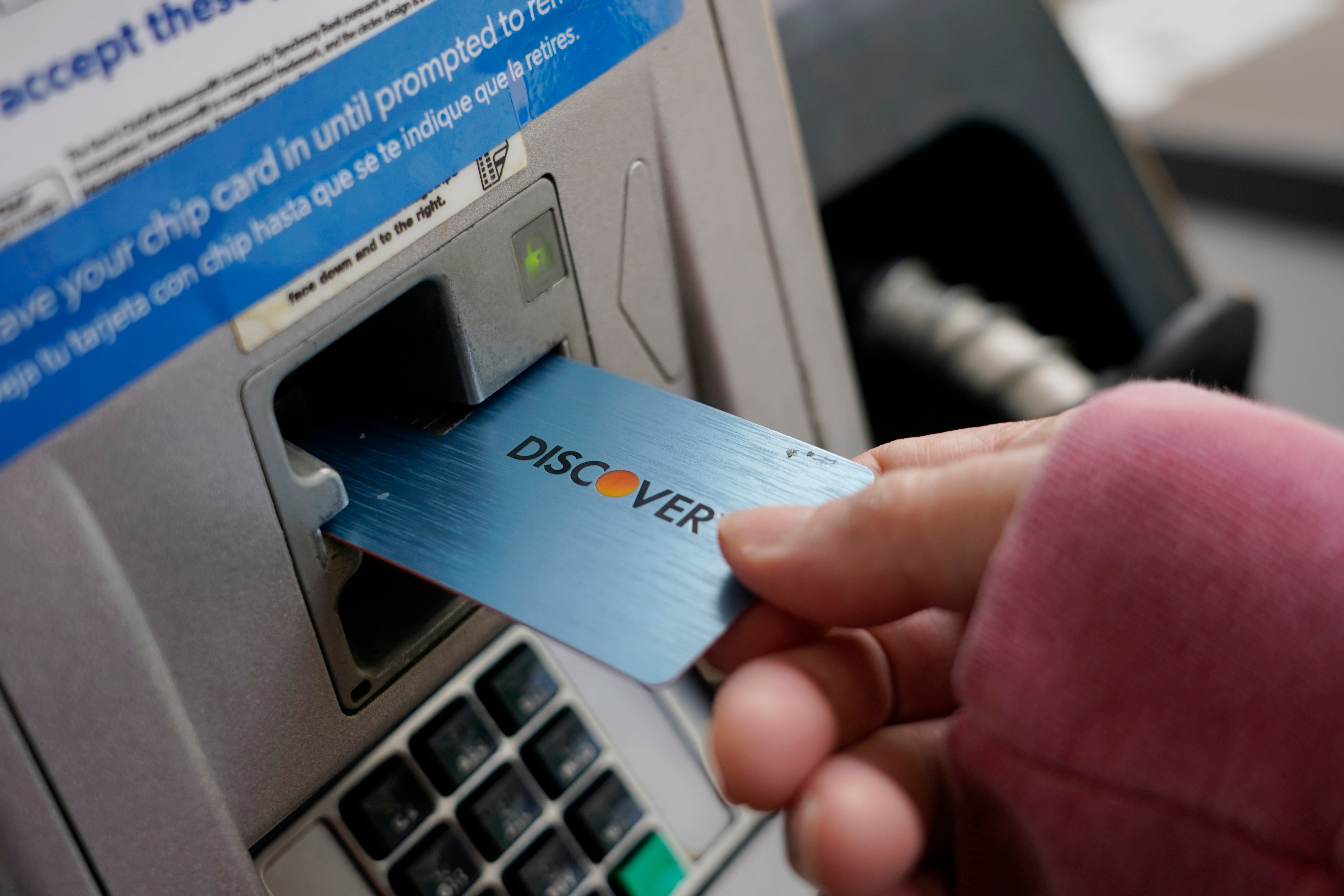
One of the card’s best beginner features is that users can get their deposit back if they make six consecutive on-time payments and have all other credit accounts in good standing:
- No late payments of more than 30 days
- No bankrutpcies
- No accounts written off as a loss for Discover because of your inability to pay (“charge off”)
- No repossessions
This structure encourages new users to pay all their accounts on time, a habit that’s responsible for 30 percent of the typical credit score.
“Your credit card should teach good behavior, so for beginners, that means one that makes responsible use feel natural,” Sahagun said. “This means manageable limits, a good mobile experience, and incentives that align with their day-to-day spending habits.”
An added benefit of the card is that it matches all the cash back you earn in the first year you have the card. So, if you earn $75 in Year 1, Discover will add another $75 in rewards for a total of $150.
Chase Freedom Rise
- Annual fee: None
- Late fee: Up to $40
- Annual percentage rate: 25.24 percent
The Chase Freedom Rise offers 1.5 percent cash back on most purchases, similar to what the QuicksilverOne provides.
The card offers one of the more competitive APR among beginner credit cards, but APR is only a factor if you don’t pay off your balance in full every month.

While the Freedom Rise is designed for those who are new to credit, it has one nuance: the applicant has to have at least $250 in a Chase checking or savings account to have a better chance of being approved. This is a great benefit if the applicant is already a Chase customer, but it might be a drawback for those who don’t have a qualifying Chase account.
That being said, the card meets all the requirements that John Taylor Garner, CEO of AI-based fintech rewards platform Odynn, has for a solid beginner credit card, according to
“A simple cash back card issued by a major credit card company is typically the best option for most individuals just starting out,” Garner told The Independent in an email. “Something with no annual fee and 1 [to] 2 percent cash back on everyday purchases is ideal.”
This article is sponsored by Credit Karma. We may earn a commission if you engage with their services using links in this article.
Still waiting for your state tax refund? This is why
Three common things retirees should remove from their wills
Three unexpected ways to get your personal finances under control
Inflation held steady in February, consumers brace for energy spikes due to Iran war
Elon Musk’s mother offers insight into world’s richest man’s simple living habits
Burger chain closes its last location after a decade in business