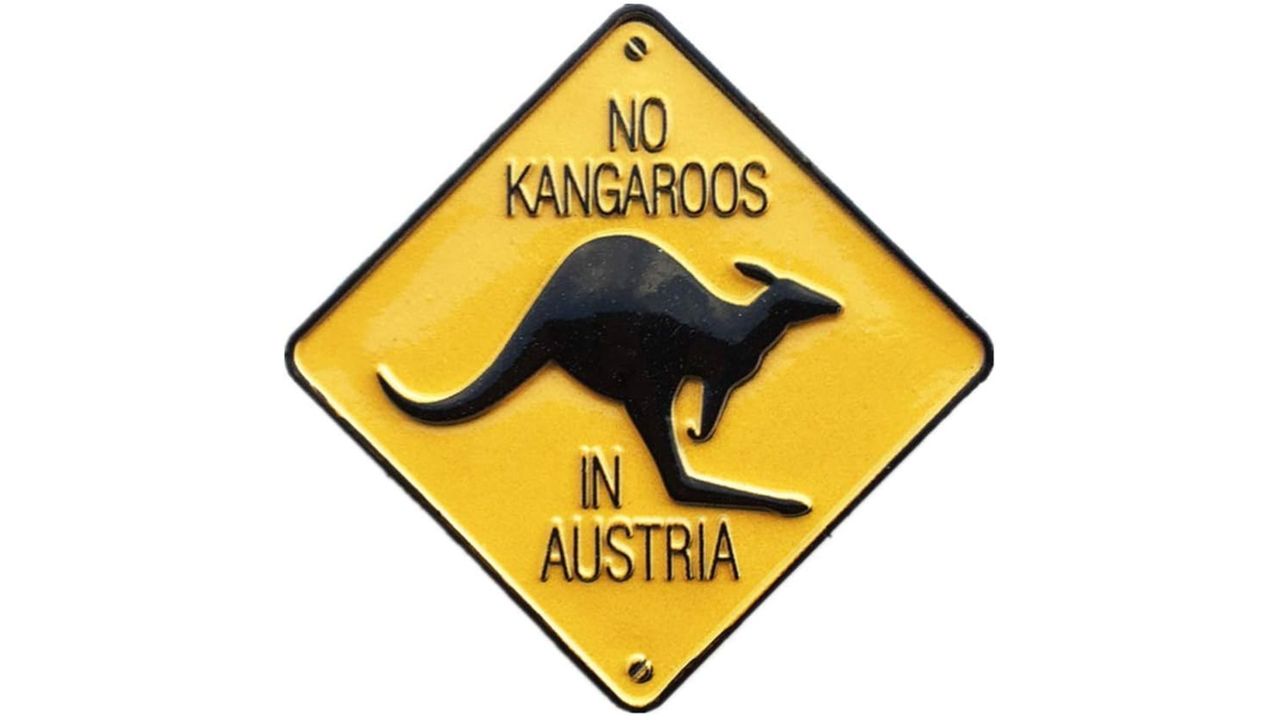
You've spent years perfecting the art of the brand. You know the frameworks, the positioning statements, the endless quest for authenticity. And then you land in Vienna, browse a gift shop, find yourself face to face with a fridge magnet that reads "No Kangaroos in Austria"... and something clicks.
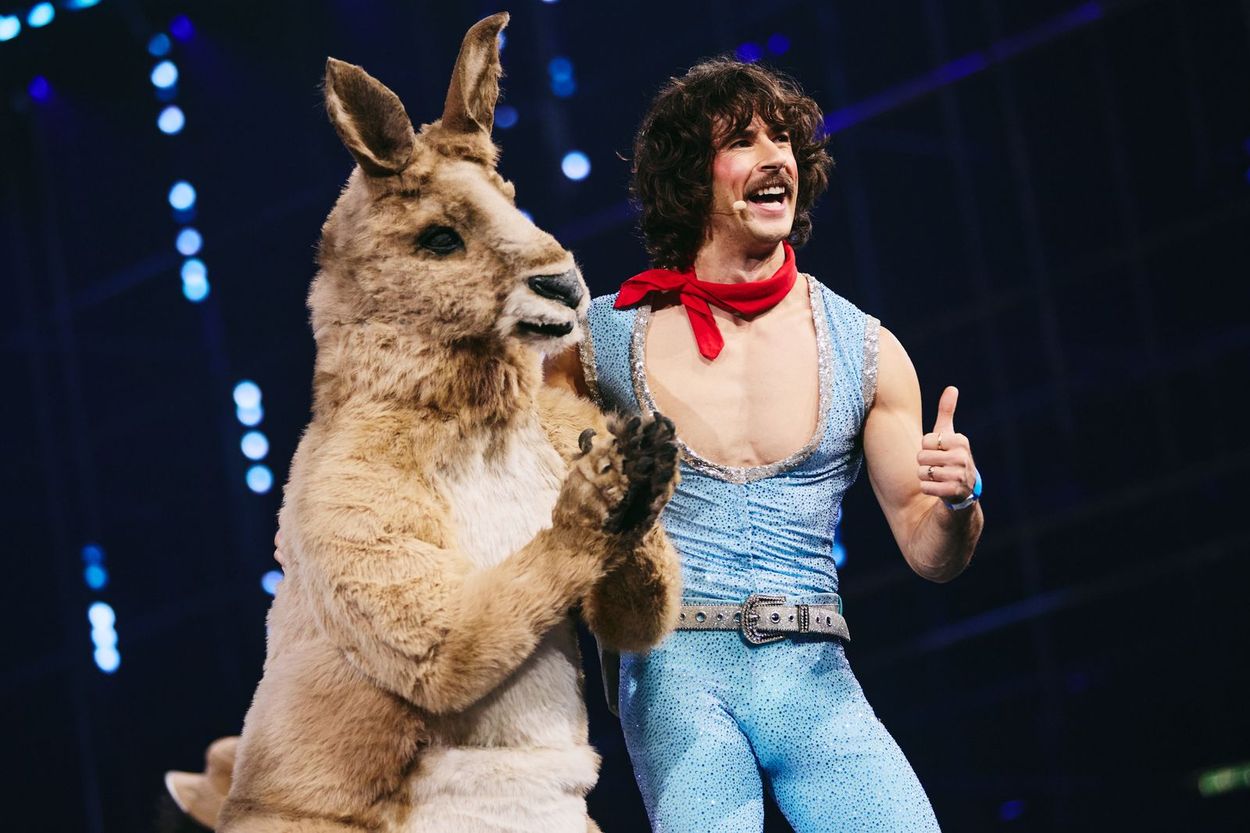
Because that magnet – whose iconic design even appeared at this year's Eurovision Song Contest – is doing something most carefully plotted brand strategies only dream of. It's funny, it's self-aware, it communicates an identity in four words, and it turns a shared piece of collective stupidity into something people actively want to own.
No focus groups, no brand consultants, no six-figure strategy document. Just a joke that happens to be true.
There's a lesson here that goes well beyond tourism. The most irresistible brands aren't always the ones that tell you who they are: they're the ones that acknowledge, cheerfully, what people think they are. And then they sell you the T-shirt.
Owning the joke
Austria's kangaroo problem stems from a simple, persistent confusion: in many places around the world, people genuinely mix up Austria and Australia. Rather than launch a correction campaign, Austrian gift shops leaned in. The result is an entire merchandising category built on a geographical misunderstanding, and it works because it flatters the buyer. You're in on the joke. You know.
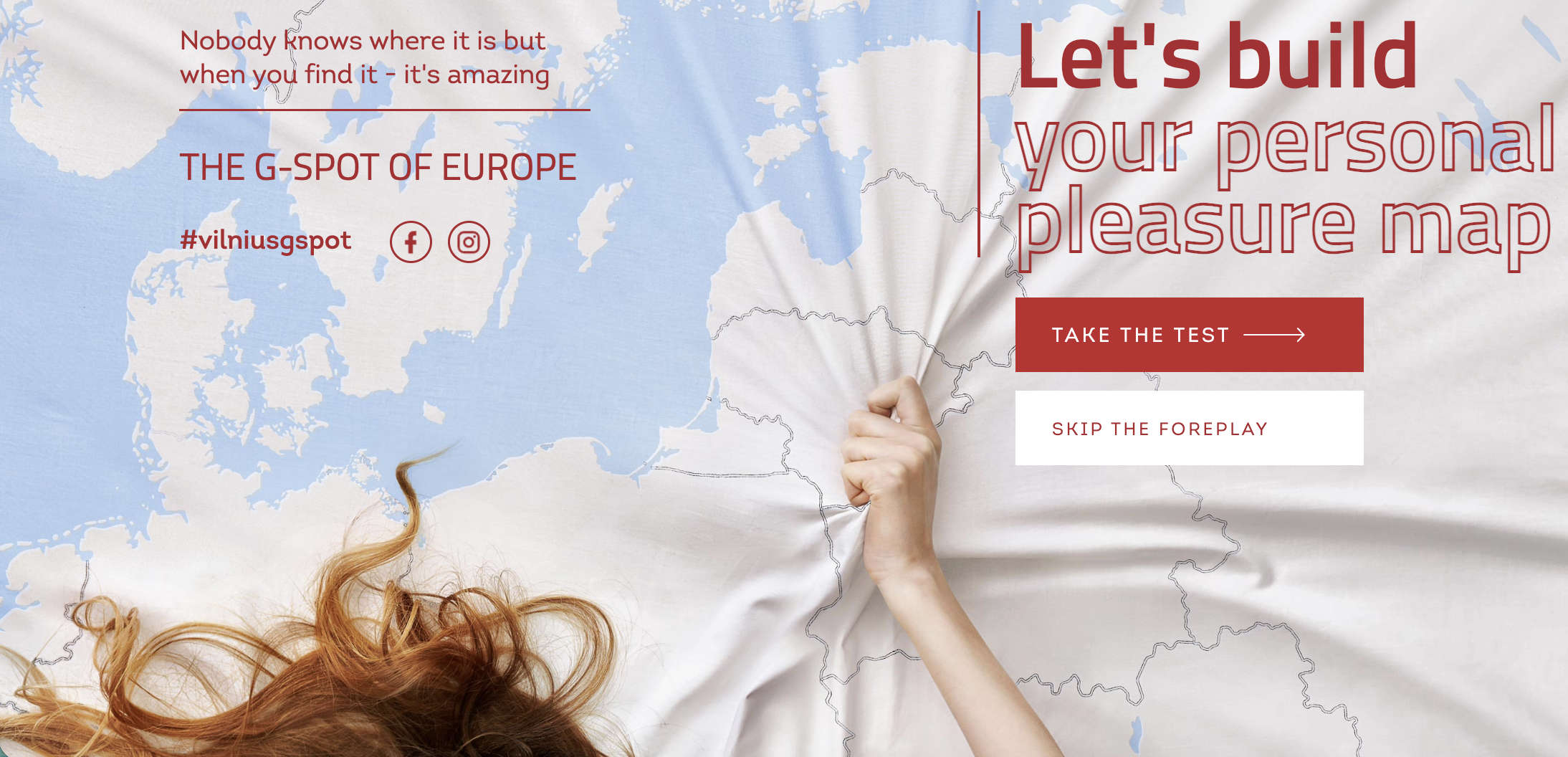
Vilnius did something similar, though considerably bolder. The Lithuanian capital ran an official tourism campaign with the slogan: "Vilnius: the G-spot of Europe. Nobody knows where it is, but when you find it, it's amazing." It was cheeky, self-deprecating and wildly shareable, and it turned the city's relative obscurity into a reason to visit, rather than a reason to scroll past.
Slovakia and Slovenia, meanwhile, have capitalised on one of geography's most persistent errors: the two countries are so frequently confused that, according to local lore, their embassy staff meet monthly to exchange each other's wrongly delivered mail. Whether or not that's entirely true, both nations have been smart enough to let the story run. It costs nothing and generates more goodwill than any paid campaign.
Of course, this is not a new phenomenon, as I was reminded on a recent trip to Panama. Walk through almost any market or tourist shop there and you'll find "Panama hats" everywhere, proudly displayed and enthusiastically sold. The irony is that Panama hats were traditionally made in Ecuador: they were simply shipped through Panama. Merchants saw the port stamp on the boxes and assumed the rest. Yet rather than fight the attribution, Panama embraced it. Ecuador, meanwhile, is still waiting for its moment.
More recently, Tourism New Zealand spotted a different kind of collective stupidity: the country's persistent invisibility on world maps. Despite being 10% larger than the UK, it's often been cropped out of projections entirely – even at the Paris Olympics. Their response was #GetNewZealandOnTheMap, a star-studded campaign that turned a cartographic slight into global coverage. They made the insult the headline.
Who's missing out?
The formula is simple enough: find the misconception, lean into it, monetise the self-awareness. So which nations are sitting on untapped comic gold?
Well, let's start with Canada, whose entire identity abroad is built around not being American. "Politely speaking, we're not the USA" practically writes itself. Belgium has spent decades being the butt of jokes across Europe, particularly from its French and Dutch neighbours; it could own that entirely, and probably should. And then there's my own nation of Great Britain, whose grandiose name – post-Empire, post-Brexit, post-everything – carries an absurdist weight right now. "We used to run the world. Fancy a biscuit?"
The key takeaway for creatives is this: audiences are drawn to brands that don't take themselves too seriously, because it signals confidence. It takes real security to say, yes, we know what you think, and here's a joke about it. And to my mind, that's not stupidity; that's the smartest thing in the room.