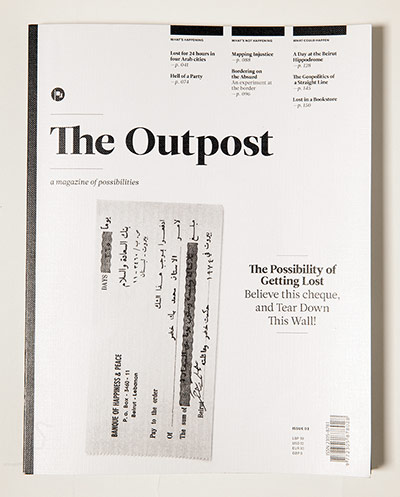
Only four issues old, this Beirut-based magazine already has media buzz, partly because of its creative, graphic focus on the Middle East. Editor-in-chief Ibrahim Nehme writes that “starting a liberal magazine in a region where censorship is intricately plotted is no easy business”. The Outpost is a reminder of the power of imagination to shift perspectives, with each issue on a different theme – the current issue’s is “the possibility of getting lost”. Illustration and photography are at the heart of things, and it’s why the Outpost feels like a successor to the Economist Photograph: The Outpost magazine
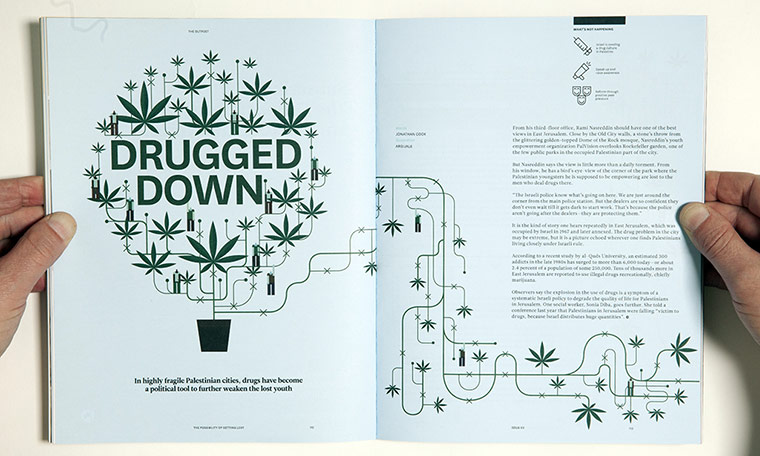
Illustration by Argi Jale on a feature about drug use in highly fragile Palestinian cities Photograph: The Outpost
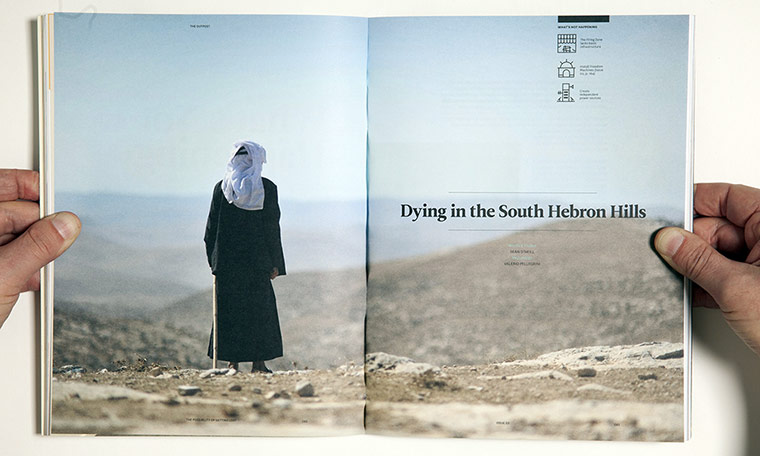
Photography from a feature about the South Hebron Hills and how because the Israeli army use it as a training ground the traditions of local people are being eroded Photograph: The Outpost
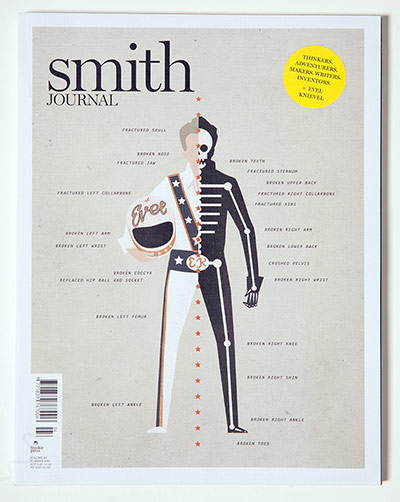
The Melbourne-based magazine for men is a brother of the much lauded Frankie magazine. Perhaps because all its senior staff are women, it doesn’t feel like a traditional men’s magazine. It mixes compelling pieces – such as an interview with photographer Simon Menner on his project using images from the Stasi archive – with considered design intelligence and smart visuals that push male emotional buttons. Its illustration commissions are often instant classics, such as issue nine’s Evel Knievel cover by David Lemm. Also featured: a pullout 1970s Knievel promo poster Photograph: Smith Journal
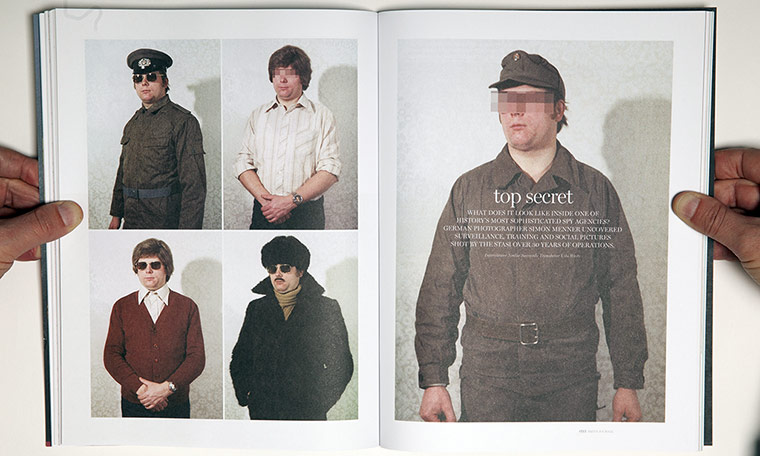
German photographer Simon Menner discovered these surveillance, training and social pictures shot by the Stasi over 30 years of operations Photograph: Smith Journal
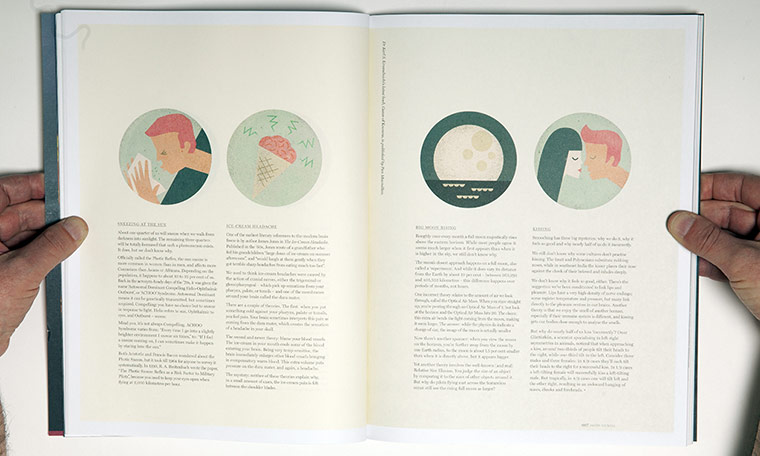
Beautiful illustration on a feature about subjects that science has yet to explain Photograph: Smith Journal
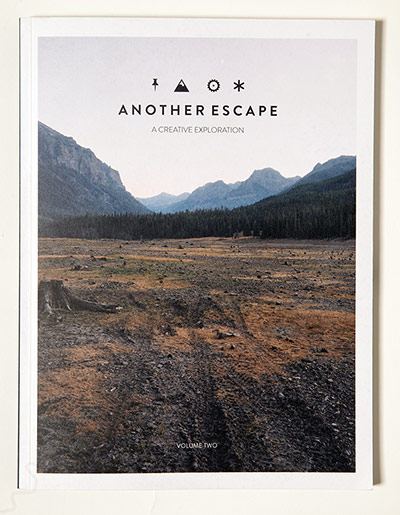
With only the strapline “A Creative Exploration”, the cover removes any text likely to get in the way of your own imaginative wanderings – photos of spectacularly rugged, textural landscapes that guide the reader into the magazine as a journey of ideas. The icons over the title reflect the content sections of the magazine: “Inspiration/Exploration/Process/Response”. It’s the reader as flâneur, with issue two featuring urban beekeeping in London, the new tango generation in Argentina and a short feature on the woad plant and blue pigment Photograph: Another Escape magazine
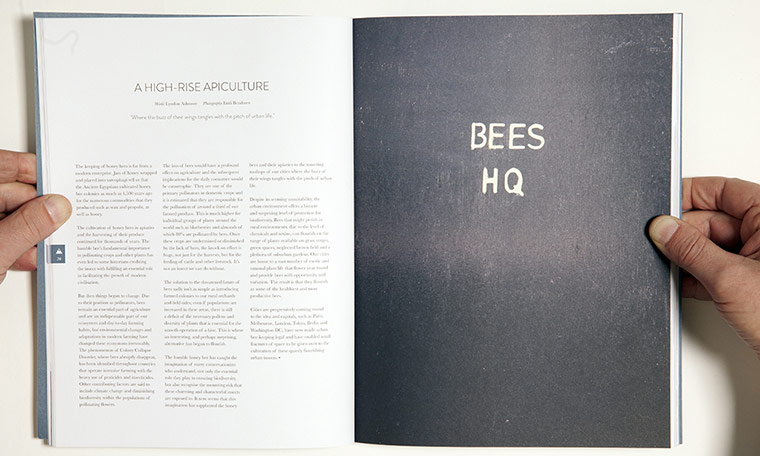
The opening spread to a feature about the keeping of honey bees in cities Photograph: Another Escape magazine
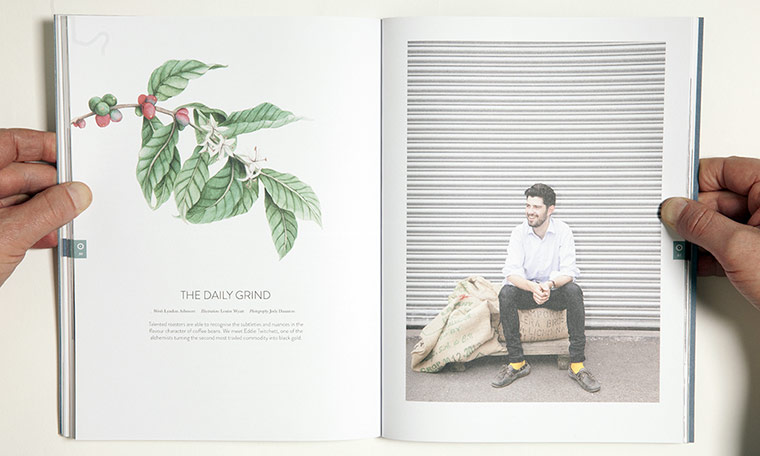
Portraiture and illustration combine on a layout for a feature about coffee makers Photograph: Another Escape magazine

“A Magazine of Unexpected Creativity,” says the cover, exploring the notion of design. Issue one highlights Mumbai’s dabbawallas, exploring the logistics behind the delivery of 350,000 lunches each day. Issue two features a photo essay by Belgian photographer Jessica Hilltout, who travelled across Africa documenting homemade footballs. Its intelligent blend of photography, editorial and design has a lightness of spirit reflected in its unfolded cover. The reveal is a giant rubber duck, floating in Victoria Harbour, Hong Kong Photograph: Works That Work magazine
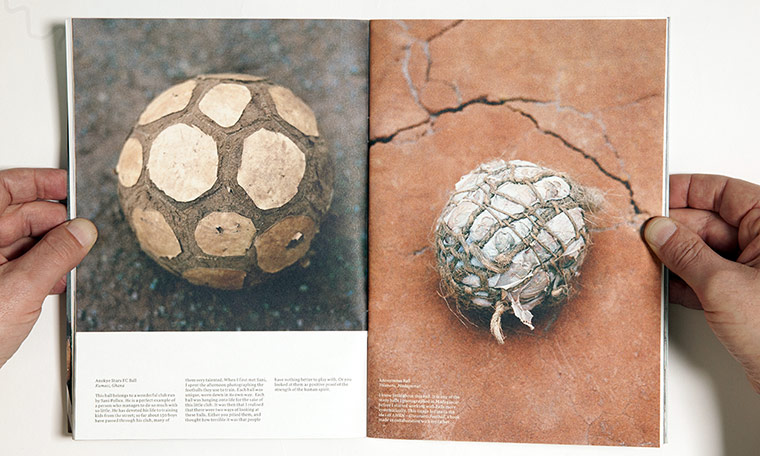
The beautifully shot work of Belgian-born nomadic photographer Jessica Hilltout. She documented hand-made footballs in a seven-month road trip across Africa Photograph: Works That Work
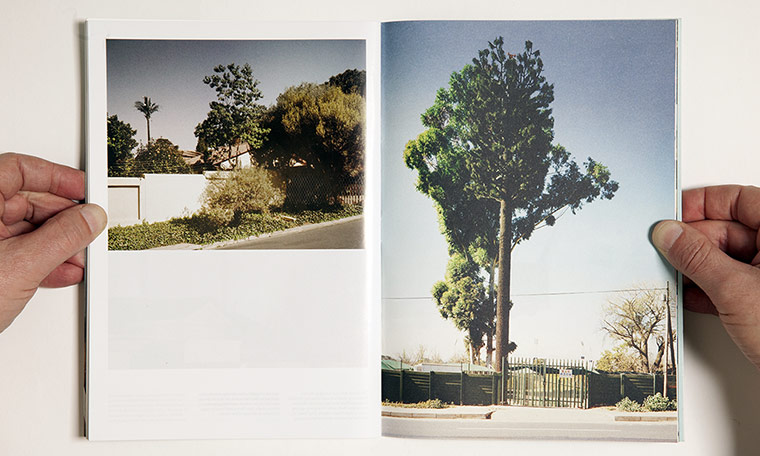
A spread showing a series of photographs of hidden mobile phone masts Photograph: Works That Work
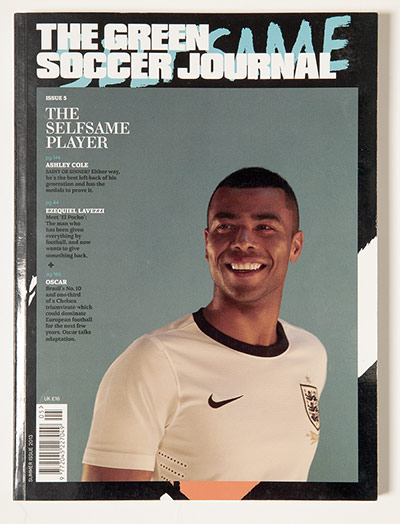
There’s been a wave of fascinating sports titles, from the US sports and culture magazine Victory Journal to new US soccer magazines 8by8 and the Howler. But the biannual Green Soccer Journal has a girth of 246 pages and some remarkable photo essays by the likes of Stefan Ruiz on the new England training centre at St George’s Park, and photo reportage on last year’s Bayern Munich v Arsenal Champions League game. No surprise: one of the co-founders worked as an assistant art director at Burberry. It’s lush. Football as the beautiful game Photograph: The Green Soccer Journal
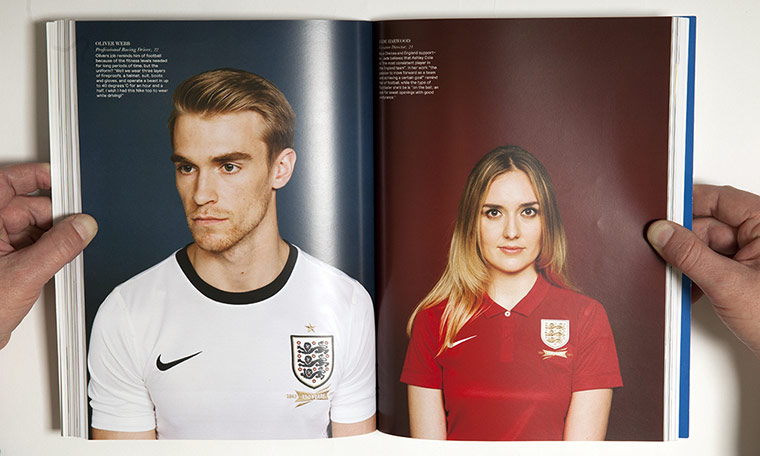
Work by celebrated photographer Stefan Ruiz at St George's Park, the England team training centre Photograph: Green Soccer Journal
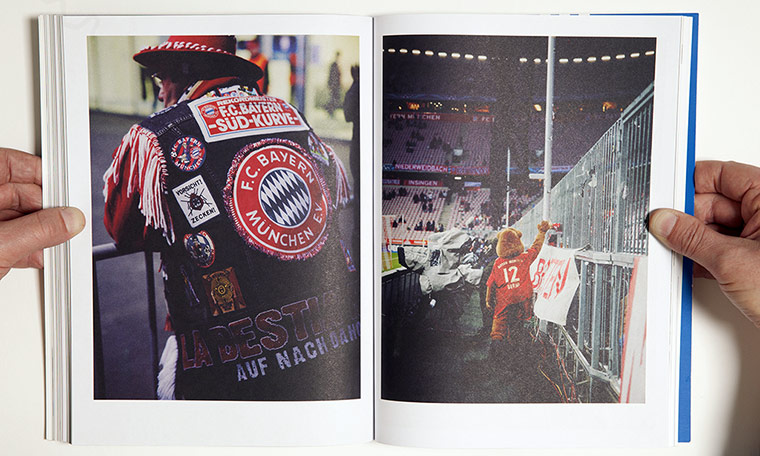
Photography by Devin Blair documenting a Champions League match between Bayern Munich and Arsenal in March 2013 Photograph: Green Soccer Journal
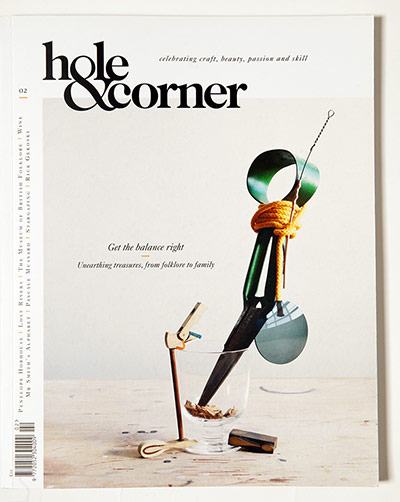
The magazine’s motto, “celebrating craft, beauty, passion and skill”, is supported by expansive use of photography and large letterpress characters signalling the start of each feature. Perhaps because its conception and content come from older, experienced journalists, it feels less like a burning youthful mission. The beige paper opening section includes the luxury of a feature explaining the letterpress wood, and a feature on Petit h (a division of Hermès, which makes new things from what Hermès discards) Photograph: Hole & Corner magazine
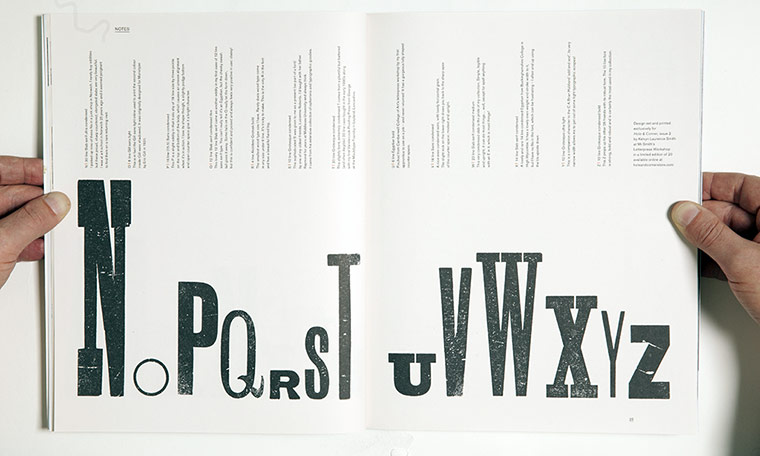
Some of the beautiful exclusive typeset designed for the magazine by Kelvyn Laurence Smith Photograph: Hole & Corner magazine
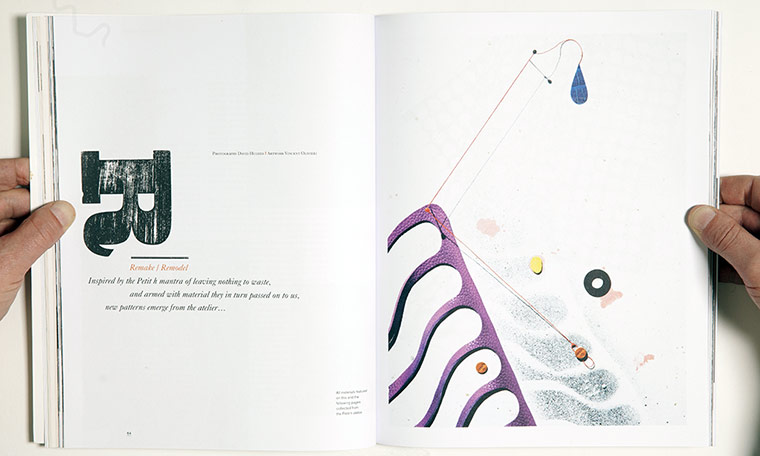
Materials such as pins and left-over leather from Petit h Atelier are arranged to form graphic images Photograph: Hole & Corner magazine
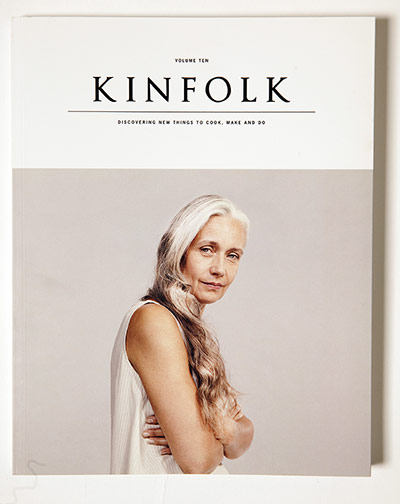
Produced in Portland, Oregon, Kinfolk’s 140 pages promise: “Discovering new things to cook and do.” Each issue is organised on a theme such as “Weekend” or “Japan”; the current issue 10 is on “the Aged”. The title Kinfolk, in its chiselled typeface, evokes a sensibility of food as ritual, a mediator of relationships. Recipes are driven by an idea, like the photo essay of birthday cakes celebrating milestone ages: the 100th birthday cake recipe takes its cues from the Waldorf pudding served to the passengers on the Titanic Photograph: Kinfolk Magazine
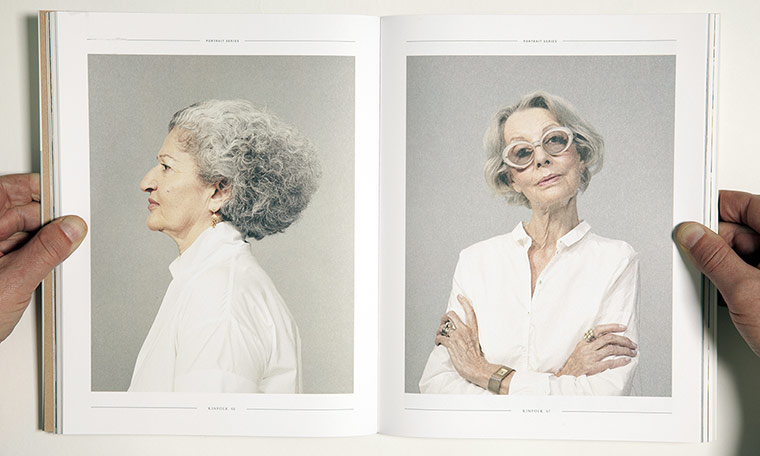
Part of a series of portraits by Neil Bedford on grey-haired women Photograph: Kinfolk Magazine
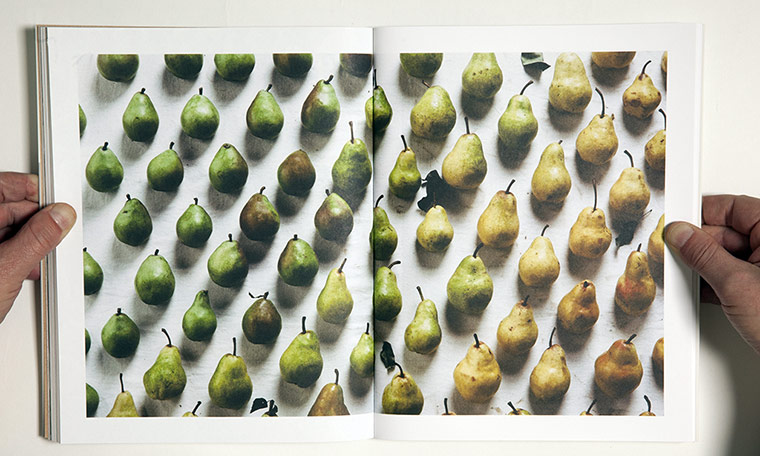
From an essay about fruit by Romy Ash, featuring photography by Parker Fitzgerald Photograph: Kinfolk Magazine
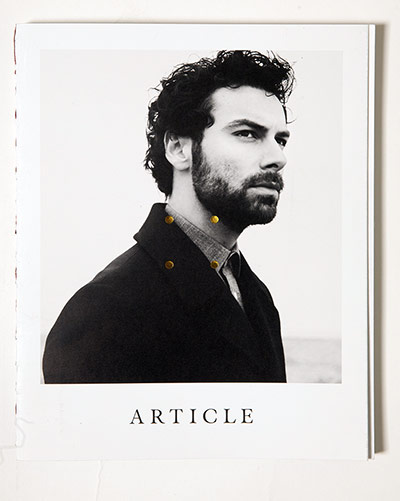
This feels like a handsome piece of tailoring. Creative director Kenny Ho’s CV includes working with Vogue – Kenny, you had us at the binding’s exposed stitching. Covering art, design and fashion, this is a celebration of all things British. With different paper stocks and playful use of transparent paper, it’s seriously tactile. Visual highlights include the rich cartoonish textures of artist Rose Wylie and a feature on barber shops with a mood-board display of photographer Ravi Juneja. But it’s the clever features that direct you in to its creative intelligence Photograph: Article magazine
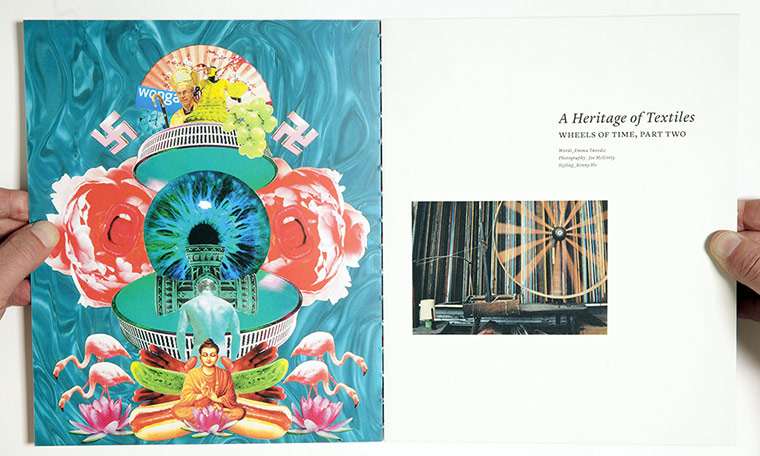
Elements of a specially commissioned photo-montage illustration by Richard Hoey are interspersed throughout the magazine Photograph: Article Magazine
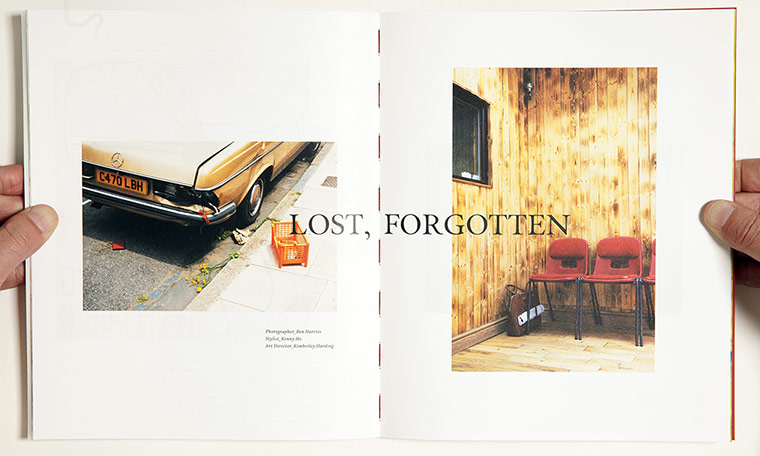
From a series photographed by Ben Harries in which fashion accessories look lost in public spaces Photograph: Article Magazine
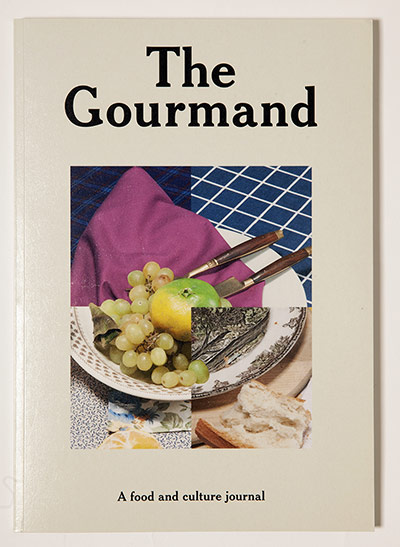
In the smorgasbord of good-looking indie food magazines, the Gourmand has carved that cultural space we never knew we wanted – avant-garde foodie-ism. Editorially experimental, visually conceptual, but highly accessible because of the sheer wit of its inventive features, the Gourmand offers surprising delicacies. Issue four highlights include a food take on the work of artist John Baldessari and a beautiful art-photo essay involving James Wannerton, of the UK Synaesthesia Association, for whom words and sounds are experienced as taste Photograph: The Gourmand magazine
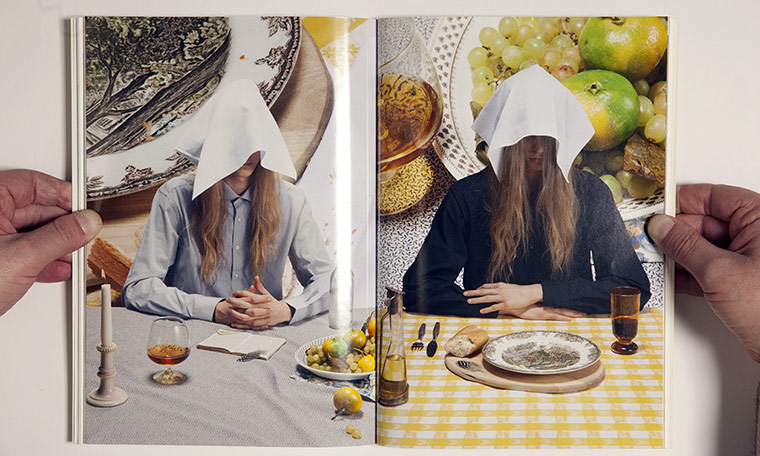
Artful photography and styling combine for a feature based on a folk tale where a bird is eaten under a handkerchief Photograph: The Gourmand
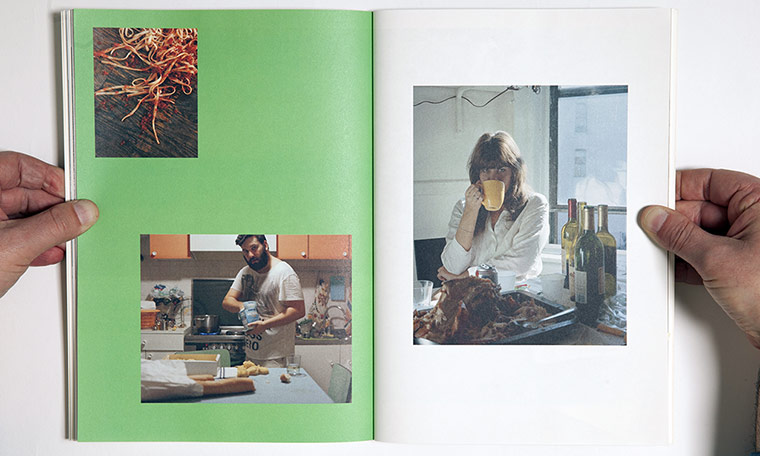
Layout for a photography-led story about a New York family originally from Italy Photograph: The Gourmand
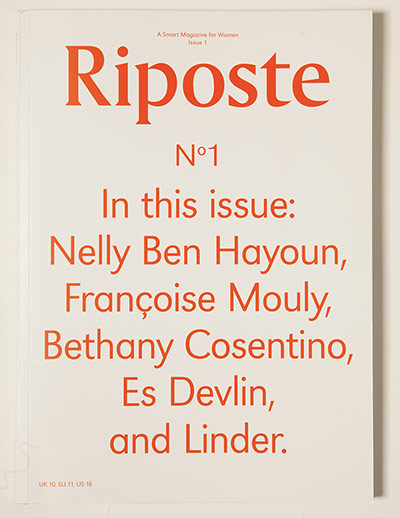
Billed as “A Smart Magazine for Women” – and just as Smith Journal doesn’t feel like a men’s mag, so the thoughtful intelligence of Riposte’s content means it doesn’t read like a typical women’s magazine. There’s a confidence that the list of names that make up the orange-type-on-white cover won’t frighten readers and instead might intrigue and provoke. Highlights include an article on women DJ producers and a feature on New Yorker art director Françoise Mouly. The mix of gloss and uncoated paper is a little extra-textural surprise Photograph: Riposte magazine
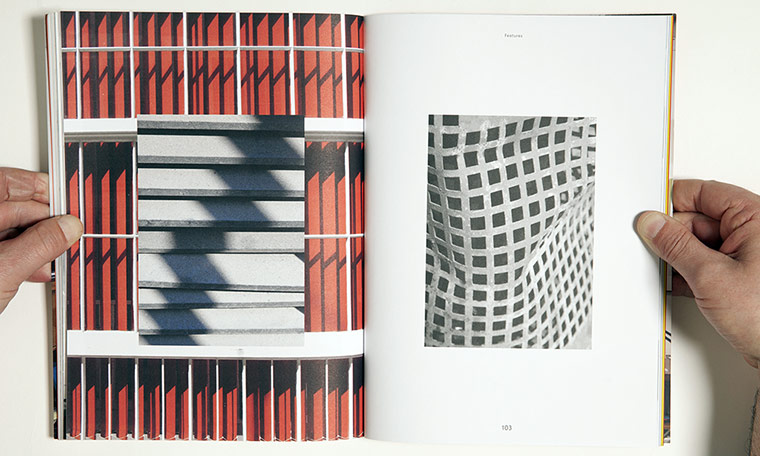
A feature on the work of creative organisation Patternity Photograph: Riposte Magazine
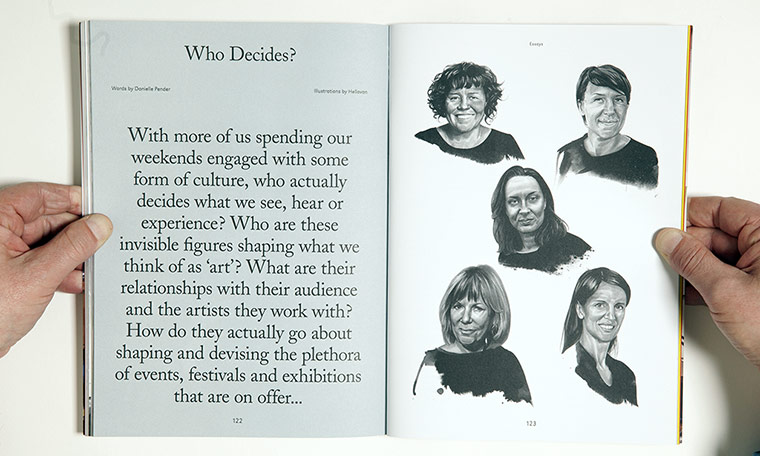
Illustrations of contributors to a roundtable feature on who decides what forms of culture we see on a weekend Photograph: Riposte magazine