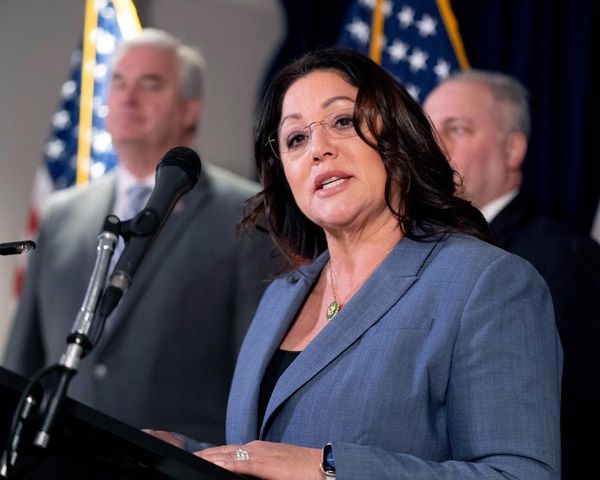
Susan Kozianski, 53, is a safety systems professional from Sydney, Australia.
Mariam Tokhi’s opinion piece for Guardian Australia, ‘Remembering fallen war heroes is insincere if it excludes those suffering today’ was the best article on the subject I have read. It reinforced and brilliantly articulated a view I have long held but been afraid to voice.

This year on Anzac Day, a national day of remembrance in Australia and New Zealand, Yassmin Abdel-Magied, who is a Sudanese-Australian TV presenter and social advocate, posted on Facebook: “LEST.WE.FORGET. (Manus, Nauru, Syria, Palestine … )”. Her comment was criticised on social media, and by the minister for immigration, Peter Dutton. Soon after posting the Facebook message, Abdel-Magied deleted it. “It was brought to my attention that my last post was disrespectful, and for that, I apologise unreservedly,” she wrote.
I was horrified by the behaviour of some media outlets over Abdel-Mageid’s update, but I was still inclined towards a view that Anzac Day should be apolitical. Through her article – which shared her own experience as an Australian, with first-hand relevant experience – Tokhi brilliantly articulated why that view is wrong. And I am ashamed to admit that it was only once I’d read it that the penny dropped for me.
Tokhi uses the furore over Abdel-Magied’s comment as the starting point for a discussion that takes the reader back to when, as a junior doctor in Victoria, the writer met a very ill, elderly man. He had worked as a war photographer in Sri Lanka; the photos had been confiscated years earlier – presumably because they did not portray war in the glorious light the authorities would prefer. The man showed huge compassion for Tokhi as someone with Sri Lankan and Afghanistani heritage, and in-depth knowledge of the desperate, brutal reality of conflict.
I felt so proud of the Australia that Tokhi represents. I was touched by the concern of the old man and sad that the voice of his generation is fading. More than anything I was concerned anew at the hijacking of our war remembrance for the promotion of other agendas.
Recently I have been thoughtful about the issue of remembrance in general and the sometimes grey areas that exist between the various ways to show respect. I find articles that relate a person’s first-hand experience very engaging and persuasive. Tokhi and the old man shared a bond of understanding over the suffering of her family that many of us — whether the boldly patriotic, or just those who have never experienced conflict — cannot really share. It made the penny drop that war remembrance, like war itself, has an unavoidable political element.
I was already very much a supporter of the Guardian and have actively lobbied friends and family with regards to the need to pay for and support our news sources. However, it has made me even more conscious of how great the need is in Australia, in particular for media outlets that give voice to a range of views and authors on subjects of public interest.