The Art of Thriving: Saatchi shows off nature at its best
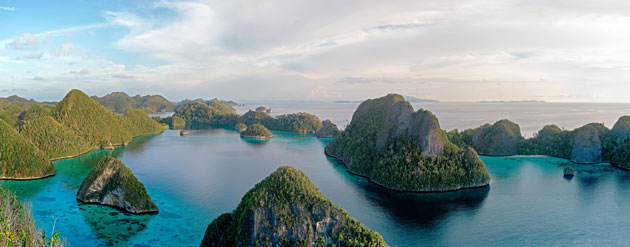
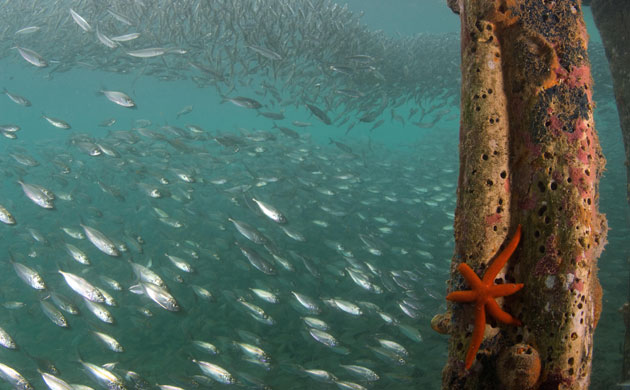
Wayag lagoon, Raja Ampat, Indonesia. Wayag is the site of one of the seven marine protected areas just declared by the Indonesian government in May 2007. There are 1,250 fish species and 600 hard corals; the greatest biodiversity concentration for a territory its size anywhere on earth. Wayag Lagoon in Raja Ampat, Indonesia, is one of several marine protected areas created thanks in part to Conservation International (CI's) rapid assessment programme (RAP). These surveys quickly document uncharted habitats to help prioritise areas for protectionPhotograph: Sterling Zumbrunn/CIRaja Ampat, Papua, Indonesia, has one of the most dense concentrations of marine life on Earth, with over 1,000 species of fish and 600 of coral. In one year, CI divers discovered more than 50 previously unknown species of shrimp, coral, and reef fish - an average rate of one per week. All this in an area about one-tenth the size of EnglandPhotograph: Sterling Zumbrunn/CIA pink anemonefish (Amphiprion perideraion) and its anemone hostPhotograph: Sterling Zumbrunn/CI
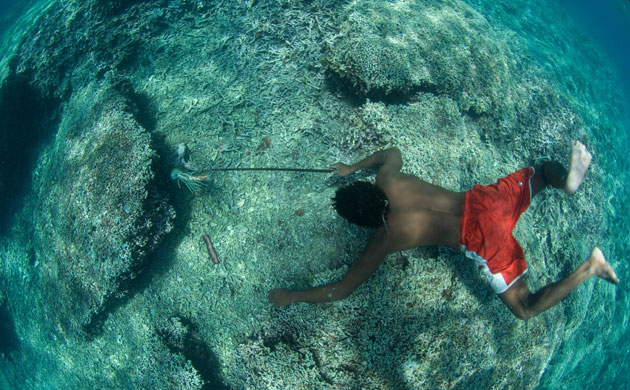
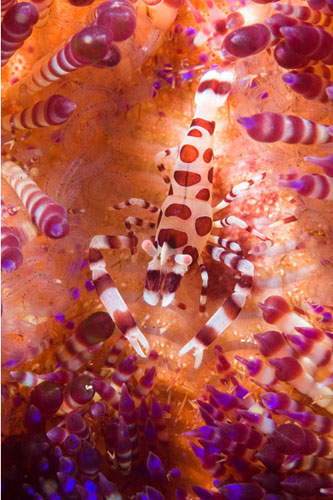
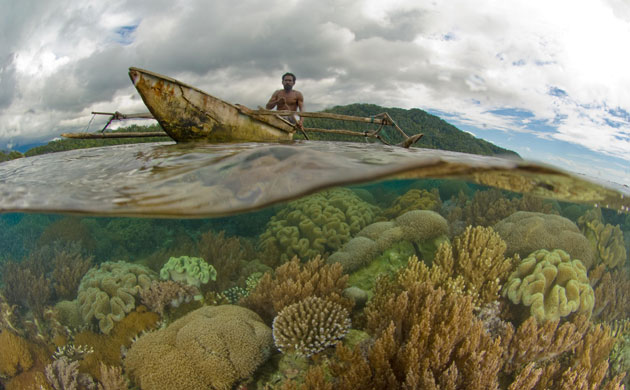
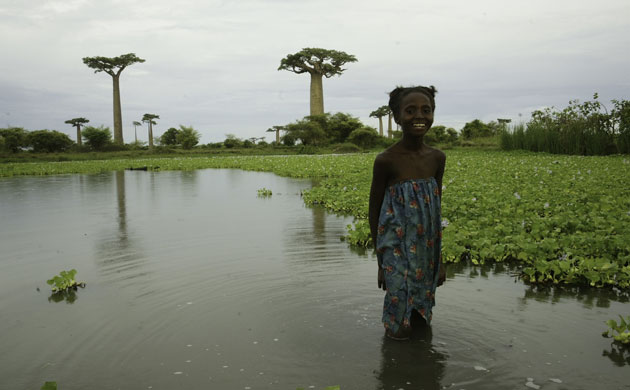
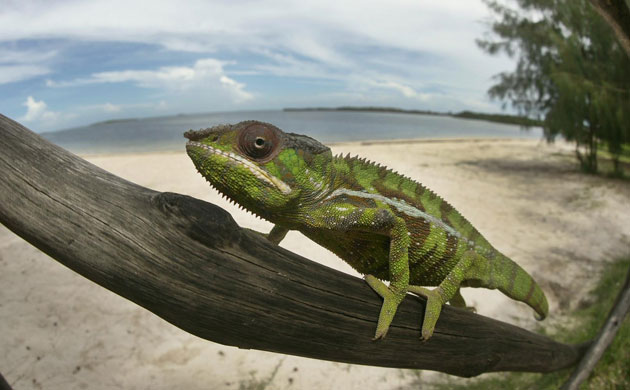
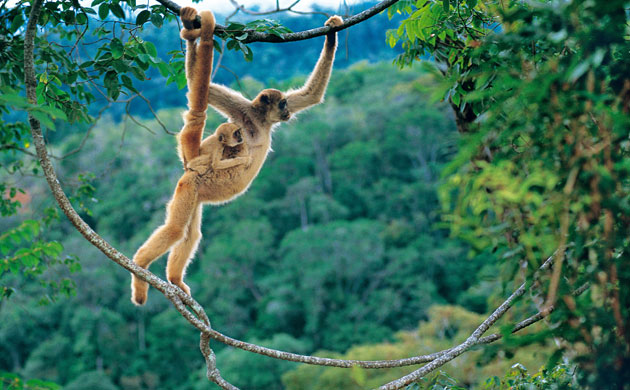
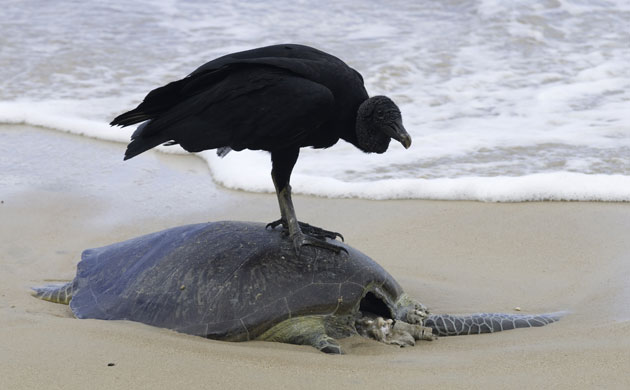
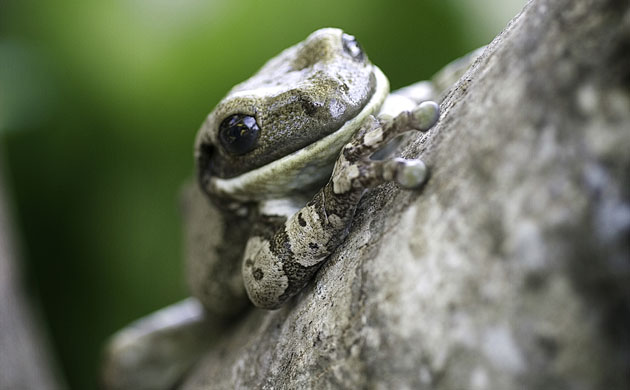
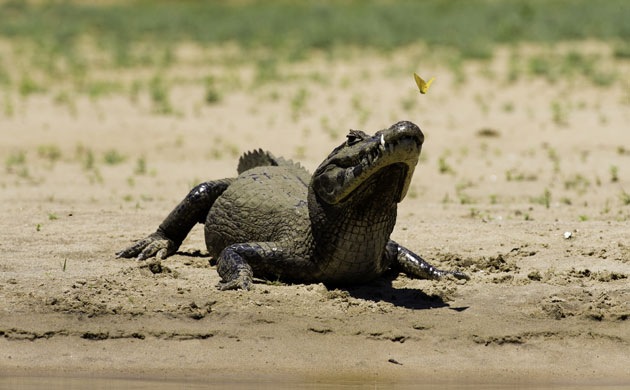
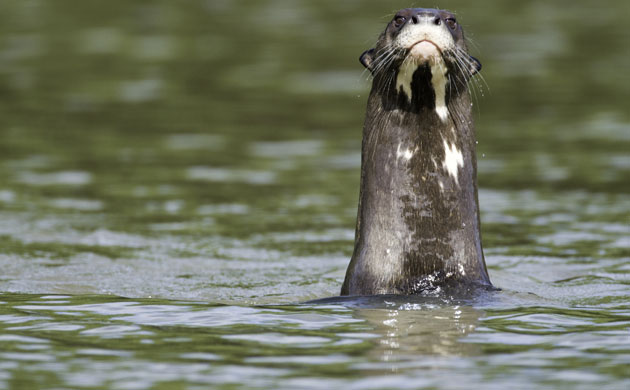
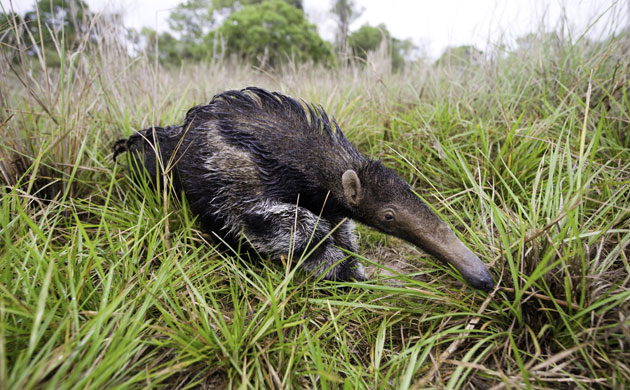
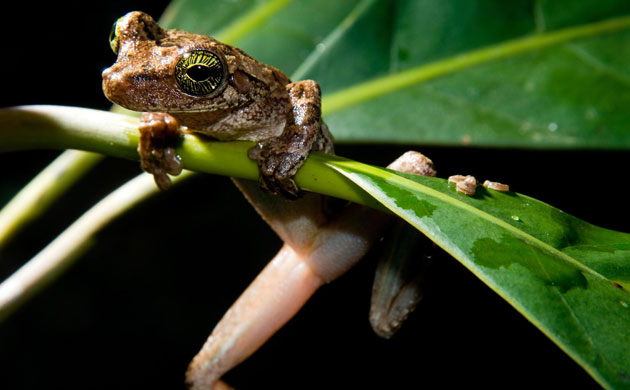
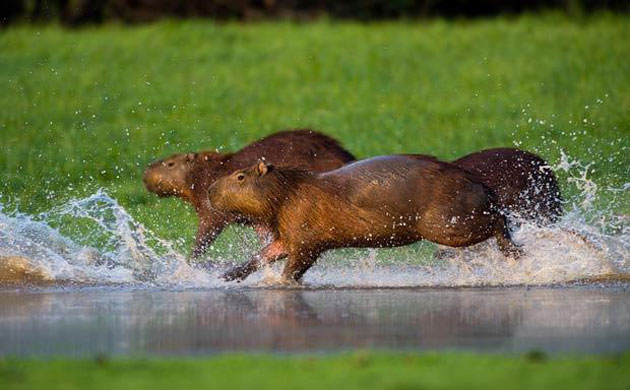
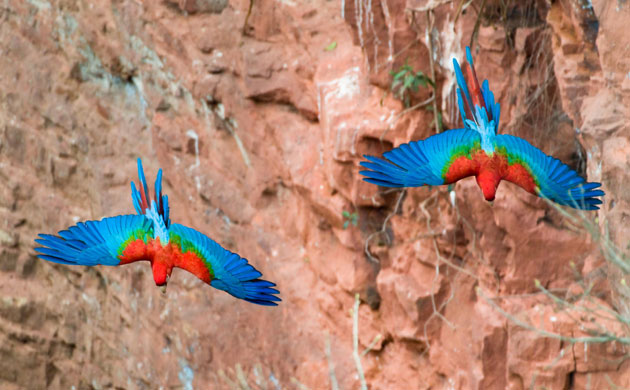
Close-up of the eyes of a peacock mantis shrimp (Odontodactylus scyllarus). These crustaceans have the ability of depth perception with a single eye, and sample their environment with many intricately coordinated eye movementsPhotograph: Sterling Zumbrunn/CIThis Coleman shrimp (Periclimenes colemani) snips off poisonous fire urchin spines to make a well protected habitat. While the Coleman is immune to the urchin's poison, their predators are notPhotograph: Sterling Zumbrunn/CIA community patrolman in his dugout canoe near the island of Batanta, Raja Ampat. Understanding the critical importance of coral reef habitats to the fisheries that sustain them, local communities in Raja Ampat patrol their own waters to protect against damaging cyanide and blast fishing practicesPhotograph: Sterling Zumbrunn/CIWater run-off from a sugar refinery threatens the extraordinary baobob trees (Adansonia grandidieri) of 'baobab alley', a major tourist attraction in Madagascar. While the water quality is fine, the trees can absorb too much water, which is bad for their health. CI is working with the refinery and rice farmers to rechannel water flowsPhotograph: Cristina Mittermeier/CIThe panther chameleon (Furcifer pardalis) of Madagascar loves sunbathing and enjoys eating cockroaches. Chameleon change colour for camouflage and to communicate. When carrying eggs, females turn dark brown or black with orange striping to tell males they aren't interested in mating. When two males come into contact, their colours turn brighter to assert dominance. Often these battles end with the loser retreating, turning drab and darkPhotograph: Cristina Mittermeier/CIThe northern muriqui (Brachyteles hypoxanthus) is a critically endangered woolly spider monkey of Brazil's Atlantic forest. Less than 1,000 remain. To help revive them and other unique species, CI helped create green corridors linking the remaining fragments of the Atlantic forest, to give animals a wider range to roamPhotograph: Luciano Candisani/CIA vulture sits atop a green sea turtle (Chelonia mydas) carcass. Sea turtles often die from ingesting plastic debris which they mistake for jellyfish, one of their common sources of food. Marine pollution is growing exponentially, devastating marine wildlifePhotograph: Sterling Zumbrunn/CIThis marbled tree frog (Trachycephalus venulosus) in Fazenda Rio Negro in the Brazilian Pantanal (a tropical wetland ecosystem) blends beautifully with its environment, though its spots have earned it the unflattering name, in some circles, of 'bird-dropping frog'. While able to hide from predators, it can't hide from the impact of deforestation. Inhabitants of the forest canopy, these frogs are rarely, if ever, seen on the groundPhotograph: Daniela Lerda/CIDespite its fierce appearance, the Pantanal caiman (Caiman yacare) is not dangerous to humans. Although crocodilians are difficult to see in most of the world, Pantanal caimans are commonly seen during daylight hours in groups of dozens, sometimes hundreds. After being threatened by hunting, they have made an extraordinary come back thanks to conservation effortsPhotograph: Luciano Candisani/CIThe giant otter (Pteronura brasiliensis) measures up to six feet, making it the largest member of the weasel family. Found in south American rivers and the Pantanal marshlands, snakes and piranhas are among its preferred food. Giant otters are highly sociable and monogomous, mating season-to-season with the same matesPhotograph: Luciano Candisani/CIThe giant anteater (Myrmecophaga tridactyla) is a solitary animal found in different habitats of the Pantanal, including grasslands and forests. Their long snouts give them a keen sense of smell, helping them to find insects. They especially like ants and termites and can eat up to 30,000 in a dayPhotograph: Luciano Candisani/CIThis handsome, slender legged treefrog (Osteocephalus), may be a new species. Discovered by CI scientists on a recent trip in the upper Amazon, researchers are still trying to verify if it has previously been identifiedPhotograph: Luciano Candisani/CICapybaras (Hydrochoerus hydrochaeris), like those featured here, are social animals typically living in groups of 20 to 30 in Panatanal in Brazil. Spanish settlers argued that because they spent so much time in the water, the church should classify them as fish so they could be eaten at Lent. While no longer considered endangered, they are a food source for many threatened species, such as jaguars, caimans, and various eagles. Hunting of capybaras for their meat, said to taste like pork, indirectly threatens other lifePhotograph: Luciano Candisani/CIThe Pantanal tropical wetland system in Brazil is home to over 1,000 species of birds, such as this red and green macaw (Ara chloroptera). Unlike the dense forest canopy of the Amazon, the Pantanal's open environment makes wildlife viewing much easier. This is one reason CI promotes ecotourism in the region as an important alternative to environmentally destructive forms of developmentPhotograph: Luciano Candisani/CI
Sign up to read this article
Read news from 100’s of titles, curated specifically for you.