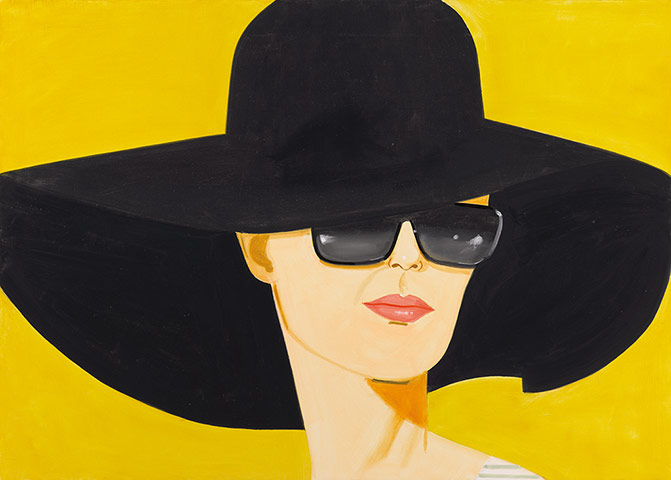
Alex Katz was born in 1927 to Russian Jewish parents and raised in Brooklyn and Queens
Photograph: Alex Katz/VAGA/Galerie Thaddaeus Ropac
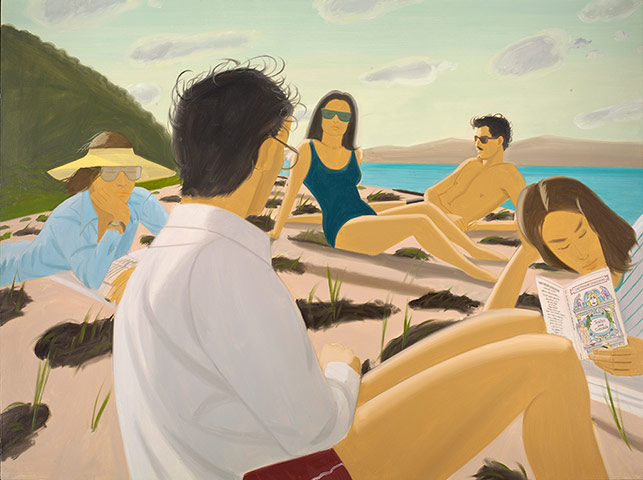
At art school in Maine he discovered his love of strong colours and outdoor scenes Photograph: Los Angeles County Museum of Art / Licensed by VAGA, NY
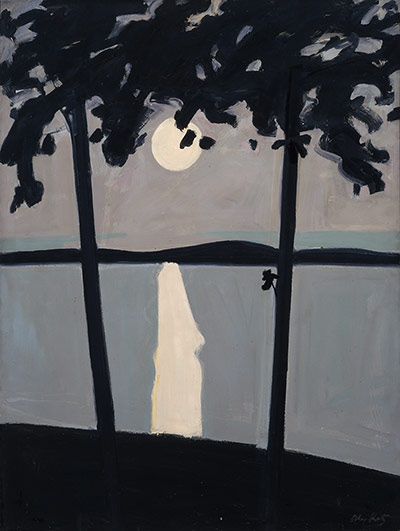
Katz initially had trouble making a mark on the art world at a time dominated by abstract expressionism Photograph: Alex Katz/Licensed by VAGA, New York, NY
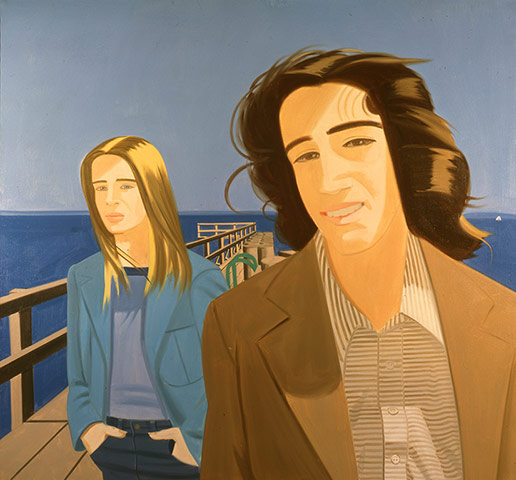
Rather than change course, he found friends and allies in poets – Frank O'Hara, James Schuyler, the dance critic Edwin Denby – and other painters, such as Larry Rivers, who had also returned to figuration Photograph: Alex Katz/Licensed by VAGA, New York, NY
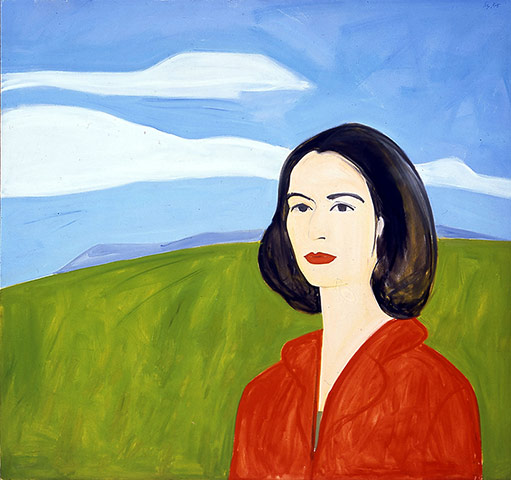
As his career progressed, Katz's paintings grew – this image of his wife Ada is almost two metres square
Photograph: Alex Katz/VAGA/Galleria Monica De Cardenas
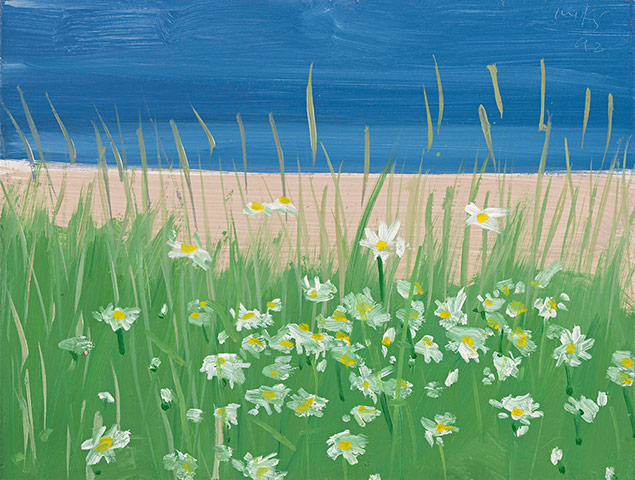
Later paintings grew to the size of billboards – the Tate St Ives retrospective, Give Me Tomorrow, takes its title from a billboard he designed for display in New York in 2005 Photograph: Alex Katz/Licensed by VAGA, New York, NY
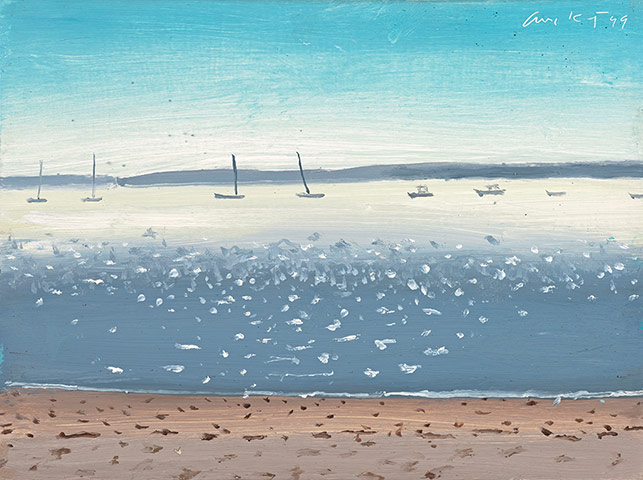
Katz's more recent landscapes and seascapes invoke east Asian practice, using single brushstrokes to connote harmony as well as immediacy Photograph: Alex Katz/Licensed by VAGA, New York, NY
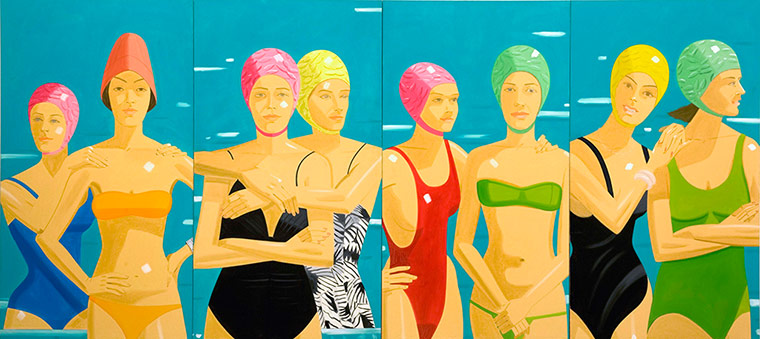
Despite its bright colours and flat surfaces, Katz wouldn't describe his work as 'pop art' – even his most media-saturated work has quiet and subtle qualities Photograph: Private Collection, Courtesy Galeria Javier Lopez, Madrid / Alex Katz/Licensed by VAGA, New York, NY