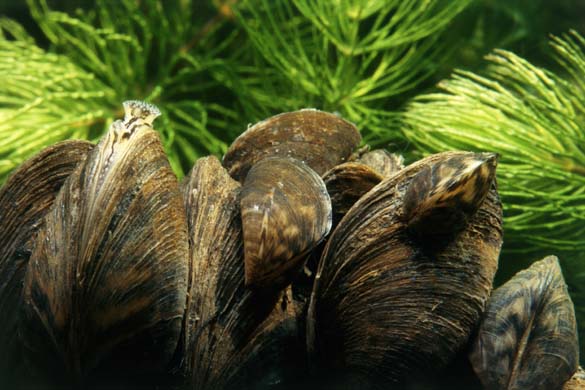
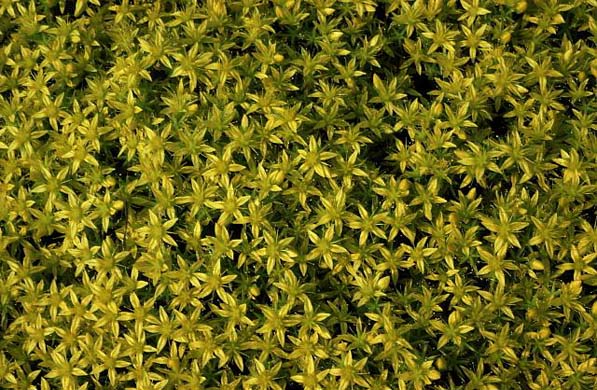
American mink: the bully of the inland waterway, mink are often mistaken for otters but are smaller and far more aggressive. An efficient predator, this menace - brought to Britain in 1929 for commercial fur farms – has a score to settle and will greedily dine on a variety of waterway natives, including fish, birds, invertebrates and Wind in the Willows’ favourite, the water volePhotograph: James Hager/GettyZebra mussel: These stripy stowaways landed in Britain’s waterways on the hulls of ships from Eastern Europe and decided to stay. Growing up to 5cm long, the nautical nuisances reproduce rapidly and form large colonies that attach to almost any submerged hard surface, impeding the smooth running of canal gates and sluicesPhotograph: Wil Meinderts/GettyAustralian swamp stonecrop: sold in garden centres as an ‘oxygenating plant’, rapidly growing stonecrop can quickly smother native vegetation. Spreading across the country since the 1970s, this yellow- and green-stemmed nasty can re-grow from tiny fragments and lives in a variety of habitatsPhotograph: Roger Tidman/Corbis
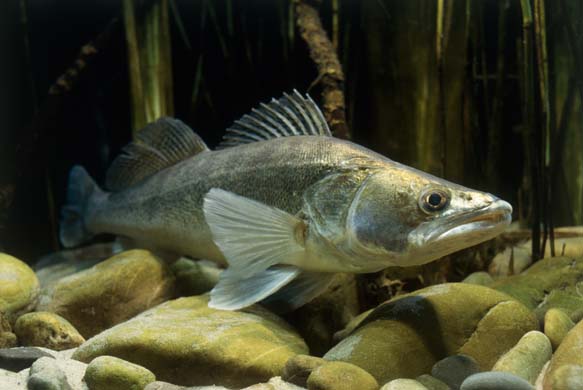
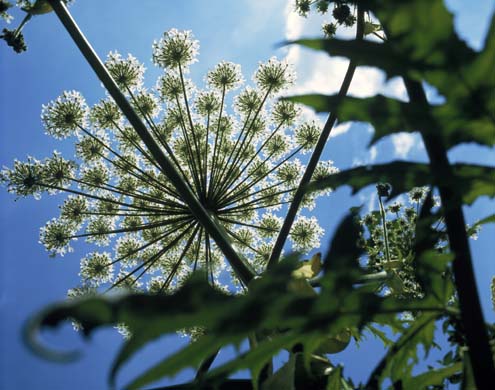
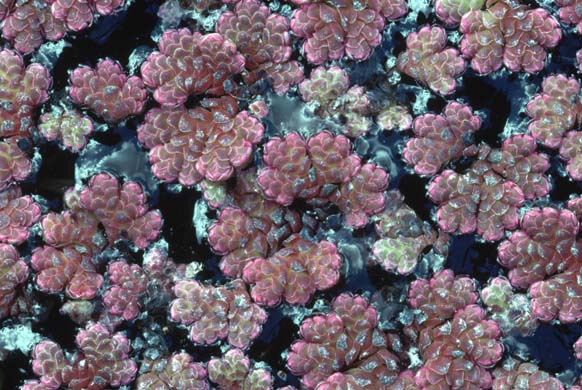
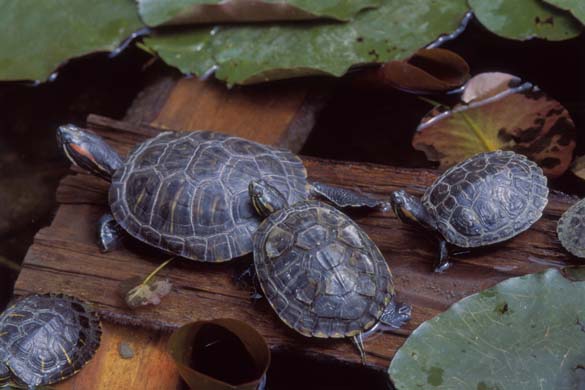
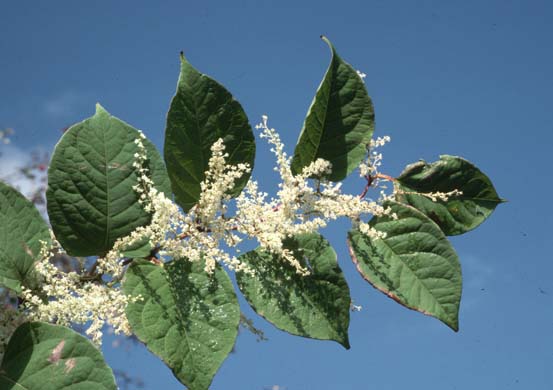
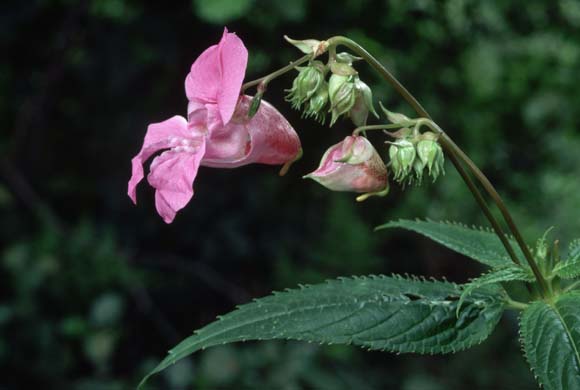
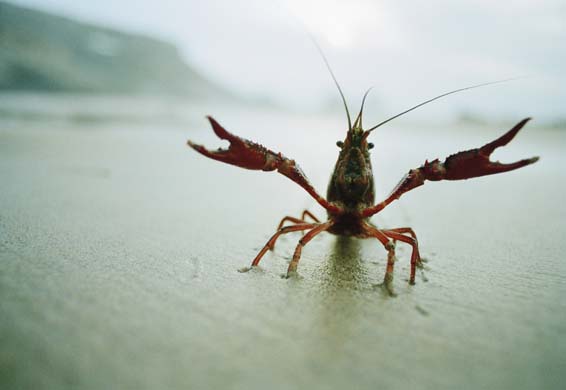
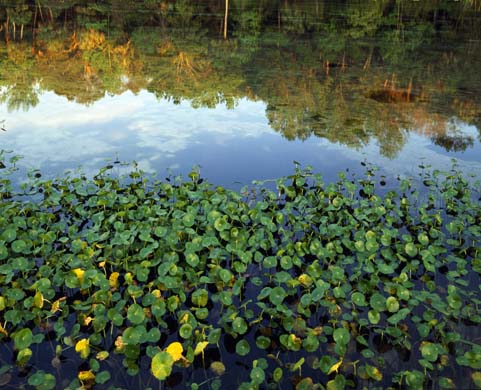
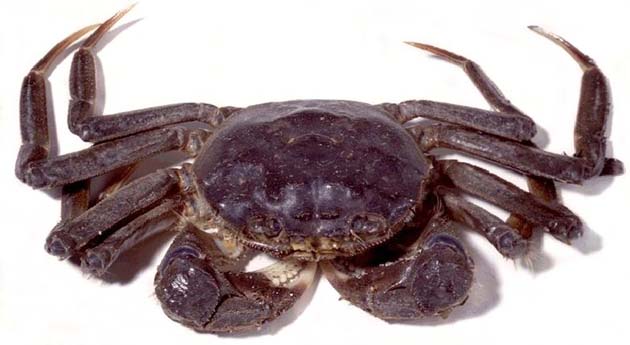
Pike-perch or zander: this wide-mouthed predator has excellent vision and fang-like teeth, which it uses to eat native fish and steal their food. Highly adaptable, this voracious carnivore has now spread and thrives in large, slow-flowing waters in central EnglandPhotograph: Wil Meinderts/GettyGiant hogweed: this former ‘beauty queen’ of 19th century ornamental gardens, now found along waterways and areas of wasteland, grows up to 5m high. This dangerous, dark green giant produces thousands of seeds and can shade out other plants, increasing the risk of bank erosion. It also contains sap that can burn the skin when exposed to sunshinePhotograph: Werner H.Mueller/CorbisWater fern The popular pond plant is also known as fairy fern but there is nothing ethereal about this floating fiend, which forms dense mats of vegetation on the water's surface that may pose a hazard by appearing solid. Able to withstand British winters and invade a region very rapidly, it can reduce light beneath the surface, killing native plants and causing de-oxygenationPhotograph: Tony Wharton/CorbisRed-eared terrapins: Britain’s inland waterways were a safer place for bird eggs and insect larvae before these terrors came along. Brought to Britain from the United States as pets, they can live for 25 years and are often dumped in the wild when they grow too big or their owner gets boredPhotograph: Michele Lamontagne/GettyJapanese knotweed: one of the most invasive weeds in Britain, its dense growth crowds out native vegetation, erodes riverbanks and causes structural damage. Growing up to 3m high, this horror is common throughout Britain and can regenerate from tiny fragmentsPhotograph: Ian Rose/CorbisHimalayan balsam: despite its soothing name, this densely growing pink and red-stemmed brute has an antisocial habit of projecting its seeds up to four metres away, allowing it to stifle native grasses and plants in its path. It dies back in autumn but its destructive legacy lives on as it leaves waterway banks vulnerable to erosionPhotograph: Tony Wharton/CorbisAmerican signal crayfish: found throughout England, these brash 15cm-long beasts are aggressive, breed faster than the native species and damage banks with their burrowing. They also carry a fungal disease, crayfish plague, which is harmful to native species in the UKPhotograph: Ragnar Schmuck/GettyWater pennywort: This fleshy-stemmed plant uses its roots to interweave a floating mat of lush foliage. But don’t be fooled by this former resident of tropical aquaria and garden ponds, this plant is a real problem – it grows very rapidly in late summer and is responsible for choking waterways, crowding out native plants and taking oxygen from fish and insectsPhotograph: Jeff Foot/GettyChinese mitten crab: named after their white-tipped claws, these 8cm-long Asian crustaceans have a voracious appetite for almost anything that gets in their way. Their extensive burrowing damages canals, drainage embankments and structures – mostly in London, where they were found more than 70 years agoPhotograph: Public domain
Sign up to read this article
Read news from 100’s of titles, curated specifically for you.

,-5989.jpg)