Home quarantining is being touted as the way forward as the country grapples with the burgeoning return of overseas Australians and the risk of further hotel outbreaks of Covid.
But in the ACT, where a full year has passed since the last case of community transmission, the concept has been quietly, and successfully, under way since the deadly virus first arrived in March last year.
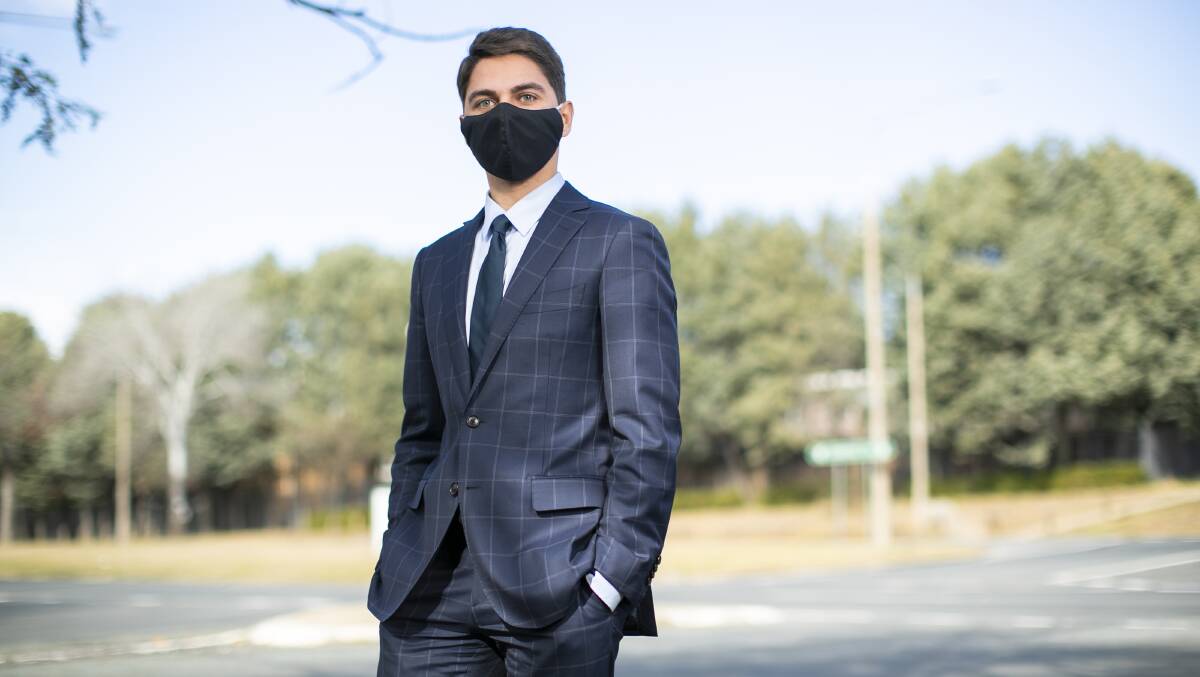
Russian diplomat Alexey Katkov, who has quarantined at home in Canberra three times in the last 16 months, is one of nearly 2200 diplomats and government officials from more than 100 countries to do so in the capital.
He returned from a three-week holiday in Moscow in November. He has also done two working day-trips to Japan, flying out in the morning, having meetings in the Russian embassy in Tokyo and then back in the evening.
Each time, he has landed in Sydney and been met by an embassy driver to take him straight to his apartment in Forrest.
He's then done the 14-day quarantine alone.
"I sat in the back of the car and wore a mask and gloves," he said.
When diplomats land from abroad, they go into the same queue as everyone else but when they reach the Border Force officials, they say who they are and present a letter from the Department of Foreign Affairs and Trade.
They are then tested and allowed to go on.
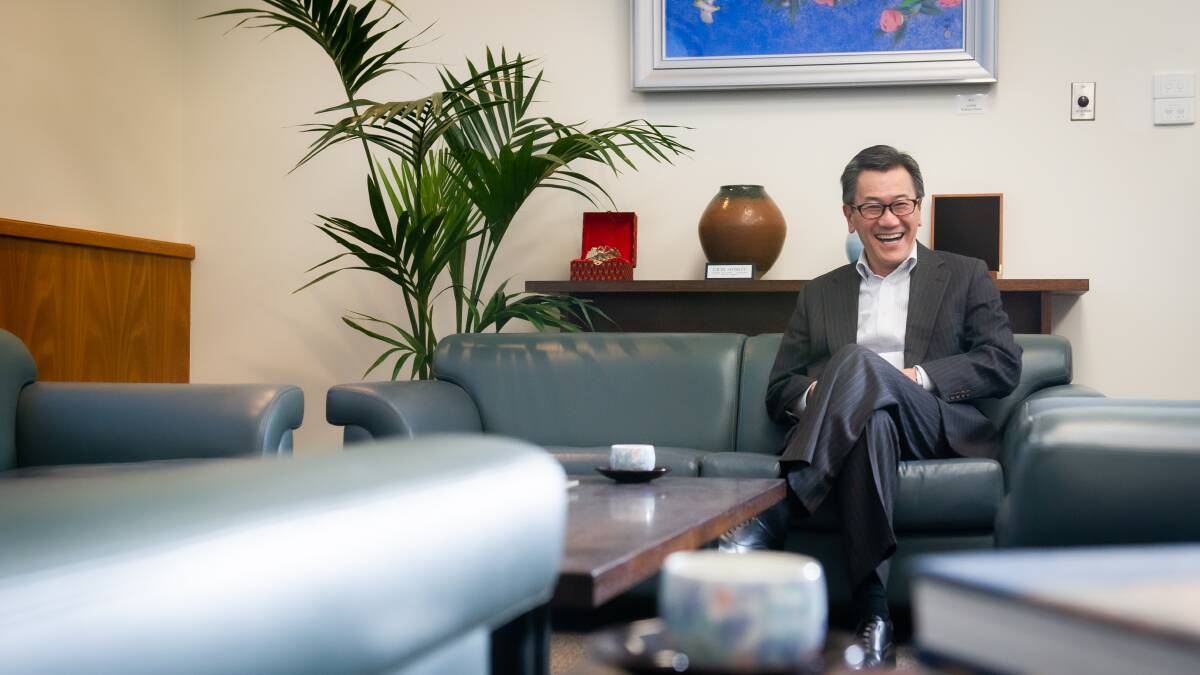
Japanese Ambassador to Australia Shingo Yamagami said the necessary process he, his wife and their chef were subject to had made his welcome to the country in late 2020 a cold and lonely one.
"I didn't have anyone to receive me [at the airport] - I felt really isolated," he said.
He joked he felt embassy staff treated him like "dirty laundry" for those 14 days he was confined to his Yarralumla residence.
"Joking aside, Australia is doing an exemplary job and I was lucky I could do quarantine in my residence with my wife and chef," he said.
More than half of the foreign diplomats who have returned to Australia since March last year have completed their home quarantine in Canberra.
An ACT Health spokesperson confirmed 1339 diplomats and family members and 851 Australian government officials had completed home quarantine in the territory.
There are currently 60 diplomats and their families - and 20 Australian government officials - in quarantine.
Over that period, there have been five COVID-19 cases reported in returned diplomats in Canberra.
Diplomats are exempt from hotel quarantine, as Australia has a legal requirement under the Vienna Convention to allow them freedom of movement and protection from detention.
A Foreign Affairs spokesperson said the process was subject to "rigorous controls" by health authorities and was "provided on a reciprocal basis; and frees up government-managed quarantine places to enable more Australians to return".
Much like anyone under quarantine, diplomats are regularly tested for COVID-19, contacted by ACT Health and face random check-ins from police.
They will be tested at the airport on arrival into Australia, on the first or second day at their residence and again on day 12.
A specialised team within the Australian Federal Police, the Security Investigation Diplomatic Liaison team, conduct random checks on diplomats both in-person and on the phone.
"The penalties are the same for all people, which is up to $8000," an ACT Health spokesperson said.
"Overall, diplomats and their family members have been compliant with the quarantine requirements."
Mr Yamagami said he received questions every day from ACT Health about his physical and mental wellbeing.
On one day, towards the end of the two-week period, he recalled telling them he was feeling very constrained and isolated and was quickly phoned up for wellbeing check.
"I had a questionnaire every day of quarantine," he said. "They treated me really well."
Mr Katkov faced a similar situation with regular check-ins by officials. If he didn't respond to the questions, he was told he would be phoned, and if he didn't answer by two o'clock, he was told he would then be visited in person.
He said that didn't happen because he stayed in his apartment.
A lot depended on trust but there are some safeguards, the diplomat said. He lives in the middle floor of a three-floor block and if he had moved out of his room, others might have seen him.
"The neighbours can watch each other and there are CCTV cameras everywhere," he said.
He accepted it was harder to control home quarantine than in a hotel but said it was much better.
Perhaps it should be expanded as the vaccines were rolled out, he felt.
There is one potential gap in the system.
"They don't tell you how to put the garbage out. I picked a late time in the evening or early in the morning and used the stairs. I wore gloves and a mask and chose a time when I wouldn't meet a neighbour," he said.
Six months into his role, Mr Yamagami said his experience in Australia was one admired by colleagues posted to other countries around the world.
"They have gone through similar experiences with COVID-19 and quarantine [on arrival]," he said.
"But they are really, truly impressed with how Australia has handled the pandemic.
"I feel very lucky."