It’s happening. The golf equipment landscape is shifting.
For years, the ‘big manufacturers’ have dominated the bag of the aspirational ball-striker, but the rise of Direct-to-Consumer (DTC) brands is forcing a total re-evaluation of what constitutes a "premium" iron in the blade sector.
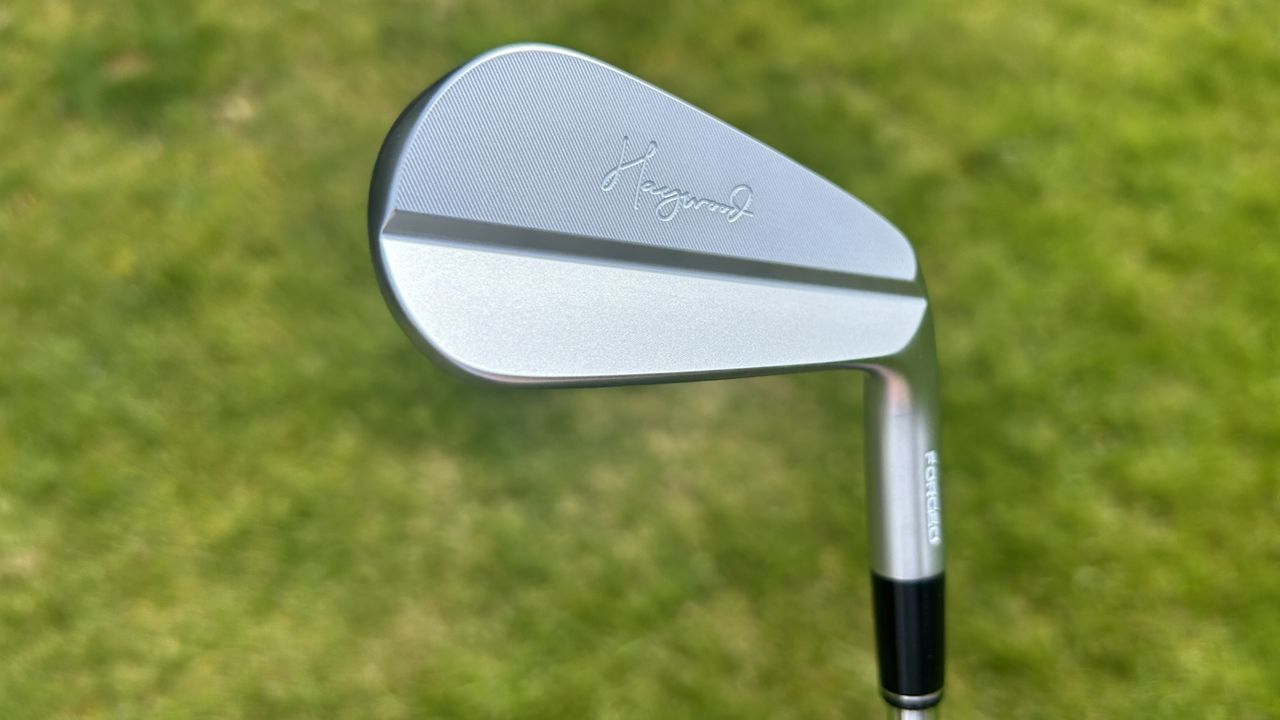
Having spent some time on the course and practice ground with the Haywood MB irons, I’m not just impressed; I’m struggling to find a reason why anyone would pay double for a legacy logo.
Haywood takes a refreshingly purist approach to the design process.
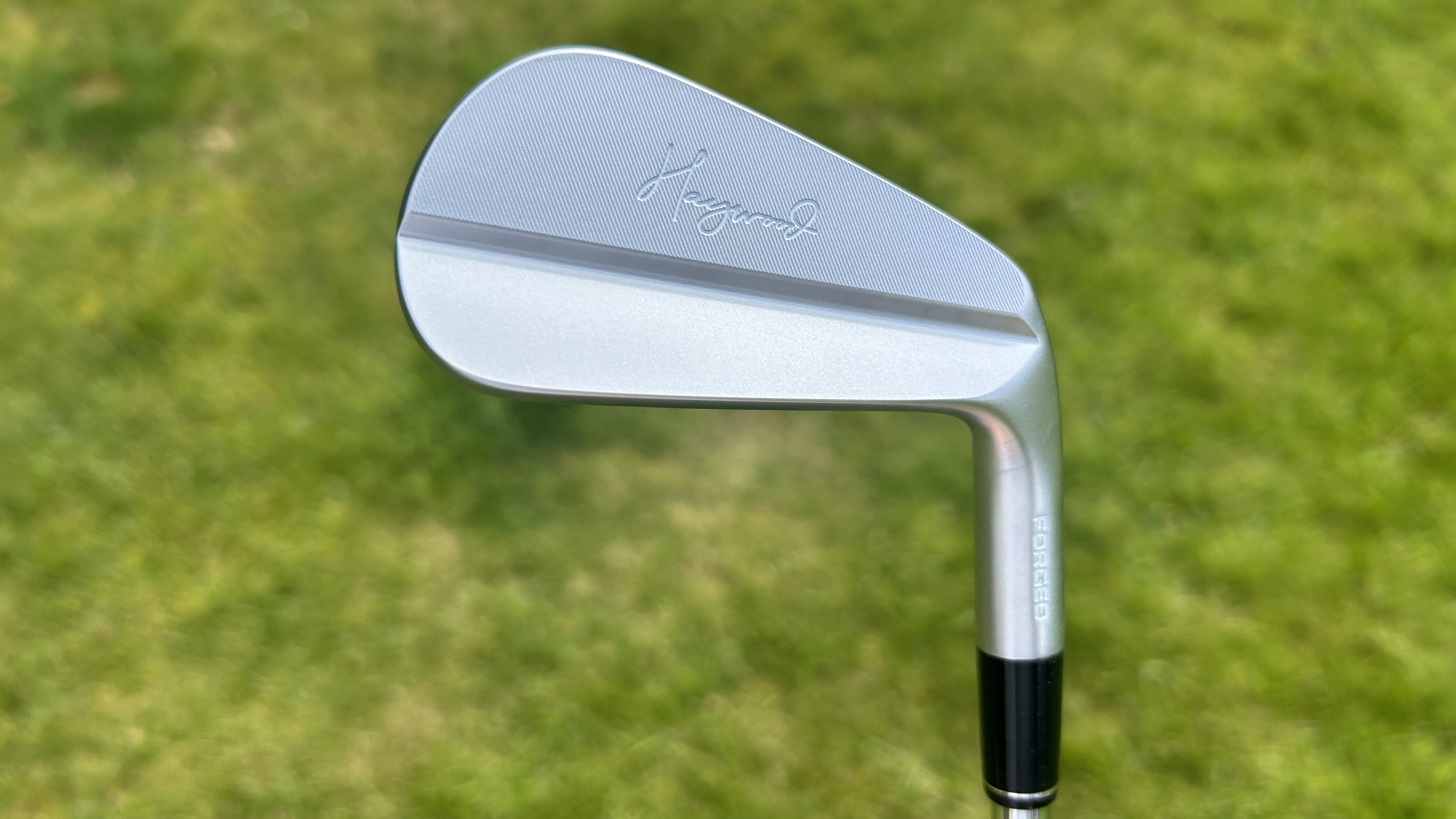
The MB is 100% CNC milled from a single block of 1020 soft carbon steel. Unlike traditional forging, which can have slight weight variances, the milling process - which takes roughly 2.5 to 3 hours per head - ensures incredible precision and consistency in CG (center of gravity) placement.
The aesthetic is, quite simply, outstanding. It is clean, minimalist, and features beautiful texturing on the back cavity that catches the light without being distracting, while the non-glare matte finish is a sophisticated touch that makes them look like a boutique, high-end tool.
Behind the ball, it just gets better. The profile is breathtaking.
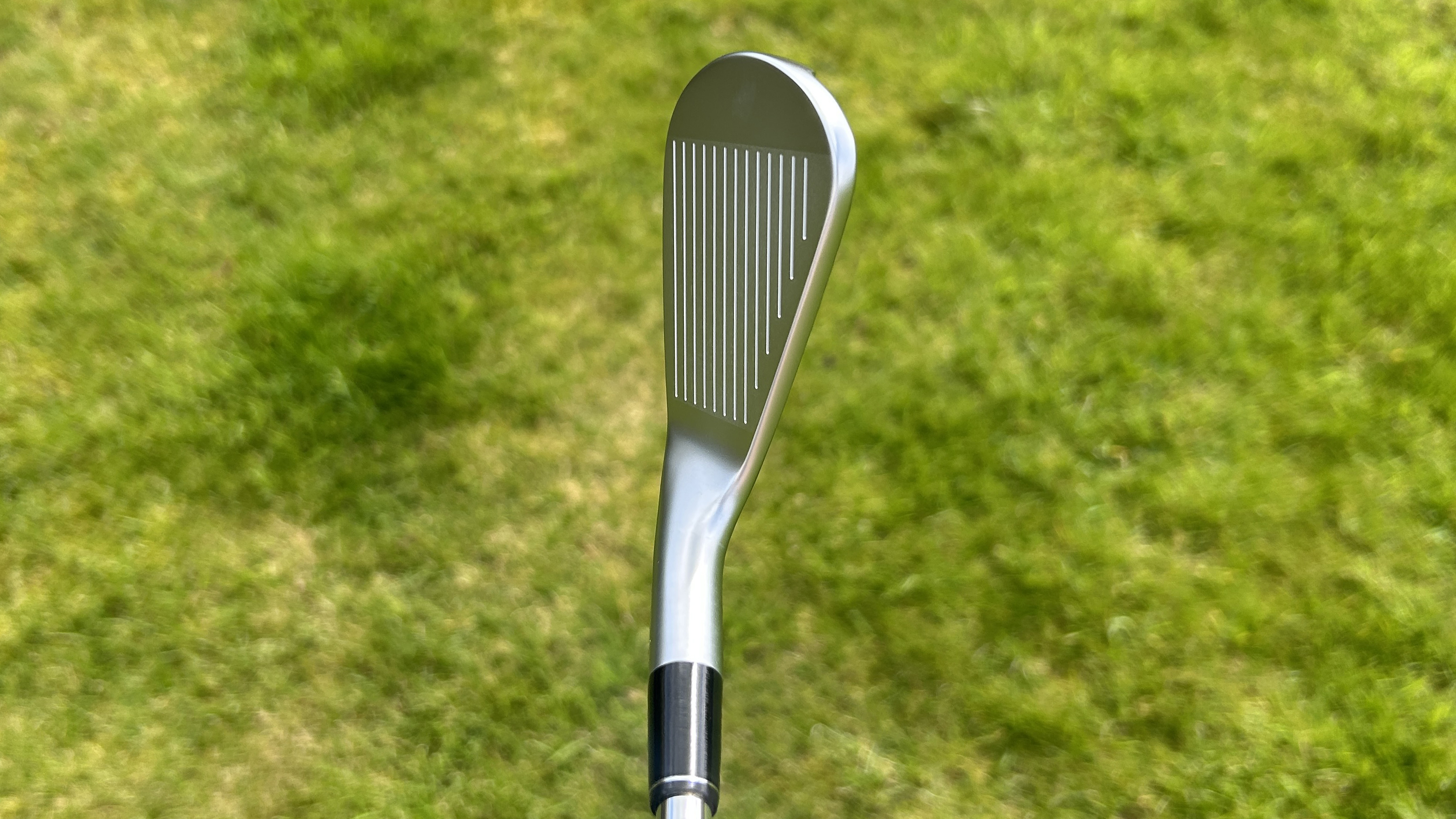
I recently dubbed the Cobra 3DP MB as essentially "perfect" at address, but the Haywood might be the only blade I’ve seen to rival it in the playing position. In fact, there is half an argument to be made that these are better.
They feature slightly less offset and a rounded toe that suits my eye perfectly, avoiding the overly angular "boxy" look found in models like the Mizuno Pro 241 or S1. It is a silhouette that inspires confidence through its simplicity.
As ever, feel is obviously subjective, but the Haywood MB is undeniably "buttery." Impact is superbly soft, at the very least comparable to anything from the major manufacturers.
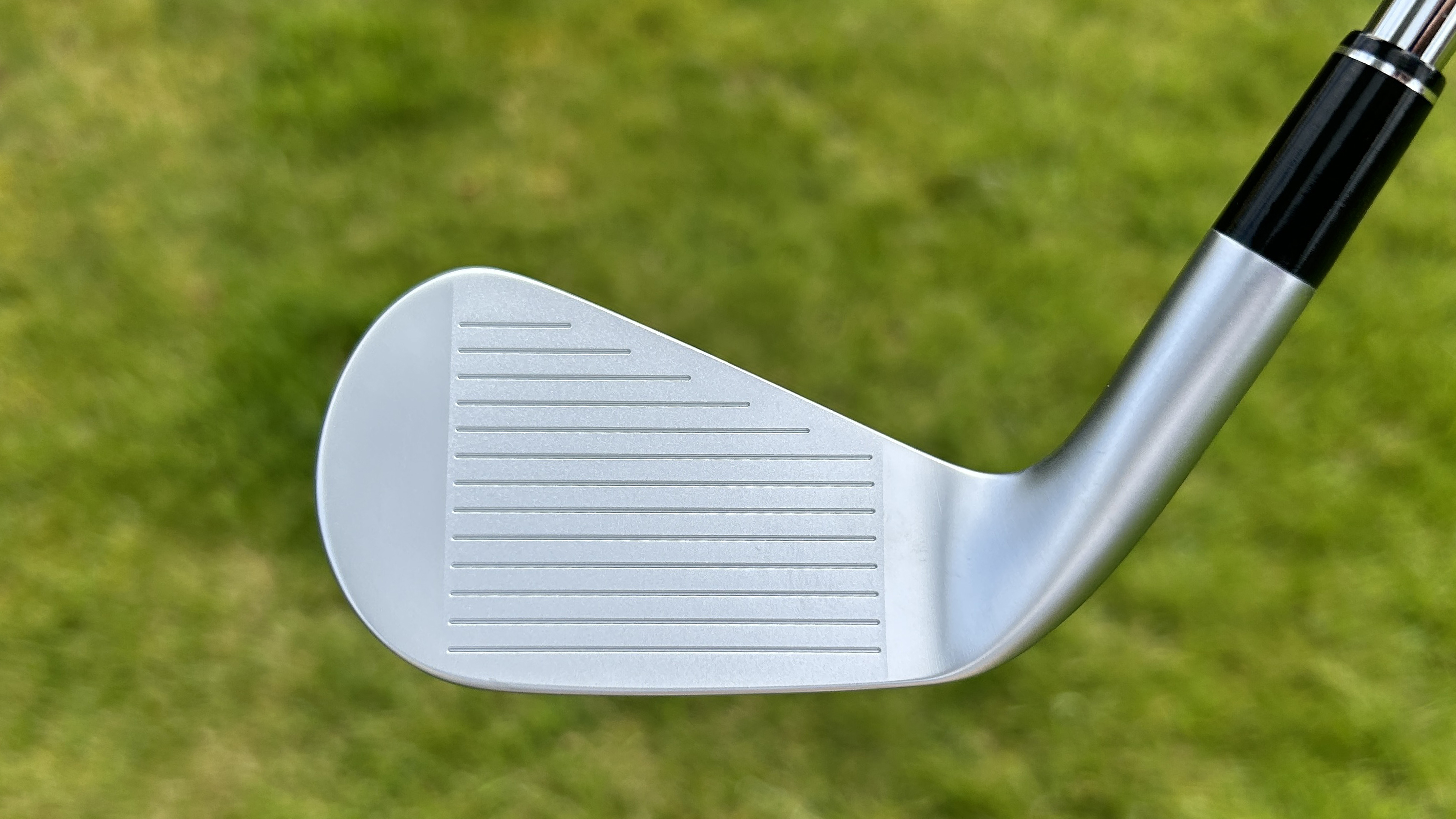
In fact, in my testing, I actually found the sensation at impact to be softer and more "dense" than a couple of the major players in the Titleist 620 MB or the Srixon Z-Forged II - two irons often cited as the gold standard in the best blade category.
Feedback is instant. You know exactly where you’ve struck it on the face, but even slight mishits don't produce the jarring vibration you might expect from a pure blade.
In terms of performance, truthfully, in this category, launch monitor data is almost entirely irrelevant as a comparison tool.
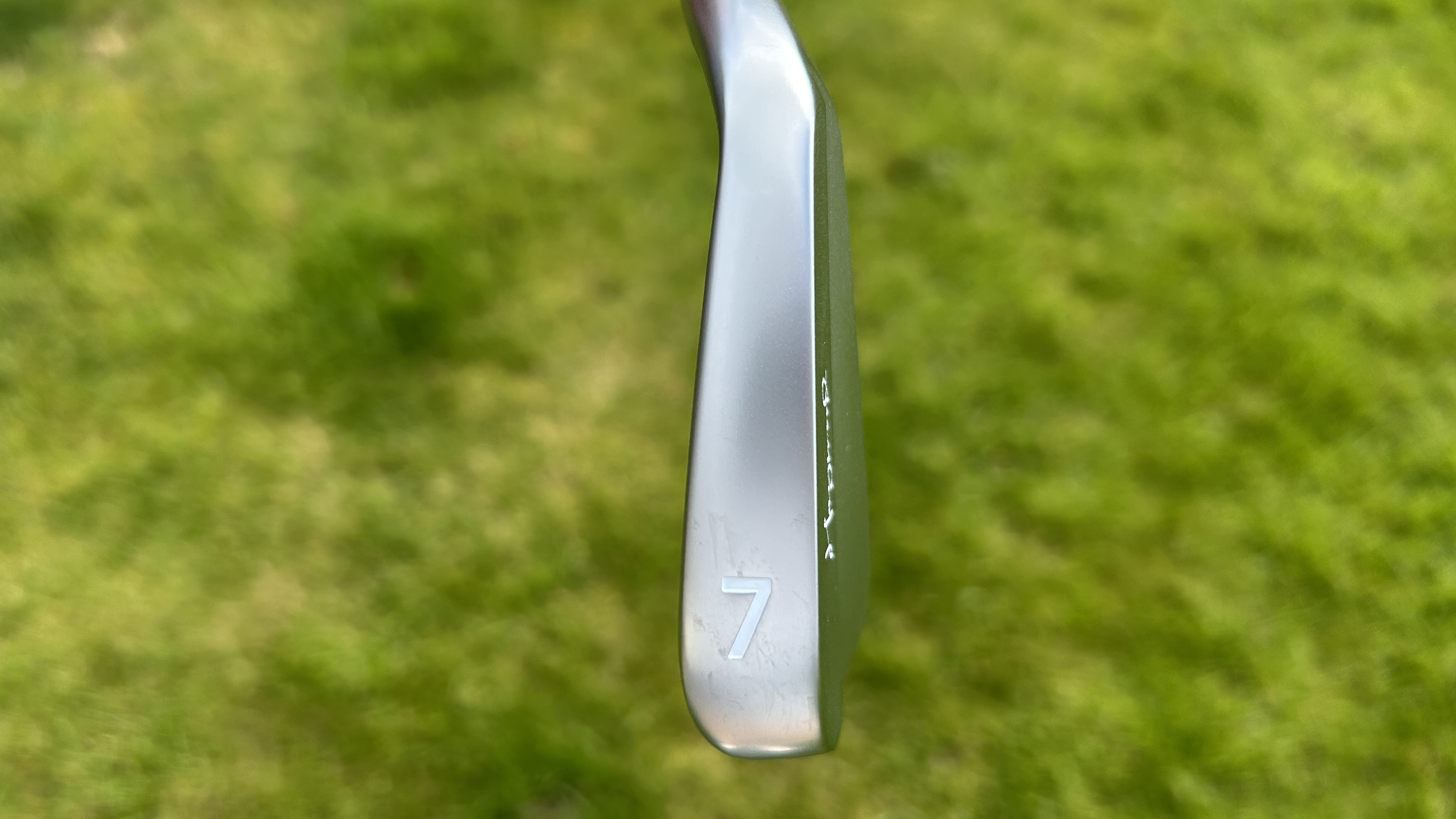
A one-piece forged blade with conservative lofting (7 iron is at 34˚) time and time again produces the same numbers for me (and I test a lot of clubs!), no matter what brand name is stamped on the bottom, because there is no hollow body or face flexion that can be tweaked or tuned for power.
What is important to note is that the Haywood MB delivered the exact same spin, launch, and carry windows as models twice the price.
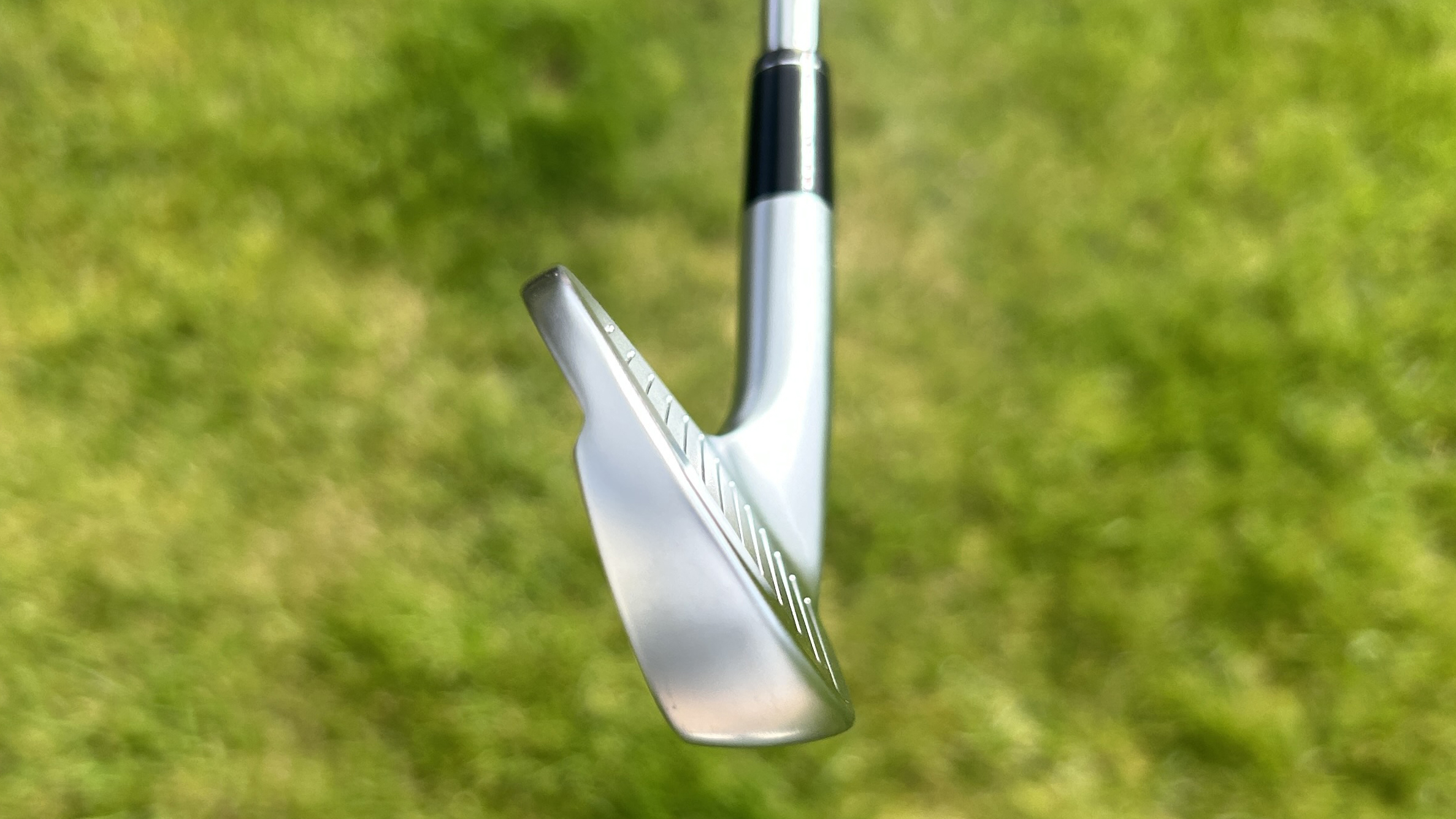
One talking point is the turf interaction.
Featuring arguably the slimmest soles on the market at just 0.6", there is zero "fluff" here. If you are a shallow "picker" of the ball, this is your dream scenario. I tend to be a touch on the steeper side, so they demanded a bit more concentration to avoid digging. However, when my swing was on, the leading edge cut through the turf like a sharp knife through a well-cooked fillet.
The elephant in the room here - and what should be very concerning for the 'big-name' brands is the price. You can pick up a 4-PW set starting from a quite staggering $799/£608.
For a club that matches or exceeds the "big brands" in looks, feel, and precision, that is mind-blowingly good value.
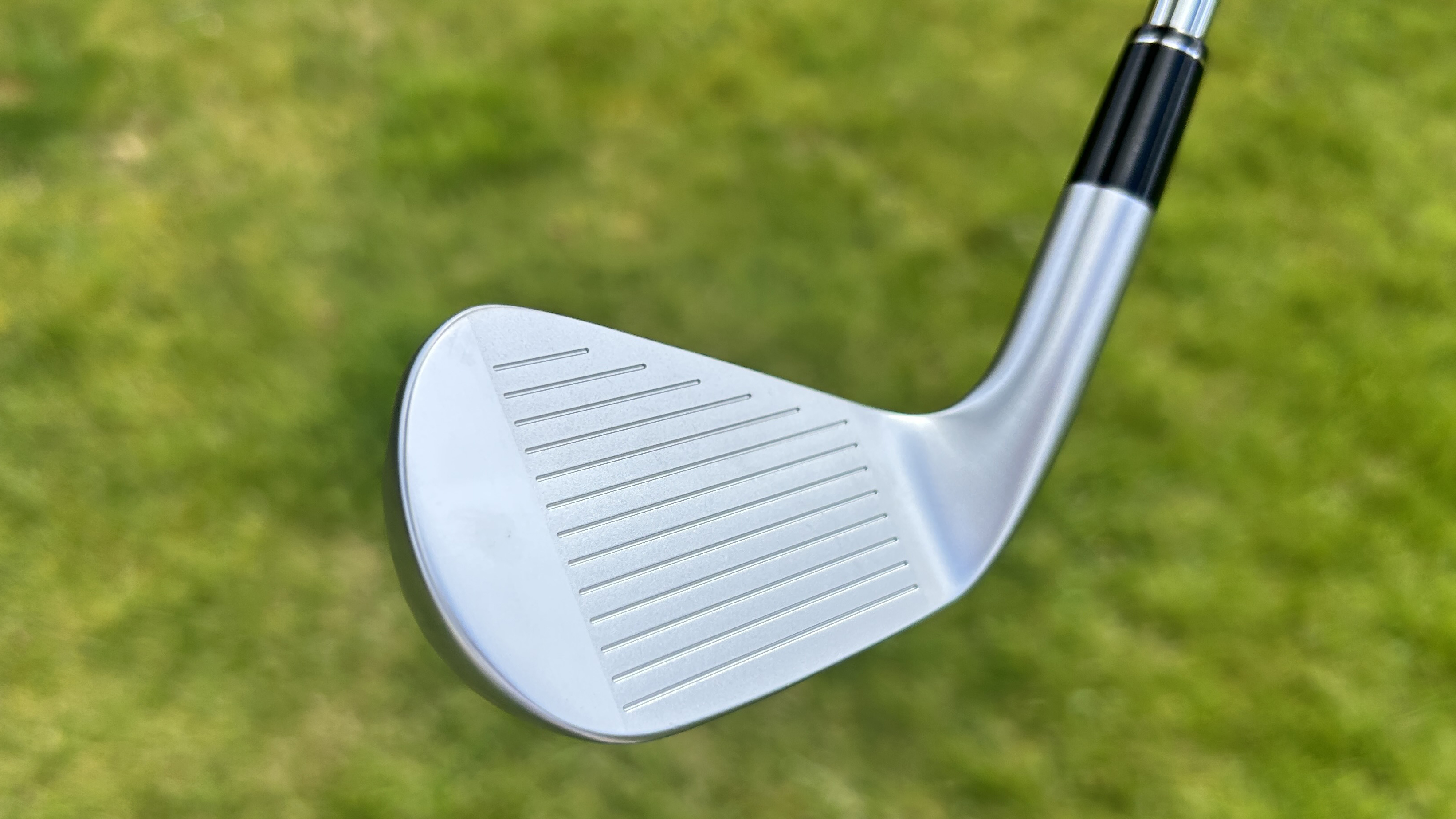
Furthermore, the level of customization available on the website is phenomenal - even down to a wide selection of custom, artisan-style ferrules to personalize your purchase.
If you can move past brand-name bias, in my opinion, there is literally no discernible gain to be found by spending $1,600 elsewhere.
The Haywood MB represents the pinnacle of the DTC movement: premium performance without the "tour pro" tax. For those spending their hard-earned cash, these might just be the best-kept secret in golf.