
Hot summers can turn a beautiful garden into a daily chore. Constant watering, wilted leaves, and plants that struggle through every heat wave often leave gardeners frustrated and ready to give up. Fortunately, some plants seem to laugh in the face of blazing temperatures while continuing to add color, texture, and life to outdoor spaces.
Busy gardeners often need plants that can handle neglect, survive dry spells, and still look impressive. Choosing heat-tolerant varieties reduces maintenance while helping conserve water and lower gardening costs. Many of these plants developed natural adaptations that allow them to flourish in conditions that send other flowers and shrubs into decline. The right selections can keep a landscape attractive even during the hottest days of summer.
1. Lantana Delivers Color for Months
Lantana earns a top spot on any list of heat-loving plants because it blooms relentlessly throughout summer. Its clusters of bright flowers appear in shades of yellow, orange, pink, red, and purple, often displaying multiple colors on a single plant. Butterflies and pollinators flock to lantana, bringing extra activity and beauty to the garden. Once established, lantana tolerates dry conditions remarkably well. Many gardeners appreciate its ability to keep flowering long after other plants begin to fade.
This tough performer works well in containers, borders, and landscape beds. Garden centers frequently carry compact varieties for small spaces as well as larger forms that spread quickly across sunny areas. Lantana rarely demands daily attention, making it ideal for homeowners with packed schedules. A deep watering during extended droughts usually provides all the support it needs. Even during stretches of triple-digit temperatures, lantana often continues producing vibrant blooms.
2. Coneflower Combines Beauty and Toughness
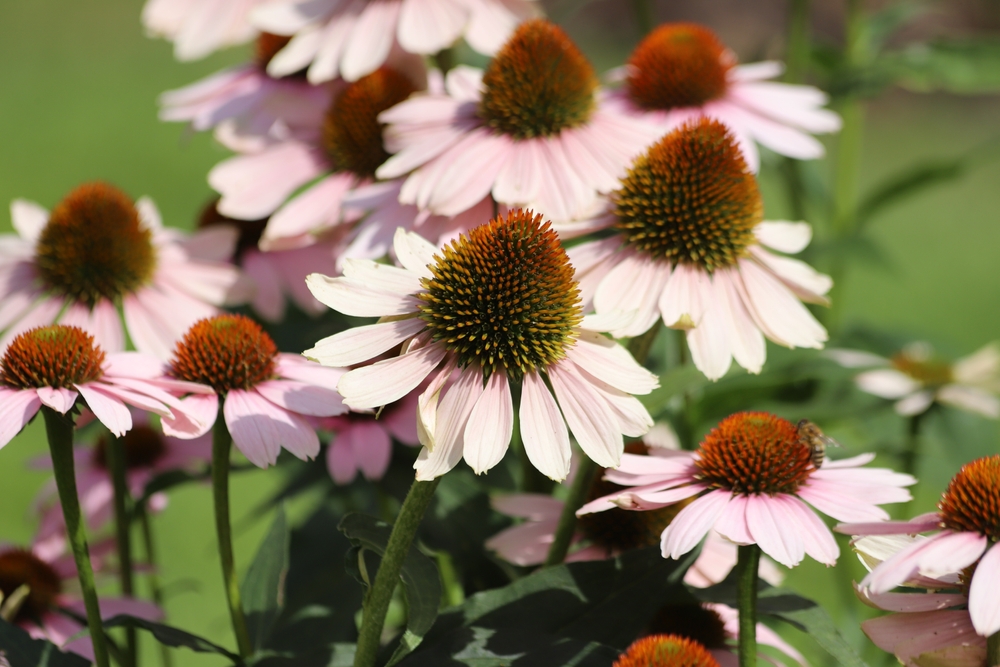
Coneflowers bring a cheerful burst of color while requiring surprisingly little maintenance. Their daisy-like blooms feature raised centers that attract bees, butterflies, and even songbirds later in the season. Most gardeners recognize the classic purple variety, but modern cultivars offer shades of white, orange, red, and yellow. These perennials handle intense sunlight with ease. They also tolerate periods of drought once their roots become established.
Beyond their visual appeal, coneflowers offer impressive longevity. They return year after year without demanding constant division or special treatment. Many gardeners leave spent flower heads in place because goldfinches enjoy feeding on the seeds. Their sturdy stems resist flopping, even during summer storms. For gardeners seeking dependable performance with minimal effort, coneflowers consistently deliver.
3. Sedum Stores Water Like a Pro
Sedum possesses one of nature’s best survival strategies for hot weather. Its thick, succulent leaves store moisture, allowing the plant to endure long periods without rain. Many varieties remain attractive throughout the growing season with foliage ranging from green and blue-gray to deep burgundy. Sedum thrives in full sun and poor soil conditions where many other plants struggle. Gardeners often use it in rock gardens, borders, and low-maintenance landscapes.
Late-season flowers add another layer of appeal. Large clusters of blooms appear in shades of pink, red, or white and attract beneficial pollinators. Sedum rarely suffers from serious pest or disease problems, which reduces maintenance even further. Its compact growth habit helps suppress weeds while maintaining a tidy appearance. For busy gardeners, few plants offer such an excellent combination of durability and beauty.
4. Russian Sage Loves the Heat
Russian sage seems built specifically for hot, dry climates. Silvery foliage creates visual interest even before the plant begins flowering. During summer, airy spikes of lavender-blue blooms cover the plant and provide weeks of color. The aromatic foliage also discourages many browsing animals, including deer. Intense sunlight only seems to improve its performance.
Gardeners frequently use Russian sage as a focal point or backdrop in landscape designs. Its drought tolerance makes it particularly valuable in regions that experience water restrictions. Once established, it rarely requires supplemental watering except during extreme drought conditions. The plant’s open, flowing form creates movement in the garden as breezes pass through. This combination of elegance and toughness explains its growing popularity among low-maintenance gardeners.
5. Agave Brings Architectural Drama
Agave offers a striking look that immediately grabs attention. Its bold, sculptural leaves create dramatic focal points in landscapes while requiring very little care. Native to arid regions, agave evolved to survive intense heat and extended dry periods. Many varieties feature blue, green, or variegated foliage that adds year-round interest. Their unique appearance complements both modern and traditional garden designs.
Unlike many flowering plants, agave contributes structure rather than seasonal blooms. Gardeners appreciate its ability to remain attractive with almost no intervention. Most varieties need excellent drainage and plenty of sunshine to perform their best. Once planted in a suitable location, agave often survives for years with minimal watering. Few plants offer such dramatic visual impact with so little maintenance.
6. Black-Eyed Susan Stands Up to Summer
Black-eyed Susan brings classic garden charm while tolerating heat exceptionally well. Bright yellow petals surrounding dark centers create an eye-catching display that lasts for weeks. These cheerful flowers attract pollinators and add a burst of color to sunny borders. Their adaptability allows them to perform well in many soil types. Even beginner gardeners often find success growing them.
Established plants tolerate drought better than many traditional garden flowers. Their strong stems and vigorous growth help them withstand challenging summer conditions. Black-eyed Susans also spread gradually over time, creating larger displays without significant effort. Deadheading can encourage additional blooms, but the plants still perform well with minimal attention. Their reliability makes them a favorite among gardeners seeking low-maintenance color.
7. Lavender Offers Fragrance and Resilience
Lavender combines beauty, fragrance, and heat tolerance in one highly desirable package. Its silvery foliage and purple flower spikes create a classic Mediterranean look that many gardeners love. Once established, lavender handles dry conditions remarkably well. Full sun encourages abundant blooms and strong fragrance. Pollinators visit frequently, adding extra life to the garden.
Proper drainage remains the key to lavender’s success. Soggy soil causes far more problems than hot weather ever will. Gardeners often plant lavender along walkways where its fragrance becomes especially noticeable. The flowers can also be harvested and dried for crafts, sachets, or decorative arrangements. Few plants provide so many benefits while requiring so little maintenance.
Build a Garden That Laughs at Summer Heat
Creating a beautiful garden does not require endless watering or constant attention. Heat-tolerant plants like lantana, coneflower, sedum, Russian sage, agave, black-eyed Susan, and lavender can maintain their appearance even during challenging summer conditions. These selections help reduce maintenance demands while providing reliable color, texture, fragrance, and visual interest. Smart plant choices often make the difference between a garden that struggles and one that remains attractive throughout the season.
By incorporating these hardy performers into the landscape, busy gardeners can spend less time worrying about heat stress and more time enjoying their outdoor spaces. Many of these plants also support pollinators, conserve water, and return year after year with minimal intervention. A little planning today can create a garden that stays vibrant through even the hottest months. The result is a landscape that works harder so gardeners do not have to.
What heat-tolerant plants have performed best in your garden during the hottest part of summer? Share your favorites and experiences in the comments below!
You May Also Like…
Stop Buying These Plants if You Want More Pollinators
8 Flowers That Thrive During Triple-Digit Heat Waves
Is Your Irrigation Ready for Summer? Quick Checks and Cheap Fixes to Beat the Heat
The Backyard Gardening Trend That’s Exploding Across America This Summer
11 Gardening Mistakes Beginners Make Every Summer
The post The 7 Most Heat-Tolerant Plants for Busy Gardeners appeared first on Frugal Gardening.