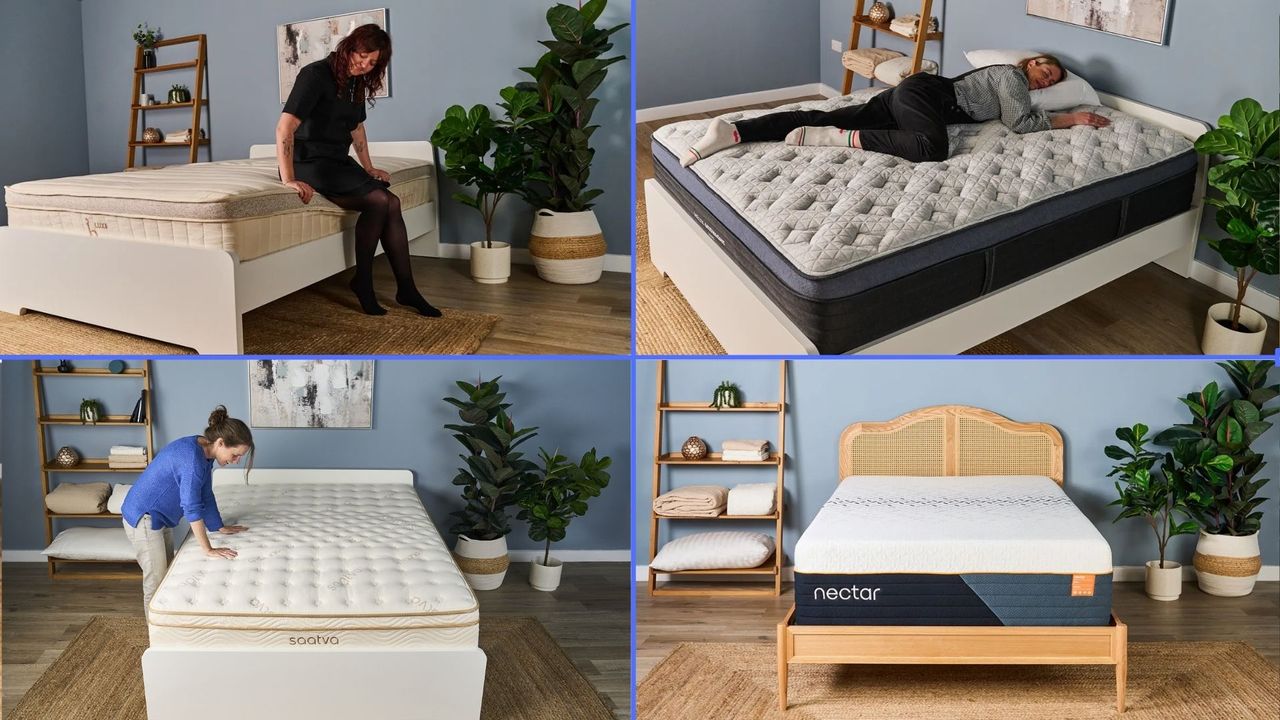
The mattress market has changed drastically over the past decade, with innovations specifically within the mattress-in-a-box and smart bed sector challenging what we thought we could ever expect from our beds. A mattress that can stop your snoring, anyone?
That means that if you haven’t bought a mattress within the past eight or so years, the landscape could seem a little confusing.
But we — a team of mattress reviewers who have tested 120+ mattresses across every category to bring you our guide to the best mattress you can buy online — are on hand to help cut through the noise and the marketing jargon.
If you’re mattress shopping for the first time in a while, especially with the Memorial Day mattress sales coming up, these are the four main types of beds you can buy and who they might be best for.
Memory foam: The ‘body-hugging’ mattress
A memory foam mattress is a mattress made entirely of viscoelastic polyurethane, more commonly known as memory foam.
Once warmed by body heat, the best memory foam mattresses offer soothing body contouring support and excellent pressure relief by molding to the shape of your body as you sleep.
This sink-in support of all-foam beds gives them their ‘hug’ sleep feel, which makes them an excellent option for those who sleep on their sides and require extra pressure relief across the hips and shoulders.
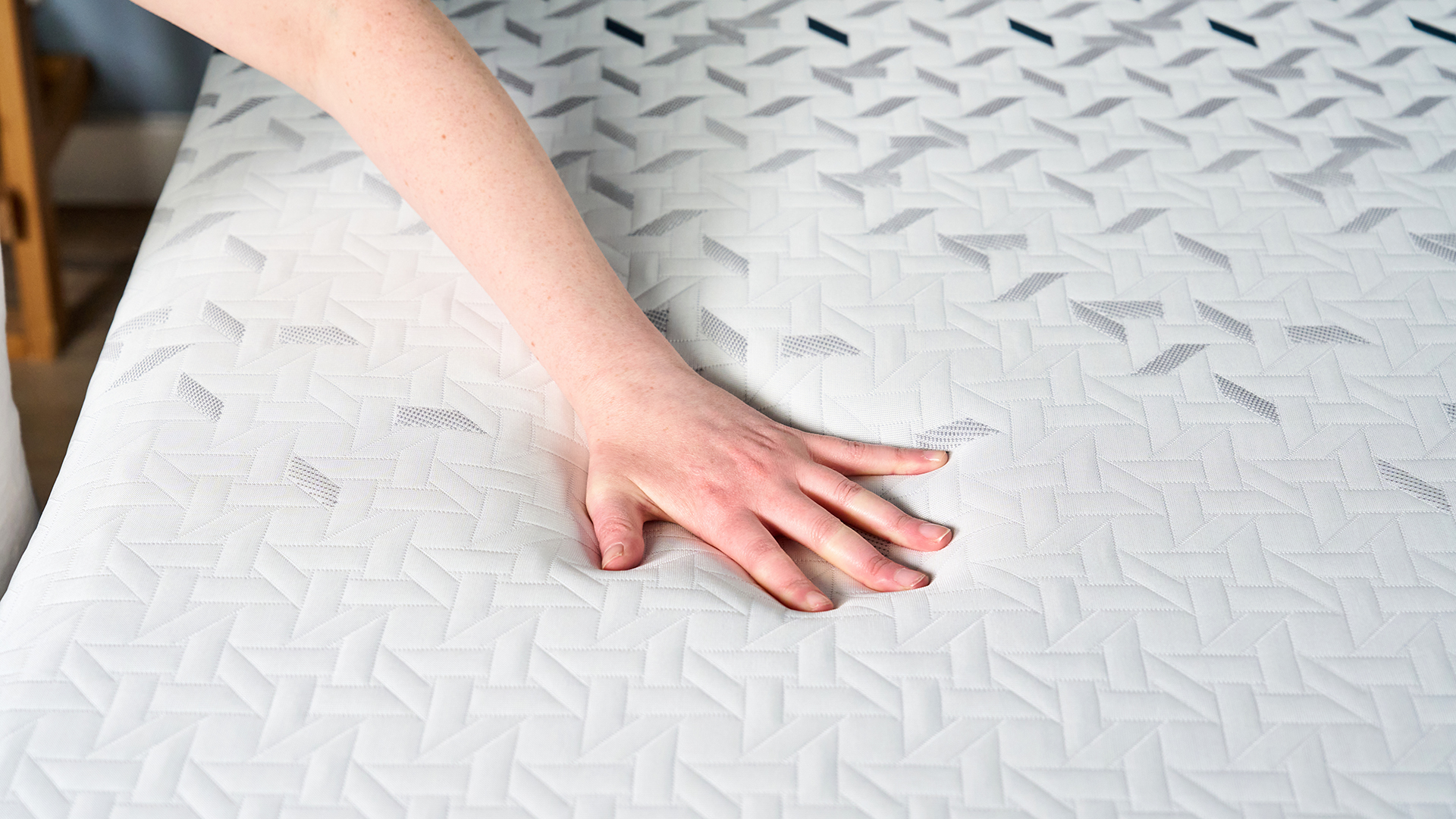
That makes them a popular choice among those with joint pain, too. After testing it, we found that the Nectar Premier Memory Foam mattress offers a keen blend of body cradling comfort and support, with the lighter-weight side sleeping member of our testing panel finding it most comfortable.
Another excellent example of an all-foam bed offering the typical ‘hug’ you can expect from some memory foam mattresses is the Zinus Green Tea mattress, a bed that our tester likened to a Tempur-Pedic mattress, thanks to its cushioned feel.
Pros:
- Excellent pressure relief
- Absorbs motion very well, which is ideal for couples
- Best for side sleepers and those with joint pain
Cons:
- Cheaper foams can sleep warm. However, modern foams often use gel or charcoal infusions as well as open cell-foam structures to combat the traditional heat trap issues.
Hybrid: The best of all mattress worlds
The best hybrid mattresses are a sophisticated mix of pocketed coils and layers of memory foam, resulting in a blend of a responsive sleep feel and plenty of body cradling comfort.
This blend of comfort and support makes them best for practically every type of sleeper, but especially those who like to change sleep positions easily during the night, as well as those who favor a luxury hotel aesthetic.
While traditional innerspring mattresses rely on interconnected coils (which give them that bouncy, trampoline-like sleep feel), many modern-day hybrid mattresses use individually pocketed coils. That allows them to provide body contouring support, reinforced support around the perimeter and superior motion isolation.
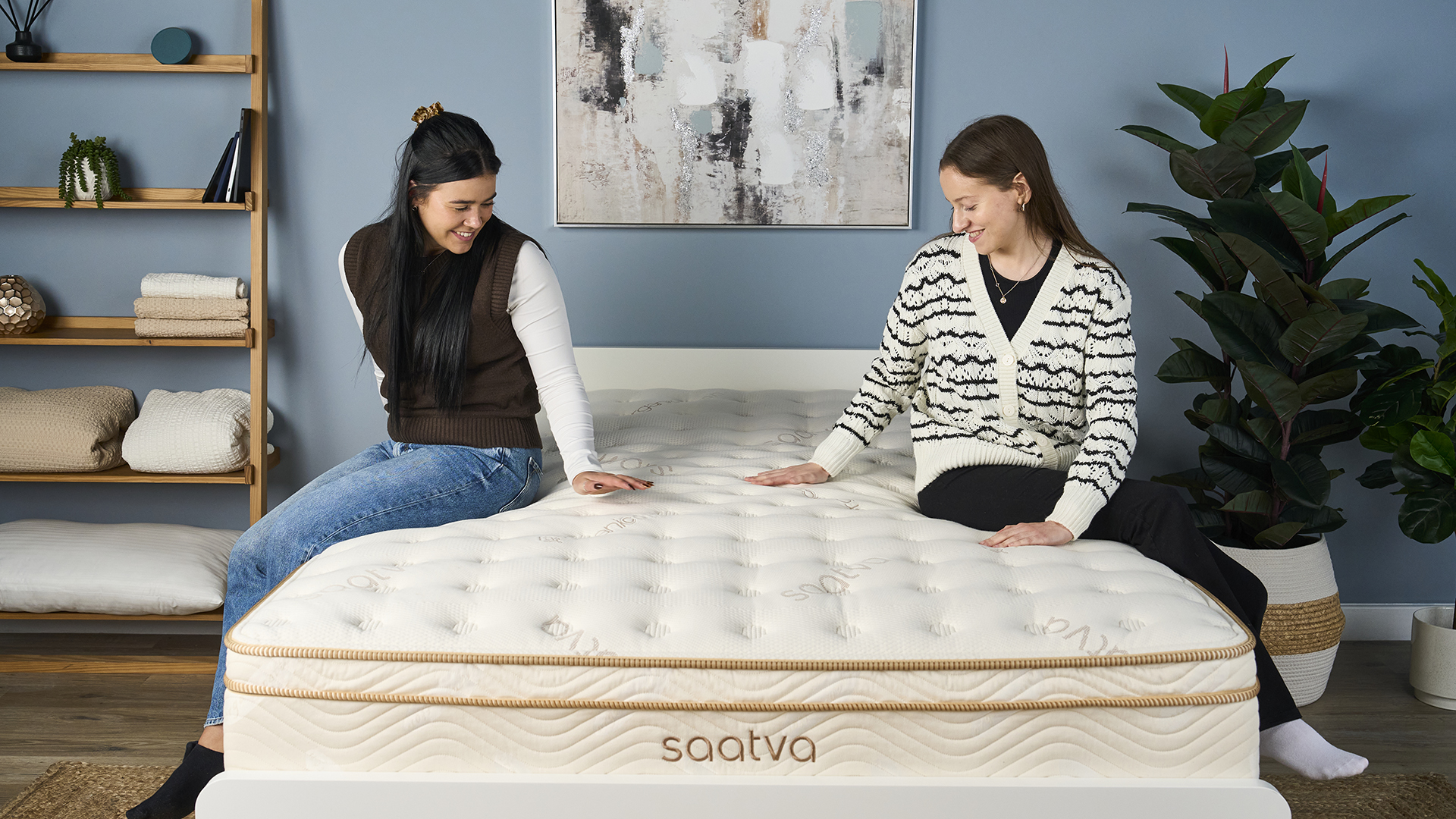
Although it is technically a luxury innerspring hybrid, the Saatva Classic mattress is the best example of what a hybrid mattress can offer, with its dual-coil support system for support and durability, soothing foam layers for pressure relief and outstanding performance across all key metrics, including temperature regulation.
While we’d say it’s worth every cent, the Saatva is a little pricey (around $1,800 for a queen, depending on Saatva mattress sales), but the DreamCloud Classic mattress is an excellent cheaper alternative. You won’t get the customizable firmness or height options you’d get with the Saatva, but you will get a great mid-range option that will suit most sleepers.
Pros:
- Combines the support of sturdy innerspring and the soothing pressure relief of a memory foam mattress
- Best for all sleepers, especially combination sleepers
Cons:
- Due to their more complex construction, hybrid mattresses tend to be more expensive than memory foam mattresses
- The inclusion of coils can make them more responsive (bouncy) than memory foam
- Also heavier than all-foam mattresses
Latex: The greener mattress
Natural latex mattresses are made from the sap of rubber trees, while other latex mattresses are crafted from synthetic latex. Both types are antimicrobial and hypoallergenic, which means that they repel dust mites, mold and bacteria.
Latex mattresses offer a relatively firm and responsive sleep feel (no memory foam ‘hug’ here), making them best suited to combination sleepers who like to shift positions without feeling trapped.
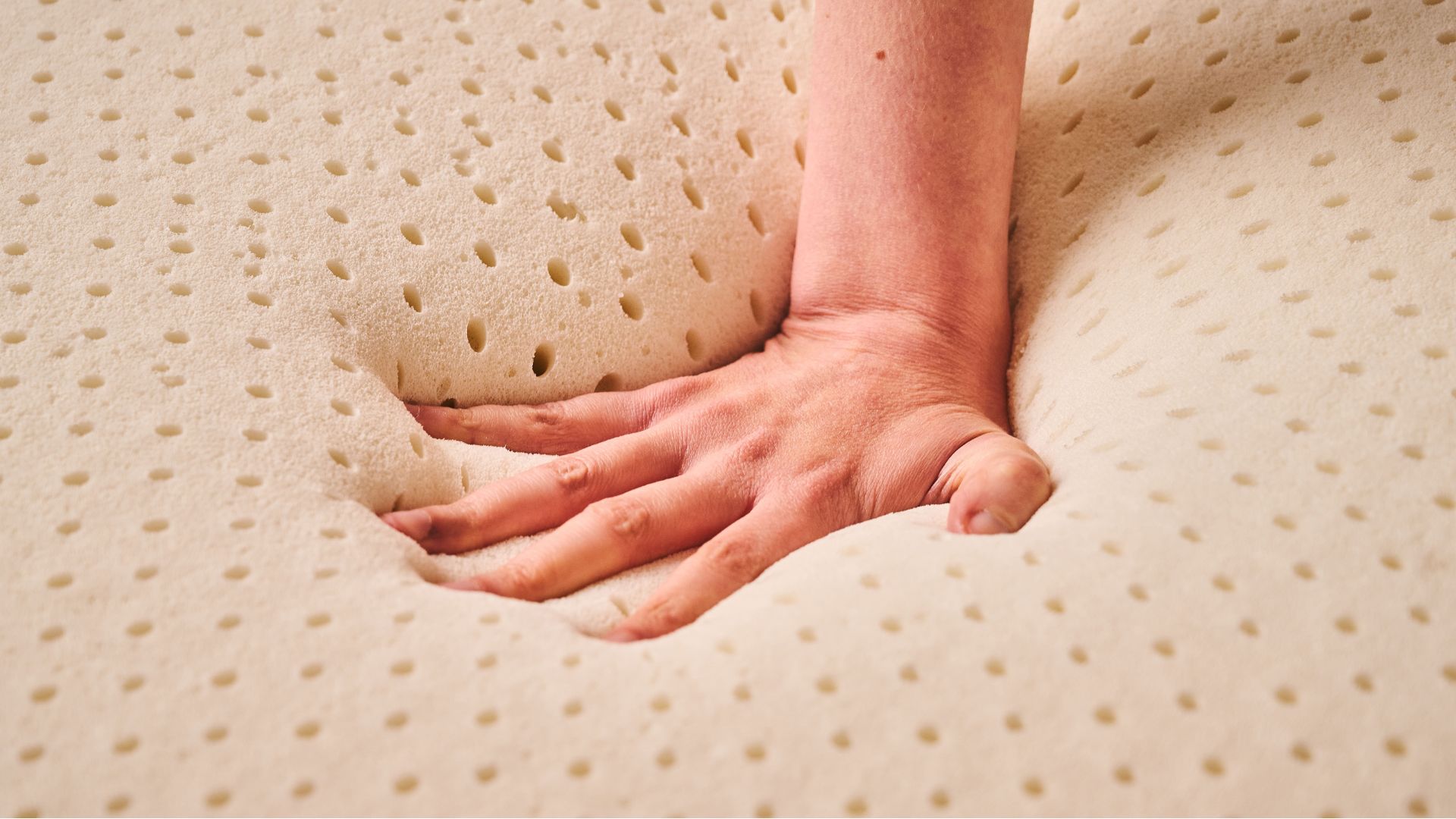
As our lead tester noted in her Nolah Natural 11 mattress review, the Nolah does this beautifully, offering excellent ease of movement. Like the best organic mattresses on the market, latex mattresses boast naturally cooling properties, which make them a safe option for hot sleepers, as well as eco-conscious shoppers.
A mattress of this calibre doesn’t have to cost a fortune, as evidenced in our Avocado Green mattress review. As a mid-range organic bed, our tester was impressed by its blend of temperature regulation, sturdy support and PETA approval.
Pros:
- Incredibly durable — can last 15+ years if well looked after
- Naturally cooling
- Naturally antimicrobial and hypoallergenic
- Best for eco conscious shoppers and hot sleepers
Cons:
- Expect a distinct bouncy feel that doesn't contour like memory foam
- More expensive than other bed types, but last longer too
Innerspring: The traditional mattress
Traditional innerspring mattresses employ the classic design of a network of interconnected metal coils, which is usually topped with a thin layer of fiber or foam. This structure gives them a trampoline effect, which — as its moniker indicates — results in a bouncy sleep feel.
This open structure makes them light, breathable and easy to move around on. Their simple construction means they’re often pretty cheap. As such, they’re best for back and stomach sleepers who prefer to sleep on top of their mattress as opposed to sinking into it.
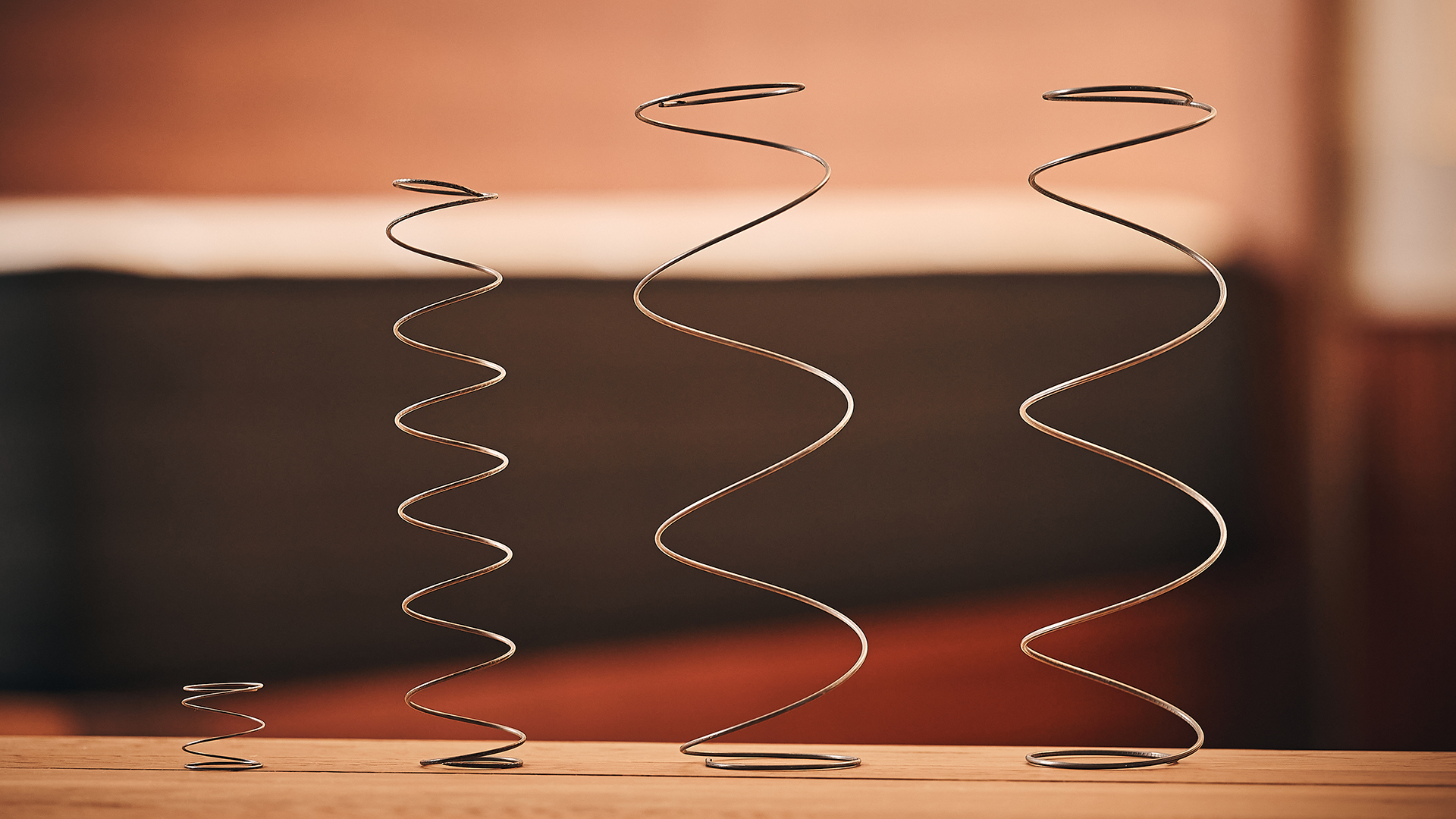
However, they aren’t very durable, and a spring protruding through a thin layer of foam is a sure-fire sign that it’s ready to be replaced. If you’ve ever wondered why no one really bounces on their bed anymore, it’s because innerspring mattresses are being phased out in favor of the hybrid mattress.
Pros:
- Very breathable
- Easy to move around on
- Cheap
- Best for back or stomach sleepers who prefer a firm sleep feel and maximum airflow
Cons:
- They offer the poorest motion isolation out of the four mattress types
- Issues with durability
What’s changed since you last shopped?
While the mattress-in-a-box market started out as something of an oddity, the pandemic accelerated the shift to buying mattresses primarily online. Now, hundreds of thousands of the best mattresses in a box are compressed, rolled and packaged up for delivery on our doorstep every year.
This new method of mattress shopping comes with its unique set of pros, cons and challenges. On the plus side, mattress-in-a-box manufacturers save on brick-and-mortar stores, and this saving trickles down to the consumer. That means you can buy mattresses more cheaply.
The cons include often being unable to try your mattress in store before you buy, although longer sleep trials mean you can often return or change it if it’s not quite right. Buying a mattress-in-a-box online can also take approximately 24-48 hours to fully inflate, as well as ‘off gassing’ after being opened, which is the release of VOCs into the air.
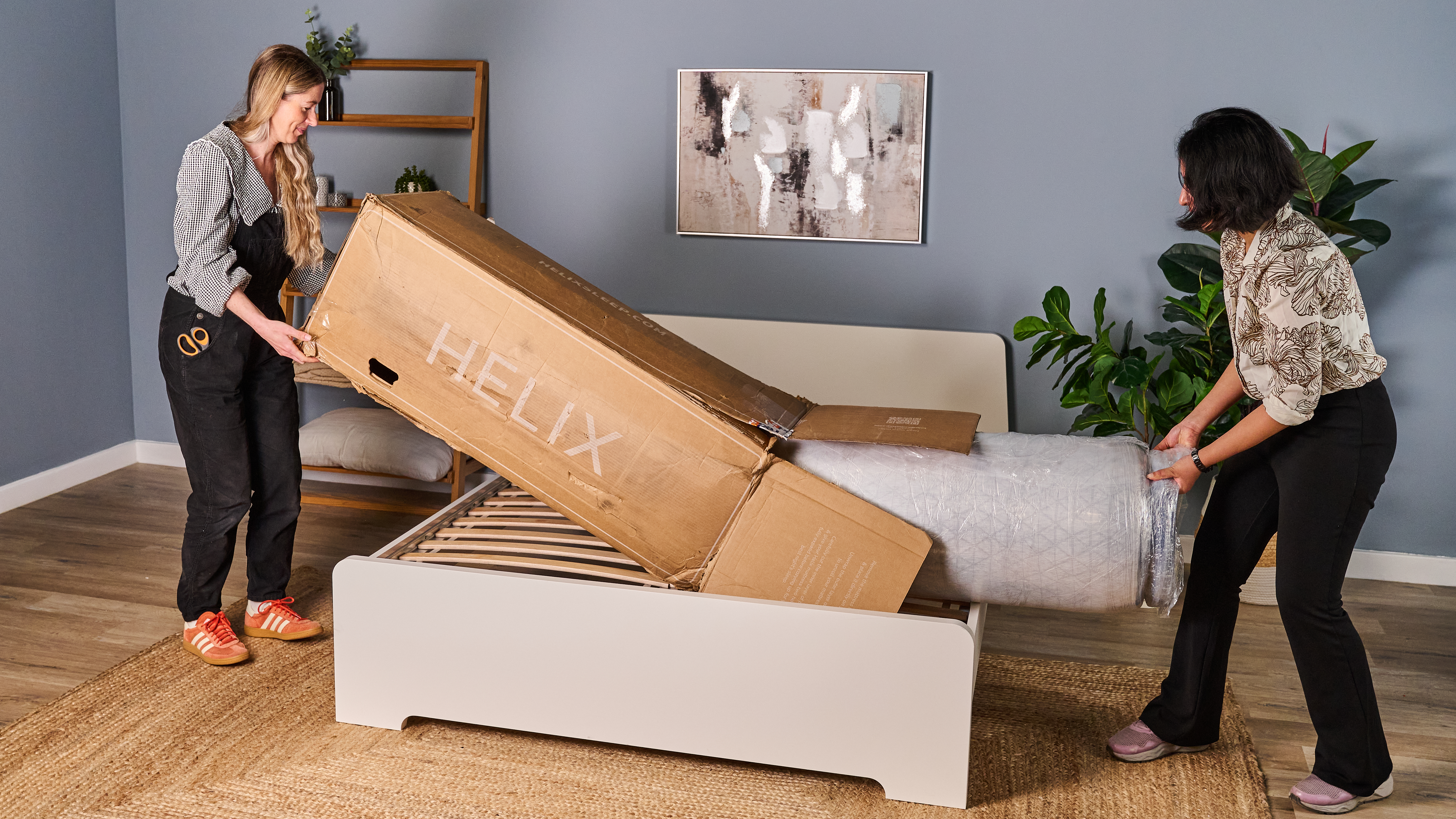
Of course, you can still buy mattresses in store and not all mattresses bought online are compressed before shipping. Saatva still prefers to deliver their mattresses traditionally flat before setting them up in your room of choice.
There are also Saatva viewing rooms dotted around the country, in case you would prefer to try before you buy. Compared to eight years ago, memory foam, hybrid and latex mattresses are the most common types of mattresses bought today.