Higher prices at the pump are making Avarisse Crawford rethink her spending. The 33-year-old has started scaling back her “fun budget,” meaning fewer steak dinners and happy hours with coworkers — instead she’s seeking out free activities, like going to the park.
“I’m making sure to cut open bottles to finish all of my products,” said the Philadelphia resident. Driving less is not an option for Crawford, who commutes five days a week to the office of the nonprofit where she works. She also makes twice-a-month road trips to visit a sick relative.
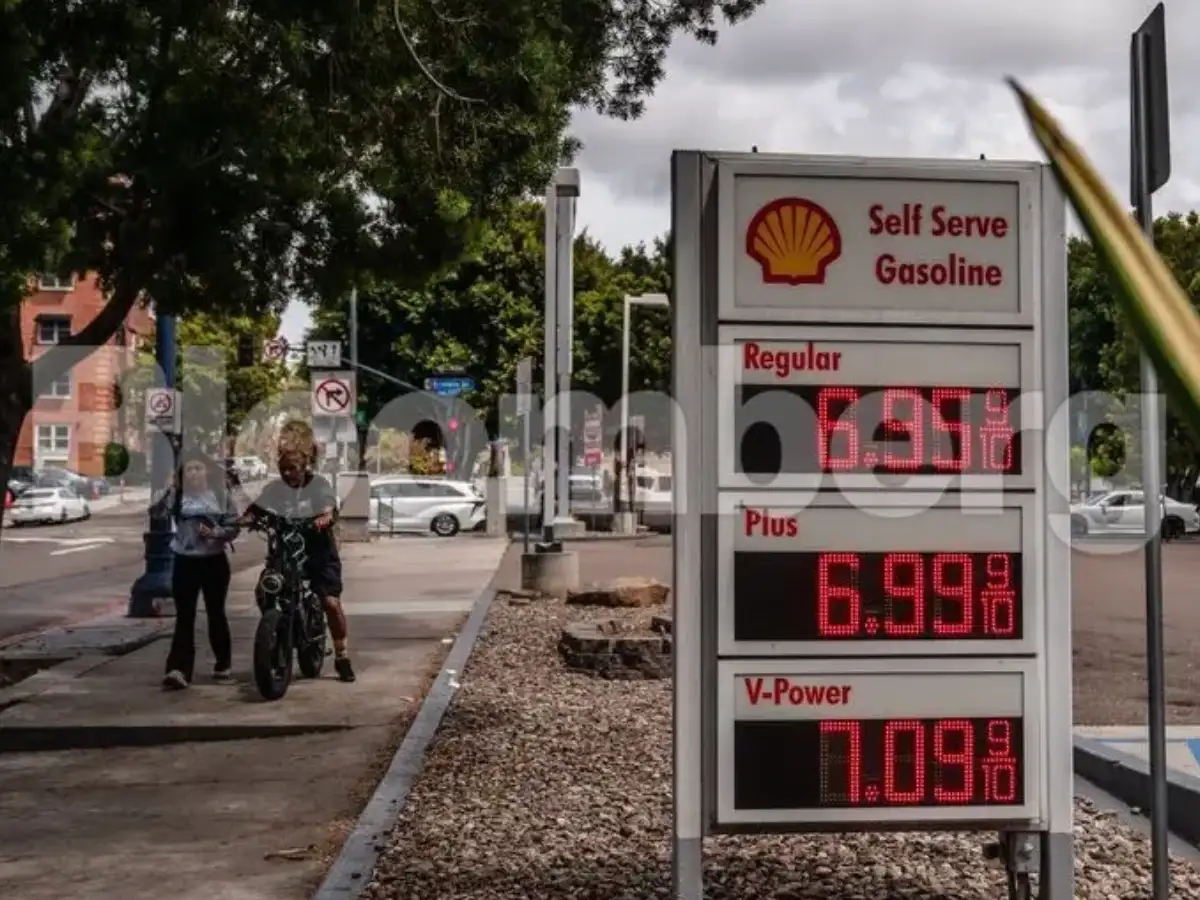
Gasoline will be a pain point for travelers this Memorial Day weekend. For many Americans, cutting back has already become the new reality after gas prices topped $4.50 a gallon for the first time in nearly four years.
Also read | Trump officials tried to ban half of US voting machines, citing conspiracy theories
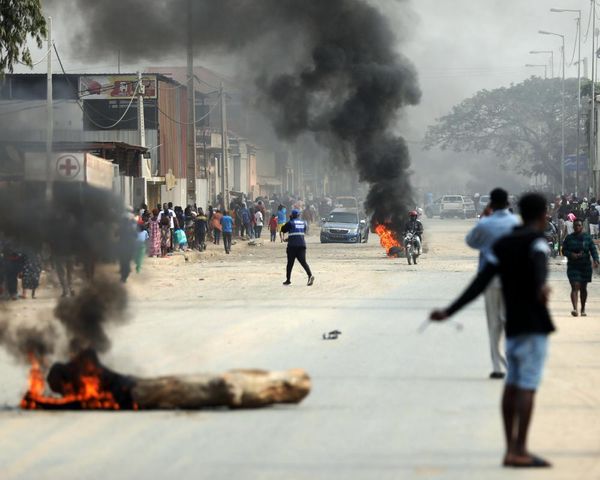
As the Iran war drags on, the average nationwide retail price is now less than 50 cents away from an all-time high, according to American Automobile Association data. In California, regular unleaded gasoline has surpassed $6 a gallon. The unofficial start of summer marks the beginning of a period of heightened demand, which risks further depleting US gasoline stockpiles and sending prices even higher.
In an effort to put a ceiling on prices, the Trump administration has pulled on a wide range of policy levers, including releases from the Strategic Petroleum Reserve, a waiver of the Jones Act and discussion of a federal gasoline tax holiday. But so far, it’s been unable to counter the surge.
With many Americans dependent on their cars, gasoline demand is unlikely to meaningfully stall at current prices. That sets up a squeeze on consumer finances that will ripple through the rest of the economy as it eats into spending on nonessentials.
“It’s a basic necessity in most parts of America to drive a car to work, to school, to kids’ drop-off. It’s hard to get by without it in many places,” said Heather Long, chief economist at Navy Federal Credit Union. “People have to absorb this cost.”
Fuel Squeeze
There’s little relief in sight with crude prices around $100 a barrel and the Strait of Hormuz still effectively closed. Some on Wall Street, like economist Jeff Currie, fear a brewing energy crunch. The senior adviser at Carlyle Group expects the US to run into problems by July.
Gasoline stockpiles are at the lowest for this time of year since May 2014. At the same time, US gasoline imports are hovering near their lowest seasonal level in a decade, while exports are in line with seasonal averages. Meanwhile, refineries are focused on producing as much jet fuel as possible, skewing output away from gasoline.
Also read | Funny old world: The week's offbeat news
The combination means stockpiles will only tighten from here: Morgan Stanley said they’re on track to finish August at the lowest seasonal level on record.
The market is “set up bullishly,” according to Vikas Dwivedi, global energy strategist at Macquarie. And while consumers have pulled back some above $4 a gallon, if prices remain below $5, the drop in demand will likely be less than expected, he added.