The 2009 Apple Worldwide Developers Conference in San Francisco
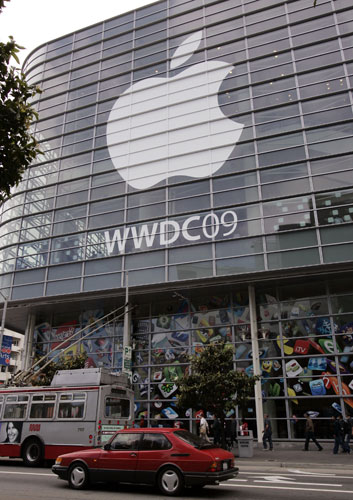
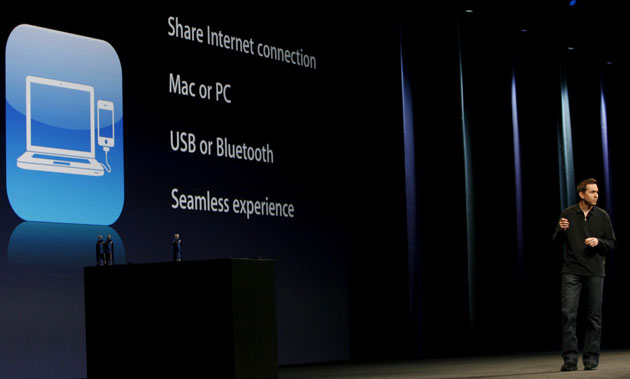
For many developers writing software for Apple system, this is the motherlode: the Moscone Centre in San Francisco, where this week Apple is holding the Apple Worldwide Developers Conference with detailed briefings about its softwarePhotograph: Paul Sakuma/APEven without Steve Jobs (though some expected him to appear), the Monday keynote is hugely popular: people began queueing hours before the 10am start.Photograph: Monica M. Davey/EPAScott Forstall, vice president in charge of iPhone software, explained how the next version of the iPhone OS - due on June 17 - will allow "tethering", where an iPhone can be used as a mobile broadband modem. But in the US AT&T has not announced plans, and in the UK O2 has said that it will charge extra to use the iPhone for "tethering" - to users' annoyance. It's not quite the "seamless experience" they thought they'd been promised.Photograph: Monica M Davey/EPA
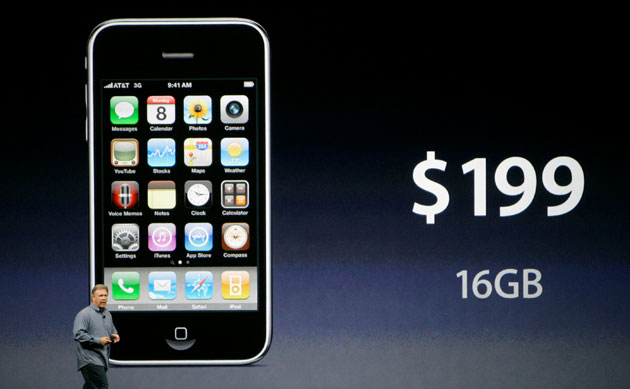
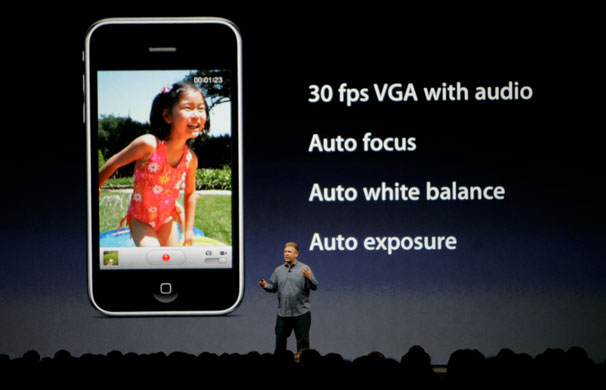
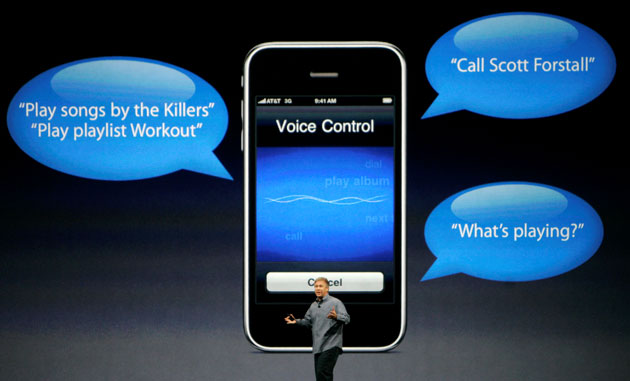
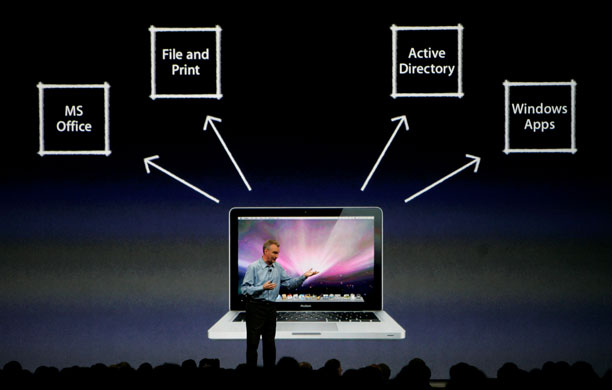
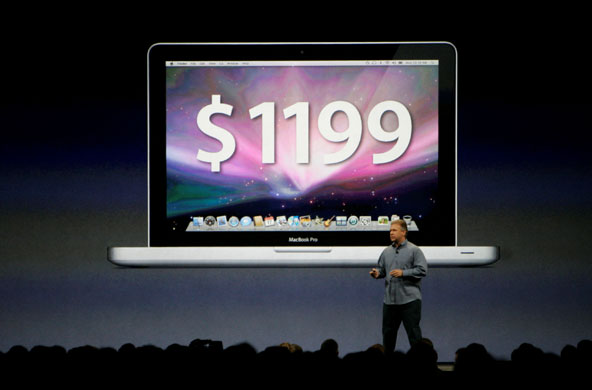
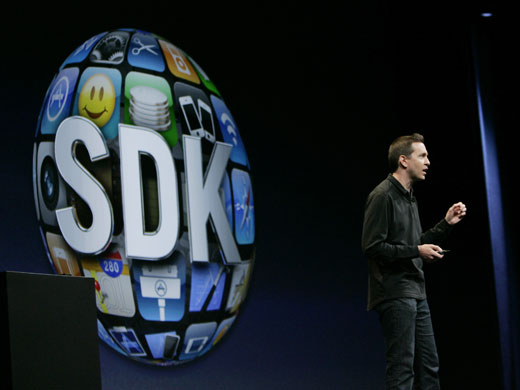
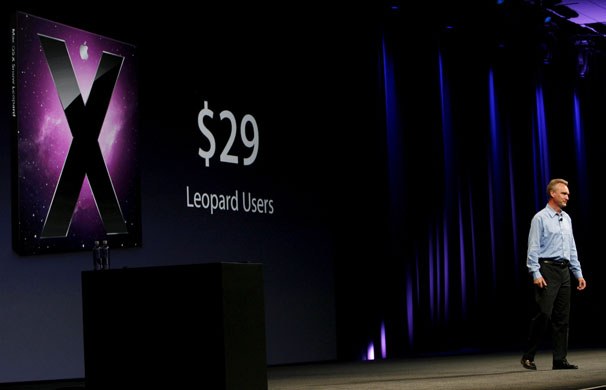
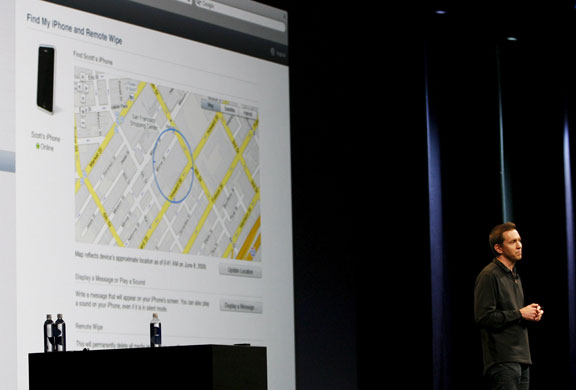
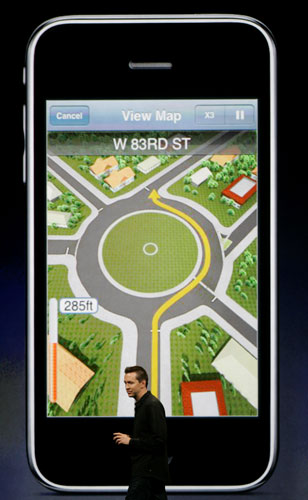
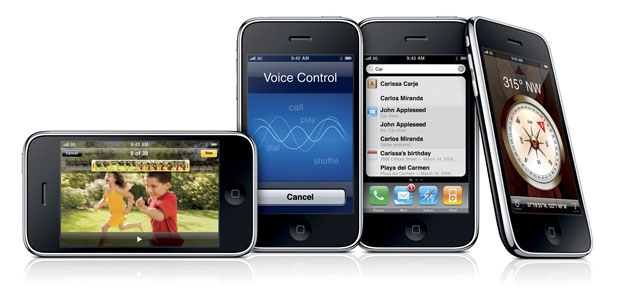
Phil Schiller, head of marketing at Apple., unveiled the iPhone 3GS: the "S", apparently, stands for "speed". At $199 (in the US) for the 16GB capacity, the price is competitive with other smartphones, and the price of last year's iPhone 3G was cut to $99 – creating a new floor to challenge rivals such as Palm's Pre. But many iPhone 3G owners were dismayed for find that O2 (in the UK) and AT&T (in the US) will hold them to the 18-month contract they signed last summer, with no automatic upgrade.Photograph: Jeff Chiu/APWhat's different about the iPhone 3GS? Notably, its ability to record video – plus the improvement to its camera (from 2 megapixels up to 3), and other standard film software inclusions. If you get an iPhone 3GS, you might not need to get a Flip video or Kodak Zi6 - which shows how Apple has moved from impinging on the phone business to spreading across all sorts of areas.Photograph: Jeff Chiu/APMany mobile phones have had voice dialling for years, but Phil Schiller was able to present it as a dramatic news. It didn't quite convince the audience (though it's a nice feature). Might Steve Jobs's legendary salesmanship have been able to persuade them differently?Photograph: Jeff Chiu/APBertrand Serlet, in charge of OS X development, explains how the next version of Mac OS X – codenamed Snow Leopard – will include support for Microsoft Exchange (for versions of Exchange Server 2007 onward). Gradually, Apple is fitting itself to standard corporate requirements.Photograph: Jeff Chiu/APThe consumer-level "aluminium" MacBook released last year has been upgraded – and is now part of the professional MacBook Pro line. That leaves only one model, the white MacBook, at the consumer end: it's an obvious gap that looks likely to be filled in the next few weeks.Photograph: Jeff Chiu/APScott Forstall didn't jump around the stage yelling "Developers! Developers!" but Apple recognises just as Steve Ballmer did that having people write software for your devices is essential. The SDK - Software Development Kit - is the toolbox they need.Photograph: Paul Sakuma/APWith the release date for Windows 7 announced in the week before WWDC, Apple needed something to hit back with. Snow Leopard, aka Mac OS X 10.6, doesn't offer any new features, except some more speed and about 6GB of reclaimed disk space. What did Apple do? Set the price for Snow Leopard at $29 for existing users of Leopard (Mac OS X 10.5). That's similar to the upgrade from 10.0 to 10.1 in September 2001, which was free. The comparison with Windows 7 – which will cost Vista users – is interesting.Photograph: Monica M. Davey/EPADo you know where your iPhone is? Scott Forstall explains the "Find my iPhone" feature, which requires the new iPhone software and a subscription to Apple's MobileMe service. As well as showing you where the phone is, it allows the data on the phone to be wiped remotely - a boon for nervous corporations. If the phone is found, Apple says, the data can be restored.Photograph: Monica M. Davey/EPAThe iPhone 3GS also includes a magnetometer, which means it can be used as a compass (though there's also the juicy prospect of someone turning it into a ferrous metal detector).Photograph: Jeff Chiu/APThat's the package: video recording, voice control, search across apps, and a compass. But will the mobile phone networks be able to make it attractive enough with their tariffs to keep sales growing as they have?Photograph: Reuters
Sign up to read this article
Read news from 100’s of titles, curated specifically for you.