The 20 photographs of the week: the World Cup from the streets of Brazil
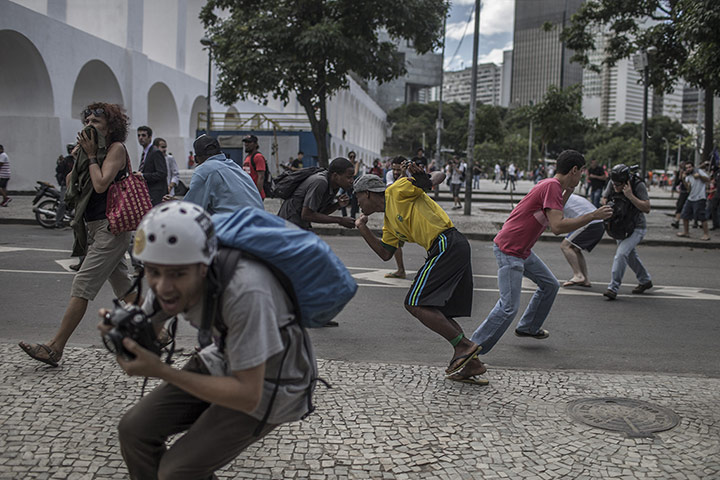
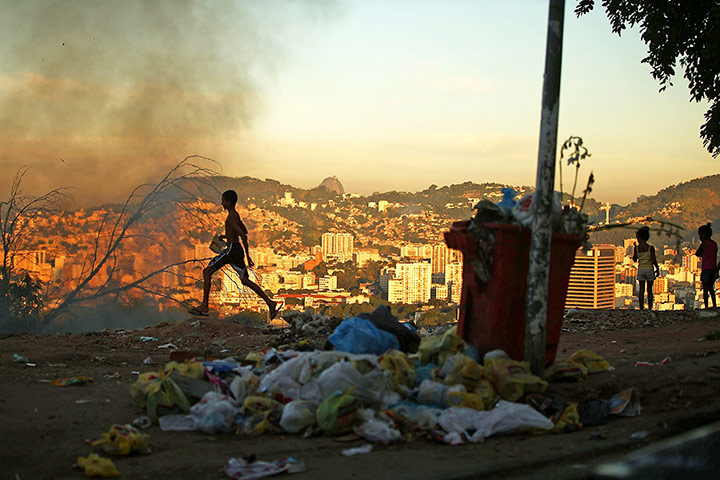
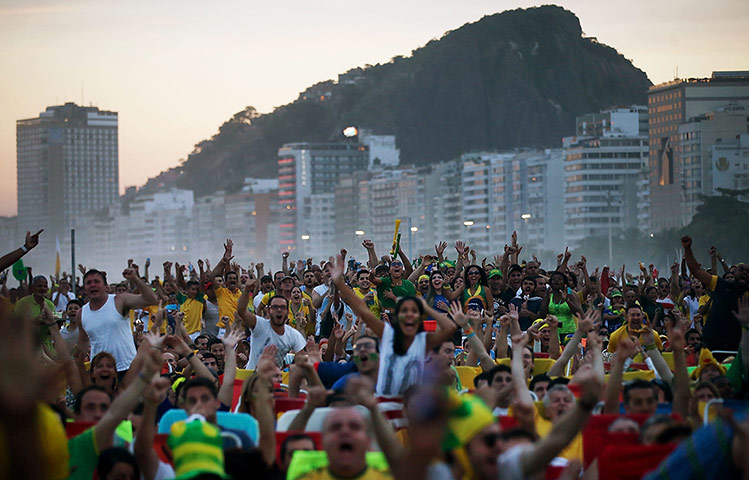
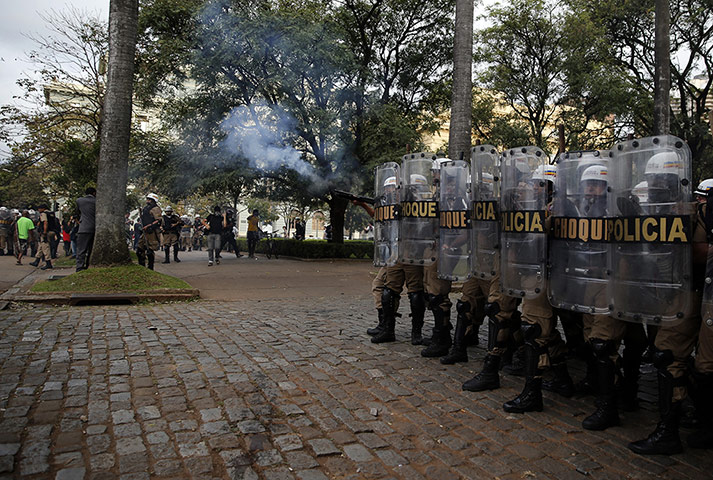
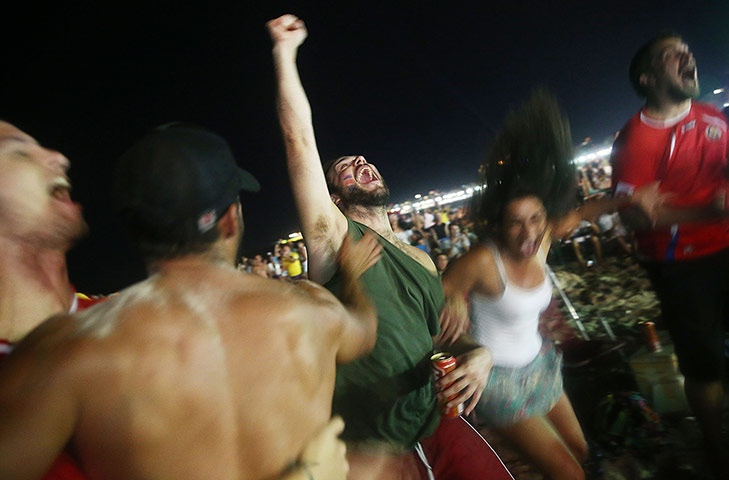
Riot police fired percussion grenades and teargas at anti-World Cup protesters in São Paulo and Rio de Janeiro as the countdown to the kick-off was marred by demonstrations in at least 10 Brazilian cities.Photograph: Oliver Weiken/EPAZico, who represented Brazil in three World Cups and scored 48 goals in 71 appearances for his country, wrote, 'Our preparations have not been the best and people are right to complain about rising costs and delayed works. The public purse is funding the World Cup and people are entitled to feel aggrieved'. Here, in this photograph from June by Mario Tama, a fire burns due to the lack of government funding for rubbish disposal in the Mangueira community, or favela, which overlooks the famed Maracana Stadium.Photograph: Mario Tama/GettyThe tournament itself was shaping up to be an enthralling spectacle. After the group stages chief football writer Daniel Taylor wrote: 'There was always going to be wonderful colour and energy at the home of jogo bonito but a great tournament needs great football before anything else and this one will be a classic if the vibrancy of the group stages extends to the next fortnight.' Here, Brazil fans cheer after Brazil scored the first goal against Cameroon on Copacabana Beach in Rio de Janeiro.Photograph: Mario Tama/Getty
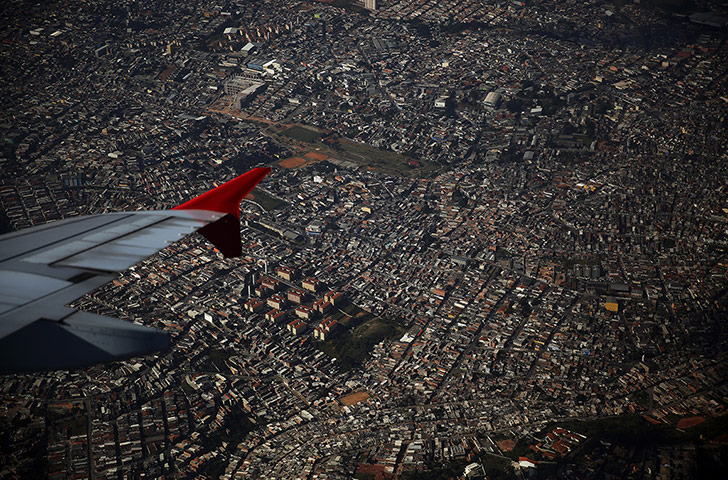
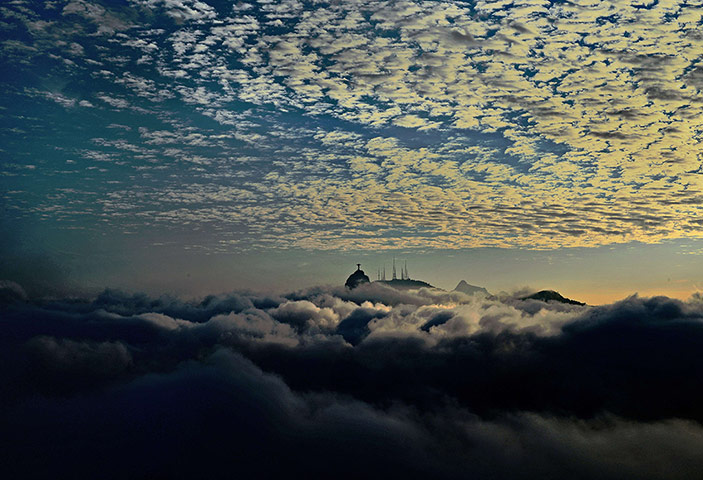
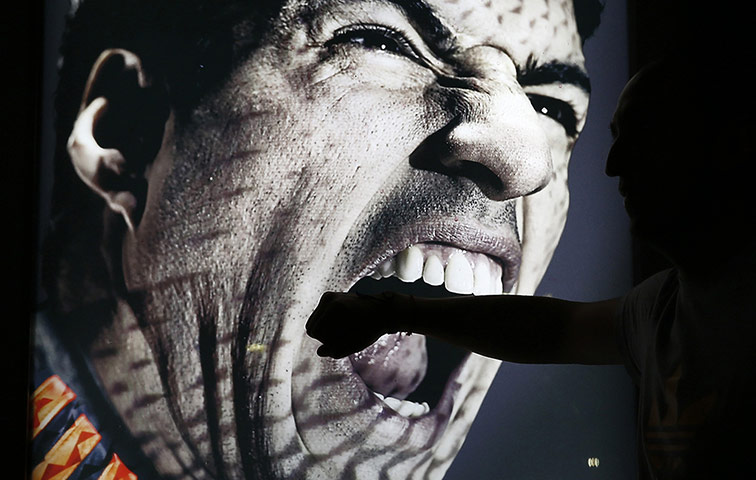
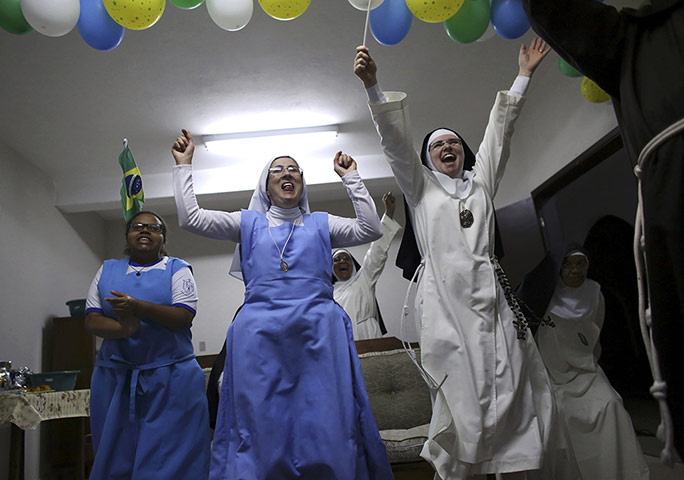
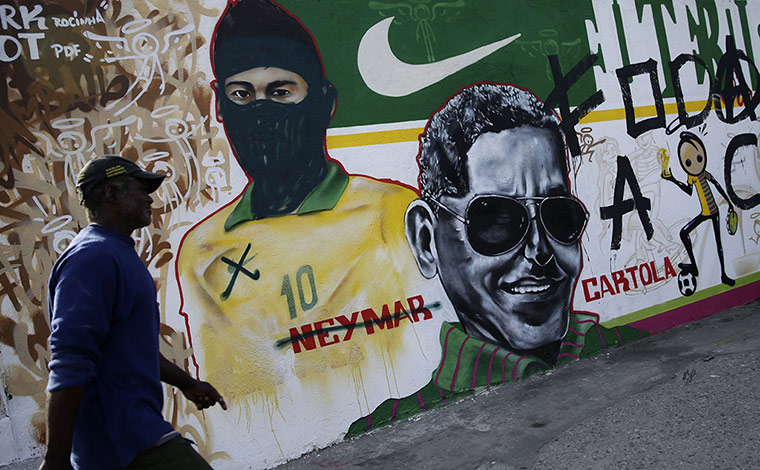
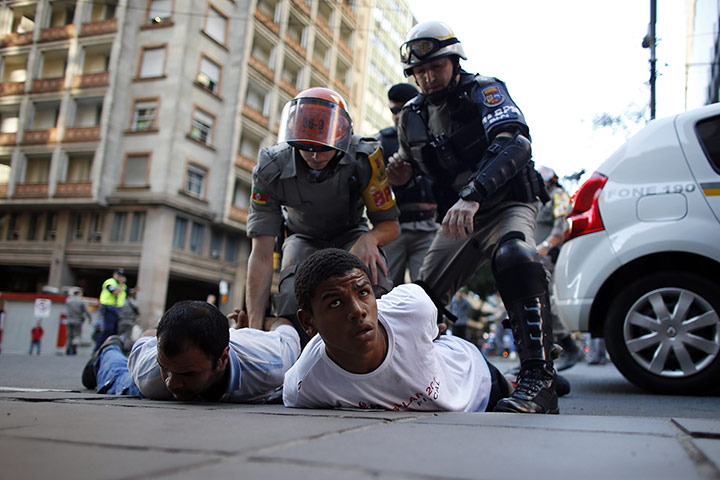
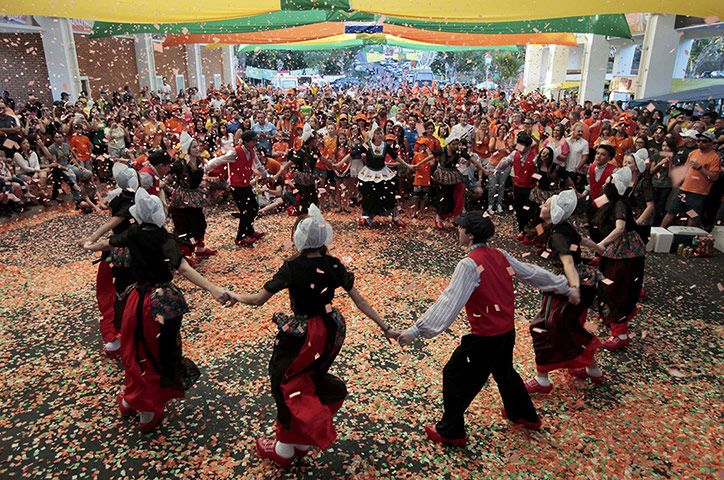
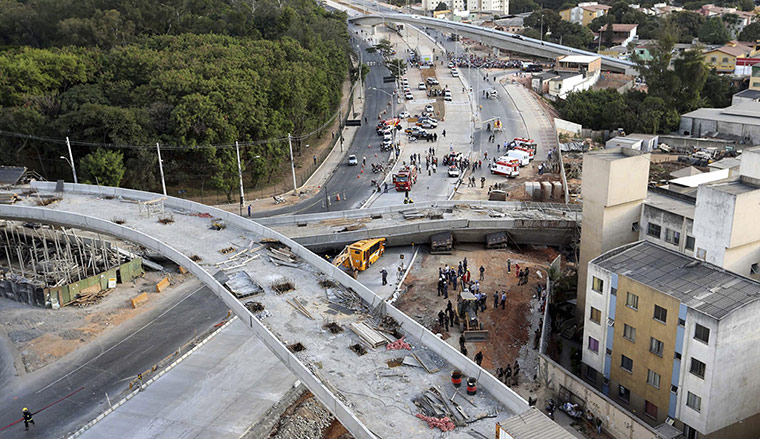
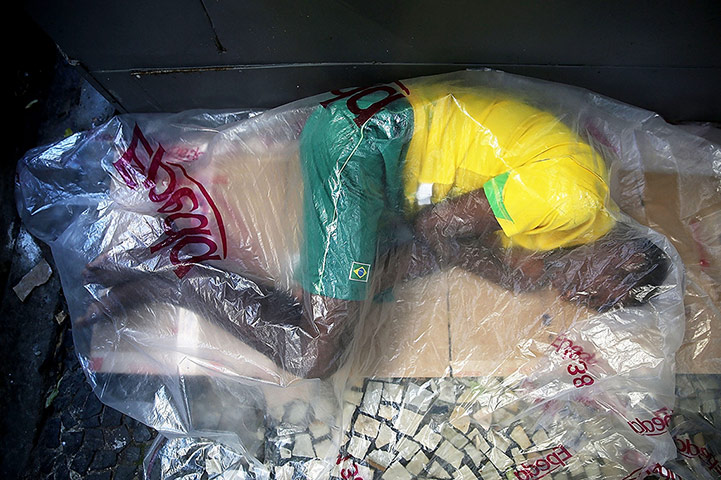
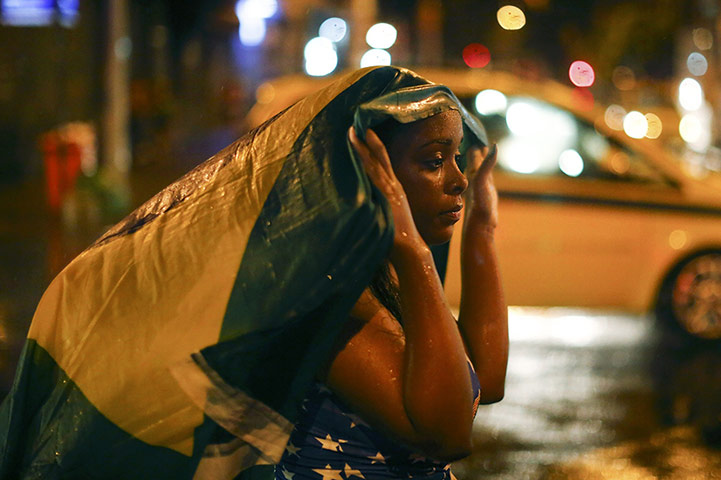
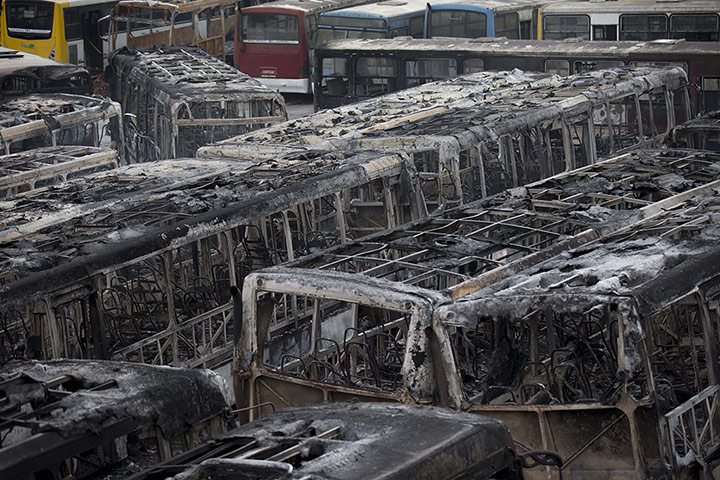
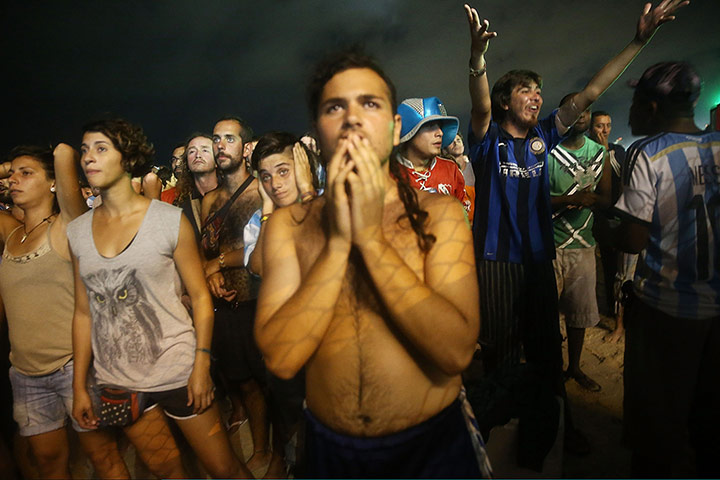
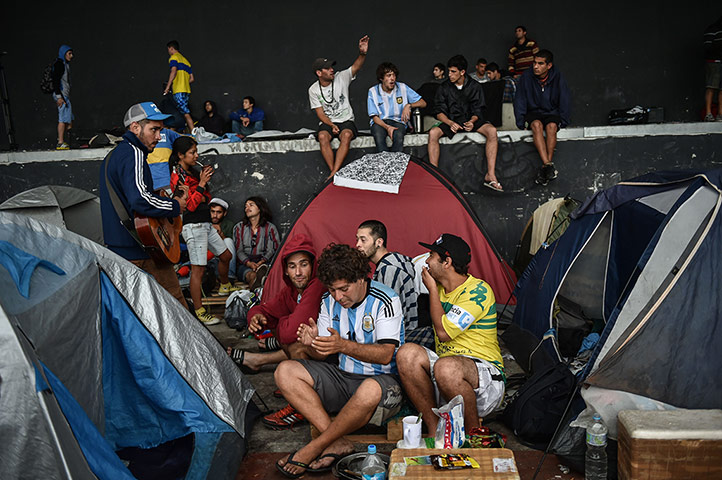
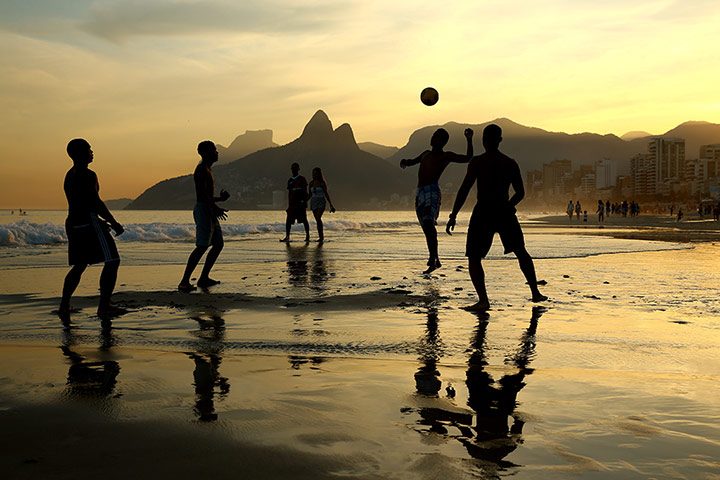
An aerial view of São Paulo is photographed by Damir Sagolj from the window of a plane. São Paolo was the venue for the opening match between Brazil and Croatia and also for Uruguay's defeat of England. England’s World Cup unravelled in the space of five days. Luis Suárez tormented England's defence scoring both goals.Photograph: Damir Sagolj/ReutersProtests continued in several Brazilian cities with demonstrators vowing to stay in the streets until concrete steps were taken to reform the political system. In Belo Horizonte, police used teargas and rubber bullets to disperse protesters who tried to pass through a barrier and hurled rocks at a car dealership.Photograph: Sergio Moraes/ReutersCosta Rica were the revelation of the tournament. The newspaper La Nación proclaimed Costa Rica as 'The Giant of the Group of Death' whose qualification 'caused madness' on the streets after schools closed down to allow children to join in the celebrations in the capital. Here, in another photograph by Mario Tama, Costa Rica supporters celebrate before the penalty shootout victory over Greece on Copacabana Beach.Photograph: Mario Tama/GettyThe Christ the Redeemer statue in Rio de Janeiro is photographed by Carl De Souza. The statue was lit with colours of all the participating nations throughout the tournament.Photograph: Carl De Souza/AFPThere were more protests around the country in opposition to inequality, corruption and overspending on tournament facilities but, with excitement about the national team growing, there was a sense that demonstrators were starting to get as absorbed as everyone else by the World Cup.Photograph: Nacho Doce/ReutersLuis Suárez was given a four-month ban for biting Italy’s Giorgio Chiellini. In the match following the ban, Uruguay were defeated by Colombia and their star performer James Rodríguez. Here, a man holds his arm in front of an advertising placard showing Uruguay's striker Luis Suárez baring his teeth in Rio de Janeiro.Photograph: Kai Pfaffenbach/ReutersColombia were defeated in the quarter-final against Brazil in a match that 'felt at times like sitting slightly too close to a scheduled volcanic eruption'. In this photograph by Nacho Doce, nuns from the enclosed monastery of Imaculada Conceicao celebrate Brazil's victory.Photograph: Nacho Doce/ReutersThe quarter-final victory came at a great cost to Brazil as Neymar was taken off on a stretcher following a challenge by Colombia’s Juan Zúñiga. He was taken to a private clinic in Fortaleza where an X-ray revealed he had fractured one of his vertebrae. Here, a man walks in front of a mural covered in graffiti featuring Neymar which has been modified to make the Barcelona striker look like a member of the Black Bloc protest movement.Photograph: Hassan Ammar/APProtest remained small in cities such as São Paulo and here in Porto Alegre and the mood was largely celebratory.Photograph: Marko Djurica/ReutersSons and daughters of Dutch immigrants dance in traditional costumes before watching the quarter-final game between Costa Rica and the Netherlands in Holambra, a Dutch immigrant colony.Photograph: Paulo Whitaker/ReutersRescue workers try to reach vehicles trapped underneath a bridge that collapsed while under construction in Belo Horizonte. The expansion of the network of bus corridors was part of the World Cup infrastructure plan but, like several construction projects, was not finished on time for the tournament.Photograph: Stringer/ReutersA man sleeps on a pavement in Copacabana. The economic problems highlighted by the protests were visible on the streets of Rio.Photograph: Mario Tama/GettyA fan walks in the rain after watching Brazil's dramatic loss against Germany in the semi-final. Senior sports writer Barney Ronay wrote: 'It is hard to think of a more eviscerating defeat in any sport, ever. World Cup favourites; hosts at a $11bn home World Cup. Plus, of course, throw in the preceding bluster, the ludicrous, liturgical furore over Neymar’s injury'.Photograph: Jorge Silva/ReutersPassenger buses were torched after the heavy defeat by the Germans. Brazilians woke up the morning after to newspaper headlines describing the shame and humiliation of the historic 7-1 loss.Photograph: Dario Lopez-Mills/APArgentine supporters watch the semi-final against the Netherlands on Copacabana Beach. Argentina went on to win in a penalty shootout to meet Germany in the final at the Maracana.Photograph: Mario Tama/GettyArgentine fans camp at Terreirao do Samba in Rio de Janeiro. The city geared up for up to 100,000 Argentine fans arriving by car, bus and motorhomes for the World Cup final.Photograph: Yasuyoshi Chiba/AFPYoung men play beach football as the sun sets on Ipanema beach in Rio de Janeiro.Photograph: Richard Heathcote/Getty
Sign up to read this article
Read news from 100's of titles, curated specifically for you.