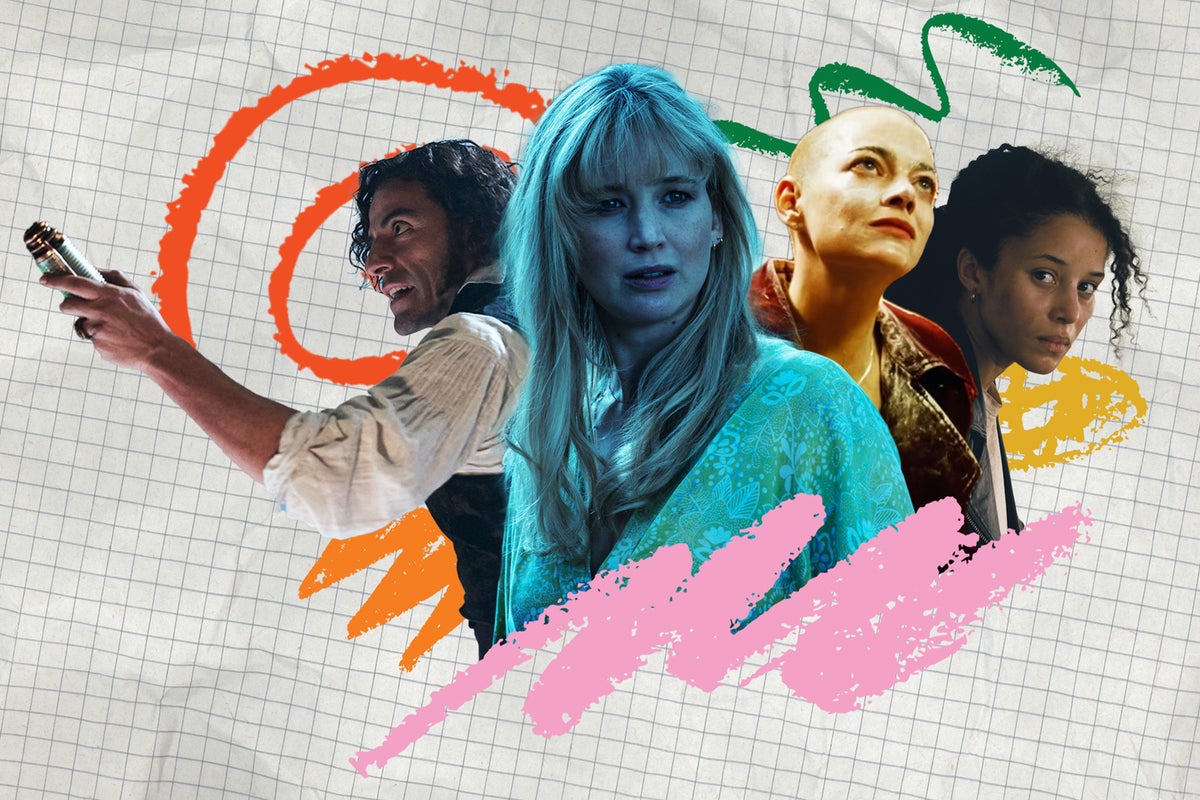
When I think of 2025, I can’t help but think of how it started, with the loss of a titan and a personal hero of mine, David Lynch. In my confused and frightened teenage years, I caught a late-night showing of Blue Velvet on television and I remember what it taught me: that, yes, the world is a very cruel place. There is an evil that breeds in its soil and bubbles up to the surface in new, awful ways every single day. But there is also love. And love can sometimes be found in the movies. They can promise you that tomorrow will be better. And you can believe it.
I can’t help, then, but also think of how the year has ended, with an endless news ticker of corporate monopolies, mass layoffs, and advancing AI, and how the entire industry behind the films we love, the little beacons of light, feels so at risk. But still, despite the obstacles, 2025 has provided me (and I hope you) with so many of those little beacons of light. We should treasure them.
I’d like to celebrate my favourite 15 films from this year below.
15. Mickey 17
As of now, Warner Bros’s future, and potentially the wider viability of theatrical distribution, hangs in the balance. CEO David Zaslav’s disastrous time at the studio’s helm has ended with the company now at the centre of a hostile acquisition war between Paramount and Netflix over its studio and streaming assets. Ironically, Warner Bros has had one of its strongest years critically and commercially on screen, between the likes of Sinners, Superman, Weapons, One Battle After Another, and, in the US, F1.
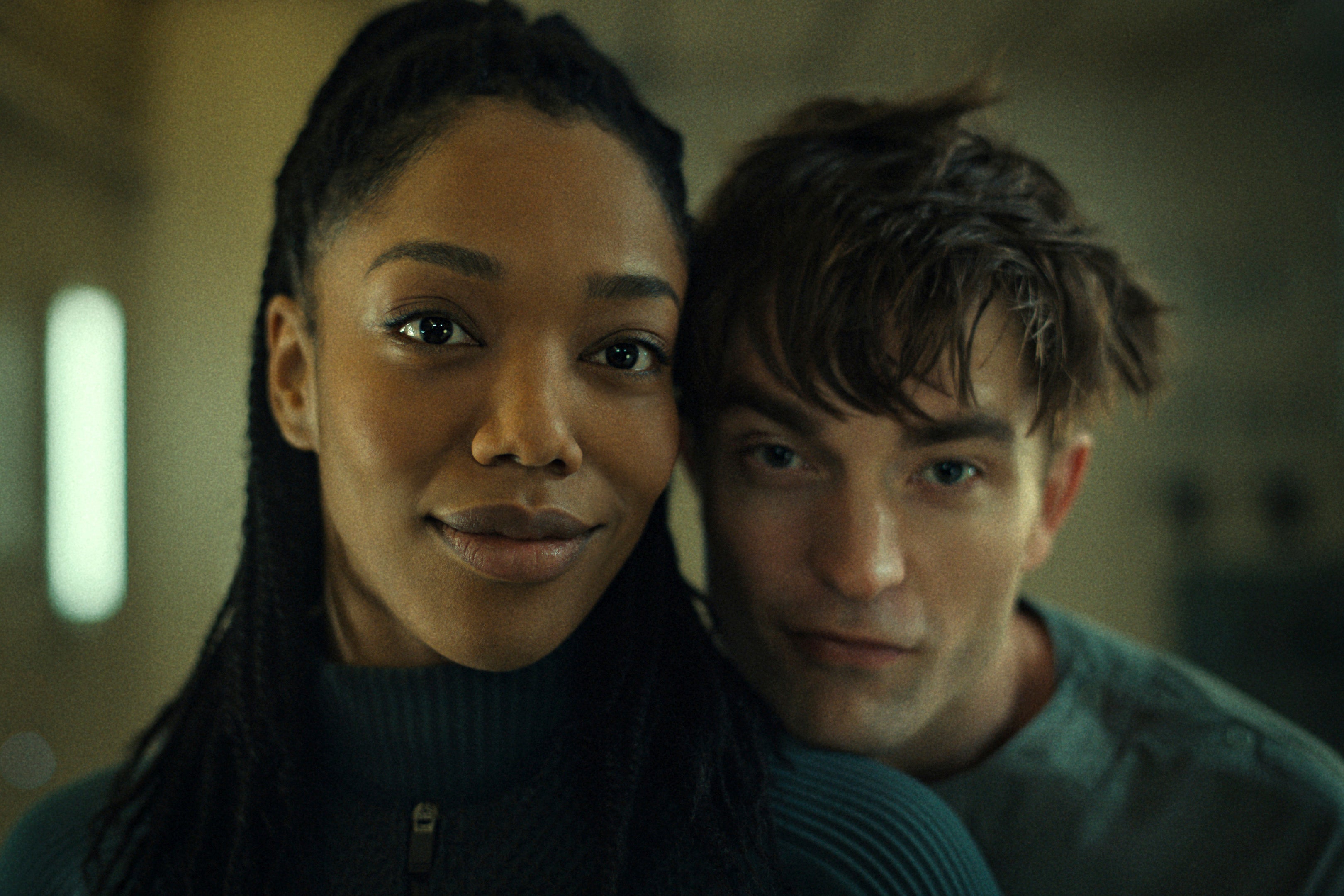
And while Bong Joon-ho’s $80m (£63m) anti-capitalist, absurdist sci-fi follow-up to Parasite (2020) didn’t quite make its return on investment, its unexpected kick from the wearily cynical to the life-affirming has stuck with me through the passing months. Between the yak-haired, insectoid “creepers”; the utilitarian workplace comedy; Naomi Ackie’s sunshine-beam grin; and Mark Ruffalo’s very funny Trump-adjacent statesman; the real heart here lies in its luckless hero, Mickey Barnes (Robert Pattison), who’s signed up to work, die, be 3D-printed into existence again, work, die, be 3D-printed into existence again etc etc. By the time the credits roll, he’s found an answer to the question: what’s the point of being alive in a world that deems us worthless? That’s made the apocalyptic feelings a little more manageable.
14. Pillion
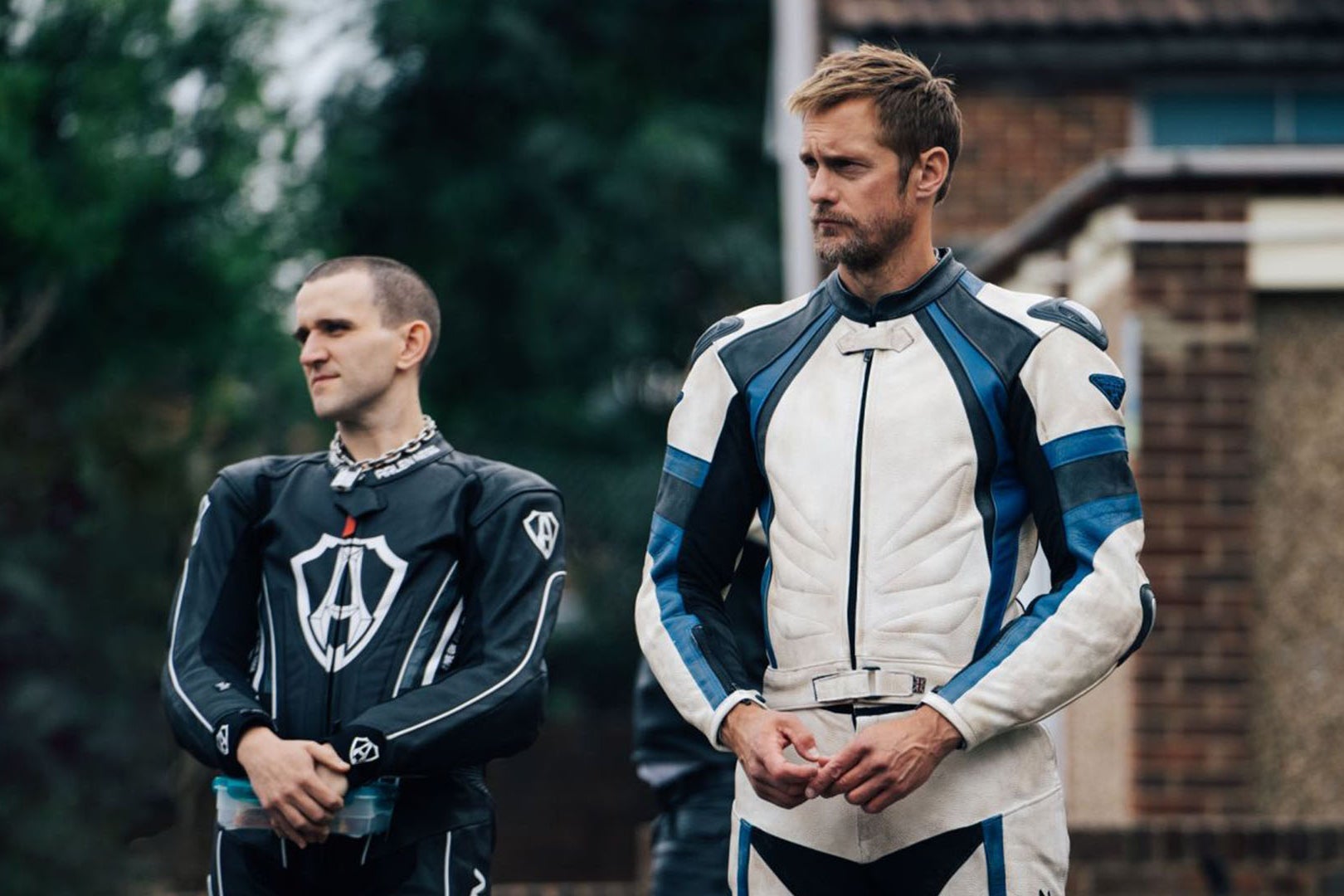
It’s been a banner year for cinematic kink. Thanks to both Babygirl and Pillion, there’s some hope that general audiences will have walked away from 2025 with an understanding of BDSM that’s a touch more developed than what lies, gagged and spanked, between the pages of Fifty Shades of Grey. It’s not just that writer-director Harry Lighton’s debut is sexy – and Harry Melling’s Colin meekly declaring that he has “an aptitude for devotion” to Alexander Skarsgård’s leather-clad biker Ray is definitely sexy – but that it’s sweet and deeply romantic, too, in how these two characters try to find harmony even when their desires might be at odds.
With the full endorsement and involvement of the Gay Bikers Motorcycle Club, Lighton’s loose adaptation of Adam Mars-Jones’s novel Box Hill is a rhapsodic depiction of kink as community. There are countryside weekends with campfires and picnic tables and orgies. It’s a film that involves delicate, intuitive work from Lighton, his actors, and especially from intimacy coordinator Robbie Taylor Hunt – all to ensure that submission never comes across as coercion and that dominance is never equatable to cruelty. Cinema could always do with the kinds of shakeups Pillion offers.
13. Hedda
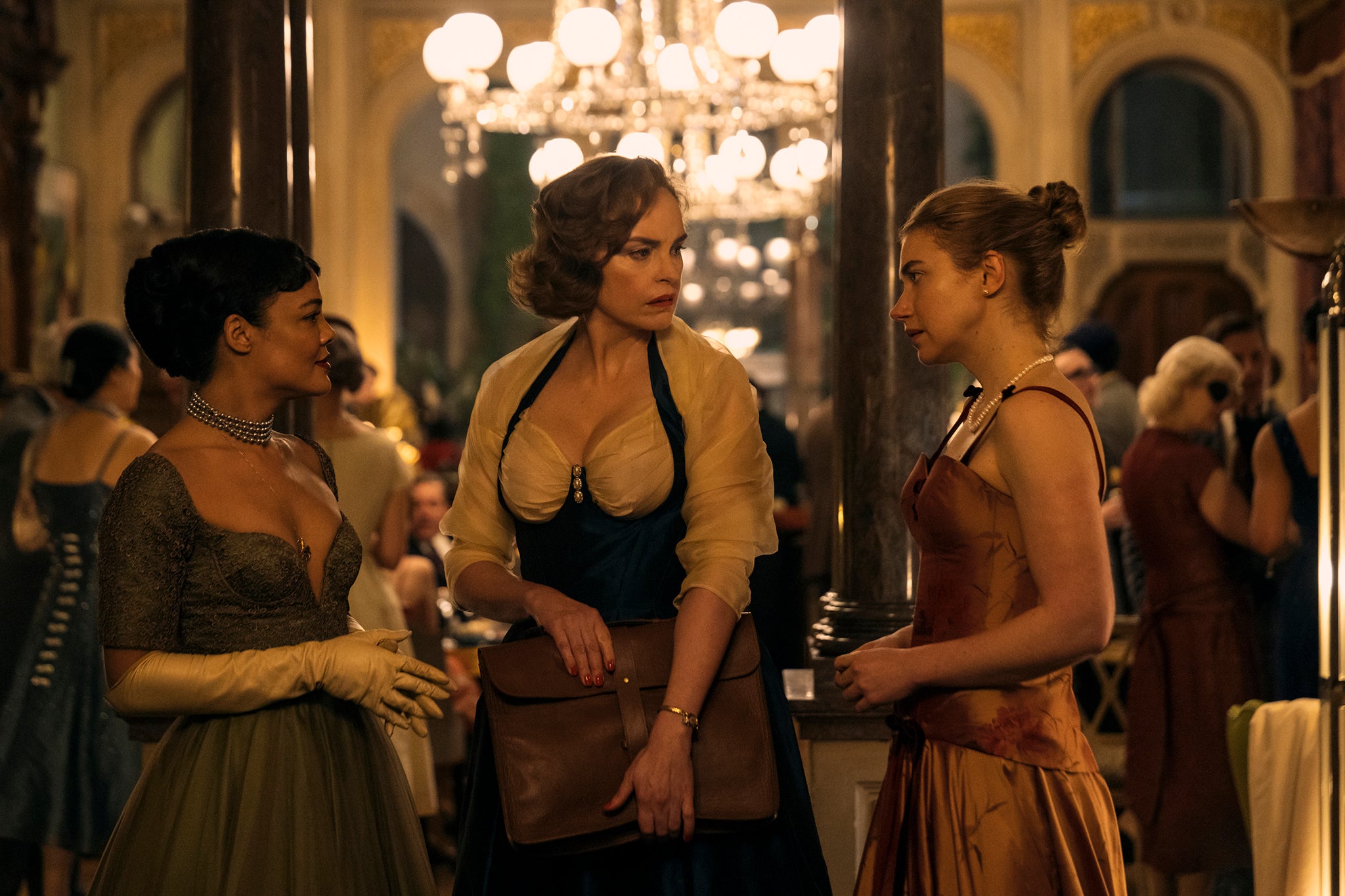
It’d be easy to say writer-director Nia DaCosta delivered us a total reinvention of Henrik Ibsen’s play Hedda Gabler and leave it at that. It’s a shot of adrenaline. Who could resist? But, really, that undersells the achievement here. There are marked differences in its structure, in the way it teases the playwright’s (reliably) tragic conclusion, in its relocation to a 1950s cocktail party at an English country home, in its changes to the race and gender of some of its characters. But, like another take on a classic that I’ve placed at the very top of my list, DaCosta’s vision is in total, enthusiastic alignment with Ibsen. Their souls touch.
DaCosta commits, full-throated, to Ibsen’s voracious, dissatisfied, cyclonic creation, to the stifled but exquisitely beautiful young woman who’s tethered herself to a dull mind through marriage. Hedda (Tessa Thompson) is bitter enough to risk both the fortunes of an old flame, Eileen Lövborg (Nina Hoss), and an old schoolmate, Thea Clifton (Imogen Poots), for just a taste of their freedom.
It matters that Lövborg, here, is a woman. It matters that this Hedda is Black. But these choices only accentuate the powder-keg instability of Ibsen’s work, which DaCosta and Thompson capture with sensual command.
12. Black Bag
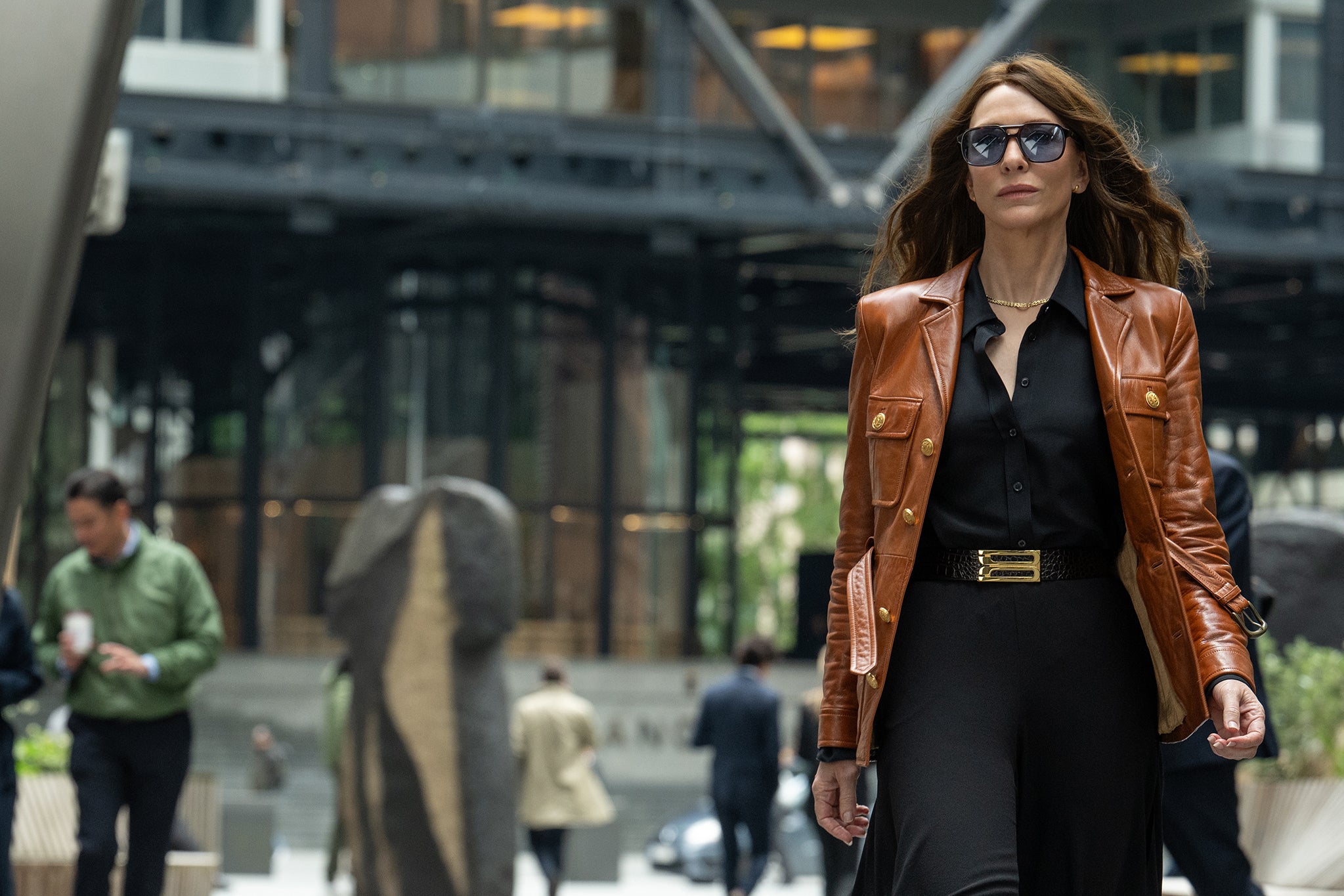
What Pillion did for what’s queer and kink, Steven Soderbergh’s spy thriller Black Bag did for what’s heteronormative and monogamous. And, arguably, it had the harder job. The second of the director’s two-punch of old school, cinematic craftsmanship – after his (also excellent) lo-fi POV ghost story Presence – Black Bag is a film about the most sexily efficient marriage spliced together in such a sexily efficient way that every second of its 94-minute runtime is a thrill.
Bedecked in soft leather trenches and cashmere turtlenecks, provided by costume designer Ellen Mirojnick, and followed around London by the elegant chime of David Holmes’s score, Cate Blanchett and Michael Fassbender flex their martini-chilled appeal as married spies Kathryn and George Woodhouse. They move in the confident, languorous way that harkens back to an older kind of movie star, the kind who could control a scene with nothing but a flick of the hair or a subtle adjustment of the cuff. George hears there’s a mole in the agency and one of the suspects is Kathryn. What’s to be done? And when everyone’s compromised by the malevolent vehicle that is international espionage, can there ever exist such a thing as a “good” lie?
11. From Ground Zero: Stories from Gaza
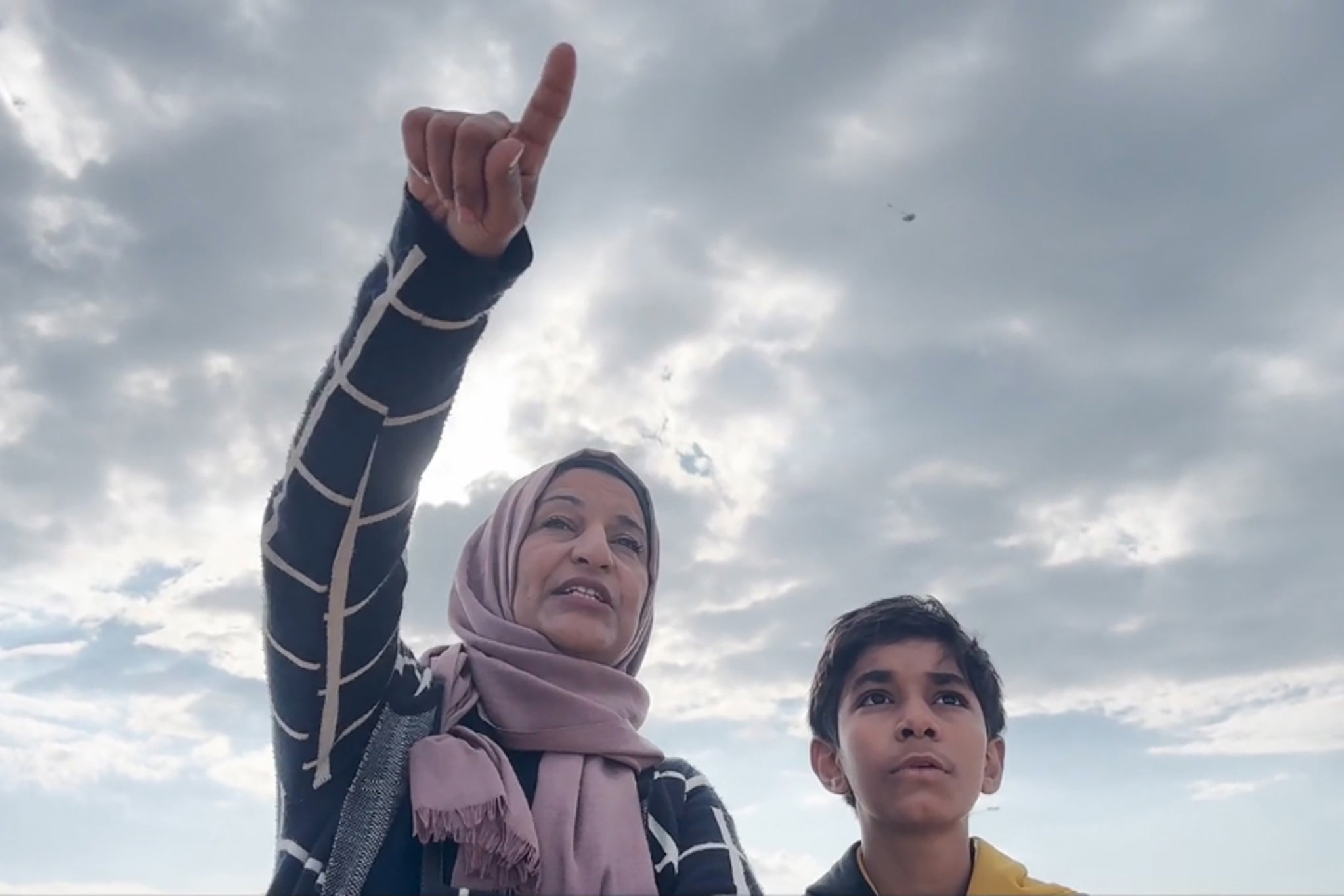
In a year of beautiful, defiant work by Palestinian filmmakers, as well as non-Palestinians, about the genocide – among them Annemarie Jacir’s Palestine 36, Sepideh Farsi’s Put Your Soul on Your Hand and Walk, and Mahdi Fleifel’s To a Land Unknown – the one I particularly wanted to draw attention to is From Ground Zero: Stories from Gaza, produced by Palestinian filmmaker Rashid Masharawi. It’s an anthology of 22 shorts, all made in Gaza at the end of 2023. It’s truly remarkable.
A multi-disciplinary work, combining fiction and documentary alongside stop-motion animation, it encompasses every experience, every outlook, every expression of heartbreak and every preservation of joy. Not only does it feel vital for us to witness this, but the film’s as honest an examination of the value of art as you can find, expressed by artists having to make the most impossible decisions. What can the impulse to create survive? What sustains it?
In Nidal Damo’s “Everything Is Fine”, a comedian still tells jokes in the rubble. Etimad Washah appears on camera, several minutes into “Taxi Wanissa”, to tell us that her brother was killed by an Israeli bomb. She doesn’t have the strength to complete her film. A project like this, really, should exist beyond the relative superficiality of lists and awards, but I’ve placed it here in the hope that readers will seek it out.
10. Bugonia
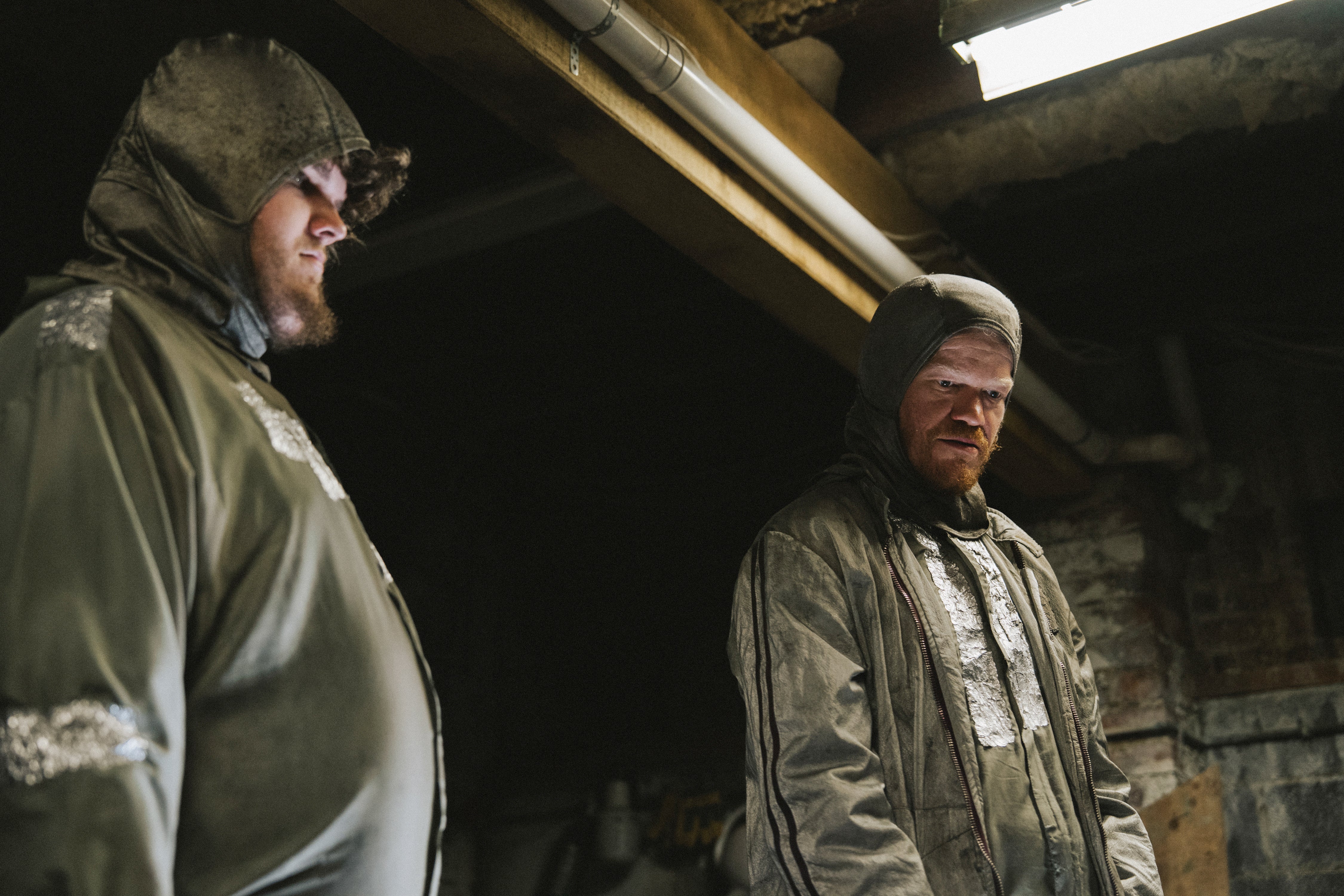
As I wrote in my review of Bugonia, the world as of now “feels like the punchline to a joke someone would make on their deathbed”. I think it explains my particular attraction to Mickey 17 and to this, Yorgos Lanthimos’s darkest fable, still packed with its own moments of strange levity. Both are speculative fiction only in the outline. The maybe or maybe not of extraterrestrial life doesn’t make much difference when the outsized loneliness of their downtrodden heroes feels as real and relevant as it can get.
Yet Bugonia, which sees Lanthimos join forces with Succession writer Will Tracy for an adaptation of Jang Joon Hwan’s Save the Green Planet! (2003), has a few added complications up its sleeve. That Teddy (Jesse Plemons) would kidnap the head of a pharmaceutical company (Emma Stone) makes an uncomfortable amount of sense once we understand that her need for profit destroyed his life, even if he’s insisting she’s really an alien emissary.
Only Lanthimos has us constantly questioning where our empathy should lie: is this a righteous crusade? Or an excuse to inflict violence on a woman? At the centre of it all sits Teddy’s cousin, Don (Aidan Delbis), a young autistic man who offers us our best hope for some moral clarity. See, Lanthimos isn’t a nihilist, really. It can just be hard, sometimes, to be honest about humanity without coming across as one.
9. Nosferatu
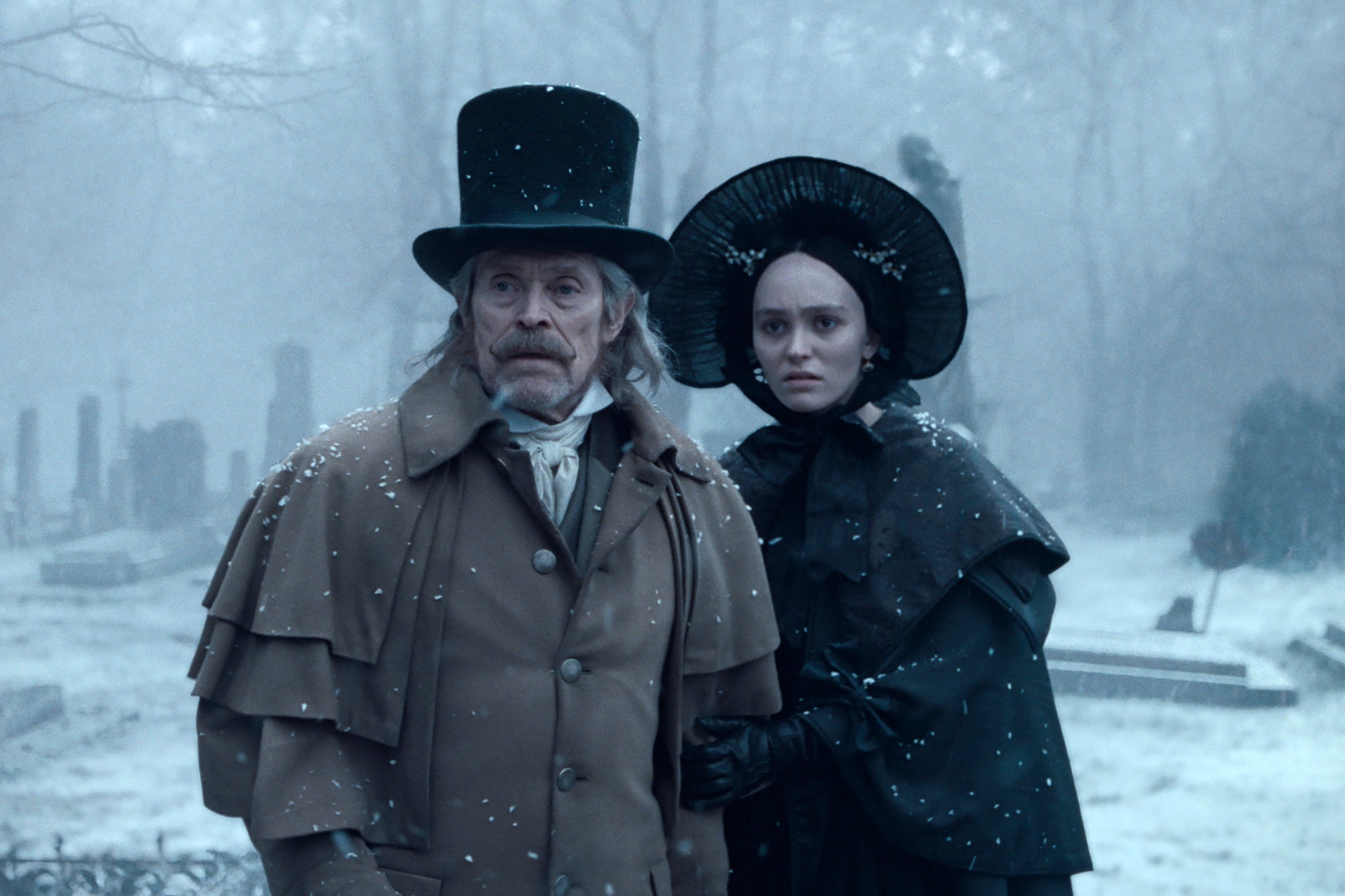
It’s no surprise that the Gothic has made such a sharp and sudden comeback with the likes of Robert Eggers’s Nosferatu, Guillermo del Toro’s Frankenstein, and, on the horizon, Emerald Fennell’s Wuthering Heights and Radu Jude’s Dracula. Their 19th century predecessors were issued from a place of deep uncertainty about the future, an impassioned reaction against industrialisation’s destructive hold on all that is natural, spontaneous, emotional, and intangible. All the elements, ultimately, that make us human.
There’s a profound comfort to be found, then, in returning to these stories in a year where AI poses a more enhanced version of the same threat. And in Nosferatu, the vampire, via FW Murnau’s 1922 silent classic, is stripped back to his original, Gothic form, as the Jungian shadow self. He is a reflection of every repressed feminine desire, of the impulses women – both then and, regrettably, still now – have been told are shameful and perverse.
These ideas are rendered authentically through the eyes of a young woman of the 1830s, Ellen Hutter (Lily-Rose Depp) – targeted by the wraith-like Count Orlok (Bill Skarsgård). Gorgeously trimmed with Eggers’s precise eye for historical detail, Nosferatu is hardly a dusty museum piece. There’s ecstatic life pumping through every frame.
8. One Battle After Another
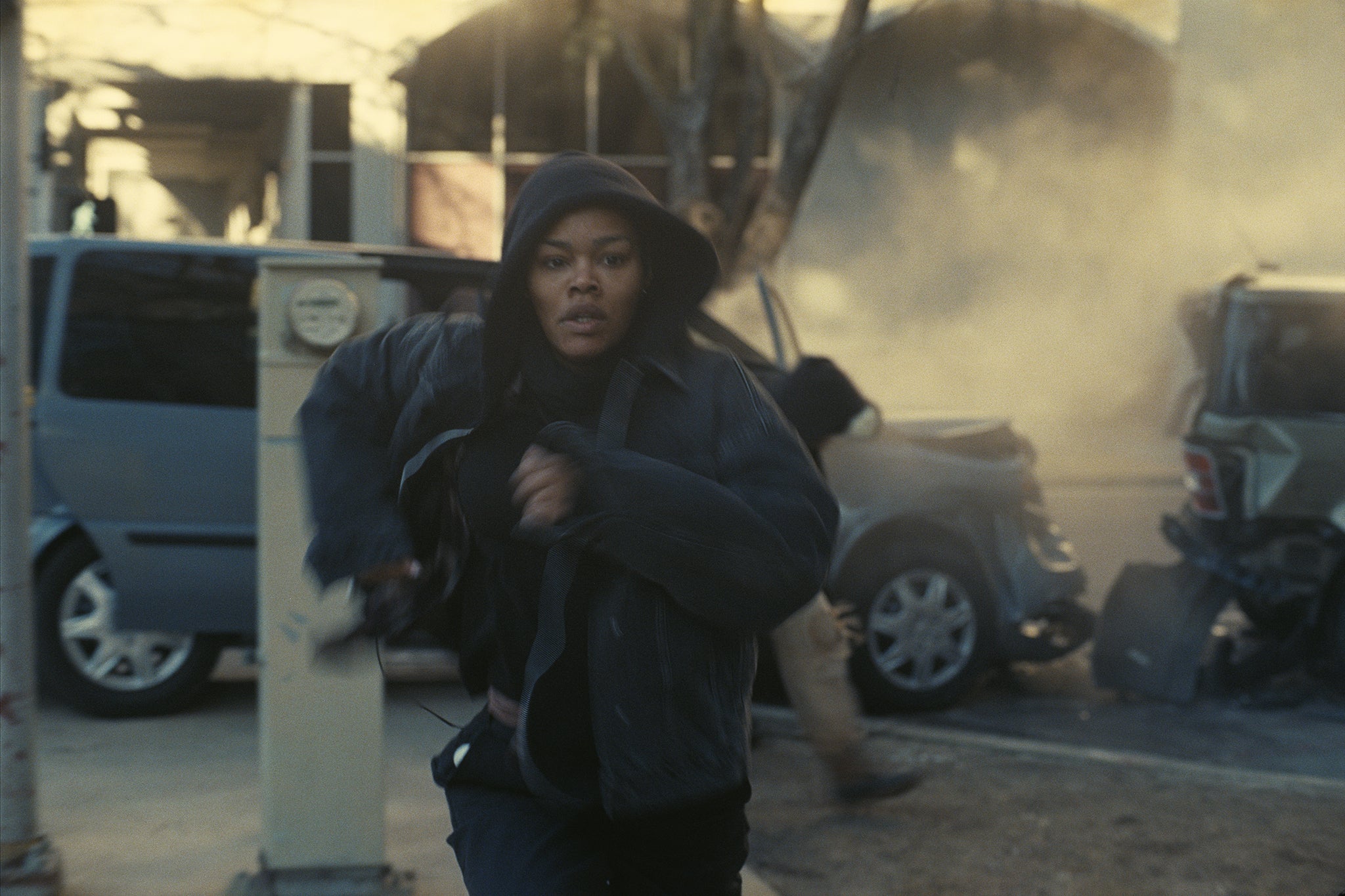
Teyana Taylor’s Perfidia Beverly Hills is undeniable. Taylor doesn’t just give us one of the year’s best performances, but also a towering cinematic image – she’d be IMAX even if you watched One Battle After Another on your phone (do not do this). In Paul Thomas Anderson’s second take on Thomas Pynchon, an adaptation of his 1990 novel Vineland, we open with Perfidia marching into an immigration detention centre, knocking Colonel Steven J Lockjaw (Sean Penn) to his humiliated knees, and telling the world, “this is an announcement of a motherf***ing revolution”. Instant celluloid immortality.
But One Battle After Another’s place here on this list has as much to do with its magnitude – the way Anderson can move a film with the smooth glide of a cigarette drag – than with the smaller, quieter ways it deals with the question of what to do when the revolutionary dreams of youth haven’t been fulfilled and life goes on.
Taylor’s performance is all about righteous fury, but it’s also about a mother who knows she’s let down her daughter (played by Chase Infiniti, in her screen debut). Leonardo DiCaprio, as the father, is an accomplished clown, but he’s poignant, too, when placed in the same position of regret. And so, the film leaves us with a little parcel of hope. To the next generation, “maybe you will be the one to put this world to right”.
7. The Shrouds
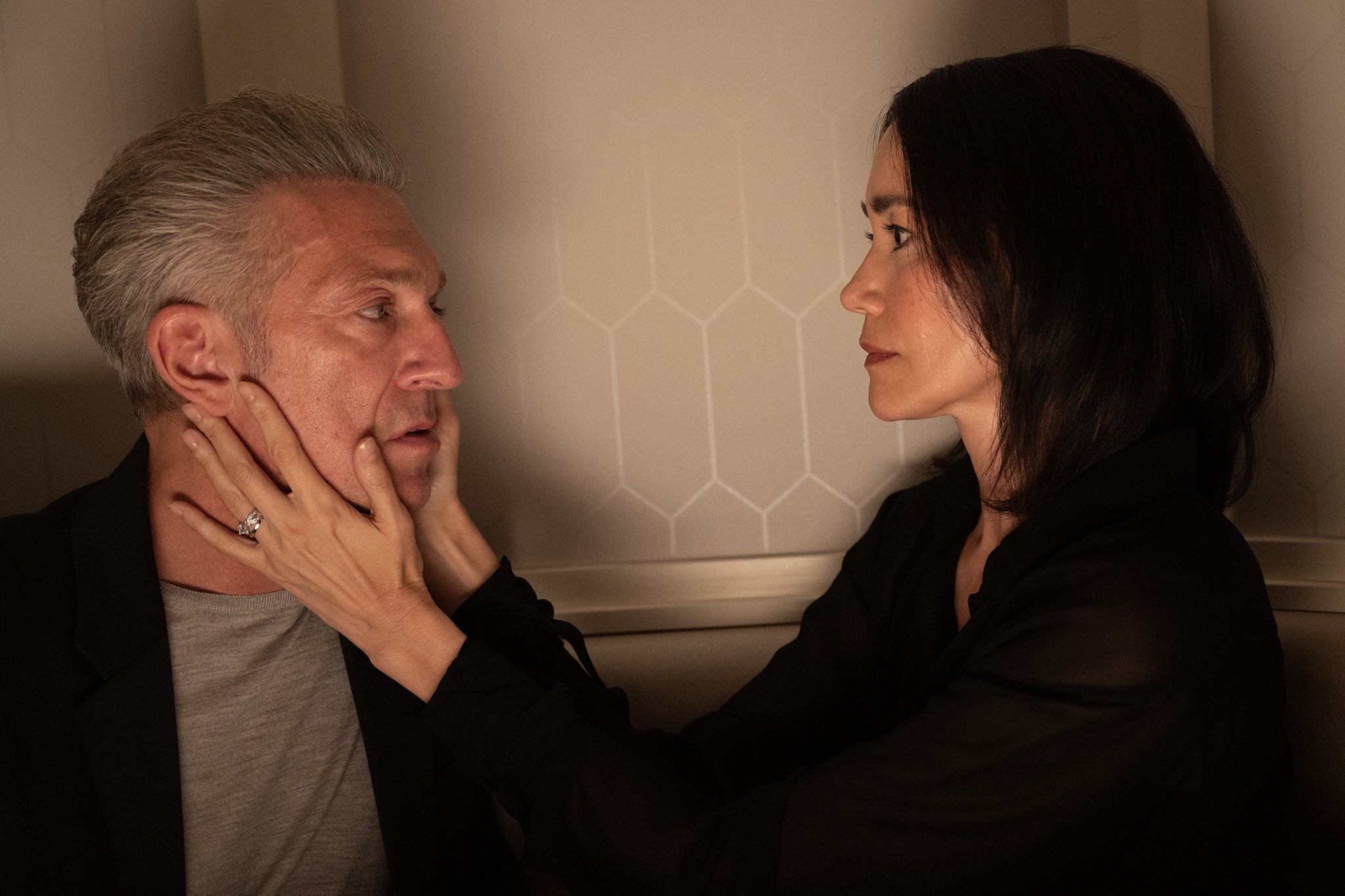
I’ve never seen grief depicted quite in the way it is in The Shrouds. Evidently, its director, Canadian maestro David Cronenberg, agrees. His motivation to tell a story of a man dressed in his same black with his same white-grey hair (Vincent Cassel’s Karsh), who builds a tomb for his wife with a three-dimensional CT scan of her body so he can watch her slowly disintegrate, comes from his own dissatisfaction. His wife of 38 years, Carolyn Zeifman, died in 2017. None of the books on loss he read seemed to express what he felt.
And so The Shrouds, the Cronenbergian grief book, expresses the unexpressed in a stunning new form. It’s morbid, yes, and not made for every constitution, but I found myself completely drawn in by the director’s idea of grief as something entirely visceral, as a tangible pull towards the dead. Karsh expresses the urge to climb into his late wife’s (Diane Kruger) coffin. He loves every part of her. And that includes the body, even when it’s at its sickest. This film is complex, and radical. And it’s a great testament to the core philosophy – that the body is the seat of the soul – of one of our most visionary filmmakers.
6. Die My Love
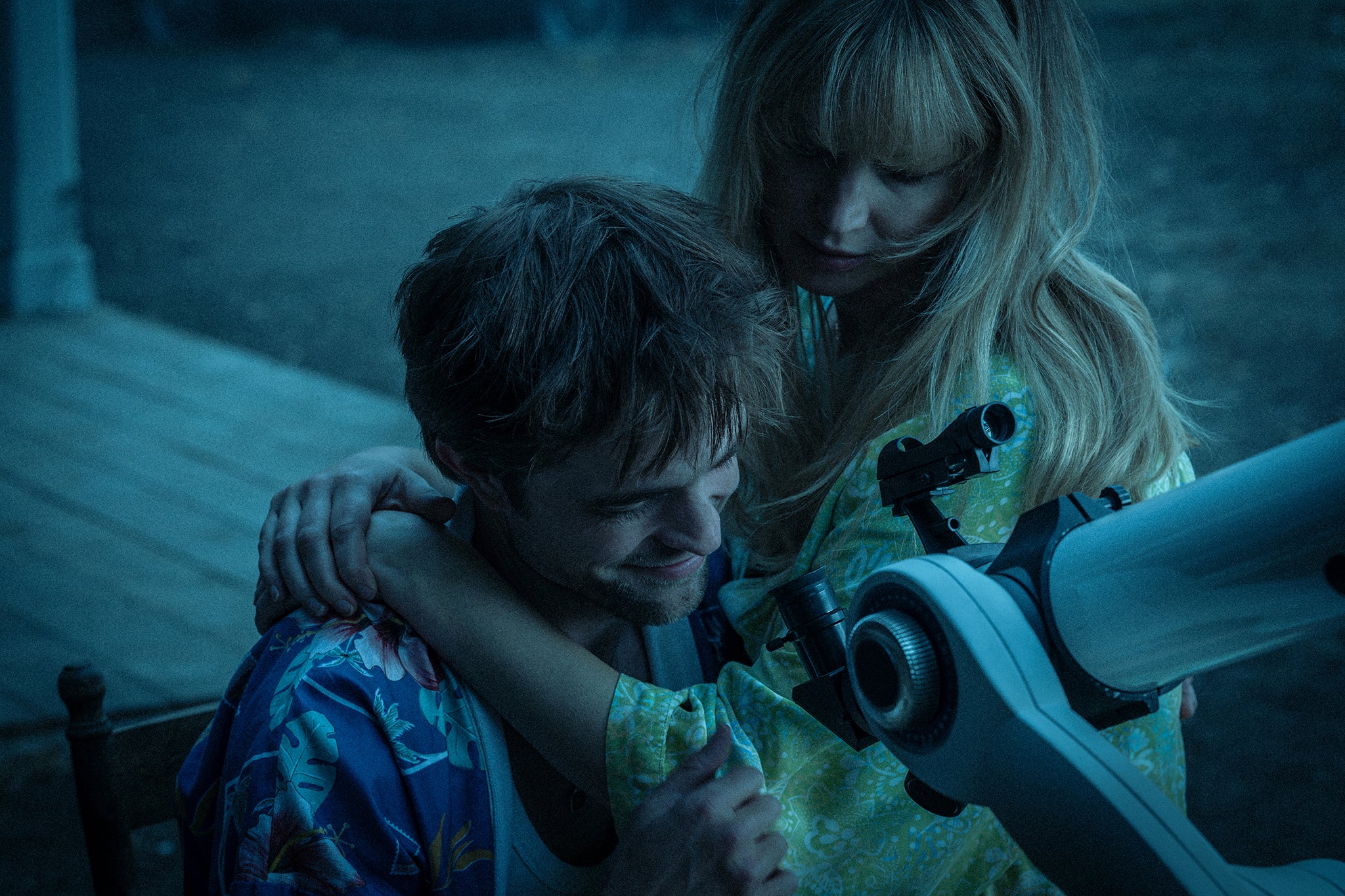
Lynne Ramsay looks at people with honesty even when they’re in their most wild, untethered forms. Madness, for her, has no romance, no tragedy, no delicious drama to it to revel in. In Die My Love, her adaptation of Ariana Harwicz’s 2012 novel, all we have is the sickness, in all its itchy and insidious little manifestations.
Grace has recently relocated from New York to live in a remote farmhouse with her husband Jackson (Robert Pattinson), in order to raise their newborn son. The change of scenery and circumstance does nothing to stem the black mood gurgling up from her stomach. It only makes it worse. The director’s found the ideal figurehead for her ideas in Lawrence, who has a skill in playing both a character’s true vulnerabilities and the performance they place in front of it. Grace never asks for help. She can’t express how she feels.
Instead, she acts out by snapping at a too-perky cashier (“why are you talking?”) or letting her breast milk drip down into a puddle of ink, mixing in her frustrations as both mother and writer (she was meant to be writing the great American novel). Trapped within a cramped, 4:3 aspect ratio, there’s nowhere to escape the soullessness in Lawrence’s eyes and droning buzz of idle flies. It’s an unshakeable film.
5. It Was Just an Accident
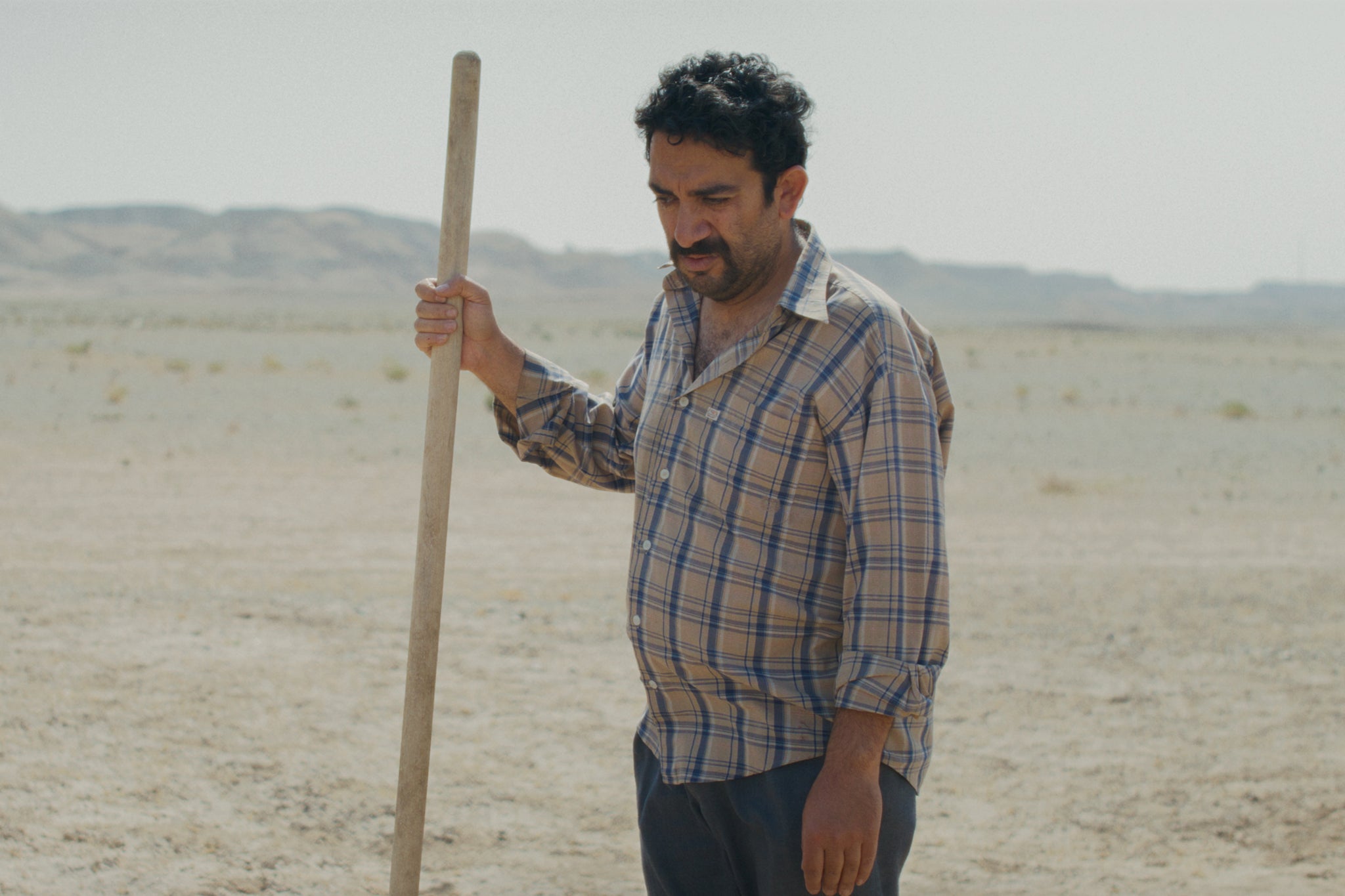
It Was Just an Accident can’t be severed from its circumstances. Its director, Jafar Panahi, shot the film in secret, after the 20-year ban the Iranian regime had placed on him – which restricted him from leaving the country or making films – was unexpectedly lifted. Yet in the week of the film’s UK release, Panahi was sentenced anew in absentia to a year in prison and a travel ban for “propaganda activities”.
And neither, then, can it be severed from the way his work is flooded with the experiences, direct or indirect, of being one of the regime’s most public targets. It Was Just an Accident practically rattles with the rage and confusion of it all. Mechanic Vahid (Vahid Mobasseri), while working in his garage, hears the squeak of a prosthetic leg that he recognises instantly as belonging to the man who tortured him in prison.
He follows the man (Ebrahim Azizi) and kidnaps him. But, suddenly doubting his identity, chooses instead to ferry him around town in search of positive identification. The film is bleakly funny in a way that dares us to laugh in the face of unimaginable trauma, but which also does much to close the distance between one Iranian artist’s experiences of censorship and the looming threat of it increasingly facing artists in the UK. Urgent doesn’t even begin to describe it.
4. The Brutalist
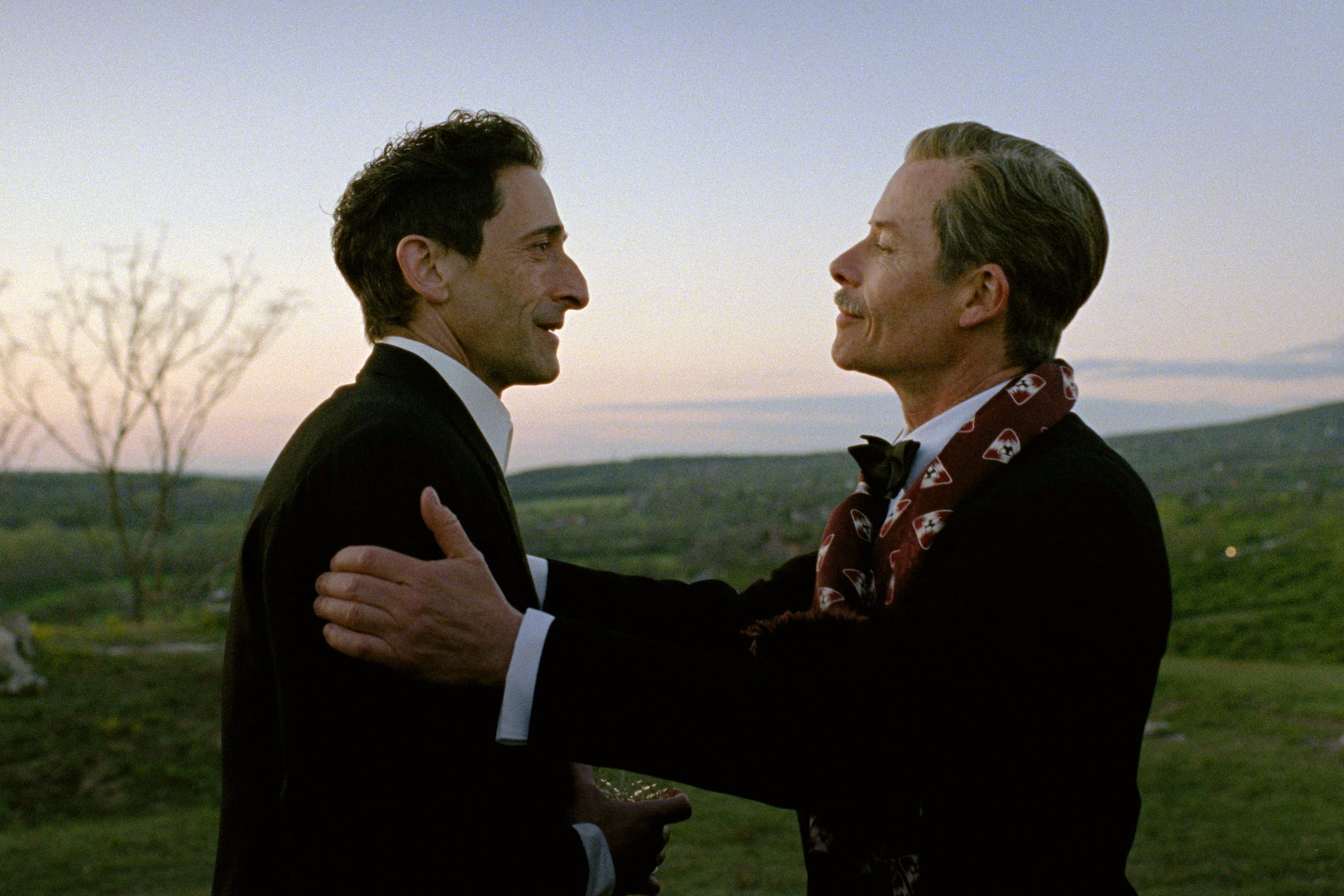
While The Brutalist didn’t win Best Picture at the Oscars (the honour went, instead, to Sean Baker’s adrenaline-pumped Anora), it still feels reassuring to know that, for a brief time, Brady Corbet’s 215-minute, widescreen VistaVision, American epic was at least treated as a frontrunner in the conversation. It’s not so much a film to devour, but to be devoured by, with a wrecking ball weight to it that challenges, in each frame and every breath, the myths that America built itself upon – and which it writes and rewrites now with an increasing sense of coercion.
László Tóth (Adrien Brody), a once-renowned architect and a Jewish survivor of the Buchenwald concentration camp, arrives in America anonymous once more. Hired by industrialist Harrison Lee Van Buren (Guy Pearce), László is reduced to nothing more than a man’s pet intellectual, his humanity sucked out of him day by day, humiliation by humiliation.
He builds his so-called “masterwork”, but at what cost? It’s the question that Corbet, with his co-writer and partner Mona Fastvold, confront without necessarily providing an easy answer to (is there one?) What lingers is the soul-sick feeling of it all. It’s the truest American film of the year.
3. Sorry, Baby
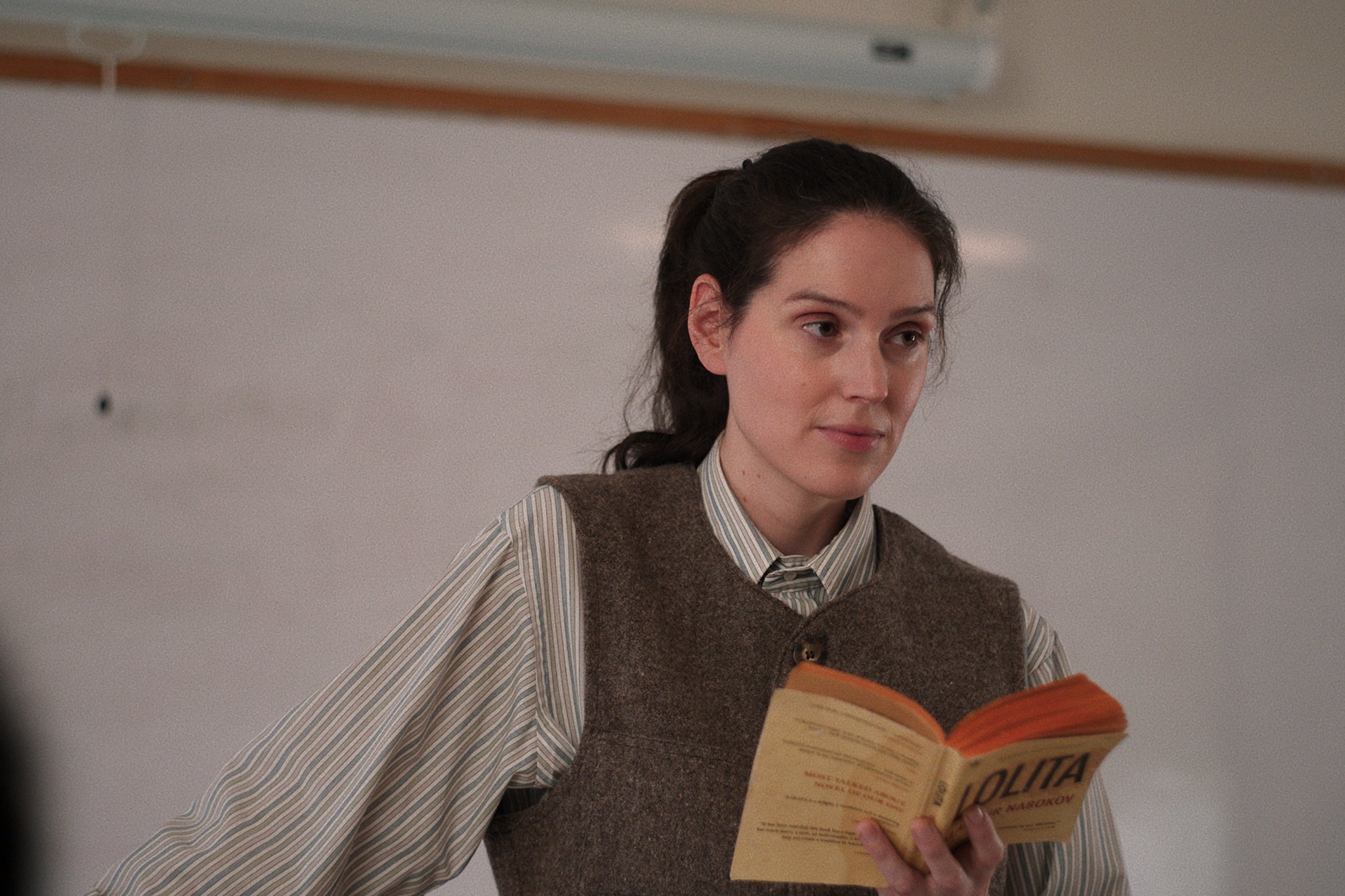
Cinema, at its best, can be a confession. It can be a therapy session. It can be a friend’s hand wrapped around yours. Sorry, Baby is all three, a film willing to be vulnerable about the hard emotions – shame, guilt, silence – that erupt in the wake of trauma. Agnes refers to her sexual assault by a literature professor (Louis Cancelmi) only as the “bad thing”. Other words feel insufficient. And Victor, the film’s writer-director, reflects their character’s disassociation by only showing us what happened from outside the house where it happened, and only in the change we see in Agnes when she walks away from it. Her expressions are glazed over. Her body seems unnaturally stiff. We know.
Sorry, Baby is a film with an extraordinary sense of totality to it. Agnes’s world can be sweet and tender, because she has a best friend in Lydie (Naomi Ackie), who would commit homicide if it could make things even a little more bearable for her, and a cat who magically appears, an earthbound, whiskered little angel of a creature. Still, trauma isn’t something you can shake off and throw in the trash. And Sorry, Baby understands that better than most.
2. Nickel Boys
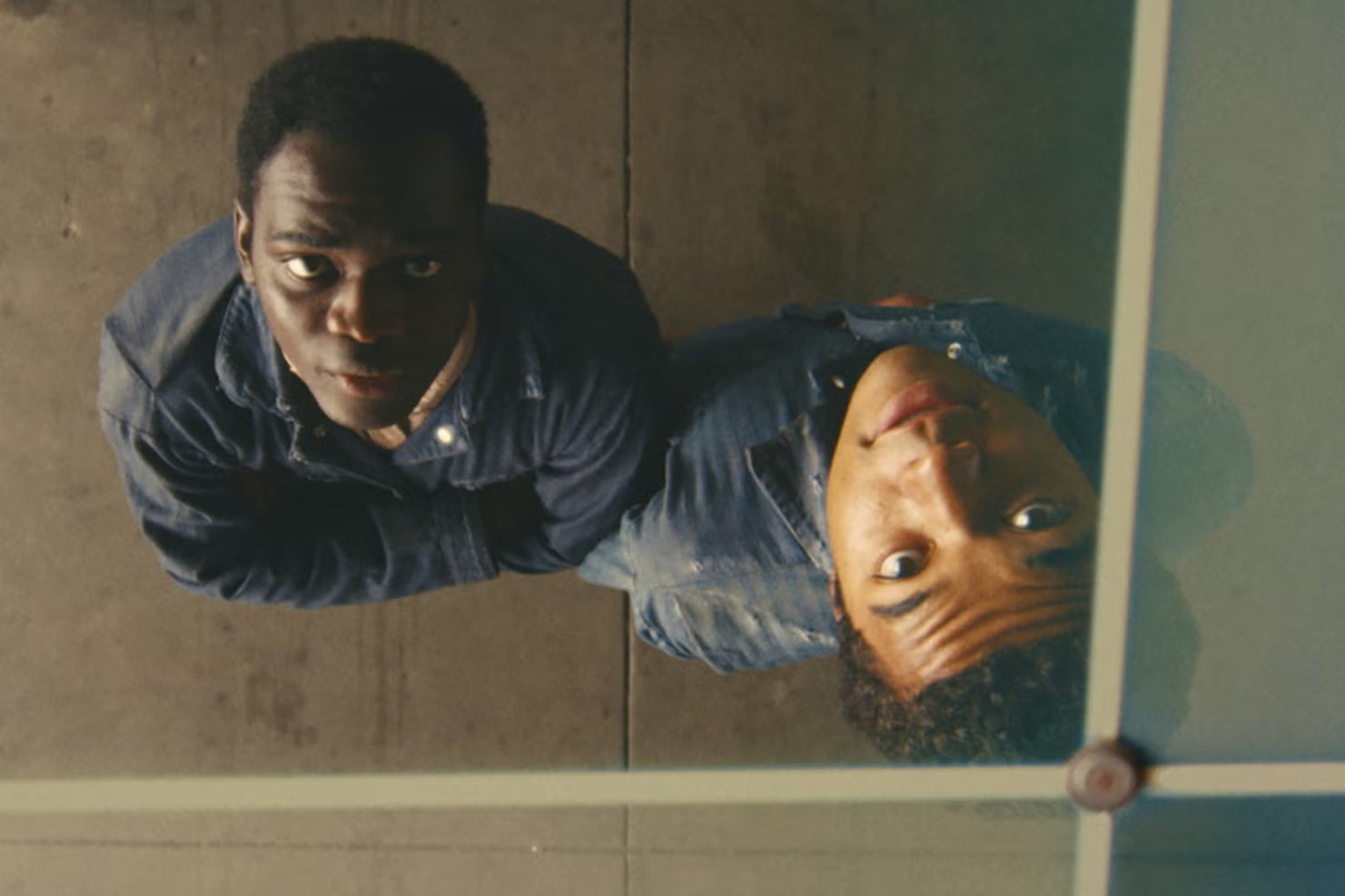
Nickel Boys and Sorry, Baby share in their desire not to linger on the point where trauma formed, but to seek more empathetically to understand its effects, to see how pain becomes intertwined with DNA. And in RaMell Ross’s adaptation of Colson Whitehead’s Pulitzer Prize-winning 2019 novel, he extends that thought into the realm of memory and history through the daring use of point-of-view camera and precisely mapped sound design. Nickel Boys is cinema as a feat of full-body immersion. It’s like nothing I’ve seen before.
In 2012, an unmarked mass grave was discovered on the grounds of the Florida School of Boys, with evidence of a documented 100 deaths at the school. Nickel Boys honours these lives lost in the twinned figures of Elwood (Ethan Herisse, with Ethan Cole Sharp as his younger iteration) and Turner (Brandon Wilson), whose eyes we see through and whose differing world views we come to understand.
Elwood grew up in the embrace of optimism – a world of Martin Luther King Jr and the space race – while Turner was left, shunned and alone, in the shadows. When they experience violence, Ross’s camera drifts out of its POV to briefly hover behind the character’s head, so that we can feel the boy’s sense of connection to reality start to fracture. Yes, it’s important for us to remember that history is preserved by memory. But what happens to those burdened with the task of carrying it?
1. Frankenstein
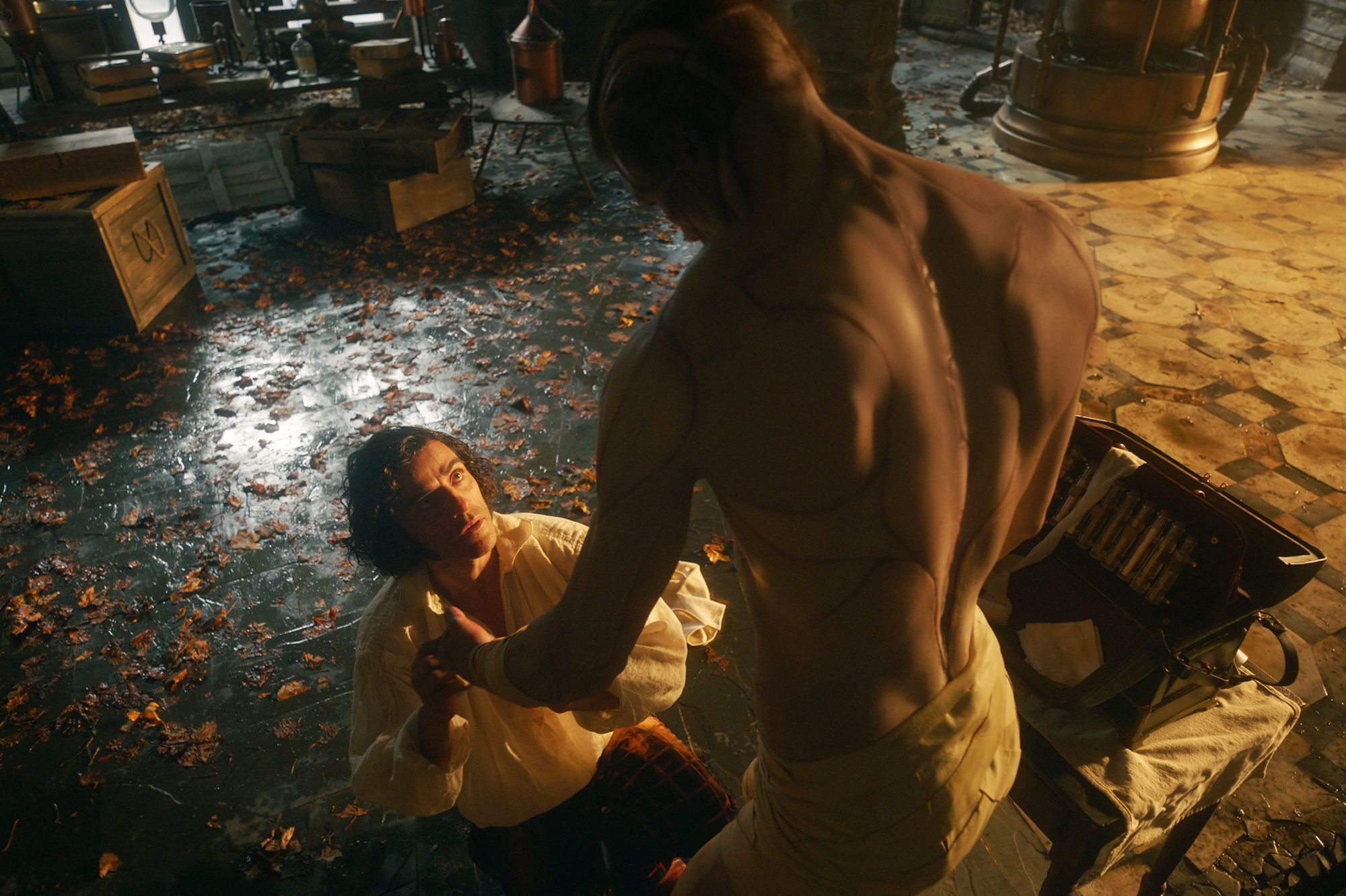
I end this list with a No 1 that’s already embroidered onto my heart. I feel we’re in dire need of the Romantic, Gothic spirit that Mary Shelley championed in her 1818 novel Frankenstein, that rejects what would conform us, automate us, and divide us. Instead, let us embrace radical compassion and imagination. Let us open the door to doubt, vulnerability, and humility. Let us surrender ourselves to ideas larger than we can control.
Guillermo del Toro, our father of monsters, is one of the closest figures we have today to Shelley, Bryon, and the whole Romantic set of the early 19th century. Frankenstein is his passion project, his life’s ambition. He’s described Shelley’s novel as essentially “his Bible”. And with his adaptation, he doesn’t speak for Shelley, but more directly communes with her. It’s not just a translation. It’s a dialogue.
It is, of course, a rich, Gothic vision of malachite silk and crucifixion blood, with costumes by Kate Hawley and production design by Tamara Deverell. But del Toro’s film, already championed for its aesthetic beauty, also engages in a profound understanding of what Shelley’s work might mean for us today. It’s a Frankenstein for now, which recognises that the author’s warning – “how much happier that man is who believes his native town to be the world, than he who aspires to become greater than his nature will allow” – feels far too late for our world. She feared what Victor Frankenstein might unleash into the world. Now, there’s a Victor Frankenstein at the head of every Fortune 500 company.
Instead, and through Jacob Elordi’s richly felt performance as the Creature, del Toro recognises how we have all become creatures ourselves, pushed into a world that wasn’t built for us to exist in (there are echoes of Mickey 17 there, you might notice). He also offers us what we lost in Lynch: a chance to forgive the darkness.