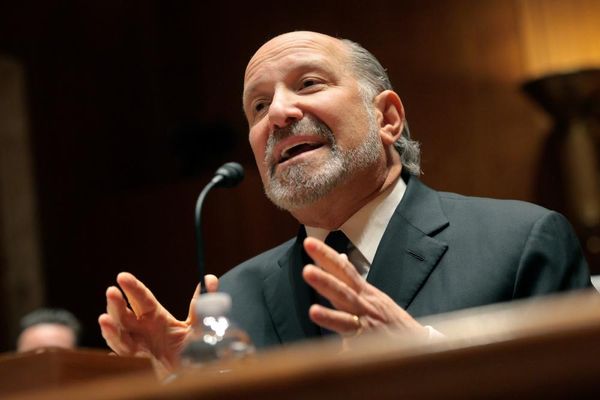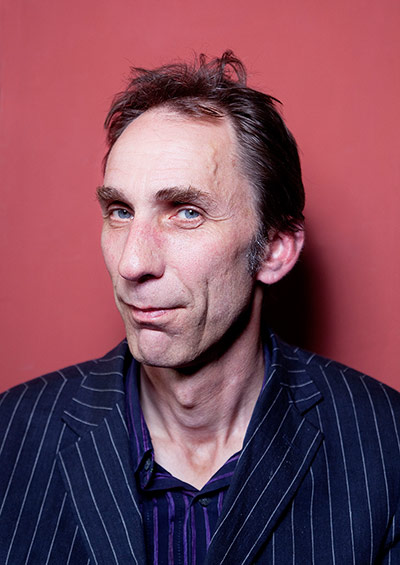
by Will Self
A high-spirited footnote to the modernism of James Joyce, this fascinating literary experiment came tantalisingly close to winning the 2012 Booker prize. Self, who has always been a hierophant in the temple of difficulty, never flinches from exercising his readers. Umbrella is one of the most exhilaratingly “difficult” books published for many years. Dr Zack Busner is on a quest for the meaning of the past as he awakens his “post-encephalitic” patients, victims of the 1918 sleeping sickness epidemic. Rarely has a historical novel provided such a challenge Photograph: Karen Robinson/the Observer
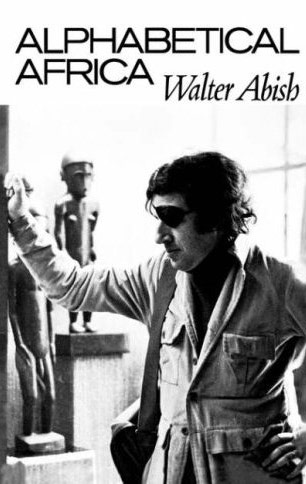
by Walter Abish
Abish, one of America’s contemporary greats, is best known for How German is It, which was preceded by this strange and demanding avant garde experiment whose prose is restricted by a pseudo-alliterative rule: the first chapter contains only words starting with the letter a, the second chapter only words starting with a or b, etc. Each subsequent chapter adds the next letter in the alphabet to the set of allowable word beginnings. In the second half of the book, the process is reversed. Thus, z words disappear in chapter 28, y in chapter 29, etc... Photograph: Public Domain
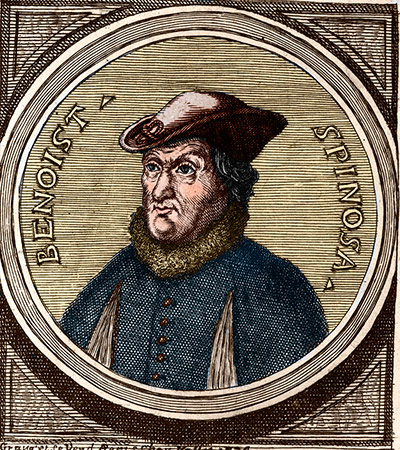
by Baruch Spinoza
A byword for difficulty among Wodehouse devotees, the works of professional lens-grinder Spinoza (Jeeves’s favourite author) are central to the Enlightenment. It was Spinoza’s insight to understand good and evil as relative concepts. Things that had classically been seen as good or evil, he argued, were simply good or bad for humans. He also believed in a deterministic universe where nothing happens by chance. The first English translation of his Ethics was made by George Eliot, though Wodehouse never tells us if this was the version Jeeves favoured Photograph: Stefano Bianchetti/Corbis
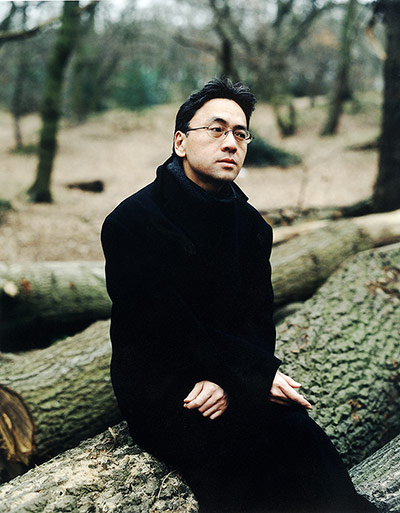
by Kazuo Ishiguro
A long and hypnotic novel by the author of The Remains of the Day, to which it was unfavourably compared, this sad, strange comedy is only now beginning to be recognised as a masterpiece. Ryder, a famous musician, checks into a hotel somewhere in central Europe. He knows he’s due to give a concert in a few days’ time, but, as the hotel porter shows him to his room, it occurs to Ryder that there is rather more to his visit than he had at first anticipated. The influences of Kafka and European cinema are unmissable, but the novel occupies a central place in Ishiguro’s work Photograph: David Harrison/Corbis
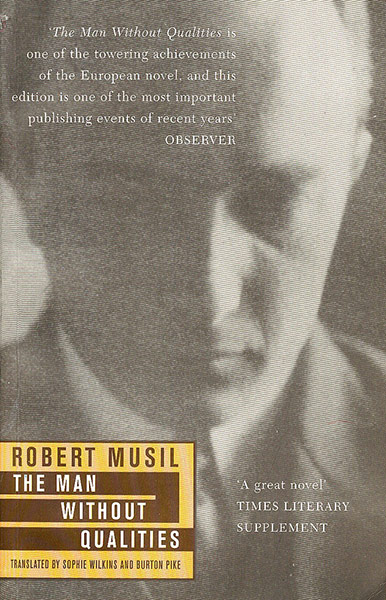
by Robert Musil
This famously difficult novel in three volumes begins with the protagonist, a 32-year-old mathematician named Ulrich, in search of a sense of reality. His ambivalence towards morals and indifference to life has reduced him to the state of being “a man without qualities”, depending on the outer world to form his character. Musil fans describe a haunting prose meditation. My experience hovers between tedium and exasperation. Maybe it comes to life in German, but, for many English readers, Musil makes Proust look like Agatha Christie Photograph: Public Domain
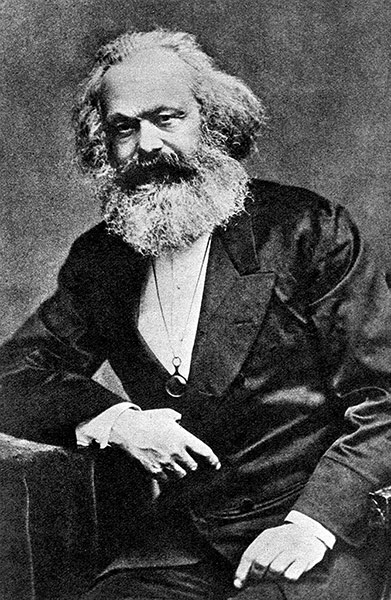
by Karl Marx
Marx declared that it was his aim “to lay bare the economic law of motion of modern society”. He achieved this in the book that became the bible of 20th-century communism. Like many sacred texts, it’s notoriously hard going. Refugees from its pages often find light relief in Marx’s much more accessible The Eighteenth Brumaire of Louis Bonaparte. This masterpiece of Victorian journalism contains the celebrated zinger that history repeats itself, first as tragedy, then as farce. If only Das Kapital had been as pithy Photograph: PA
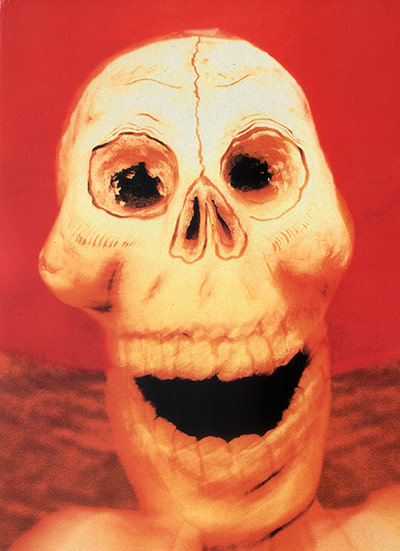
by Malcolm Lowry
Anthony Powell, describing the excitement and terror of the Blitz, once expressed a preference for difficult or “dull books”, for instance a history of the Druids, to calm the nerves. Lowry, contemporary with Powell, is anything but dull, but his semi-autobiographical novel is unquestionably difficult. Lowry tells the story of Geoffrey Firmin, an alcoholic British consul in the small Mexican town of Quauhnahuac on the Day of the Dead, 2 November 1938. After many rejections, and a narrow escape from a fire, it is now recognised as a 20th-century classic Photograph: Public Domain
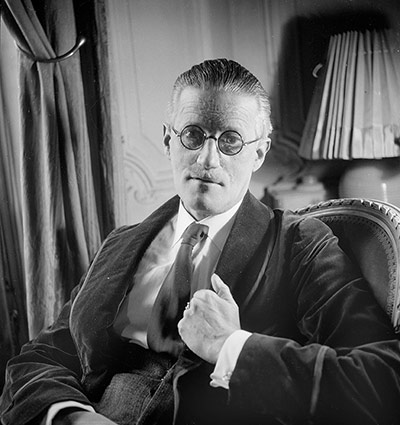
by James Joyce
From the celebrated opening line, a strange and melodious incantation: “riverrun, past Eve and Adam’s, from swerve of shore to bend of bay, brings us by a commodius vicus of recirculation back to Howth Castle and Environs”, Joyce’s readers know they face a challenge. One way into an often baffling text is to hear it read aloud in Hibernian English: in an audio version, the humour begins to emerge. On the page, the story of Humphrey Chimpden Earwicker, a Dublin tavern keeper, presents an exacting, though deeply lyrical, prospect Photograph: Lipnitzki/Getty Images
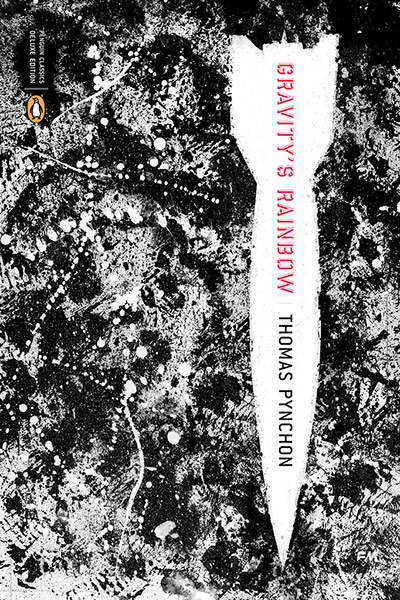
by Thomas Pynchon
Pynchon has made a literary career out of tightly wired difficulty, from V to Vineland to Mason & Dixon. His interest is less in character than in the effect of bizarre circumstances on man’s fate. He favours picaresque narratives based on weird quests. Gravity’s Rainbow is possibly his masterpiece, a complex black comedy set at the close of the second world war. First published in the paranoid 70s, its corkscrew plots, conspiracies and counterplots reflect the climate of the age and satirically address the threats to personal freedom Photograph: Public Domain
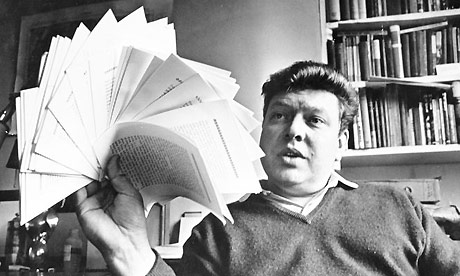
by BS Johnson
Johnson, who took his own life in 1973 at the age of 40, wrote a series of increasingly experimental novels culminating in The Unfortunates (1969), which was finally published in a box, unbound, with loose pages. The idea was that readers should assemble the book, a meditation on death and friendship, any way they chose, apart from the chapters marked “First” and “Last”. Johnson achieved a measure of recognition in Jonathan Coe’s important 2004 biography, Like a Fiery Elephant, which describes The Unfortunates as “one of the lost masterpieces of the 60s”. Photograph: Macmillan