
Did you know that winter water pressure changes may have caused micro-cracks in your washer hose and water heater valves? This can escalate into hidden egress or sudden leaks if left unfixed. With winter weather truly over and ground pressure increasing in April, this month is the perfect time for a quick DIY test to check for weak points.
This spring maintenance risk can be easily diagnosed using a paper towel. Simply wrap a sheet around your connection points, and if any become damp over the next 24 hours, you have sprung a silent leak over recent months.
Failing to fix it could lead to avoidable but expensive repairs, especially as seasonal April showers already increase the pressure on your drainage systems. In fact, a washer leak is one of the top five causes of insurance claims in US homes, and if it happens while you're at work or away, you could be faced with a complete floor replacement, costing upwards of $10,000. Get ahead of hidden problems now with our quick DIY diagnostic.
The 'Paper Towel' Test to Check for Hidden Leaks
Hidden leaks can lead to expensive repairs, as slow ones cause damage out of sight, and it's not till you spot your floors warping, or find mold, that you realize the issue has been going on for a while. Micro-cracks can also suddenly give, leading to extensive flooding that is costly to repair. Having to replace a floor, for example, might set you back up to $10,000.
Josh Mitchell, seasoned HVAC professional and plumbing technician at Plumbing Lab, shares how the paper towel diagnostic works, so you can spot problems before they escalate.
- Take a dry paper towel and wrap it tightly around the connection points on washing machine hoses, under-sink shutoff valves, dishwasher lines, and around the base of the water heater valve.
- Make sure the towel is in direct contact with the metal or fitting.
- Leave it in place for 12-24 hours. If any part of that towel feels damp or shows discoloration, you’ve got a leak.
This is a quick, yet highly effective solution that could avoid costly repairs, without requiring any particular DIY skills.
'I use this method often because it turns an invisible problem into something obvious,' explains Josh. 'A lot of winter damage doesn’t show up as a visible drip but as moisture that forms and dries repeatedly on supply lines and valves. Paper towels absorb that moisture right away, so even a tiny leak becomes visible within hours.'
These leaks start during winter, when water pressure fluctuates more than usual. The pipes contract in cold weather and expand again as temperatures rise.
'That movement weakens rubber seals and fittings,' adds Josh. 'By April, when groundwater pressure increases and systems start cycling more often, those small weaknesses turn into steady drips or full failures. That’s when small winter damage starts turning into real leaks.'
Josh emphasizes the urgency of preventive measures, locating leaks before they can cause significant water damage.
The Fix for Micro-Cracks in Your Washer Connection Points
'Fixing the issue early is cheap. Replacing a standard rubber hose with a stainless steel braided one costs about $15 to $20,' Josh advises.
This $17.98 Everbilt stainless steel supply line at Home Depot is resistant to corrosion and easy to install.
Josh adds, 'Adding a leak alarm costs around $10 to $15 and alerts you within seconds if water starts pooling.' This simple $14.54 leak alarm at Home Depot will trigger if water is detected around hoses, valves, and supply lines.
'Compare that to what happens if it fails while you’re out. A burst hose can release 500 to 700 gallons in a few hours. That’s enough to ruin flooring, baseboards, drywall, and sometimes cabinetry. Repairs often run from $5,000 to $10,000 or more, depending on how long the water runs,' Josh adds.
What to Shop
To locate, identify, and fix leaks in your supply lines, here are a few inexpensive tools that will leave you protected against pressure changes come April showers.
All prices were correct at the time of publication.
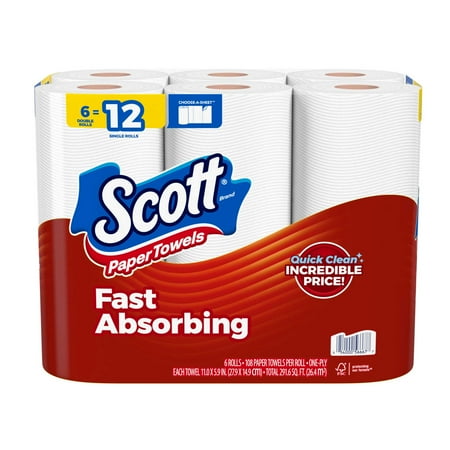
Stock up on paper towels to check for hidden leaks around the house.
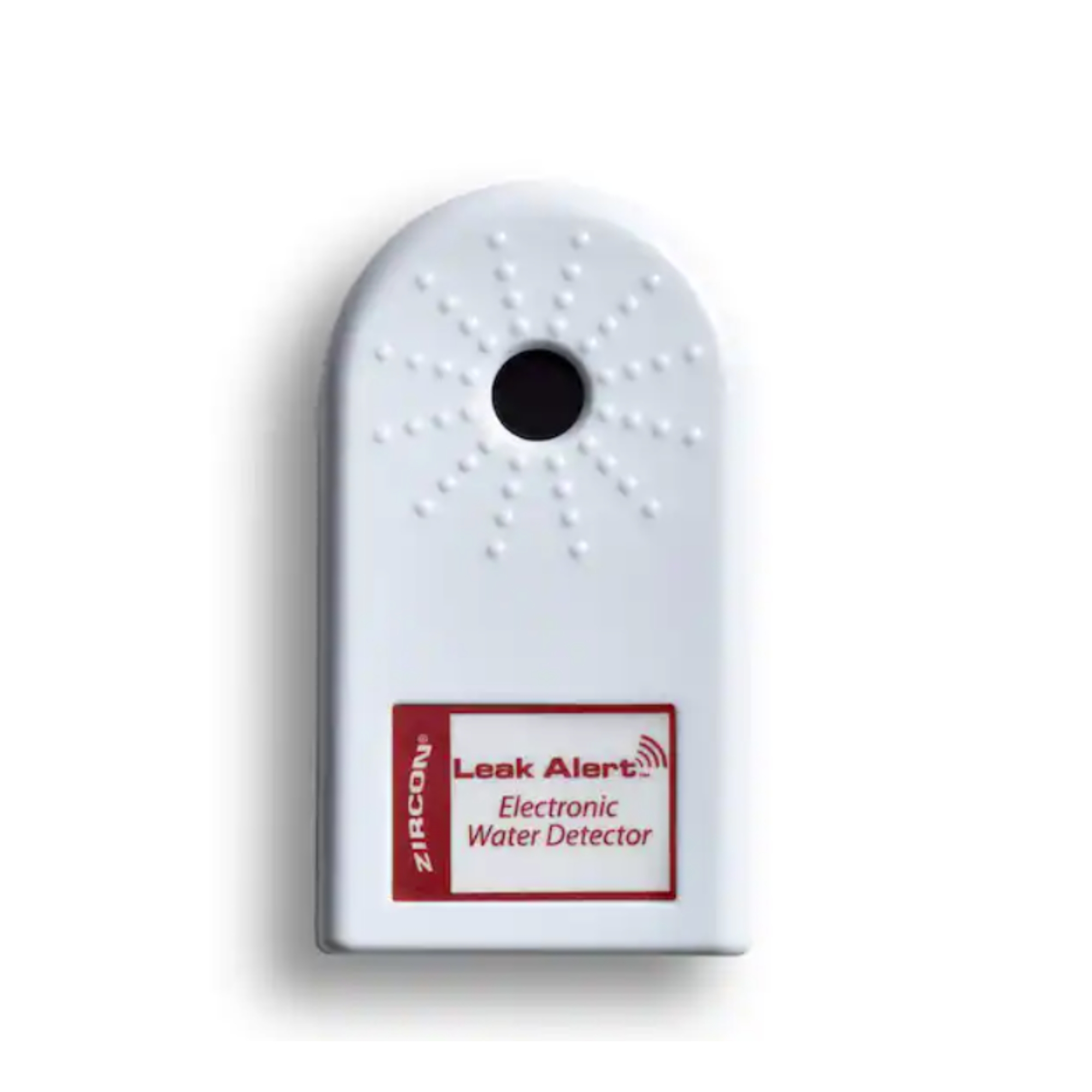
Place these small, battery-operated sensors near water valves and hoses, and you'll hear a loud alarm, alerting you to leaks.
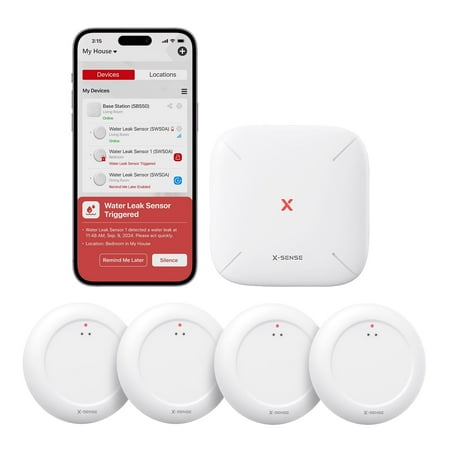
These smart sensors do more than sound an alarm once they detect a leak. They send an alert to your phone, so you'll know even if you're out of the house.
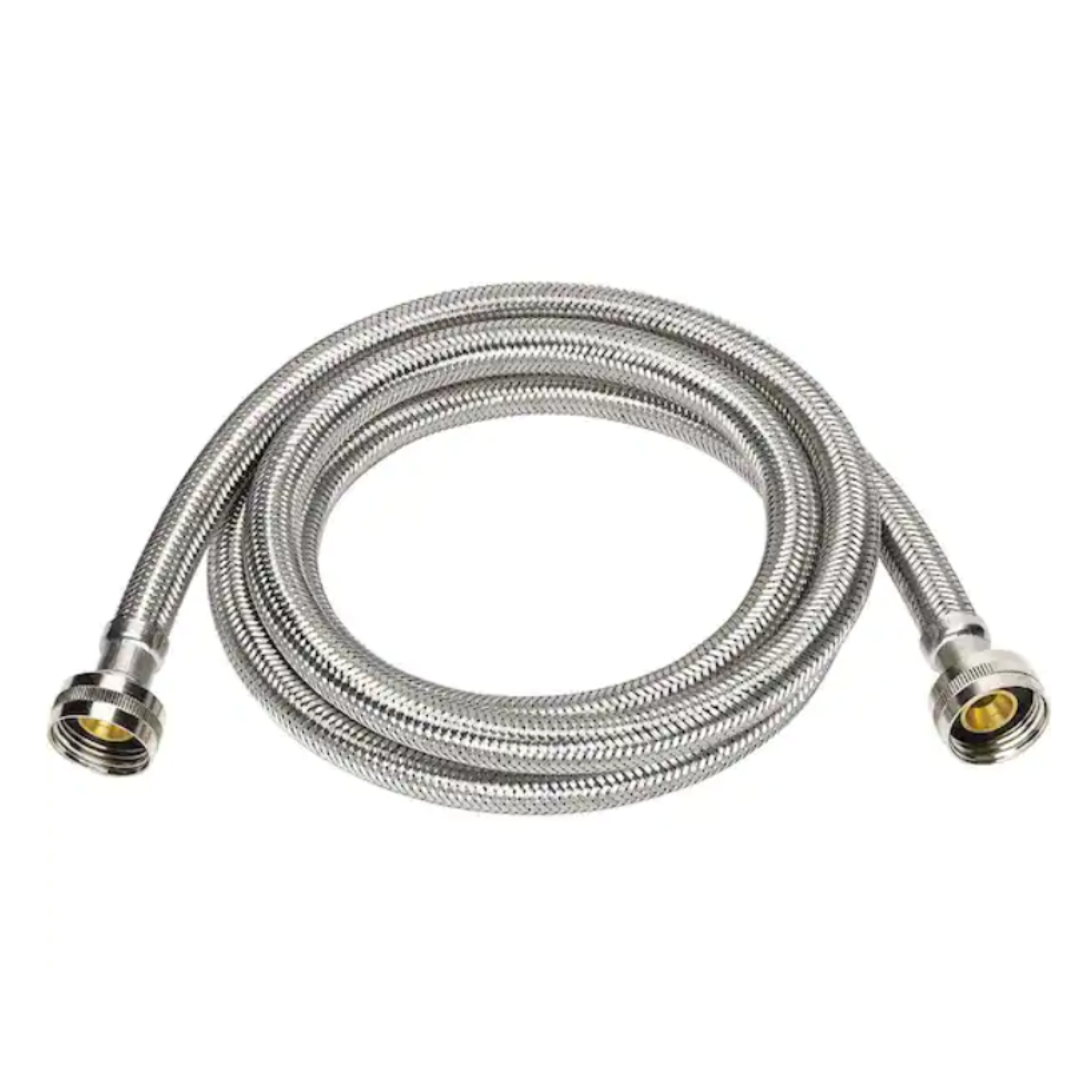
Replacing rubber supply lines with stainless steel increases your protection against hidden leaks, as stainless steel is more durable and resistant to long-term corrosion.
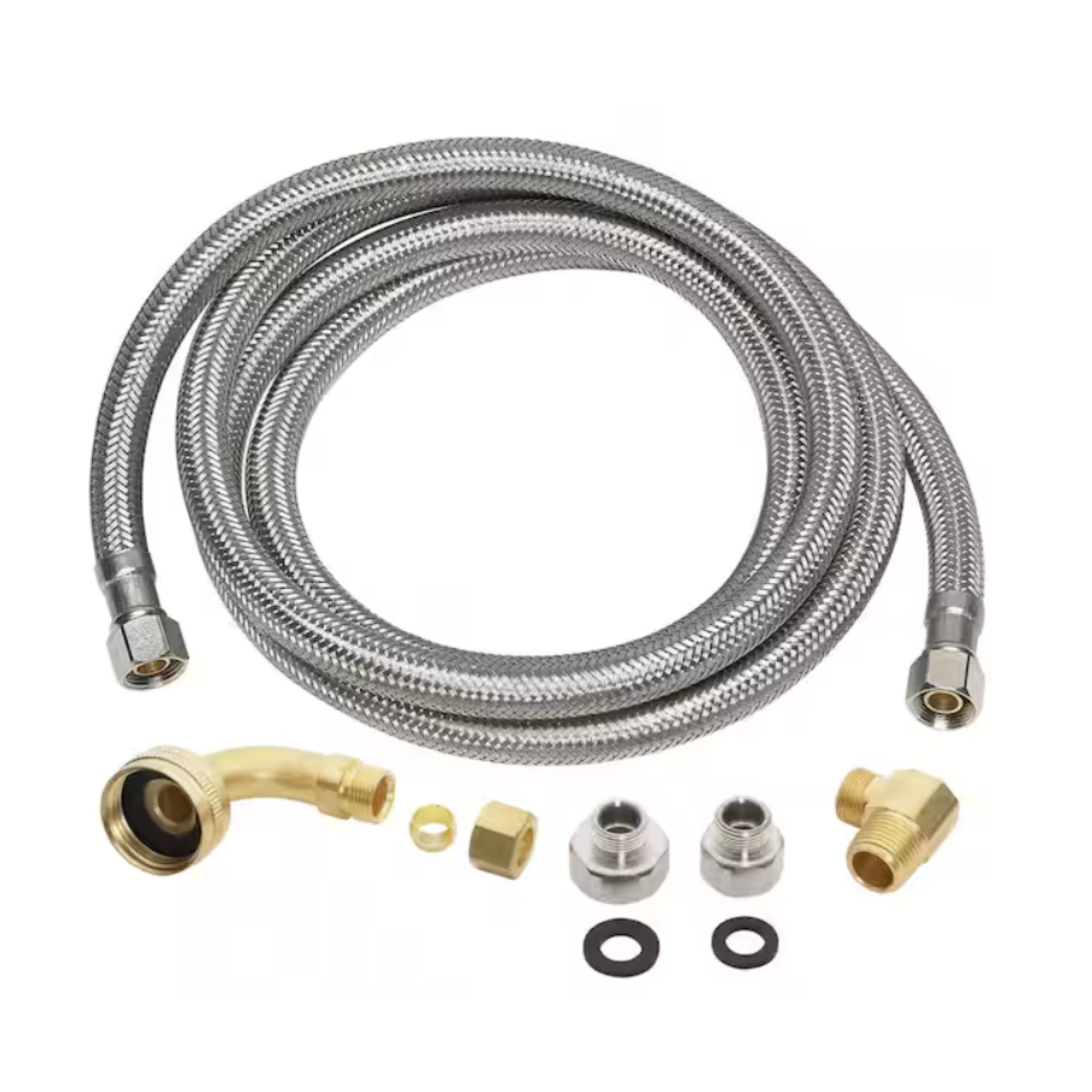
For dishwashers, this stainless steel connector is an inexpensive replacement for less-durable rubber hoses.
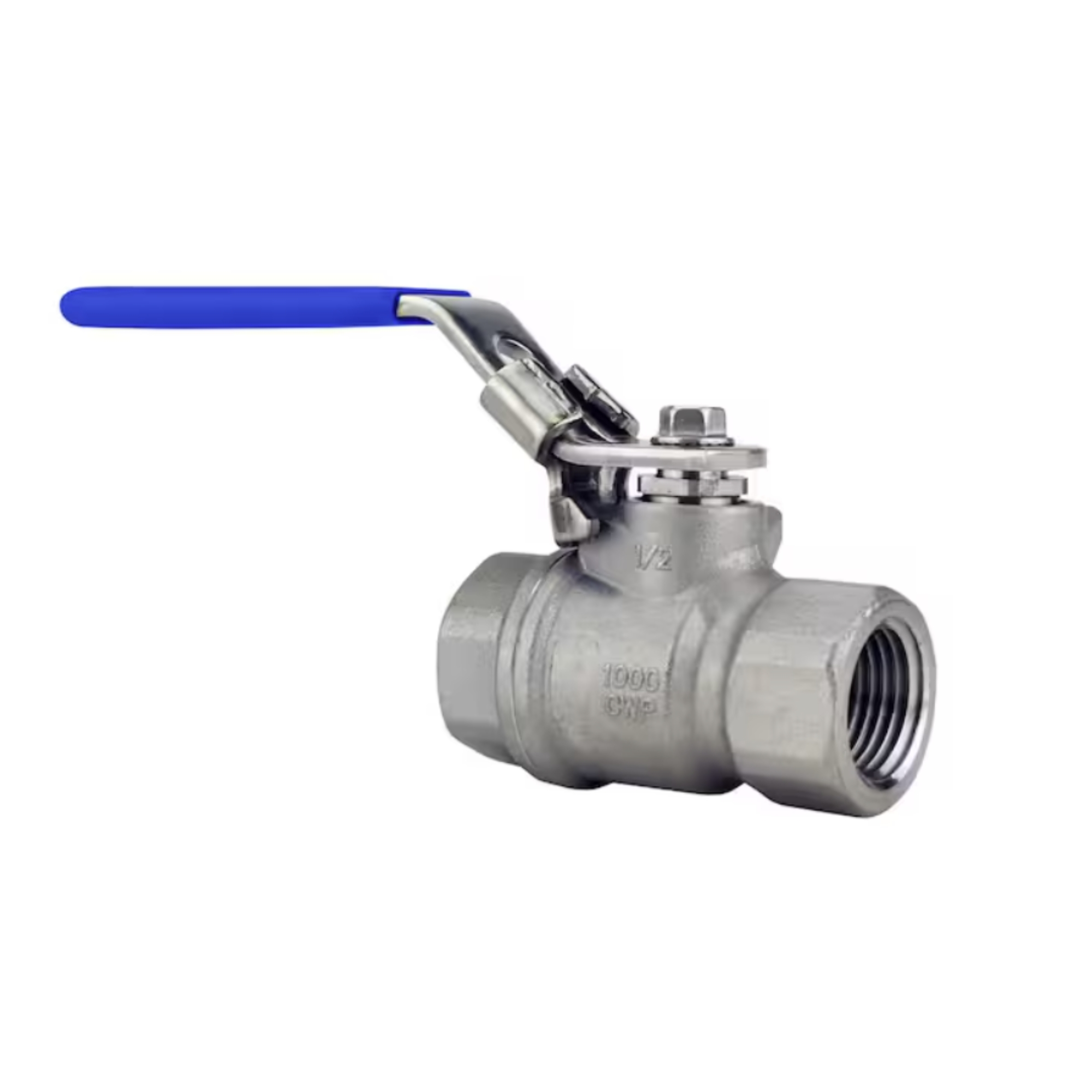
This stainless steel water valve offers durable, reinforced leak protection below your kitchen sink.
Next, learn the two-minute DIY rule to keep home maintenance under control, and how to find and fix common household leaks.
Love the latest product news and helpful shopping advice? Sign up for our newsletter and get the latest features delivered straight to your inbox.