2025 seemed to be the year of transparency when it came to “having work done.” Kylie Jenner infamously answered a TikTok comment asking about her boob job, giving the specifications down to implant size and the doctor who did it (“445 cc, moderate profile, half under the muscle!!!!! silicone!!! garth fisher!!!”). Just months after that, mom Kris broke the Internet, debuting what appeared to be a new, decades-younger face. And she, too, shared the details and man behind the work (a facelift, by Dr. Steven Levine).
The details that we once kept under lock and key—whether by celebs, influencers, or your best friend’s mom—are starting to be shared far and wide, which helps to not only make the people who get these treatments more relatable, but also educatie the rest of us on what’s available. Between knowledge (it really is power!) and the advancements in technology and technique, it’s an exciting time for aesthetics. Whether it’s the use of biostimulators (injectables that stimulate the body’s own production of collagen), a skin-tightening treatment, or body sculpting after GLP-1 weight loss, there’s truly something for everyone.
With an eye on what's to come in the new year, I spoke to plastic surgeons, dermatologists, and an estheticians to learn what buzzy aesthetic treatments they’re being asked about the most. The general consensus: don’t follow it because it’s a trend, but rather because it’s something that could work for you. Remember—no skincare treatment is one-size-fits-all. Read on for the top ten aesthetic treatments that they predict are going to top the charts in 2026.
Biostimulators Over Traditional Fillers
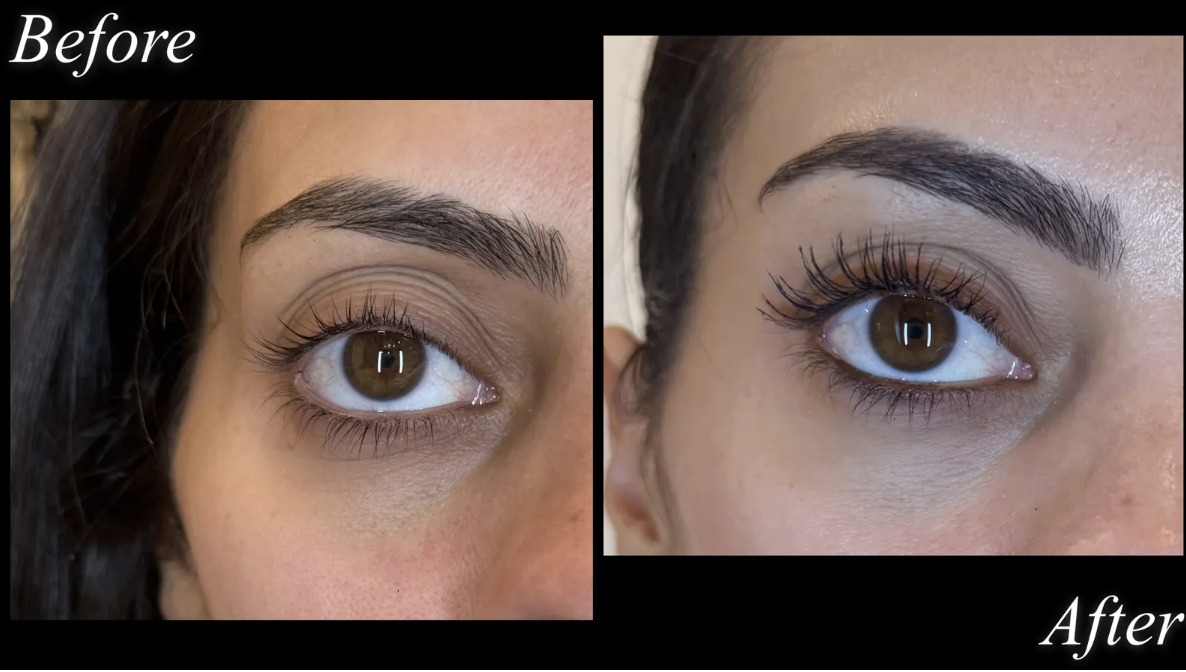
Named as one of the top five aesthetic trends for 2026 by the American Academy of Facial Plastic and Reconstructive Surgery (AAFPRS), biostimulatory treatments (which made our list last year, too) are being favored because of their ability to activate the body’s natural repair mechanisms, i.e. stimulate collagen and regenerate elastin. Rather than injecting with traditional hyaluronic acid fillers, biostimulatory injectables encourage the body to make more of its own collagen. Similar to what’s happening with peptides, we’re in this spot in medicine where we’re able to encourage our body to do more of what it already does, but in a way that can be really meaningful.
“Millennials and Gen Z are no longer waiting until their 50s or 60s to explore rejuvenation,” says board-certified plastic surgeon Smita Ramanadham, MD. She’s seeing younger patients who are proactive about taking steps to “prejuvenate.” She says, “treatments like Sculptra are making a comeback, signaling a move away from short-term HA fillers toward collagen-stimulating procedures that build results over time.” She adds that this approach also yields more natural results, which is pretty much the universally desired outcome.
More Invasive Body Contouring
While the idea of less invasive treatments sounds promising, sometimes you have to ask yourself, “At what cost?” Literally. Many minimally invasive options require multiple treatments, either over a few weeks or months, with yearly (or more frequent) maintenance. So, although you may not be getting put under anesthesia or leaving with a new scar, the cost of these treatments adds up over time, and they usually don’t pack as big a punch as more invasive options. If you’re looking for drastic results, it may be wiser to go with the latter.
Surgeries like liposuction, tummy tucks, and skin removal are becoming more popular as a result of GLP-1-assisted weight loss. Plastic surgeon Michael Stein, MD, FACS, states that, because of this, people have greater tolerance for scars if it means better results. “While patients used to come in requesting ‘mini’ everything, I think there is increased awareness that the more skin laxity you have, the more scarring you will need to get an optimal contour,” he says.
“With weight loss, especially when substantial and rapid, patients are developing loose skin that can cause irritation and rashes in addition to overall decreased confidence,” adds Dr. Ramanadham. “Body contouring procedures excise the loose skin to improve the overall contour, increasing confidence in our patients and decreasing any rashes, discomfort, or irritation that may have developed.”
AI-Driven Treatments
When discussing advancements in technology, I would be remiss not to mention AI and its role in aesthetic treatments. Digital tools are leveling up every aspect of the aesthetics game, from analyzing a person’s facial structure and body composition to suggesting the best treatment options and even giving an idea of what someone will look like post-procedure. There’s no question that the use of AI allows for even better treatments and results.
“AI-enhanced devices and analysis tools offer improved patient safety, more accurate treatment planning, and increased access to helpful patient education,” says board-certified plastic surgeon, Jennifer Levine, MD. The AAFPRS highlights, “virtual consultations and digital follow-ups provide greater flexibility and continuity of care, bridging expert in-office treatment with ongoing at-home engagement.”
Nontraditional Neuromodulator Techniques
“While neuromodulators like Botox or Dysport have been the most popular cosmetic treatment in dermatology historically, I think we will start to see non-traditional, creative, and more nuanced uses for them beyond just smoothing out wrinkles,” says Kiran Mian, MD, a board-certified dermatologist at Hudson Dermatology and Laser Surgery. You’ve likely heard of a lip flip, which sees the use of a neuromodulator like Botox to give a fuller appearance of the lip to correct a gummy smile, or injecting the corners of the mouth for a slight upturn, improving RBF (resting b*tch face). “These procedures are relatively safe, readily available, and great for those starting in their 20s and beyond,” she says. So while patients asking for Botox may continue to skew younger, it is possible that the neuromodulator is being used in a new way.
Prioritizing Facials for Healthy Skin
Although a lot of the treatments on this list tend to be heavier hitters, there should be just as much of a focus on keeping the skin healthy with regular maintenance, such as a monthly facial. “In 2026, overall skin health will be the biggest beauty flex,” says Evelyn Ramirez, LME, a licensed esthetician and the founder of Evelyn Aesthetics NYC. “Nothing reflects a strong barrier, balanced microbiome, and true luminosity like a results-driven facial, and Hydrafacial continues to be my go-to.” This is another great example of advancements in technology, as there are constant updates and new features being added to Hydrafacials. “The technology consistently improves texture, radiance, and, most importantly, hydration, which most people are chronically lacking.”
Peri-Menopausal, Menopausal, and Post-Menopausal Care
Treatments such as breast augmentations and body contouring that used to be geared to younger patients are now favored for those in the 50+ set. It makes sense, with the advancements in longevity science, there’s reason for people to invest in themselves. Dr. Ramanadham says, “An increasing number of patients in their 50s, 60s, and 70s are opting for body and breast procedures once thought to be 'younger' choices.” She points to menopausal changes and healthier, more active lifestyles—coupled with the growth in plastic surgery transparency—as the impetus driving older patients to seek procedures that help them look and feel younger.
Non-Invasive Skin Laxity Treatments
Looking for a non-surgical approach to addressing skin aging and sagging? Ramirez is a fan of Ultherapy, an ultrasound technology that helps with structural collagen remodeling and skin tightening. “Patients are seeking treatments that support natural collagen production instead of altering their features," says says. "It’s my personal once-a-year essential for preserving lift without looking ‘done’.” And Dr. Stein agrees. He says, “Ultrasound-based and radiofrequency-based devices to address skin laxity will be utilized as prevention rather than just treatment by younger patients.”
Small Volume Breast Implants

Dr. Stein says a more modest approach is becoming preferred when it comes to breast augmentations because of the more natural-looking size and shape that can be achieved with smaller implants. “One of the main reasons implant surgeries fail is that the breast tissue cannot accommodate the implant chosen.” He explains that when an implant is too large, the skin stretches and the implant moves downward and outward. “It’s called bottoming out,” he says. “Smaller and lighter breast implants put less strain on the skin, so there is less stretch over time, and there are fewer issues with bottoming out.” If the goal is to look younger and more natural, which seems to be an overall trend, smaller seems to be the way to go. He notes that while fat grafting is an option, “Fat grafting alone can improve breast size but is limited to what it can achieve with shape.”
Facial Balancing
“Younger patients are becoming more interested in facial balancing and anti-aging procedures,” says Dr. Ramanadham. “And instead of [using] filler to achieve that symmetry and fullness, patients are more interested in longer-term options like fat transfer instead of filler-heavy fixes.” She says the result is “a softer, natural-looking aesthetic that ages beautifully—not obviously.” Dr. Ramanadham says that treating in this way allows for “a decreased risk of overfilling and migration,” too.
Dr. Levine favors a facial balancing approach as well, adding that it can be achieved in different ways. “I anticipate a continued rise in combination therapy— blending non-surgical and surgical procedures to achieve the most comprehensive, natural-looking results,” she says. This calls for “hyper-personalized treatment plans, focusing on wellness from the inside out.” In short, helping someone look their absolute best. This will look different for every patient, depending on their unique facial composition.
Neck Treatments
Dr. Mian says she predicts a focus beyond facial care, including the neck and hands. On the noninvasive side, she says, “neuromodulators are being used to smooth out tech neck lines or elongate the neck with trap tox.” Last year, we called attention to the Nefertiti Neck Lift, which “leads to the reduction in the appearance of platysma bands and smooths and defines the neck and jaw.”
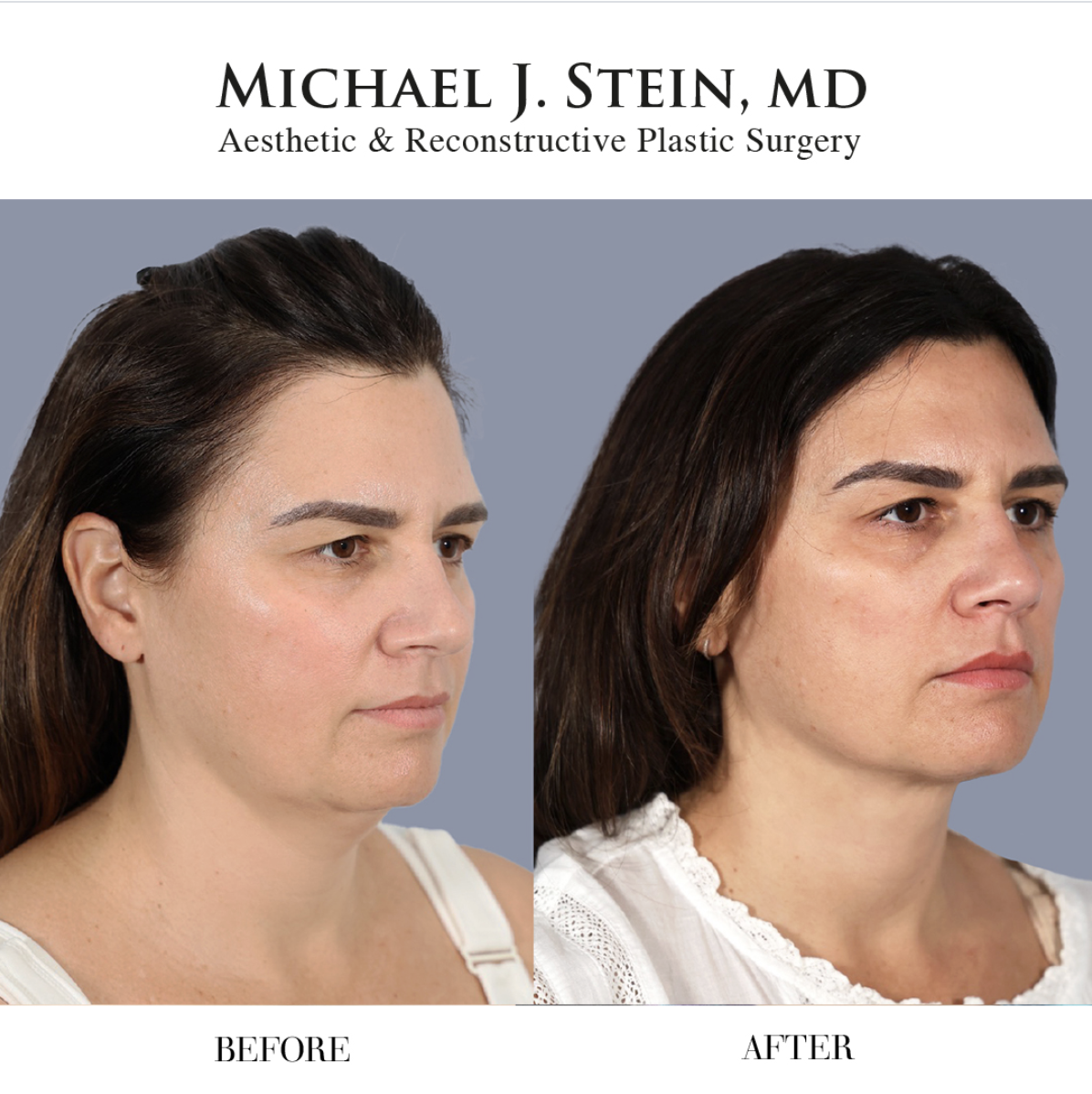
But, Dr. Stein points to neck liposuction as 2026’s big thing. “I think for the last 10 years there was a wave of minimally invasive [non-surgical] modalities for neck rejuvenation,” he says, pointing out the minimal improvement that came along with them. “Many were disappointed by the modest improvement (or no improvement at all), and after years of modest results, the pendulum has shifted back to surgery.” However, he also flags the vast improvements in neck liposuction, so the fear of ‘surgery’ isn’t as warranted. “Today the majority of these cases are performed completely awake without sedation, using special cannulas and through one hidden incision,” he explains. “In addition to this, high-definition liposuction techniques now allow the surgeon to strategically contract down the skin to further improve definition along the jawline.”
Why Trust Marie Claire
For more than 30 years, Marie Claire has been an internationally recognized destination for news, fashion and beauty trends, investigative packages, and more. When it comes to the products Marie Claire recommends, we take your faith in us seriously. Every product that we feature comes personally recommended by a Marie Claire writer or editor, or by an expert we’ve spoken to firsthand.