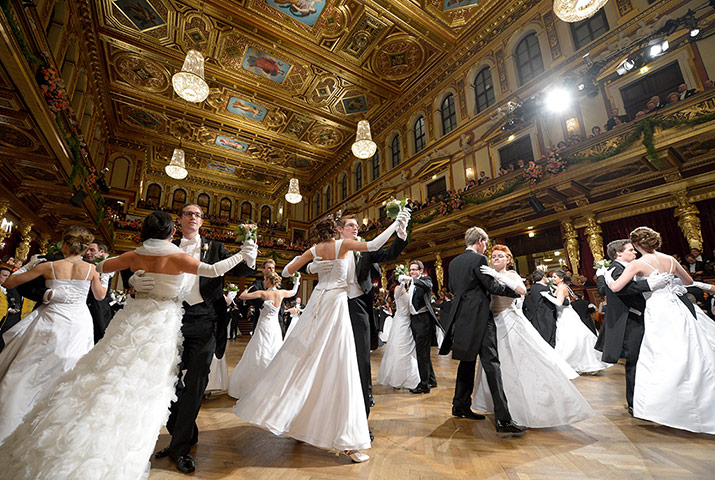
An all-time favourite, the Blue Danube (1866), written by “waltz king” Johann Strauss II, is broadcast at midnight on New Year’s Eve on Austrian TV and radio, then played live by the Vienna Philharmonic the next morning in the gilded Musikverein to a global audience. This annual New Year’s Day tradition was long seen as uncomfortably nationalistic. Now it’s enjoyed as a light-hearted nostalgia trip back to the balls of old Vienna. This waltz – note the characteristic Viennese delay on the third beat – was used by Stanley Kubrick in 2001: A Space Odyssey. André Rieu has recorded it (try to find a waltz he hasn’t). Daniel Barenboim conducts the 2014 New Year's Day concert. Photograph: Roland Schlager/Corbis
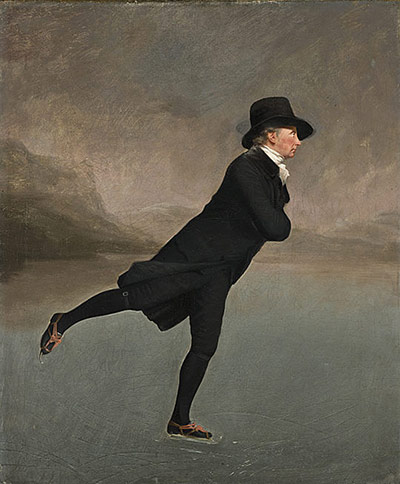
If no one today has heard of the French composer and bandmaster Emile Waldteufel, his Valse des patineurs (1882), written for Parisian skaters on the Bois de Boulogne, has survived. Conjuring up visions of snow scenes and “sportif” winter fun, with its slippery, skidding introduction, it remains a favourite for skating competitions and “on ice” shows. It was used in the soundtrack of Chariots of Fire as well as The Hollywood Revue of 1929 and several early talkies. This French waltz rhythm is more even, without the third-beat lilt which typifies its Viennese counterparts. André Rieu has recorded it. Photograph: National Gallery of Scotland
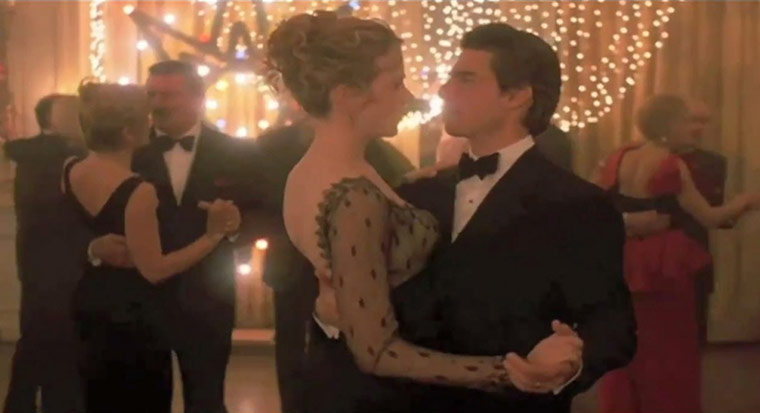
There's some dispute about the origins of this poignant, soulful waltz – one of the composer's best-known works – but experts think it was written for the soundtrack to The First Echelon (1955), a Soviet film about young men arriving in the steppe region of Kazakhstan to develop the virgin land. They survive severe frosts and blizzards and finally and triumphantly form an advanced collective farm. The waltz appears in Shostakovich’s Suite for Variety Orchestra. Kubrick, a waltz fan, clearly, used it in Eyes Wide Shut. Or why not try André Rieu and a few thousand others waltzing live in Maastricht? It’s mesmerising, not necessarily in the way the performers intended Photograph: PR
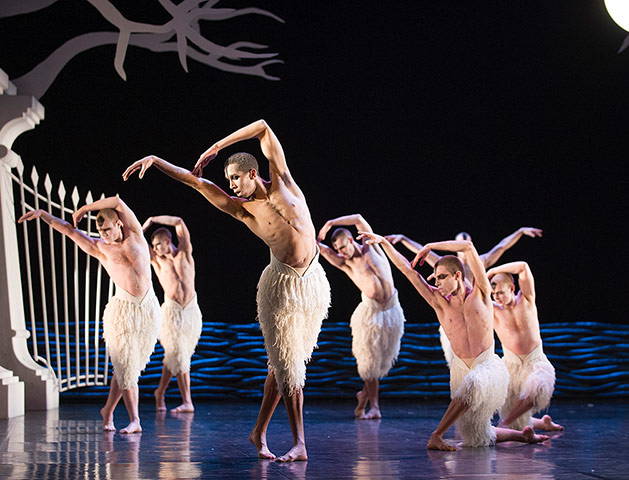
No Tchaikovsky ballet is complete without a waltz or two – those from Nutcracker or Sleeping Beauty are just as bewitching – but Swan Lake (1877) is probably the best known. It tells the story of Princess Odette, who is turned into a swan by an evil sorcerer. Non-balletomanes, too, got hooked when in 1995 Matthew Bourne’s version (above) replaced the female corps de ballet swans with men. Since then it has been seen all over the world, with its own reference in Billy Elliot. This archetypal Russian waltz is used in the chocolate-boxy Anna Karenina (1997), filmed in St Petersburg. In The Black Swan (2010), two rivals dance Odette and Odile and show that dancing swans are not as nice as they look Photograph: Tristram Kenton
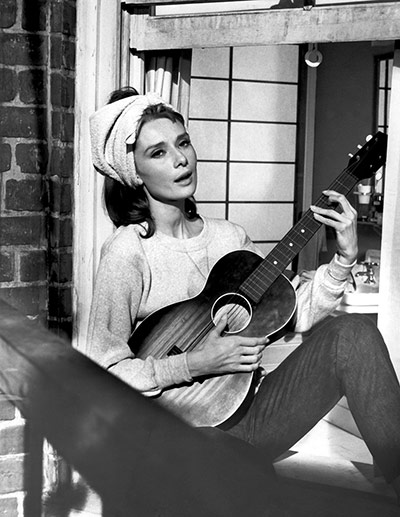
Henry Mancini’s ballad waltz, with lyrics by Johnny Mercer, may have been danced by Sophie and Brendan on Strictly but it was written for a classier act: Audrey Hepburn (above) as Holly Golightly in Breakfast at Tiffany’s (1961). Andy Williams crooned the first eight bars at the start of every one of his own TV shows and named his production company after it. Countless artists have recorded it, from Judy Garland to the Three Tenors and the Divine Comedy. It suits the “slow waltz” style, quite different from the quicker Viennese dance, which even the double-left-footed can shuffle round to and stay upright. André Rieu has recorded it Photograph: Everett Collection/Rex Features
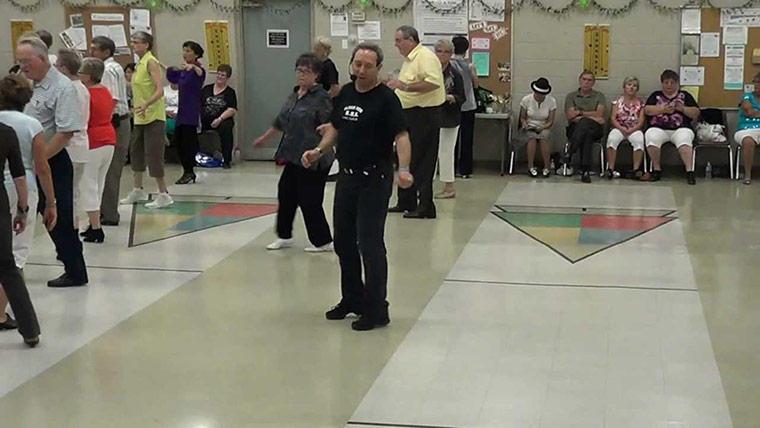
You think it’s easy to count 1-2-3, 1-2-3, or oom-cha-cha and move elegantly at the same time? There are dozens of DIY waltz videos online to warn you otherwise, from intricate, cross-footing Viennese style to slow, romantic ballroom mode to massed line-dance style where it’s good to keep as far from a partner as possible. In Grimsby, Ontario, the tutor (above) shows us how to “twinkle” in a “Funny Face” waltz class. Many couples need help with their “first wedding dance”. A stylish New York dance studio promotes fast, slick Viennese waltzing as a secret to eternal life, reducing blood pressure and providing a full aerobic workout. Go waltzing, live forever Photograph: PR
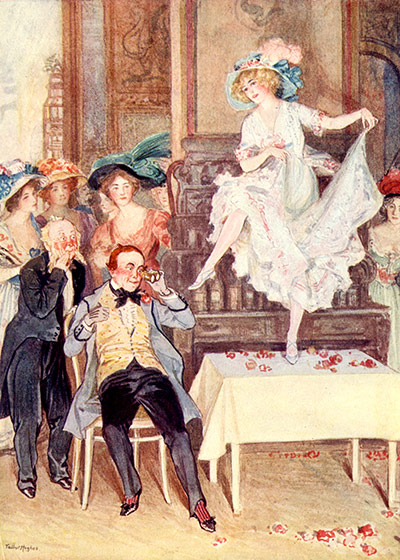
Premiered in Vienna on 30 December 1905, The Merry Widow (Die lustige Witwe), an operetta by Franz Lehár, poked suave fun at the politics, idleness and money of central Europe before the first world war, where lazy aristocrats drink champagne and dine at Maxim’s. In the infectious Act III waltz, Lehár has solo violin and cello dancing around each other in a sexy embrace. Countless non-operatic versions exist: Ernst Lubitsch’s delicious 1934 movie in which Maurice Chevalier and Jeanette MacDonald waltz magnificently. For sheer satin and glamour go for Lana Turner in 1952. And of course there’s André Rieu. Listen and weep Photograph: Lebrecht Music & Arts Photo Library
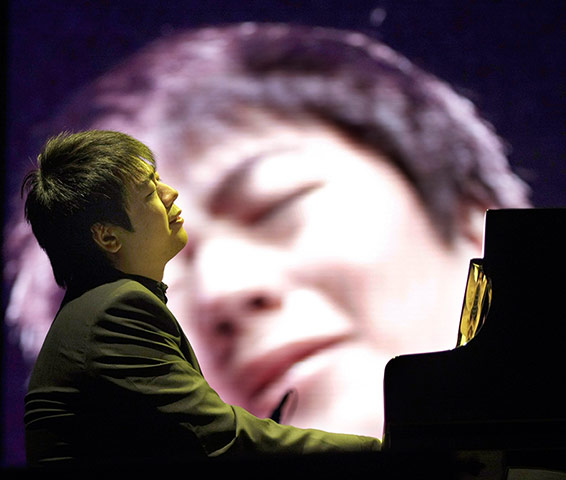
The opening half-trilled notes may make us leap, without hesitation, repetition or deviation, to switch off Radio 4’s panel game Just a Minute, for which this has been the theme tune since the programme began in 1967. Despite its nickname, Chopin’s Waltz in D flat major, Op 64, No 1 lasts closer to two minutes or more. It’s likely that “minute” was intended to describe the scale of the piece not the duration. Lang Lang, with all his showman's gusto, might trip you up. Some prefer their Chopin honky-tonk. Listen instead to some of Chopin’s other waltzes in the hands of the great composer-pianist Rachmaninov, musicianship personified. But has André Rieu recorded it? Photograph: PR
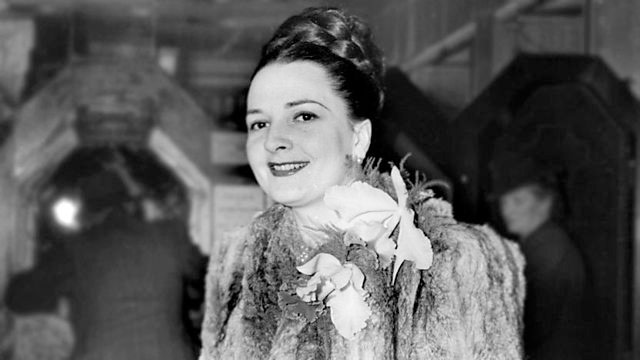
Given the state of the Ashes, English cricket fans may not be rushing to hear this unofficial Australian national anthem at the moment. The popular bush ballad dating from the late 19th century, about a hobo travelling with his “Matilda” (swag bag), is not a waltz and isn’t about dancing. The young Australian star Coral Browne (above) starred in the 1933 film Waltzing Matilda and chose the song as her favourite on Desert Island Discs in 1961. Or, of course, there’s Rolf Harris, who explains all the words – coolibah, billabong and jumbuck – in case you need help. André Rieu has recorded an entire Waltzing Matilda album, even though the song is not in three beats to the bar. Photograph: BBC
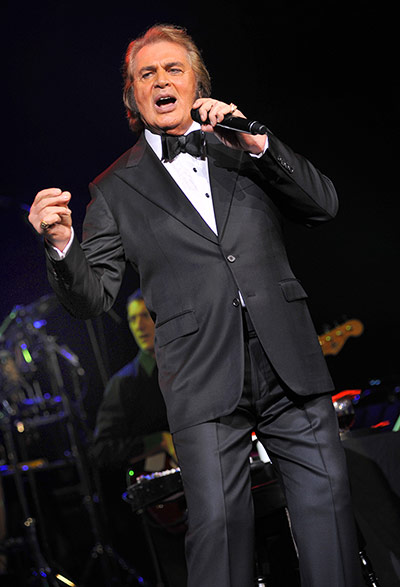
For many, The Last Waltz can only refer to Martin Scorsese’s film of the Band’s “last” concert, given in 1976 in San Francisco, with guests including Joni Mitchell, Eric Clapton and Ringo Starr. For others it means that excruciating moment at the end of the disco when you look for a partner for a slow smooch to Engelbert Humperdinck. “The last waltz will last for ever,” he sings, and you can only hope it won’t. Written by Barry Mason and Les Reed, it was at No 1 for five weeks in 1967 and sold more than 1m copies in the UK. The lyrics may sound better in French: Petula Clark, in her La dernière valse, thought so Photograph: C Brandon/Redferns