2001-2011
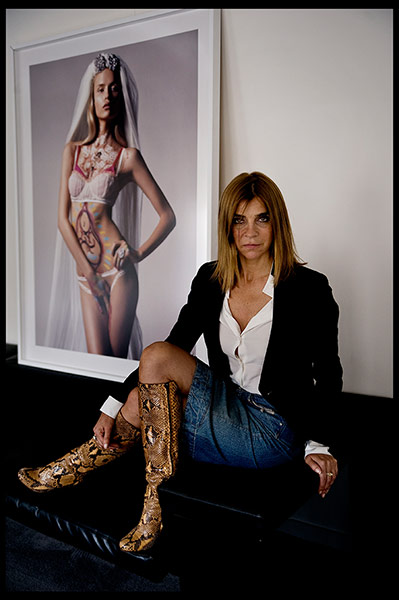
Roitfeld found fame as a stylist with photographer Mario Testino and as consultant for Tom Ford in the 1990s, before becoming editor of Vogue Paris in 2001 and remaking the rather staid title in her sexy, hard, glamorous image. Under Roitfeld, the magazine exerted an influence far greater than its circulation. Kate Moss, Sofia Coppola, Charlotte Gainsbourg and Tom Ford guest edited and the fashion stories purposely stoked controversy: fur-clad models, a “pregnant” Lily Donaldson smoking, six-year olds smouldering in full make-up and Lara Stone appearing in black face. Roitfeld’s humorous take on fashion was a welcome alternative to the draconian guides of what to wear and what to weigh that appeared at this time Photograph: Sarah Lee for the Guardian
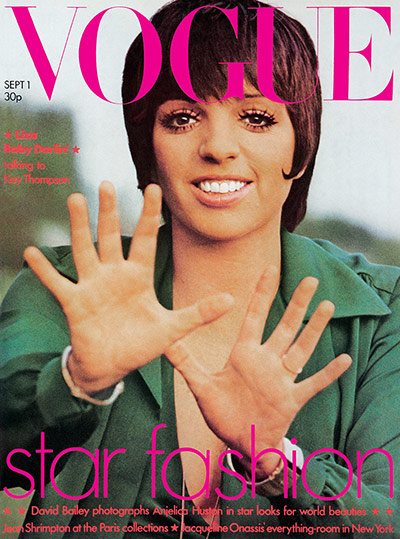
September 1973
The February 2014 American Vogue cover of Lena Dunham stoked up a nasty spat about retouching, feminism and body image, though few noted the similarity in pose to another cover star who also didn’t fit the typical model mould. Liza Minnelli appeared on British Vogue’s cover in 1973, the year she won the Oscar for Cabaret. The photographer? Actor Peter Sellers. The shot was taken during the time he had an affair with Minnelli. Sellers was an avid amateur photographer and film-maker. His friend Lord Snowdon said Sellers had got more of a kick out of having a photo in Vogue than in making a film Photograph: Peter Sellers/Vogue
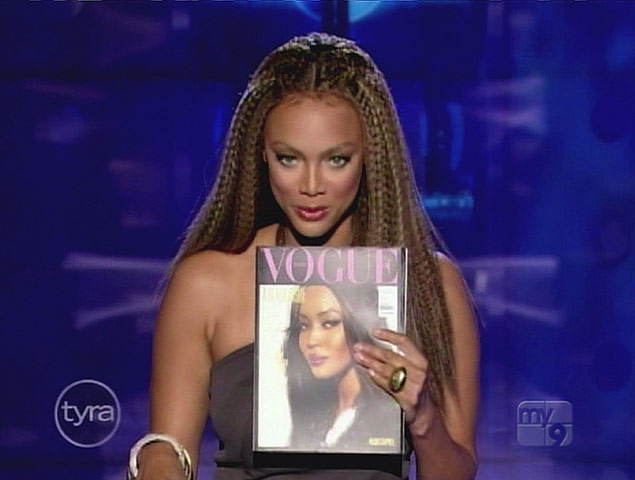
2008
In July 2008, inspired by a New York protest group fighting racism in fashion, Vogue Italia editor Franca Sozzani commissioned a special issue with only black models and celebrities. Photographed by Steven Meisel, models Liya Kebede, Sessilee Lopez, Jourdan Dunn and Naomi Campbell, plus Michelle Obama, Spike Lee and Tyra Banks all featured, and Toccara Jones became the first black plus-size model to appear in a high-fashion magazine. It became the bestselling issue of Vogue Italia, with two reprints needed to meet demand. Though advertisers got behind the idea – revenue was up 30% – most of the faces in the adverts were white Photograph: WENN
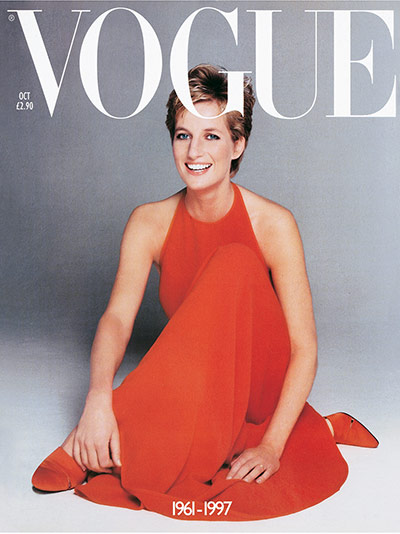
1997
British Vogue had a great influence on Princess Diana and the development of her style. Then fashion director Anna Harvey worked as Diana’s wardrobe adviser from the announcement of her engagement until her death on 31 August 1997, so the magazine wanted to pay tribute. Though the issue deadline had passed, editor Alexandra Shulman asked photographer Patrick Demarchelier, who was on a shoot in a remote location, for a picture. Demarchelier picked this previously unpublished portrait and then flew to London to attend the funeral. Vogue had a motorcycle courier waiting to collect the print from him at Westminster Abbey Photograph: Patrick Demarchelier/Vogue
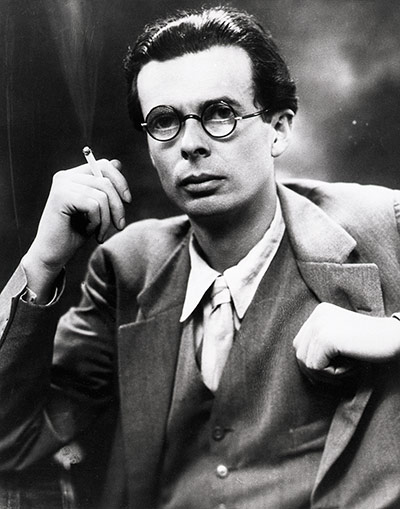
April 1926
Under the editorship of Dorothy Todd from 1922, British Vogue went avant-garde. Todd, with her lover, Madge Garland, who worked as fashion director, redefined the magazine as a modernist cultural journal and employed contributors such as Aldous Huxley, Virginia Woolf, Wyndham Lewis, Vita Sackville-West and Gertrude Stein. Huxley’s pieces included a feature on “the horrors of society”, the wedding breakfast for the marriage of the Duke of York (the future George VI) in April 1923 and, in April 1926, a report on the Paris fashion shows. Sadly, Vogue readers didn’t appreciate the intellectual take. Todd was fired in 1926 Photograph: Bettmann/Corbis
2007
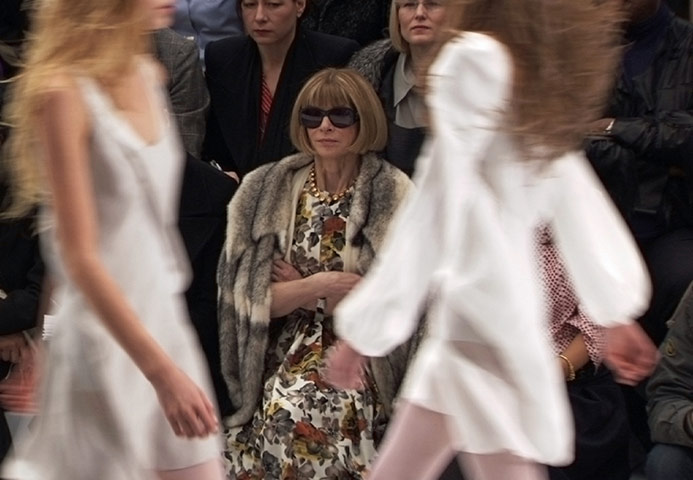
RJ Cutler’s documentary about the production of the 2007 September issue of American Vogue made a star out of the magazine’s creative director, Grace Coddington, and cemented the indomitable reputation of editor-in-chief, Anna Wintour, whose scathing opinions make The Devil Wears Prada’s Miranda Priestly look like a pussycat. The 2007 September issue is one of the most highly valued issues, with copies being sold for up to $115 on eBay after the documentary was released in 2009 Photograph: A&E Indie Films
January 1990
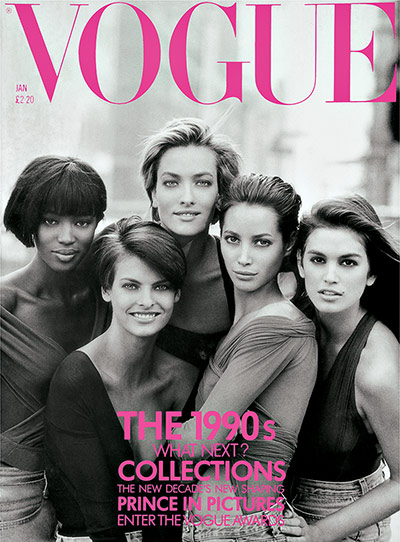
Photographer Peter Lindbergh’s group shot of Naomi Campbell, Linda Evangelista, Tatjana Patitz, Christy Turlington and Cindy Crawford was one of the first that gathered together the women who became known as the supermodels. This was the year that Evangelista said: “We don’t wake up for less than $10,000 a day”, giving rise to the idea of models as not only celebrities but also businesswomen and brands. Lindbergh went on to direct the 1991 documentary, Models: The Film Photograph: Peter Lindbergh/Vogue
March 1966
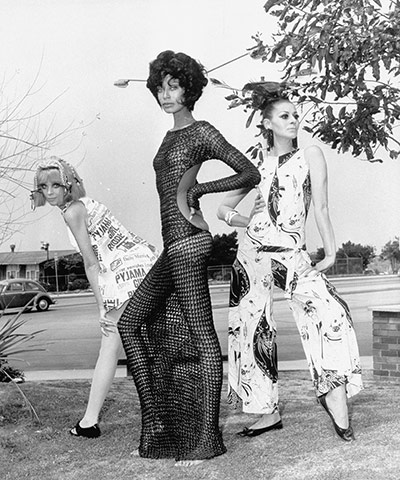
Model Beverly Johnson graced the cover of American Vogue in 1974; Naomi Campbell became the first black cover for Vogue Paris in 1988. But the first-ever black Vogue cover was in Britain in 1966 with model Donyale Luna peering coyly through her fingers at photographer David Bailey. Luna had come to the UK after work in New York dried up – advertisers had pulled out after she appeared in US Harper’s Bazaar magazine. Though she refused to make a stand on civil rights, she was part of the cultural scene in London, dating Terence Stamp and Brian Jones. Her drug habit derailed her career and she died of a heroin overdose in 1979 Photograph: Time Life Pictures/Getty Images
1963-1971
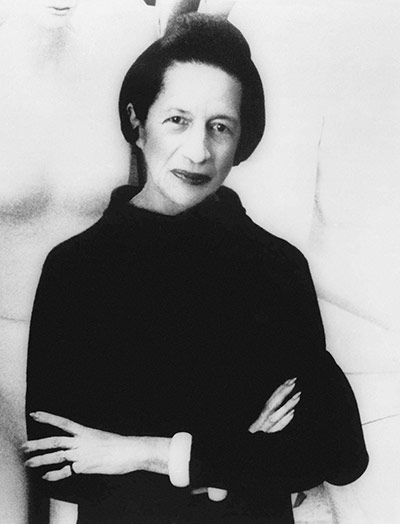
Editor Vreeland moved Vogue on from a focus on fashion to pop culture, filling its pages with the likes of Barbra Streisand, Cher, Mick Jagger and Andy Warhol. The stories she commissioned were some of the most fantastical in the magazine’s history, including some shot at male initiation rites in Bali and with sumo wrestlers in Japan. Her office was decorated in red and leopardskin and she stamped each issue she edited with a red DV monogram Photograph: AP
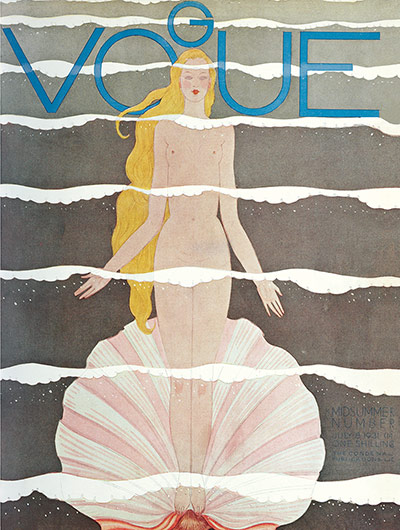
July 1931
Illustrator Georges Lepape created Vogue’s first nude cover, a Botticelli-inspired Venus. A second appeared in August 1933, this time designed by Eduardo Benito. Few nude photographic images have been used for the magazine, though Kate Moss has graced the British cover naked in 1995 and the Brazil cover in 2011. Robbie Williams was naked for his October 2000 cover and Johnny Borrell was topless for the May 2007 cover Photograph: Georges Lepape/Vogue