Iceland
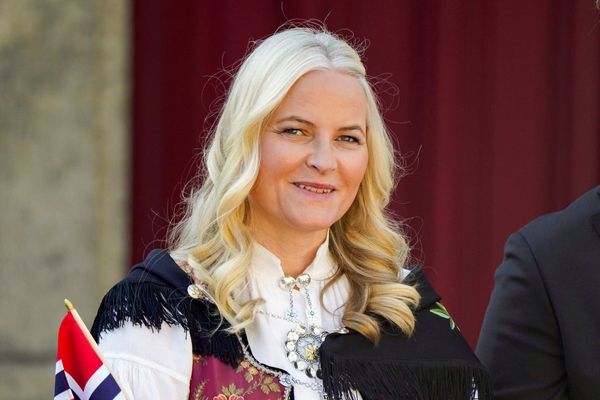
Meet Inspector Erlendur. Lugubrious, lonely and brilliant at his job. He tries to patch up failed relationships, most notably with his drug-addict daughter and estranged son, but mostly fails, and sits at home reading about death and desolation. His problems date to his childhood, when his brother disappeared in a blizzard, and Erlendur survived. Decades later, he is still looking for the body – and solving crimes in a country vividly brought to life. Or perhaps vivid is not the best adjective: there is plenty of gloom, harsh living, and bad, bad weather. Wonderful Photograph: Torsten Silz/AFP/Getty Images

Sweden
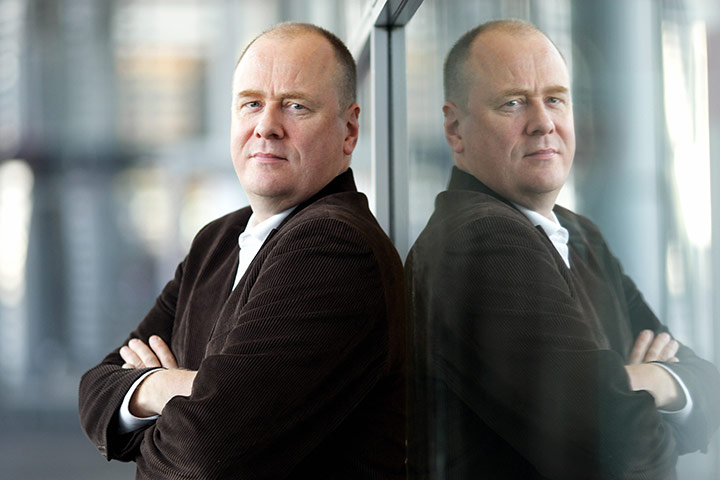
Read some of his non-Wallander novels – for example Depths, The Man from Beijing, or Italian Shoes – and you can see quite how impressive a writer Mankell is, and why he has sold 30m books. But it was the creation of Inspector Kurt Wallander that made Mankell so popular, turned Ystad into a tourist destination and started the phenomenal worldwide interest in Scandinavian crime writing, and gloom. “I’m not sure melancholia is a dominant trait of Swedish or Scandinavian literature,” Mankell has said. There’s plenty of it, though, in the 10 Wallander novels Photograph: Eamonn McCabe
France
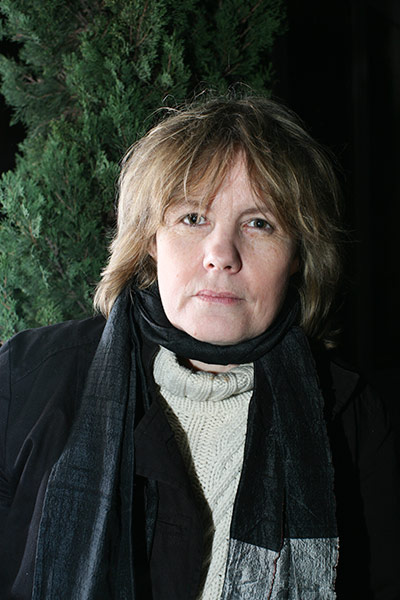
Frédérique Vargas is an archaeologist and historian whose imaginative characters put most of America’s top-rated crime writers to shame. One of her Commissaire Adamsberg series revolves around a modern-day town crier in Paris; another follows a trail of mutilated sheep, and a third features a detective who talks in verse and – while on witness protection duty, and from the safety of a broom cupboard – writes down the works of Racine in large letters so his grandmother can read them. Vargas’s novels have deservedly won many awards Photograph: Eamonn McCabe
Sweden
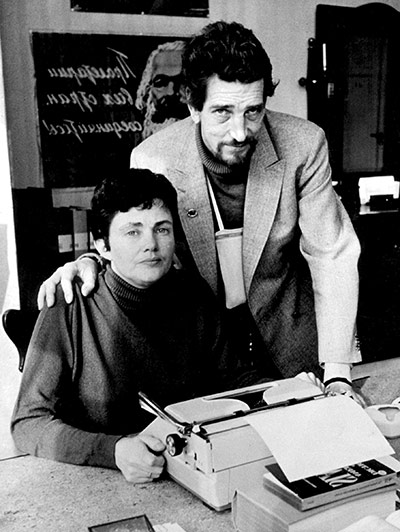
Besides Indridason and Mankell, Scandinavia has given us Stieg Larsson, Karin Fossum (brilliant) and Jo Nesbø (too Americanised). Beyond these big names, Karin Alvtegen’s haunting novels are matched by Åke Edwardson, Kerstin Ekman, Mari Jungstedt, Asa Larsson and Håkan Nesser. They all owe a debt to Maj Sjöwall and Per Wahlöö, a couple of radical journalists who would sit and write every evening after putting the children to bed. Their 10-book Martin Beck series, written between 1965 and 1975, year of Wahlöö’s death, set the standard. A must-read Photograph: Scanpix/PA
Greece
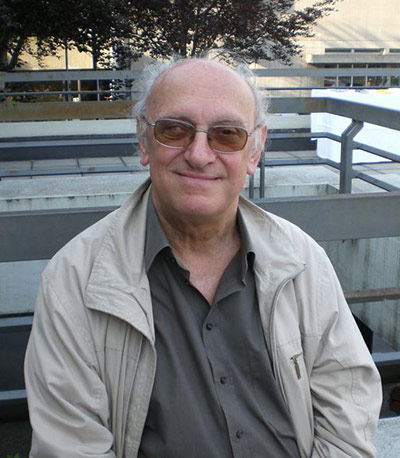
There is no better writer on traffic jams anywhere in the world. Markaris, a successful playwright and screenwriter, uses the traffic as a way of portraying the mess that is modern Athens, and offers plenty more on its confused politics and business life. His central character, Inspector Costas Haritos, was a “baddie” under the military dictatorship. He reads dictionaries, jokes about racism and immigration – “There are two things I can’t stand. Racism, and blacks” – and loves stuffed peppers, his wife’s recipe for which appears as an addendum to one novel Photograph: PR
France
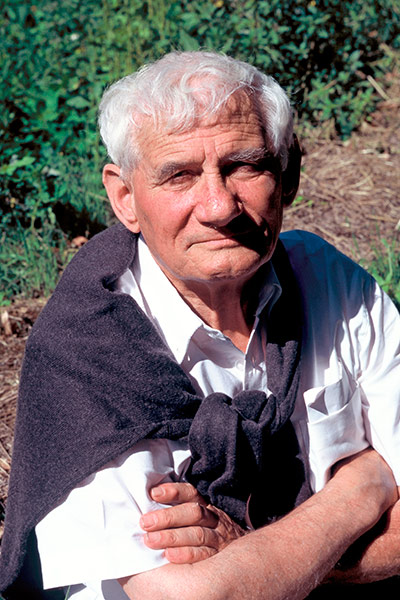
His career as a crime writer did not take off until he was 56, and he is still going strong in his 80s. Magnan has rarely ventured outside Provence, where his knowledge of local dialect has tested his translators. That might explain, at least partially, why some of his books had been around for 25 years before being published in English. They are quirky, and while the two linked by the character Séraphin Monge (The Murdered House, Beyond the Grave) bring to mind Jean de Florette, the Commissaire Laviolette series of three will be a pleasure for fans of Fred Vargas. Thoroughly enjoyable Photograph: Alain Potignon/Sygma/Corbis
Spain
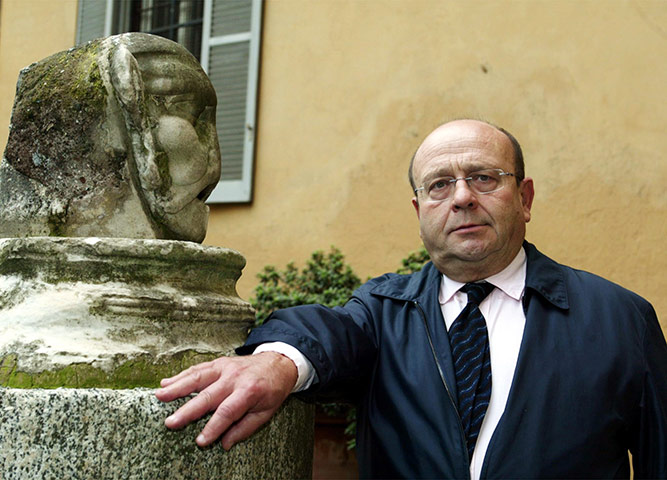
Pepe Carvalho is another detective who likes his food – so much so that there is a book of his recipes, along with more than a dozen novels, written between 1972 and 2000, three years before Vázquez Montalbán’s death. There is also a special tourist route around Barcelona for fans of Carvalho, who knows the seedy side of the city as well as the best restaurants. Political corruption and justice are themes that run throughout, alongside discourses on cultural identity, while two novels focus on sport, Offside and An Olympic Death. Vázquez Montalbán was a diehard Barcelona fan and leftist Photograph: Alessia Paradisi/AFP/Getty Images
France
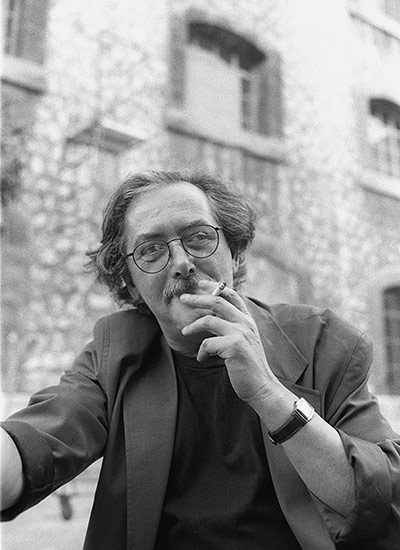
The Marseilles trilogy, written in the 1990s and featuring Fabio Montale (played on screen by Alain Delon), showcases the city through the eyes of an immigrant who, unlike his troublesome boyhood friends, became a cop. The hard-boiled Izzo is a leading name in Mediterranean noir, along with Massimo Carlotto (who spent many years in prison for murder, before being pardoned). The New York Times says Izzo’s books “are so thick with local colour it almost smothers the story”. There would surely have been more to enjoy had Izzo not died of lung cancer, aged 54 and at the height of his fame, in 2000 Photograph: Sebastien Boffredo/EPA
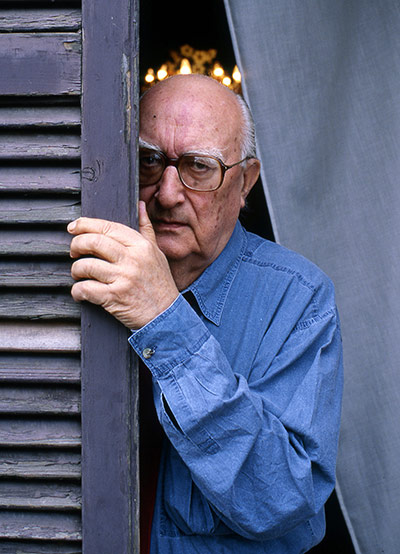
Italy
Having come late in life to writing, Camilleri thought he would just write a couple of books featuring DI Salvo Montalbano when he created him in 1994. The series now stands at 12, and Camilleri, who will be 86 this year, has become Italy’s best-selling and most loved author. He starts the day with a beer, smokes like a chimney, and is wonderfully engaging company. Montalbano is named after Vázquez Montalbán, whose writing and politics Camilleri greatly respects, and there are clear similarities between the Sicilian and Pepe Carvalho. If you haven’t read them, you have a treat in store Photograph: Cendamo Leonardo/AFP/Getty Images
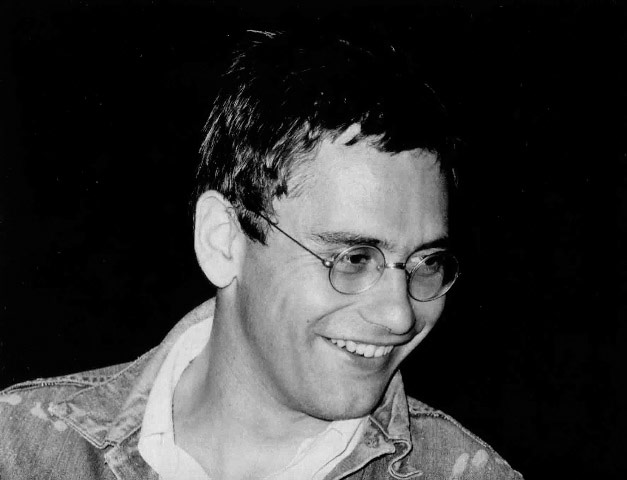
France
A questionable choice, as he was born in Walthamstow (Brits are not included in “Euro” crime writing), but he lived in Italy for years, moved to Guadeloupe, and holds dual nationality. His latest novel is available only in French, so if I make him French rather than British he gets in (admittedly unfair on two other Anglos, whose detectives work in Italy and Spain – the late Michael Dibdin and the brilliant Robert Wilson). The five books in Williams’s Commissario Trotti series, written from 1982–96, are hard to find, but if you liked Zen (Dibdin’s books or the TV series) you’ll enjoy Trotti just as much. A delight Photograph: PR