by Joan Lindsay
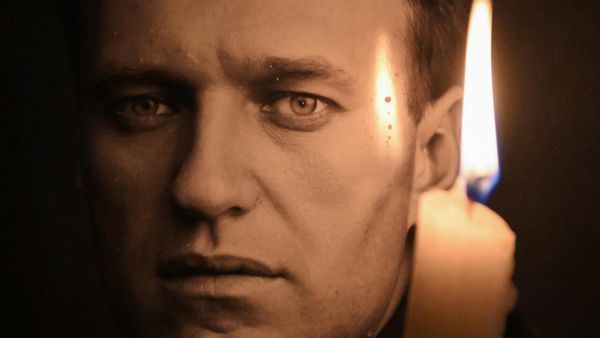
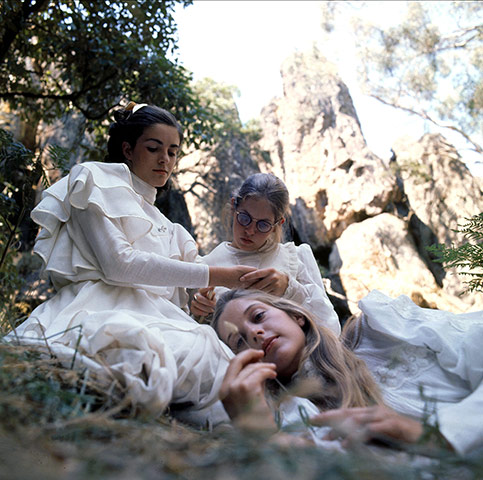
This deliciously horrific Australian thriller, set in 1900, could be seen as an anti-picnic cautionary tale. Three schoolgirls disappear – drawn by the malevolent Hanging Rock. One wonders why the teachers chose the rock – known for its “poisonous ants” – as a picnic spot. Still, as last lunches go, the picnic is palatable. A zinc-lined wicker basket in the shade of a gum tree keeps milk and lemonade “deliciously cool”. There is chicken pie, a handsome, heart-shaped cake (it is Valentine’s Day) and, less irresistibly, “tepid bananas inseparable from an Australian picnic” Photograph: Allstar Picture Library
by Martin Amis
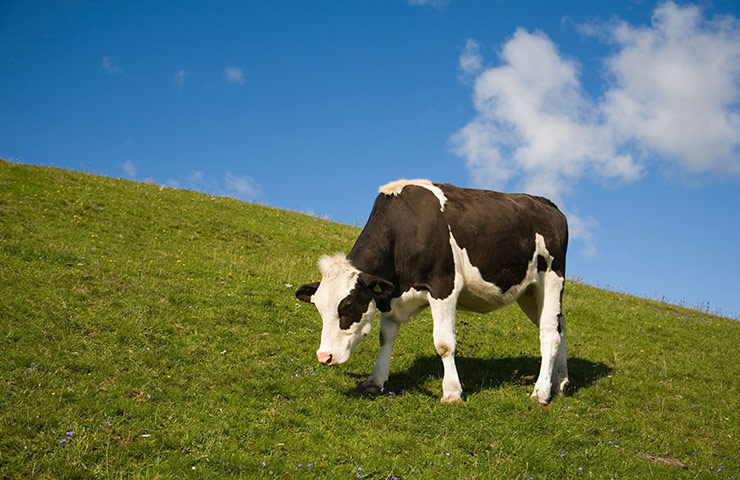
Drugs, gin, a collision with barbed wire, a stomach upset and a chase across a field by a heifer make up this hilarious picnic from hell. The girls strip off (Amis’s scrutiny of their breasts keeps the lid on the picnic hamper for a while), the bloodied heifer limps off, the picnic is broached: “Offending portions of salad and cheese were disgustedly spat out on the grass…the company snorted when bananas were mentioned and actually gagged in unison when boiled eggs were produced.” Wine comes to the rescue – a bottle each – and “loquacity” returns Photograph: Alamy
by Virginia Woolf
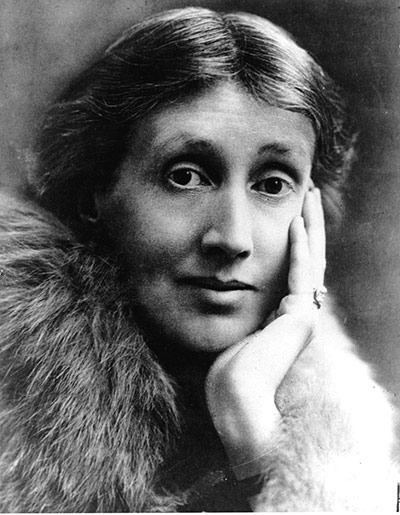
An unpretentious picnic in a boat within sight of the lighthouse and the novel’s closing pages. Mr Ramsay enjoys the simplicity of the fare: “Now he was happy, eating bread and cheese with these fishermen.” But the sandwiches cannot have been up to much as his daughter, Cam, wants to throw hers into the sea (Mr Ramsay forbids it). Another side to his character is revealed as he offers her, in a moment of picnic etiquette, “a gingerbread nut, as if he were a great Spanish gentleman… handing a flower to a lady at a window” Photograph: AP

by Ian McEwan
The setting is a beech wood in the Chilterns and the picnic ought to have been tasteful, middle-class and uneventful. The ingredients were bought at Carluccio’s in London, the centrepiece is “a great ball of mozzarella”. There are olives, mixed salad and focaccia. The wine is a 1987 Daumas Gassac – opened but never enjoyed because of what is to eclipse the picnic forever and launch the turbulent novel: a hot air balloon in trouble which has the narrator abandoning his picnic and running across the fields Photograph: The Ronald Grant Archive

by Anton Chekhov
Red-faced, good-hearted, peace-making Samoylenko prepares “an awfully good soup of grey mullets” (impractical choice?) for his picnic and fusses about salt, friendship and the soup’s reception. Chekhov’s characters do not agree much with each other (take note of the title) but soup brings temporary harmony: “the fish soup was ready by now. They were ladling it out by platefuls and eating it with the religious solemnity with which this is only done at picnics.” This picnic party may be reverent but it is also untidy – they lose bread and spill salt and wine everywhere Photograph: Alamy
by DH Lawrence
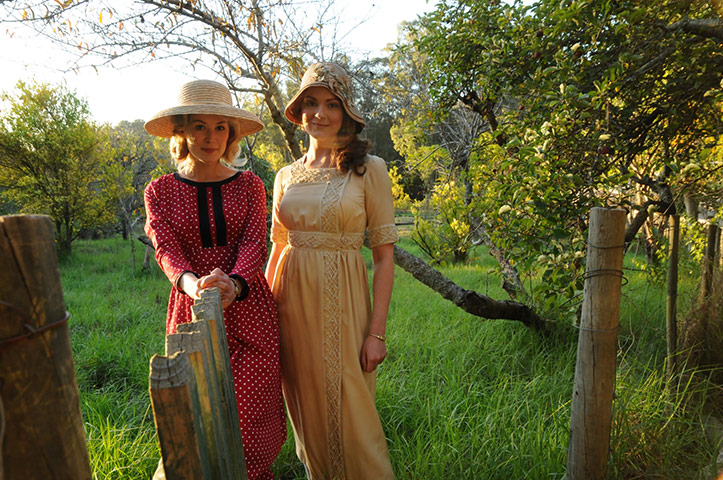
DH Lawrence’s picnics involve more feasting on the body than on sandwiches. The open air is an aphrodisiac. At a lakeside picnic, Ursula and Gudrun swim in the nude, dance themselves dry, refresh themselves with “hot and aromatic” tea, cucumber and caviar sandwiches and “winy cakes”. Sounds delicious. The second picnic, in Sherwood Forest, is even sexier. Birkin chucks picnic ingredients “bread, and cheese, and raisins, and apples and hard chocolate” into the car while Ursula is consumed with desire for him (as far as we know, the chocolate stays untouched) Photograph: BBC
by Jane Austen
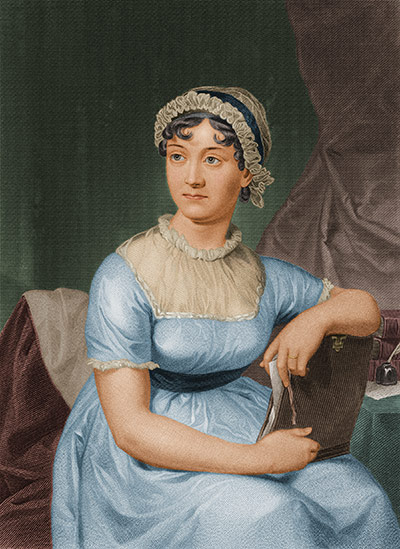
Jane Austen dramatises, in the Box Hill outing, the difficulty of getting decent conversation going in the hit-and-miss situation of a picnic. Frank Churchill sets himself up as a tiresome quiz master insisting everyone perform; Emma humiliates Mrs Bates for being a bore and is mortified when she is later told off by Mr Knightley. The atmosphere is of lassitude. There is a “want of spirits, a want of union, which could not be got over”. Nothing as vulgar as the consumption of food is alluded to, but one assumes it was on offer (Mrs Elton planned pigeon pies and cold lamb in an earlier chapter) Photograph: Getty Images

by Kenneth Grahame
This is one of literature’s rare picnics: a success. “What’s inside it?” Mole asks, eyeing a fat wicker luncheon basket. ‘‘There’s cold chicken inside it,” replies the Rat briefly; “coldtonguecoldhamcold beefpickledgherkinssaladfrenchrollscress sandwichespottedmeatgingerbeer lemonadesodawater… ”Enough to give any picnicker indigestion. But Mole is intoxicated by the provisions and by Rat’s watery lifestyle. There is a charming EH Shepard illustration of Mole with his velvety snout deep in the basket. He gasps “O my! O my! O my!’ at the mysterious parcels, each containing a new revelation”
Photograph: EH Shepard
by David Nicholls
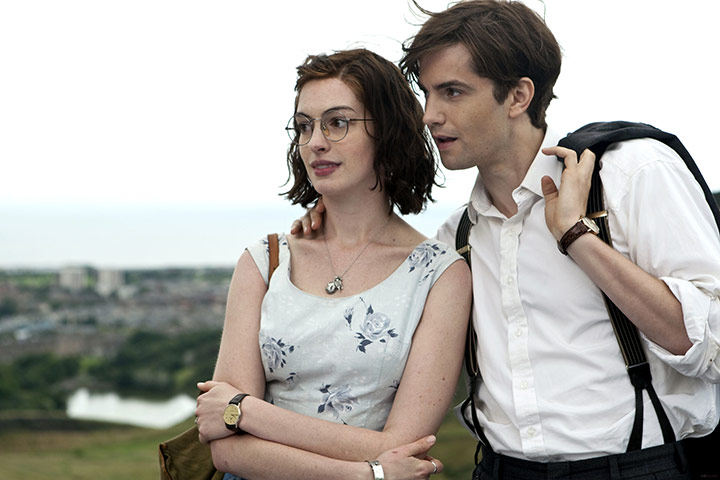
Emma and Dexter hardly know one another when Nicholls springs upon them the intimacy of a picnic – on Arthur’s Seat in Edinburgh. Shopping for it proves a “self-conscious” process: “Were olives too fancy? Was it funny to take Irn-Bru, ostentatious to buy champagne?” They sit in a hollow where “rocks seemed to provide some natural furniture” but their picnic is a flop. The champagne is lukewarm. They talk about the weather and throw heather at each other to kill time. But for the reader, this picnic, recalled near the end of the novel, is tasted with the bittersweet wisdom of hindsight Photograph: Allstar

translated by Edward FitzGerald
“Here with a Loaf of Bread beneath the Bough,/ A Flask of Wine, a Book of Verse - and Thou/ Beside me singing in the wilderness – /And Wilderness is paradise enow.” Maybe a poem is cheating, but this is the picnic to begin – and end – all picnics, filled with the sense of life’s brevity. The intoxicating moment must be seized – swallowed – before it goes forever: “Come, fill the Cup and in the Fire of Spring/ The Winter garment of repentance fling:/ The Bird of Time has but a little way/ To fly – and Lo! the Bird is on the Wing.” A call to pack up a picnic basket today Photograph: Lebrecht Authors/Corbis