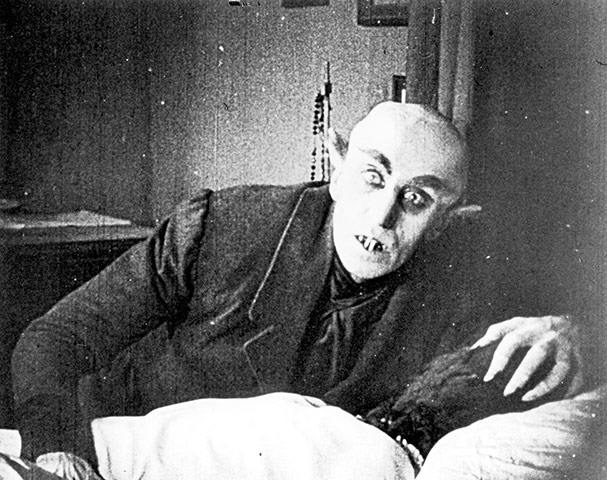
1922
Bat-eared Max Schreck became an early classic screen vampire in FW Murnau’s silent gem, an unauthorised adaptation of Bram Stoker’s novel that incurred the ire of the author’s widow and was initially refused a certificate by British censors. Despite prints and negatives being destroyed in a lawsuit settlement, the film survived and is still copied and parodied to this day. In 1979, Werner Herzog paid tribute to it in Nosferatu the Vampyre, with memorable performances by Herzog’s long-standing “best fiend” Klaus Kinski and leading lady Isabelle Adjani Photograph: Ronald Grant Archive
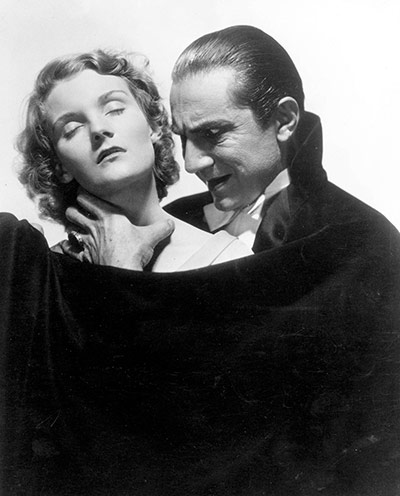
1931
Tod Browning adapts Stoker via the stage play in which Bela Lugosi had already starred to popular acclaim. While Browning shot on the Universal sets by day, by night director George Melford led Carlos Villarías through his paces in the Spanish-language version, which some enthusiasts regard as more stylish than its English-language counterpart. Although Lugosi never received the critical praise he craved (and deserved), he got his own back from beyond the grave when Martin Landau won an Oscar for playing him in Tim Burton’s affectionate biopic, Ed Wood Photograph: Ronald Grant Archive
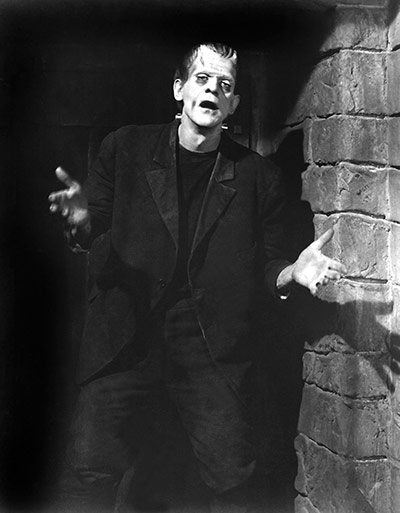
1931
“It’s alive!” Colin Clive essays his ground-breaking version of the doctor who would be God in James Whale’s adaptation of Mary Shelley’s novel, which again has its roots in a theatrical production. Bela Lugosi claimed he turned down the role of the “monster” because it was a non-speaking part, leaving Boris Karloff to step into the creature’s giant shoes and Jack Pierce’s makeup. A sequel, Bride of Frankenstein, is a rare example of a follow-up that matches and perhaps even bests the original. Bill Condon’s 1998 Gods and Monsters offers an intriguing take on Whale’s tortured vision
Photograph: REX/Everett Collection
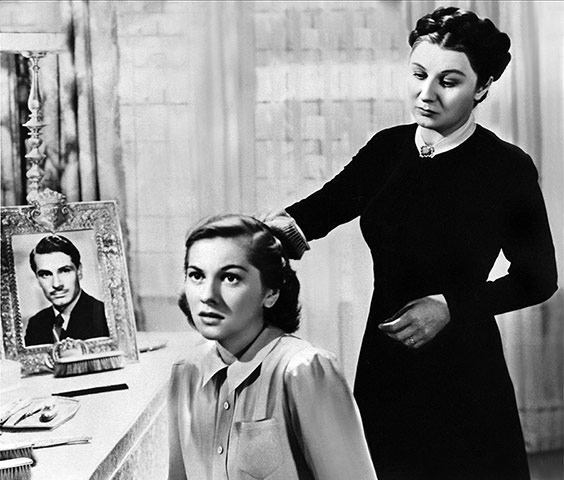
1940
“The shadow of this woman darkened their love!” Adaptations of Daphne Du Maurier’s eerie fiction include Nic Roeg’s Don’t Look Now and Hitchcock’s The Birds, but this tale of a young bride living with the ghostly presence of her husband’s first wife is perhaps the most rewarding. Laurence Olivier and Joan Fontaine are electrifying as Mr and Mrs de Winter, and Judith Anderson steals the show as the terrifying Mrs Danvers, the inspiration for Aardman’s creepy penguin. Rebecca won Oscars for best picture and cinematography, but Hitch lost out to John Ford (The Grapes of Wrath) for best director
Photograph: Allstar
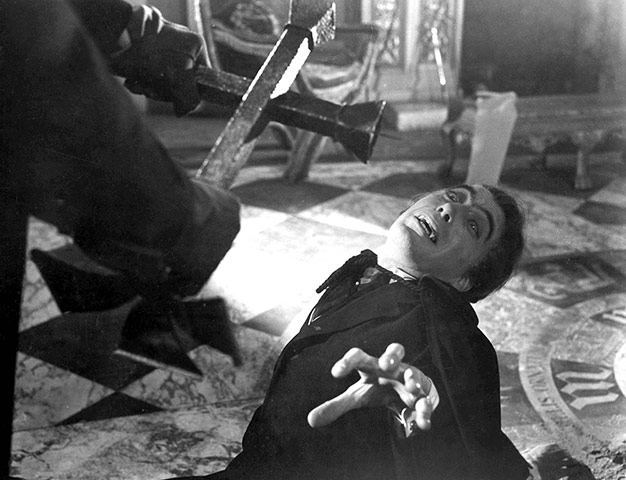
1958
Christopher Lee and Peter Cushing go head to head as vampire and vampire hunter respectively in the movie that, along with The Curse of Frankenstein, established Hammer as Britain’s leading purveyors of gothic screen chills, a success story that would lead to the Queen’s Award for Industry a decade later. Superb direction from Terence Fisher and a crisp, clean script by Jimmy Sangster are complemented by a rapturous score from James Bernard. Lee (who has only 13 lines of dialogue) claims he was paid a mere £750 for what became an international hit
Photograph: REX/Moviestore Collection

1961
Edgar Allan Poe was a longstanding inspiration for Roger Corman, who directed such gothic classics as The Fall of the House of Usher, The Raven and The Masque of the Red Death. Perhaps the most memorable image from his nightmarish catalogue is that of the giant swinging blade edging ever closer toward its victim – and toward us, the viewers – in this wonderfully overripe melodrama. Vincent Price is on top form as Nicholas Medina, the sinister torturer’s son whose wife is reported to have died of a blood disease, but who seems in fact to have died… of fright!
Photograph: REX/Courtesy Everett Collection/REX/Courtesy Everett Collection
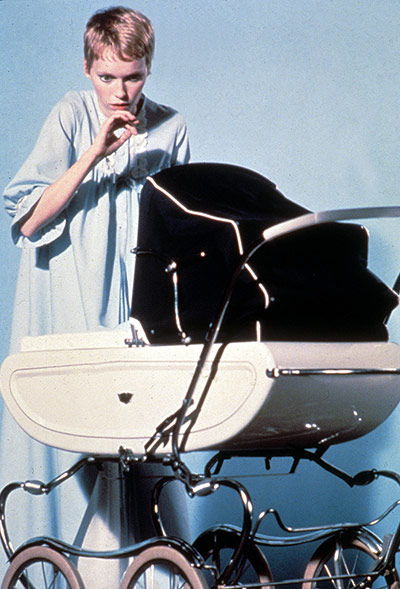
1968
The clash between ancient and modern is embodied in the architecture of the Dakota, an imposing neo-gothic structure in the middle of New York whose castle-like exterior inspired the “Bramford building” of Ira Levin’s novel. Roman Polanski’s adaptation of Levin’s satirical source brings the gothic tropes of an ancient story (a young woman claimed by Satan to carry his child) into the heart of modern America, replete with bickering covens, noisily nefarious neighbours and a post-psychedelic apparition of Old Nick. The haunting title lullaby is sung by Mia Farrow, who received divorce papers from Frank Sinatra during the shoot Photograph: REX/Moviestore Collection
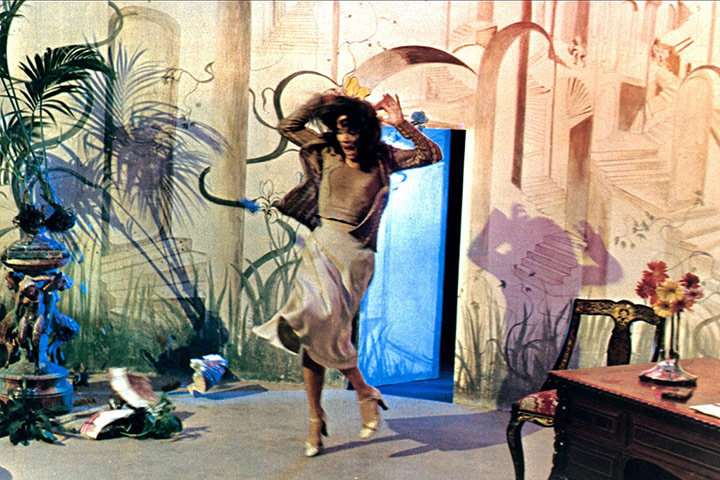
1977
When a young ballerina enrols in an exclusive European dance academy, she discovers occult secrets hidden within the faculty enclave. Dario Argento (following in the footsteps of fellow Italian Mario Bava) developed a distinctive form of colourful modern gothic horror that would inflect scary movies around the world for years to come. With the spectre of Poe always lurking in the background of his nightmares, Argento specialises in bold, sweeping visuals and intense psycho-dramatic plots that dance around the very edges of reason. Jessica Harper aces it in the lead role, which made her a cult horror star in the 1970s
Photograph: Allstar

1987
In 2009, Kathryn Bigelow would become the first woman to win the Oscar for best director with her riveting bomb-disposal drama The Hurt Locker. The seeds of her later success are evident in this latterday vampire tale that transposes timeless European legend to the fertile grounds of the modern American gothic, creating a lusty tale of love and death that is at once romantic and deadly. Lance Henriksen heads the clan of deathless souls who roam the Earth in search of blood – the bar-room scene in which Bill Paxton and his cohorts quaff local brew by the glass has entered the lexicon of modern horror Photograph: REX/Moviestore Collection
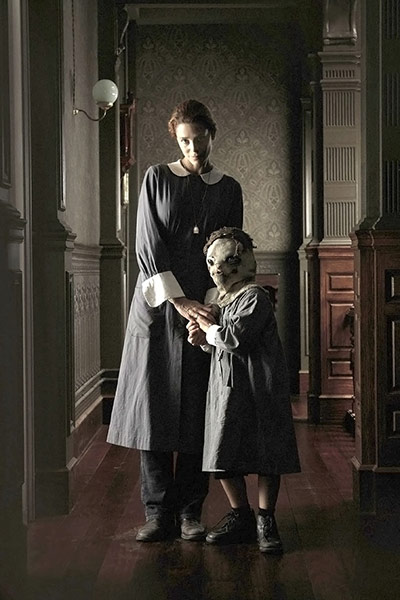
2007
The influence of executive producer Guillermo del Toro is evident in JA Bayona’s heartbreaking ghost story about lost children in search of a maternal guide – a modern classic that draws in equal measure upon Robert Wise’s The Haunting, Alejandro Amenábar’s The Others and Del Toro’s own underappreciated gem, The Devil’s Backbone. Superb sound design by Oriol Tarragó keeps the tension levels high, while the atmospheric visuals evoke a melancholy netherworld between dreams and reality. Belén Rueda is marvellous as the mother struggling to raise her son in the orphanage she once called home Photograph: Rex Features