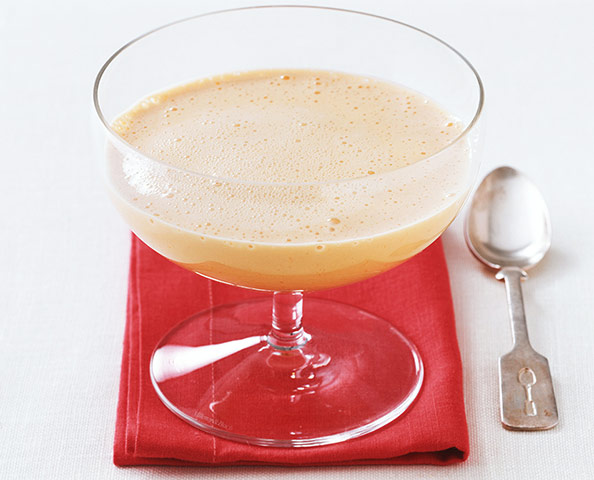
When I was growing up, one of the few dishes my dad cooked was zabaglione. He would preface his efforts by telling us about its origins. During a military campaign, Count Baglioni announced that he was hungry. Lacking equipment, and with only eggs, sugar and marsala wine to hand, his cook combined the ingredients in a helmet and heated them over a fire. In actual fact, it transpires that this story could well be baloney. Several Italian regions have their own version of zabaglione’s origins, and most of them don’t involve a helmet. Still, I continue to tell myself it’s true every time I cook this dish
To see a recipe for Zabaglione click here Photograph: Bon Appetit/Alamy

The literary agent’s eponymous aperitif differs from a classic kir through the addition of ice and an orange slice. It’s available at the Ivy, in central London, where staff got so used to serving it to Victor that the maitre d’, Fernando Peire, decided to put it on the menu. The secret, says Victor, is to be sparing with the cassis: “I always say to the bartender, ‘Imagine you’ve spent the night on a tropical beach. Then you look to east to see the sun rising – that’s the colour it should be.’” Hearing about it moved Piers Morgan to declare: “You have a drink named after you and I don’t?” Photograph: Sarah Lee
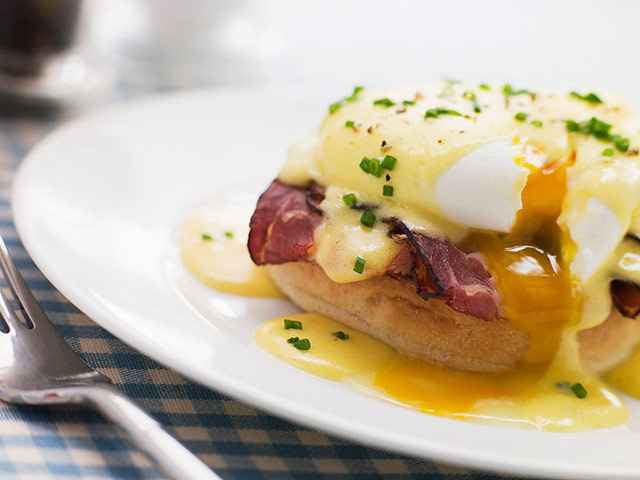
Food historians agree that this famous brunch dish has its roots in the well-heeled dining culture of late 19th-century New York. But its actual origins are hotly contested, with a number of Benedicts having claimed it as their own. Whoever first thought of it, it remains, for me, far and away the best hangover cure, a billowing mass of buttery softness that restores equanimity to the most battered psyche. And, of course, its obligatory accompaniment is a bloody mary, another classic New York creation, whose inventor is often said to be the comedic entertainer George Jessel
To see a recipe for eggs benedict click here Photograph: MBI/Alamy
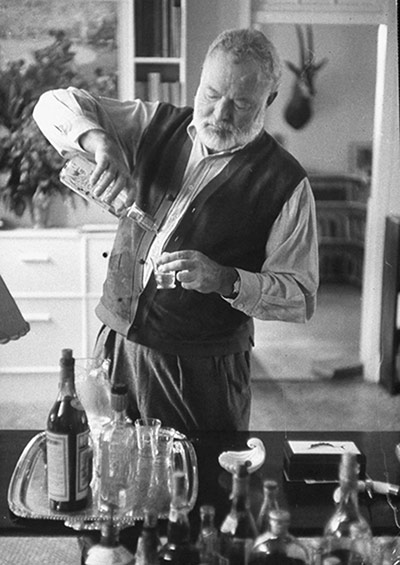
Also called Death in the Afternoon, this was the drink Ernest Hemingway recommended when invited to contribute to a 1935 cocktail book. His instruction: “Pour one jigger absinthe into a champagne glass. Add iced champagne until it attains the proper opalescent milkiness. Drink three to five of these slowly.” Other cocktails invented by the dipsomaniac novelist include Death in the Gulf Stream (a mix of gin, lime and bitters), the Hemingway daiquiri (made with grapefruit juice instead of sugar and with a splash of maraschino liqueur) and the Hemingway Hammer (Bacardi and various fruit liqueurs) Photograph: Tore Johnson/Time Life Pictures/Getty Images
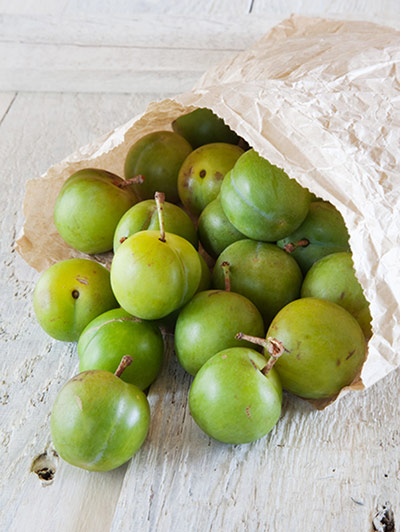
This green plum is thought to derive its name from Sir William Gage, early cricket enthusiast and MP for Seaford, East Sussex, who introduced the fruit to England in around 1725 after obtaining a supply from France. (There, the plum is called Reine Claude, after the wife of the 16th-century King Francis.) A delectable fruit that is especially good in tarts, it has been scandalously underappreciated in Britain, where the relatively bland Victoria is easily the most popular variety. Maybe its time has come, though: last autumn, it was reported that sales were up, beating apricots by 25%
Nigel Slater's Greengage frangipan tart Photograph: Gordon Bell/Alamy
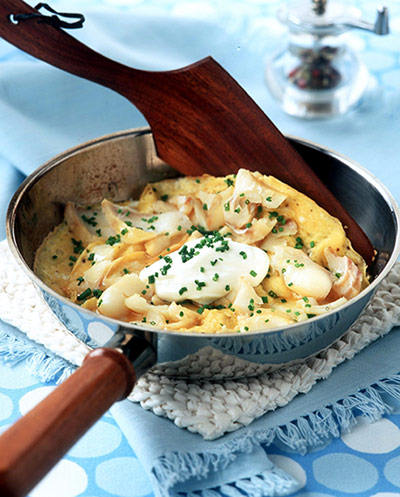
Chefs at the Savoy hotel invented this dish – so legend has it – while Bennett was staying there to write his final novel, Imperial Palace (1930). The author liked it so much he insisted that it be prepared for him wherever he travelled. An authentic omelette Arnold Bennett is staggeringly rich, a relic from a less weight-conscious age: an omelette is filled with smoked haddock, then smothered in bechamel and hollandaise sauce, topped with parmesan (and sometimes cream) and baked in the oven. Nigel Slater’s marginally lighter version is recommended for those wishing to try it at home Photograph: Rex Features

The founding father of the People’s Republic of China was from Hunan, one of the country’s best gastronomic provinces. His favourite dish was the classic red braised pork of the region, consisting of pork belly cooked in a slowly reducing mixture of red chilli, sugar, soy sauce and spices. Now bearing his name, the dish is available in Hunan restaurants all over China and was even subject to an official attempt at standardisation in 2010. The Great Helmsman’s taste, in this area at least, can’t possibly be faulted: it’s a delicious dish, which is surprisingly easy to prepare at home
To see a recipe for Chairman Mao's pork click here Photograph: Keystone/Getty Images
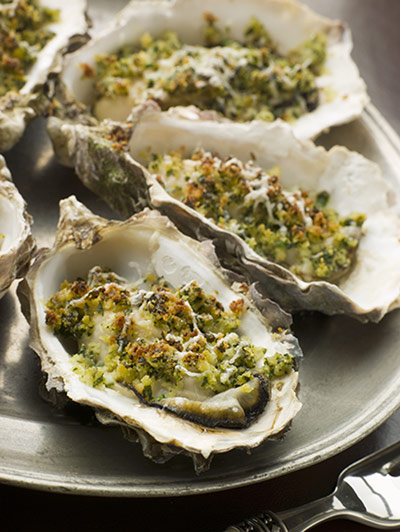
Unusually for a food named after a person, the origins of oysters Rockefeller are completely uncontested. Seeking an alternative to hard-to-come-by French escargots, chefs at Antoine’s restaurant in New Orleans created the dish – baked oysters topped with a buttery green sauce and breadcrumbs – in 1889. They named it after John D Rockefeller, then the richest man in America, on account of the richness of the sauce. What is in doubt, though, is how the sauce is made: even today, Antoine’s keeps the recipe secret and there are several points of controversy. Should it contain spinach? Purists say no. Pernod? Probably
To see a recipe for Oysters Rockefeller click here Photograph: Monkey Business Images/Rex Features
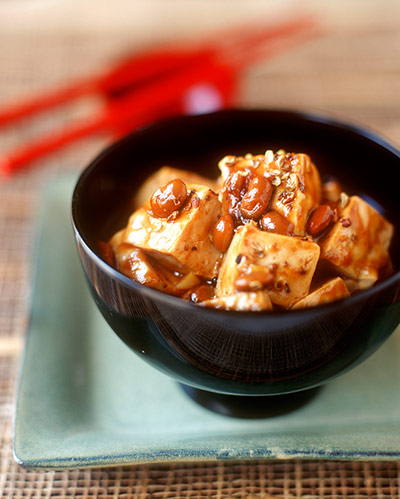
When I first ate this classic dish from China’s Sichuan province, I assumed it was so called on account of its mottled appearance. But in fact, its name is a homage to the facial condition of its inventor, who, depending on which legend you believe, was either the wife of a master chef within the Qing dynasty or an old woman with a restaurant on the outskirts of Sichuan’s capital, Chengdu. Lipsmackingly fiery but also incredibly moreish, it contains two of the staple ingredients of the region’s cuisine: Sichuan peppercorns and chilli bean paste. Also known as mapo tofu
To see a recipe for click here Photograph: Corbis
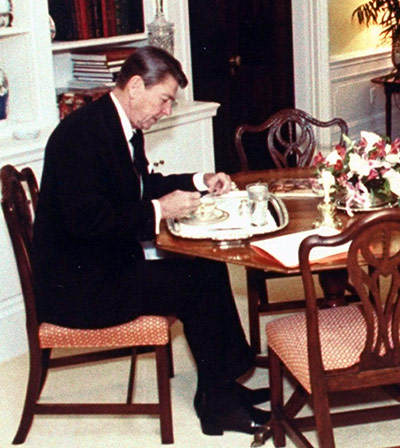
In 1986, Ronald Reagan admitted that he liked French soups. Such Europhile tendencies in an otherwise patriotic president required a hasty PR response and the result was this all-American soup, made from ground beef, tomatoes, green peppers and hominy. Today, one suspects, it is rarely made, but the few brave souls to post online reviews report mixed results: verdicts include “more hamburger porridge than soup” and “much tastier than it sounds”
To see a recipe for Ronald Reagan’s hamburger soup click here Photograph: Time Life Pictures/Getty Images