With long-take art cinema seemingly in retreat, Turkish auteur Nuri Bilge Ceylan is standing up for the old ways; this is a film-maker who explicitly wants to be compared to Antonioni or Angelopoulos, with a leavening perhaps of Anton Chekhov. Once Upon a Time in Anatolia, his sixth feature, is arguably Ceylan's finest refinement of the manner so far. With its attenuated, almost glacial pacing, anti-dramatic narrative, and preponderance of world-weary middle-aged male characters, it's not what you would call a superficially attractive film, but it possesses a weight and substance that means it deserves its place on our list.
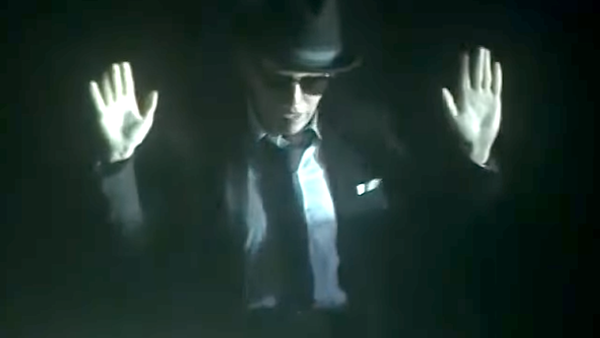
Perhaps the title helps – not, apparently, a Sergio Leone reference, but arising from a line of dialogue suggesting the whole story is some kind of folk tale – and perhaps it's because there's a generic, crime-story backstop to the plot. It's simple enough: a group of policemen, a doctor and a prosecutor are taking a confessed killer to locate a body buried in the desolate Anatolian plain. The first third of the film plays out like a documentary, largely in long shot and in the buttery glow of car headlights, as the lawmen, initially relaxed, become increasingly frustrated at their prisoner's inability to find the corpse. Working-man chitchat is punctuated by some bizarre, almost surreal imagery: Ceylan reaches back to pre-Islamic iconography to present Kenan, the killer, backlit and haloed, with the air of a Byzantine saint.
Gradually, Once Upon a Time in Anatolia evolves away from its realist-procedural overture; by almost imperceptible degrees it becomes a drama of frustration, disillusion and thwarted desires. No one in the film is happy with their lot; perhaps the only figure with an intact conscience is the doctor who, by the closing stages, has clearly become the repository of the film's moral sense. The price? He walked out on his family. Everyone else – men and women both – are dragged down and turned over by the demands of marriage and relationships. No wonder Ceylan dwells on a key, central scene: when the prosecutor and his acolytes are served tea by an as-yet-unmarried young girl. It's almost unbearably sad.