Pride and Prejudice
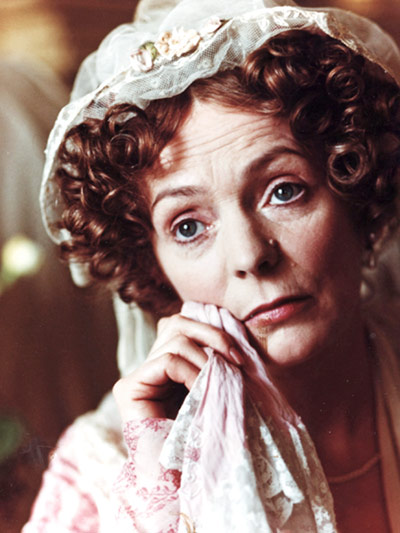
Garrulous and excitable, Jane Austen’s Mrs Bennet is a masterclass in comic characterisation. Driven by the desire to arrange a good marriage for each of her daughters, she has little sense of social tact and manages to scare most potential suitors away. Austen paints her as “a woman of mean understanding, little information and uncertain temper”, but for all her flaws it is hard not to have a soft spot for Mrs Bennet (played by Alison Steadman, above, in the 1995 BBC adaptation) and her conviction that all her daughters deserve the best Photograph: BBC
Anne of Green Gables
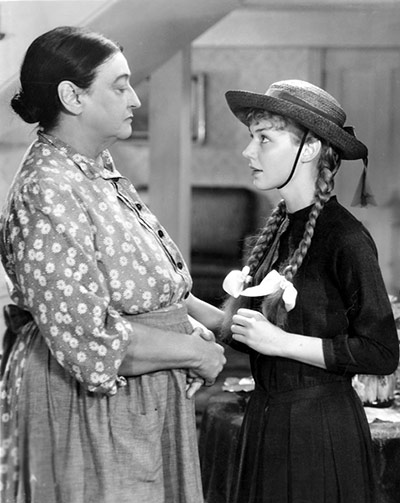
When siblings Matthew and Marilla Cuthbert adopt a boy from an orphanage to help out on Green Gables farm, they are not expecting the arrival in Avonlea of red-headed Anne Shirley. At first, Marilla (played by Helen Westley in the 1934 film, above) doesn’t take to Anne’s incessant chatter and fanciful notions, but she is soon charmed by the girl’s impetuous good nature. Marilla emerges from LM Montgomery’s wonderful books as a devoted adoptive mother, always ready to dispense homespun wisdom and recipes for the perfect plum puff Photograph: Ronald Grant Archive
The Archers
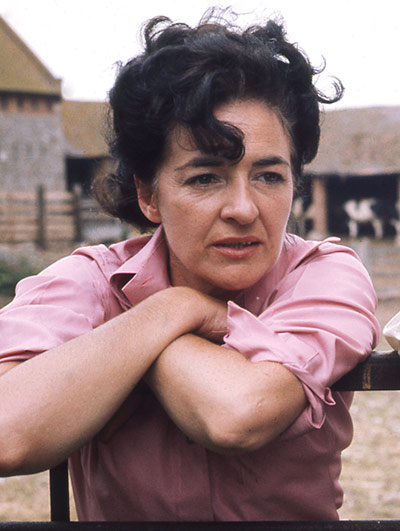
The matriarch of the eponymous family in Radio 4’s 60-year-old soap, Jill Archer (played by Patricia Greene, above) is the linchpin of Ambridge life. Scandals come and go - racist attacks, sibling love triangles – but Jill sails on, stalwart and steady as a brass-bottomed ship gliding through troubled waters. Over the past year alone, Jill has coped with the deaths of her husband and her son-in-law, displaying magnificent fortitude at every turn. When not dealing with bereavement, Jill is a regular church-goer, beekeeper and a vociferous opponent of hunting. Photograph: BBC
The Simpsons
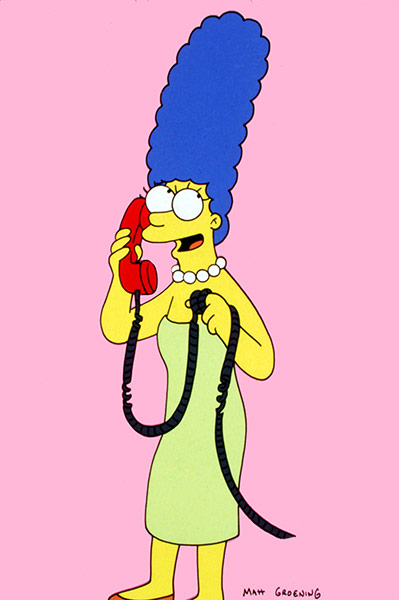
Marge met her future husband, Homer, while in detention at school for burning a bra. Since then her feminist credentials have slipped somewhat, and she now appears happiest at home, looking after her dullard husband, with whom she remains touchingly in love, and their three children, Maggie, Lisa and Bart. Aside from the intoxicating voice (Julie Kavner), hair is Marge’s defining feature: big, blue and so tall it almost blots out the sun. Her beehive is kept in place with lashings of hairspray and stores everything from cash to small animals Photograph: PR
Black Swan
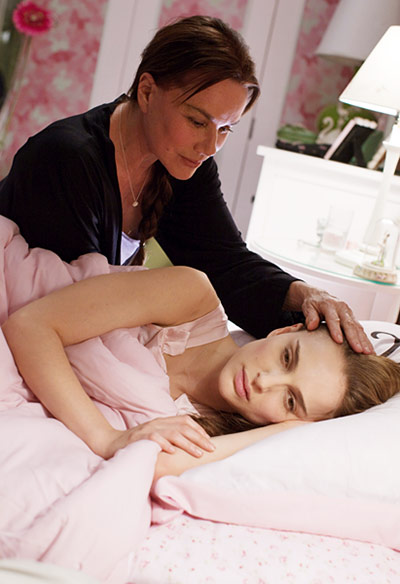
The mentally unstable stage-mum-from-hell in Darren Aronofsky’s Oscar-winning film, Erica Sayers (played by Barbara Hershey) is a suffocating presence, alternately cajoling and bullying her fragile ballerina daughter, Nina. A former dancer who gave up her career when she became pregnant, Erica is both protective and deeply envious of her child. The scene in which Nina is in bed getting up to no good beneath the sheets and turns to see her mother asleep in a chair beside her is one of the year’s most cringingly horrifying cinematic moments Photograph: Rex Features

Little Women
Louisa May Alcott’s saccharine vision of maternal perfection, Mrs March is endlessly patient, an ideal housekeeper and a highly principled woman. She protects her four children while still allowing them the freedom to make their own mistakes. Known by her daughters as “Marmee”, Mrs March (played by Susan Sarandon in the 1994 film) has a strong religious faith and yet is unconventional by the standards of the day. Unlike many 19th-century mothers, she does not push her girls to marry for money, instead ensuring they are educated and can make decisions for themselves Photograph: PR
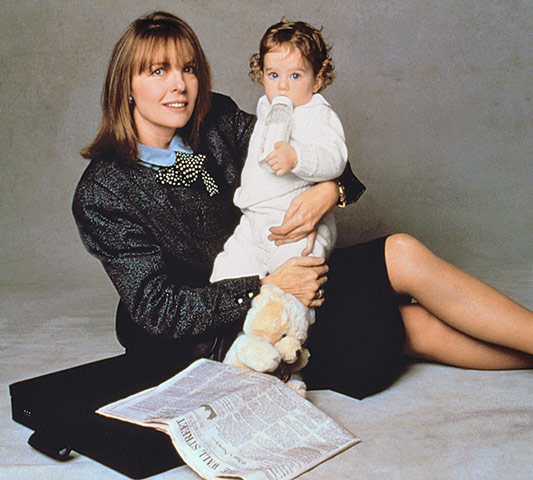
Baby Boom
In this feelgood 1987 film, Diane Keaton stars as feisty uber-yuppie JC Wiatt, whose hectic work life is thrown into chaos when she inherits a baby from a deceased cousin. She leaves her fast-paced city life behind to live in Vermont with the child. Here, she starts a successful business, selling jars of baby food, and falls in love with the local vet, all the while managing to juggle the demands of career and motherhood. Despite the conventional narrative arc, JC Wiatt was a prime example of Hollywood’s response to the 80s post-feminist belief that women really could have it all Photograph: Allstar
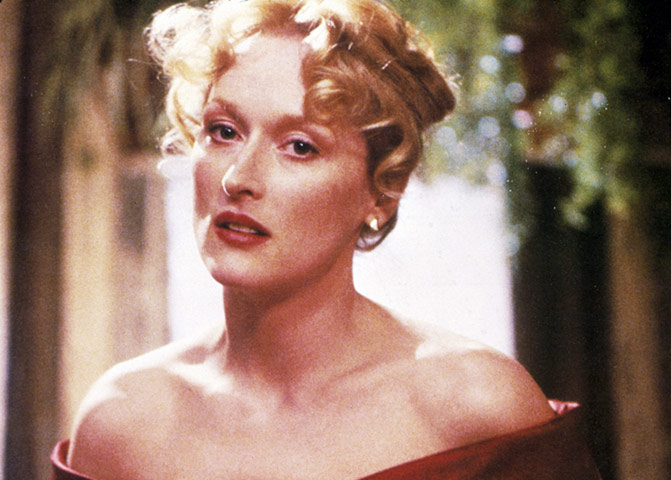
Sophie’s Choice
The unhappy life of Sophie Zawistowski is uncovered in flashback in William Styron’s bestselling 1979 novel. The story emerges piecemeal from Sophie, an alcoholic Polish immigrant who gradually tells the novel’s narrator about her horrific wartime experiences in Warsaw after her father and husband are murdered and she is incarcerated in Auschwitz. There she is forced by a doctor to choose which of her two children will be gassed. Sophie (played by Oscar-winning Meryl Streep in the 1982 movie) has never forgiven herself for leaving her seven-year-old daughter behind - a guilt that will destroy her Photograph: ITV / Rex Features/ITV / Rex Features
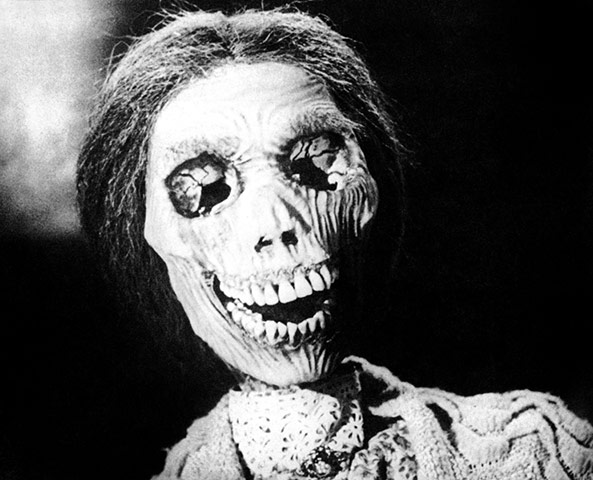
Psycho
Norma Bates first made an appearance in the 1959 novel Psycho by Robert Bloch and was later immortalised on screen by Alfred Hitchcock and Anthony Perkins. Motel owner Norman Bates cannot escape the clutches of his domineering mother and has frequent conversations with her – in spite of the fact she has been dead for 10 years. Later we learn that Bates murdered her in a fit of jealousy after she got a new boyfriend. Consumed by guilt, he preserved his mother’s body, still dressed in her clothes, and came to believe that she was jealous of any woman he was attracted to Photograph: Rex Features
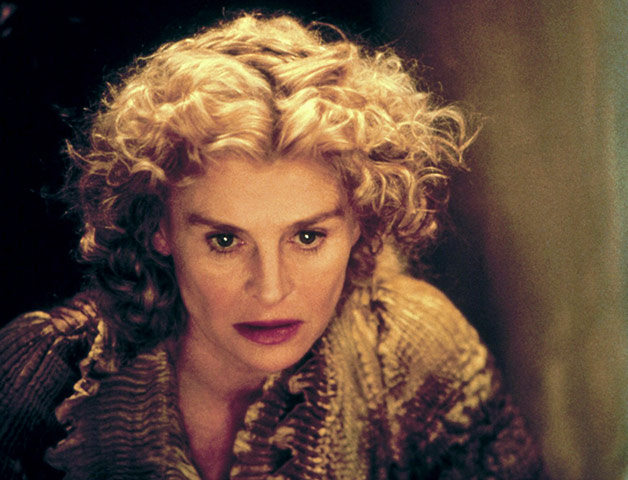
Hamlet
After his father’s death Hamlet has conflicting feelings (“Frailty, thy name is woman!”) about his mother when she swiftly marries his uncle. Gertrude (played by Julie Christie in Kenneth Branagh’s 1996 film) emerges as a flawed but loving mother. It was the psychoanalyst Ernest Jones who first suggested there was an oedipal element to Hamlet’s relationship with his mother, but the audience never finds out for sure – Shakespeare kills off almost everyone in the final act Photograph: Allstar