(DW Griffith, 1919)
Shot on atmospheric Dickensian sets in Hollywood, this heartbreaking story of child abuse and chaste interracial love in the slums of late-19th-century east London is one of Griffith’s finest, most poetic melodramas. Lillian Gish (above) gives one of her greatest performances as a 15-year-old Limehouse waif, abused by her sadistic pugilist father (Donald Crisp) and befriended by an idealistic Chinese shopkeeper (Richard Barthelmess). Based on a story called The Chink and the Child by Thomas Burke, dubbed “the laureate of London’s Chinatown” Photograph: Public Domain
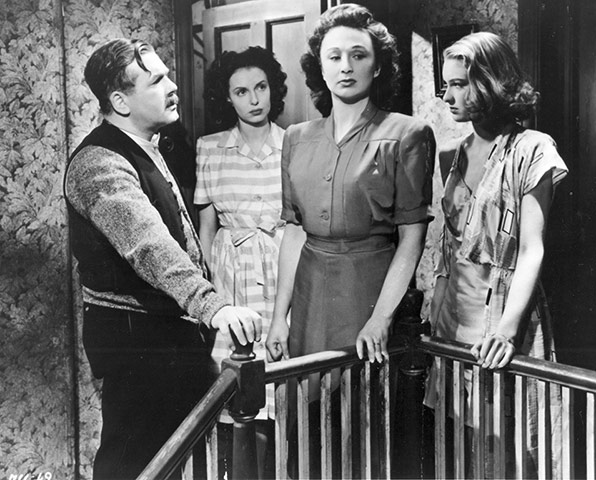
(Robert Hamer, 1947)
During the second world war, Ealing Studios brought documentary realism to the feature film. This style continued after the war, and in this (for its time) gritty drama of East End street life a variety of stories are interwoven over a single Sunday. The central story involves a working-class woman (Googie Withers, above centre, in her third Hamer film), now married with stepchildren, giving sanctuary to her former lover, a violent fugitive convict (John McCallum). The film was co-scripted by Angus MacPhail, longtime associate of Leytonstone lad Alfred Hitchcock Photograph: The Ronald Grant Archive
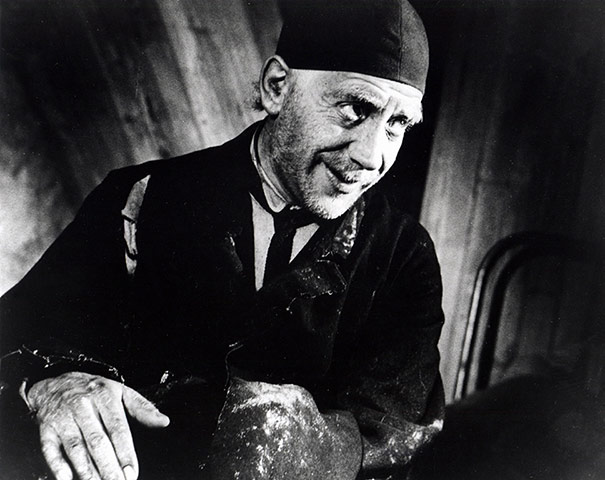
(Jack Clayton, 1956)
Clayton made his belated directorial debut with this 33-minute Oscar-winning gem, a transposition to an East End Jewish milieu of Gogol’s fable about a proud man determined, even as a ghost, to own a handmade coat. The film was adapted from his own play by Wolf Mankowitz, who knew this world well. Two celebrated actors from Jewish working-class backgrounds, Alfie Bass (above) and David Kossoff, play the ghost and the tailor; and they also appeared in another whimsical East End movie written by Mankowitz, Carol Reed’s A Kid for Two Farthings Photograph: Rex Features
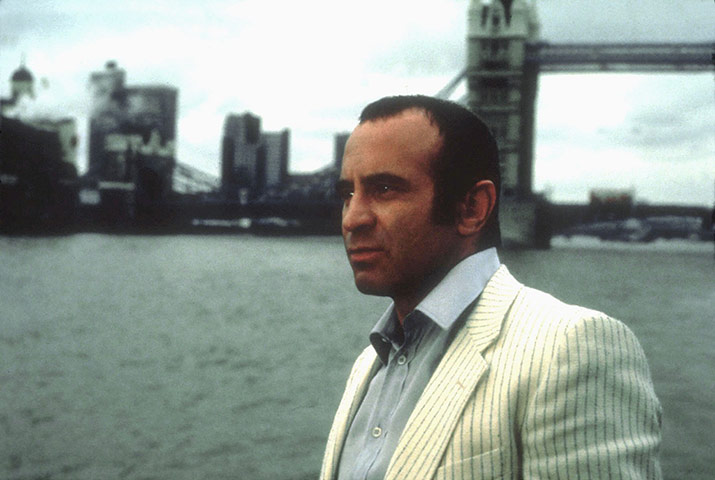
(John Mackenzie, 1979)
Scripted by Barrie Keeffe (born in East Ham), this prophetic thriller features Bob Hoskins (above) in the highly unsympathetic role that made him a star – an ambitious East End gang boss in the Cagney/Robinson mould. With important contacts in politics, business and the police, he’s putting together a semi-legitimate international consortium to redevelop London’s dockland for the 1988 Olympics. Unfortunately his wires get crossed with the IRA. The dialogue is abrasive, the violence continuous, the locations well chosen Photograph: Sportsphoto/Allstar
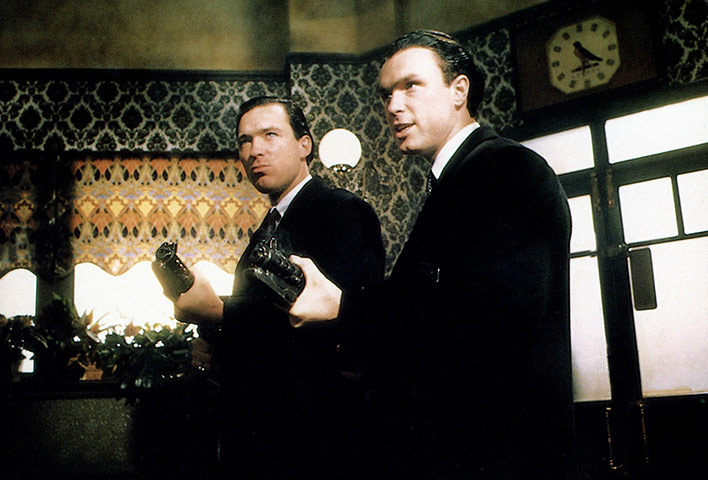
(Peter Medak, 1990)
The best film on East End gangsterism is Performance (1970), but that’s fiction and set largely in Notting Hill. The most notorious local gang was run by Ronnie and Reggie Kray (played here by Gary and Martin Kemp, above) who became celebrities and were sent down for life in 1969. Billie Whitelaw excels as their adoring mum. Tom Bell plays their most famous victim, Jack “the Hat” McVitie. Most of the supporting cast are ex-members of Joan Littlewood’s Theatre Royal Stratford East company and appeared in her only film, Sparrows Can’t Sing (1962) Photograph: Sportsphoto/Allstar
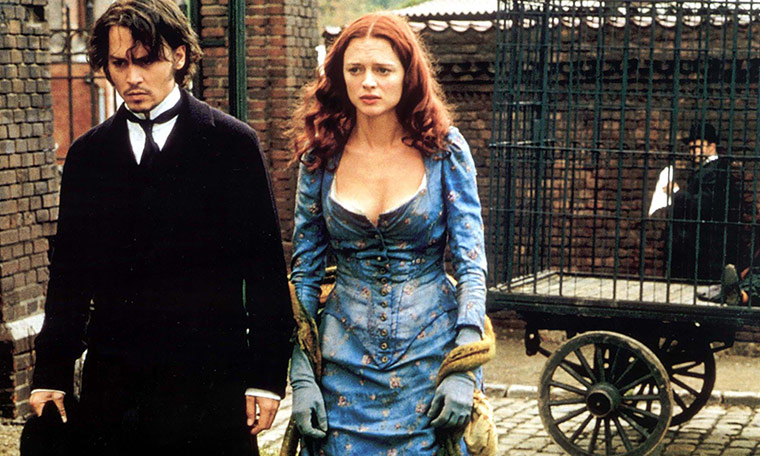
(Albert and Allen Hughes, 2001)
The Hughes brothers, whose previous films had been set in the black ghettoes of America, drew on Alan Moore and Eddie Campbell’s graphic novel to make the most ambitious of Jack the Ripper movies. Set in Whitechapel in 1888, it stars Johnny Depp (above, with Heather Graham) as a Scotland Yard inspector investigating five grisly murders of prostitutes in the teeming East End slumland that awakened Victorian society to the appalling gap between rich and poor. British production designer Martin Childs spectacularly recreates Victorian Whitechapel with a set that covered several acres in a Prague studio Photograph: Ronald Grant Archive
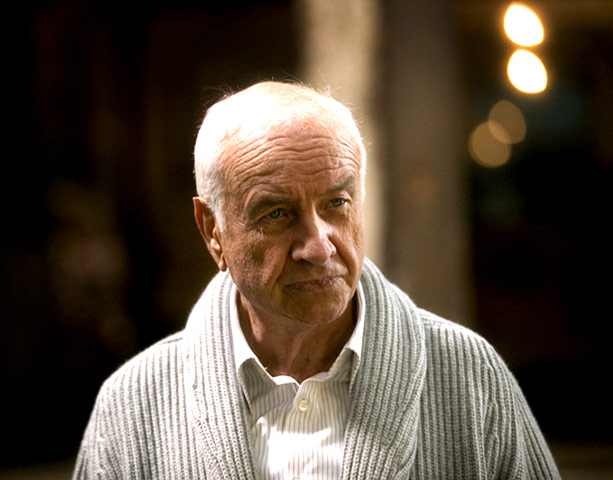
(David Cronenberg, 2007)
Cronenberg visited the East End in 2002 to make Spider. There was talk of him adapting Martin Amis’s London Fields, but instead he made this thriller about the latest wave of immigrants: the ruthless Russian mafia operating in Finsbury, Clerkenwell and points east. A suave Russian gang boss (Armin Mueller-Stahl) directs the mob from the Trans-Siberia restaurant. The adroitly chosen locations are photographed by Peter Suschitzky, son of the great Austrian exile Wolfgang Suschitzky, who shot The Bespoke Overcoat and took memorable photographs of 1930s London Photograph: Rex Features
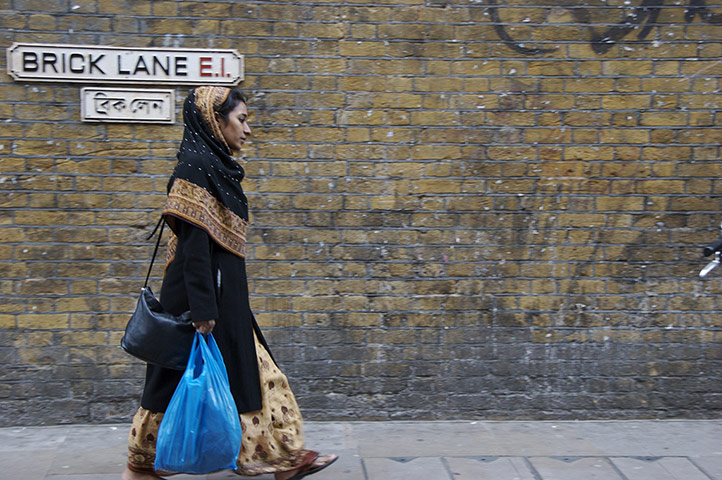
(Sarah Gavron, 2007)
The colourful, racially mixed Brick Lane is echt East End, and there are mosques there that were once synagogues and before that chapels. This film version of Monica Ali’s prize-winning novel concerns a 17-year-old girl (Tannishtha Chatterjee, above) sent to London from her Bangladeshi village to marry a middle-aged man. This simple, honest movie follows her fortunes over the next 20 years, during which she comes to accept her exile, has an affair with a young lover, and copes with Islamic cultural isolationism in the post-9/11 world. The Brick Lane Bangladeshi community prevented it from being shot there Photograph: Public Domain
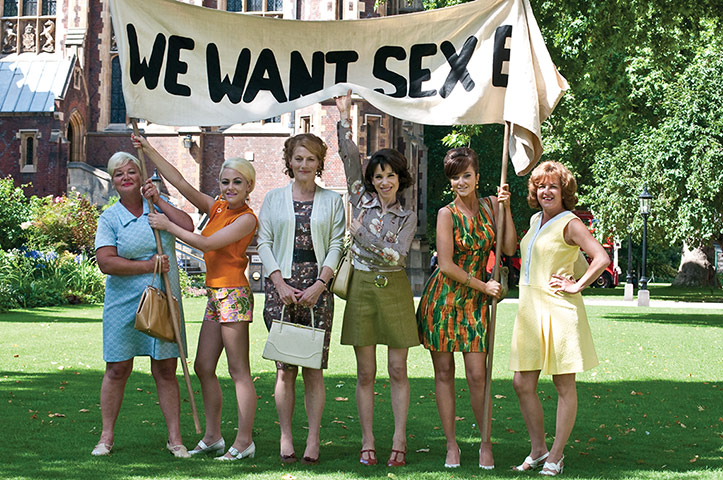
(Nigel Cole, 2010)
Jean-Luc Godard visited Ford’s Dagenham plant for his rarely shown Marxist documentary British Sounds (1969). It’s a movie far removed from this populist celebration of the successful 1968 strike for equal pay by the exploited, inadequately represented women who stitched seat covers for Ford cars. Sally Hawkins (above, third right) leads the strikers and gets to say “Everybody out!”, and a twinkling Bob Hoskins plays a sympathetic union official. It has two rare aspects: a mainstream movie about organised labour; a film set in East London not about gangsters Photograph: Public Domain
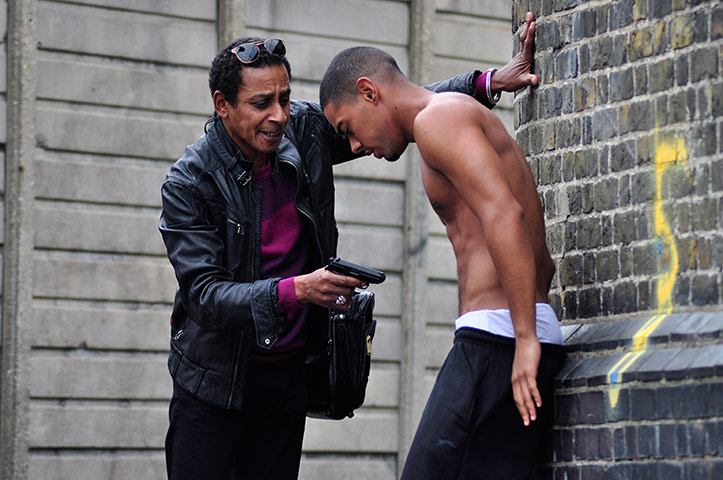
(Ben Drew, 2012)
Rapper Ben Drew (aka Plan B) was raised in Newham, one of the east London boroughs to host this summer’s Olympics. It’s the setting of his ambitious directorial debut that uses his own rap numbers to comment on a number of desperate young people of varied racial origins involved in criminal pursuits. A somewhat overcrowded film interweaves half a dozen narrative threads over a couple of hectic days. As in several other recent movies, the Olympic Stadium and Olympic Park can be seen rising in the background, ambiguous harbingers of hope and social regeneration for an impoverished area Photograph: PR