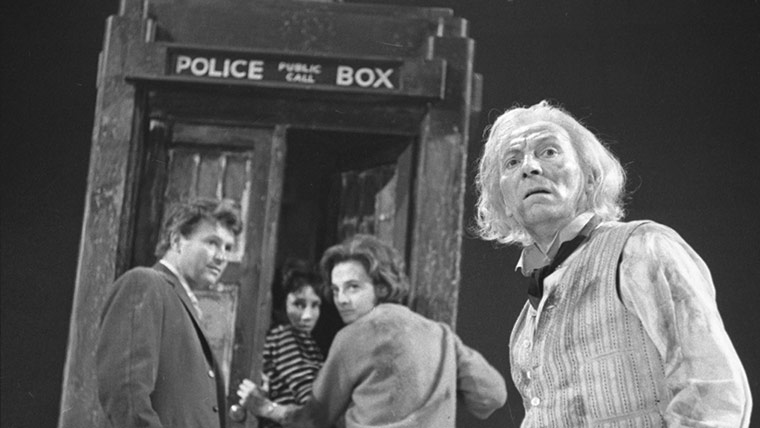
1963
With 50 years’ hindsight it’s startling just how bleak and eerie this inaugural story is. When concerned Shoreditch teachers Ian and Barbara discover that troubled pupil Susan lives in a scrapyard with her mysterious grandfather, they are kidnapped in old “Dr Foreman”s police box time machine. Lost in the stone age, they find that this Doctor (William Hartnell) is far from a hero: he even contemplates killing a cave-dweller who is slowing the fugitives down. Beneath the period acting and iffy sets it’s an astonishing piece of television Photograph: BBC
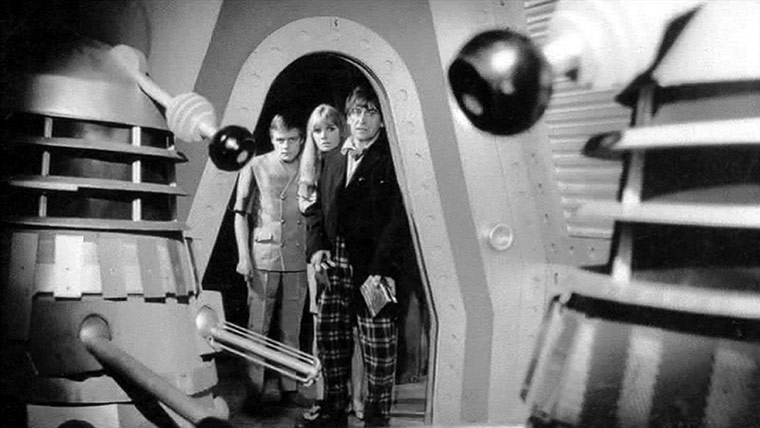
1966
Junked by the BBC and now extant only as an audio recording, Patrick Troughton’s debut is still the best Dalek story. On the swamp planet Vulcan, hubristic scientist Lesterson attempts to enslave crash‑landed Daleks and fails horrifically, a theme that would return. Troughton had a harder task than any new Doctor but he pulls it off in style, remaking the role as a bumbling boho with a mind like a steel trap – tropes you can see in Tom Baker, Sylvester McCoy and Matt Smith Photograph: BBC
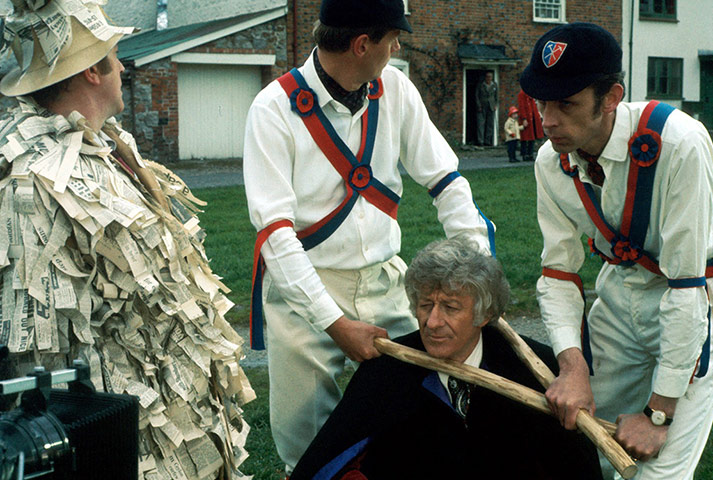
1971
The Doctor often met Satan himself, or his mythic inspiration. This time raffish Jon Pertwee investigates occult goings-on in the village of Devil’s End (giveaway!) with its oddly familiar bearded vicar Rev Magister (giveaway!). The Master plans to summon the last of the omnipotent alien Dæmons to do his will, resulting in sacrifice, possession and paganism on teatime BBC. A brilliantly entertaining prefiguring of The Exorcist and The Wicker Man, this is Who’s contribution to the early-70s folk-horror genre – it could never be made today
This entry was edited on 20 November to remove a reference to Dennis Wheatley in the line "prefiguring of The Exorcist and The Wicker Man", as Wheatley's work predated Doctor Who Photograph: BBC
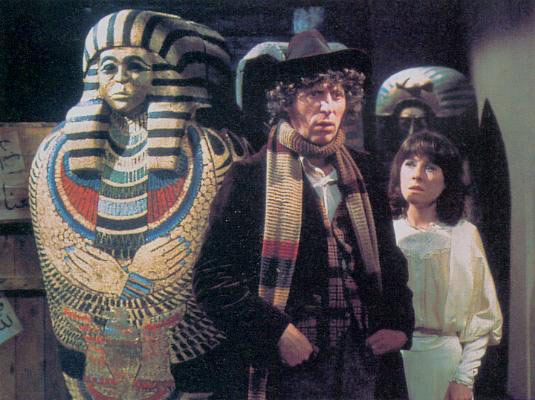
1975
Hey, it’s Satan again – this time in the form of aeons-ancient Egyptian death-god Sutekh, one of Doctor Who’s all-time great villains, who’s about to escape his millennia-old prison and kill everything. With Tom Baker alternately playful and deeply alien, lumbering mummies for the monster factor and a severe gothic-horror tone, the classic show was at its absolute peak here. H Rider Haggard meets HP Lovecraft, delivering some of Who’s most memorable scenes – when Sutekh’s emissary kills a servant with his burning touch, we’re deep in Hammer Horror territory Photograph: BBC
1976
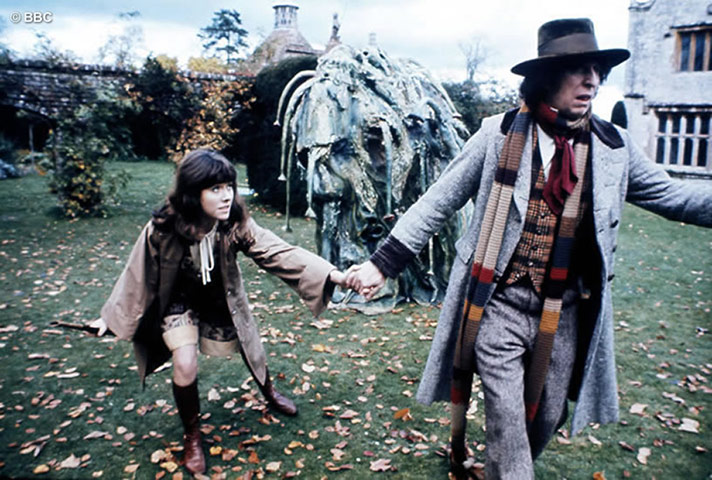
Who has always borrowed widely. Here it homages The Thing from Another World, as a frozen parasitic plant begins to take over scientists at a remote Antarctic base. The men’s transformation into murderous cabbages is disturbing enough, but their desperation as they lose their humanity is strong stuff for a kids’ show. Even the Doctor is coldly calculating. “You must help yourselves,” Tom Baker tells the panicking victims. With an excellent villain in the plant-mad millionaire Harrison Chase, this body-horror extravaganza is one of Who’s greatest thrillers Photograph: BBC
1984
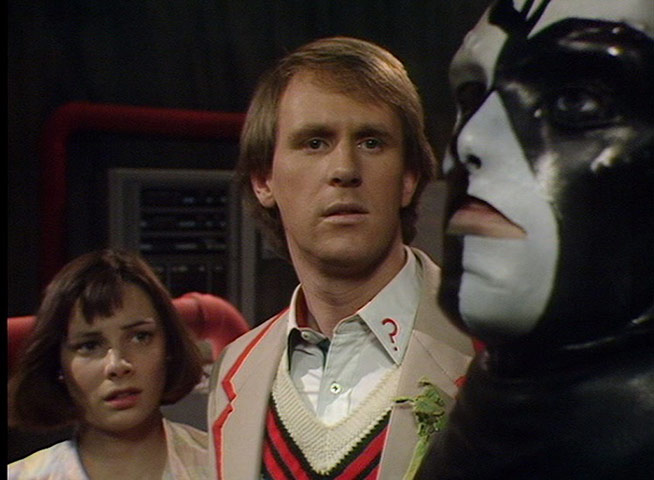
A subterranean Phantom of the Opera relocated to mineworks on the planet Androzani Minor, this is an epic finale for Peter Davison’s Doctor, who sacrifices his fifth life in the most selfless way. Drug-trafficking, scar-faced, masked villain Sharaz Jek is unusually complex – having been betrayed by his business partner, he’s a baddie with a point – and the producers almost cast David Bowie in the role, although Christopher Gable is hard to improve upon. Violent and gripping, this is the last great script from Doctor Who’s finest writer, Robert Holmes, and the debut of its best director, Graeme Harper Photograph: BBC
1989
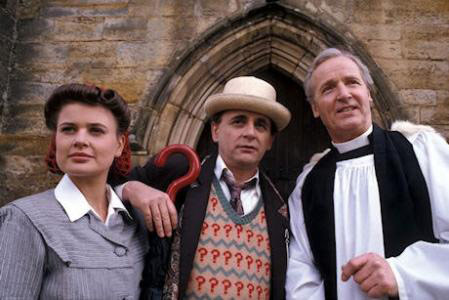
Doctor Who declined into something of a self-parody under sixth Doctor Colin Baker, and many viewers had given up before Sylvester McCoy took over. They missed this fantastically grim tale in which aquatic vampires, submerged Viking gods and wartime codebreaking merge into a bleak parable on the futility of war and the damage it wreaks on the human soul. Who’d have thought that one of the show’s best-ever guest stars would be Nicholas Parsons as a vicar who’s lost his faith? If Ingmar Bergman had directed a Who, this would be it Photograph: BBC
2005
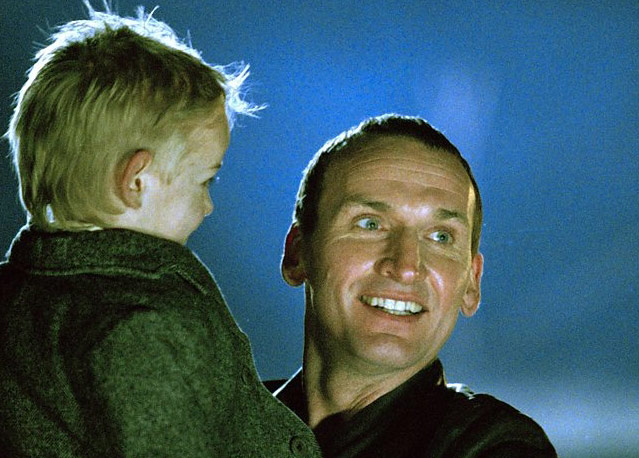
“Are you my mummy?” When the Chris Eccleston Doctor and Rose Tyler are chased through blitz-era London by a mysterious child in a gas mask, it’s a candidate for the most flat-out terrifying Who of all time. (The Weeping Angels’ debut, Blink, also by future show-runner Steven Moffat, matches it but is a sliver too Doctor-light to make this list.) Unconsciously echoing the oppressive imagery of Pink Floyd’s The Wall movie, and sporting both a prime guest in Richard Wilson as the melancholy medic Dr Constantine and a totally unexpected happy ending, this is new Who at the top of its game Photograph: BBC
2007
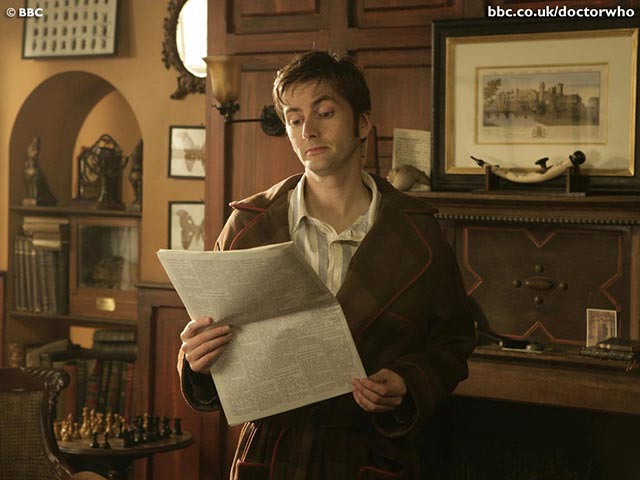
Geekier viewers (mostly male) derided the new feelings-focused Who as “soapy” but it is a dead heart that does not respond to the affecting story of the Doctor briefly becoming human – and, oops, falling in love with Daisy from Spaced in Edwardian England. The wrenching scenes in which “Dr John Smith” realises that he is not real, and never was, resemble a populist Samuel Beckett and constitute David Tennant’s best performance. Oh, and the recreationally sadistic Family are next-level evil. Super, super fun! Photograph: BBC
2011
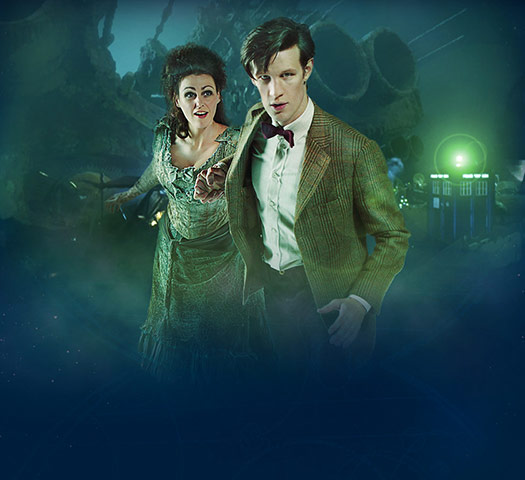
We’ve known that the Tardis is a little bit alive for as long as the Doctor has been calling her “old girl”. In Neil Gaiman’s wizardly story her soul is transferred to the body of an unfortunate woman called Idris (Corrie's Suranne Jones) at the behest of an unseen creature called House who devours Time Lords. The House plot is powerful enough – voiced by Michael Sheen, he/it is a marvel of insidious threat – but the bravura squabbling and tender moments between Matt Smith and his oldest, most faithful companion make this tale a classic. It changes the way we think of the whole series. Doctor or Tardis, who stole whom…? Photograph: BBC