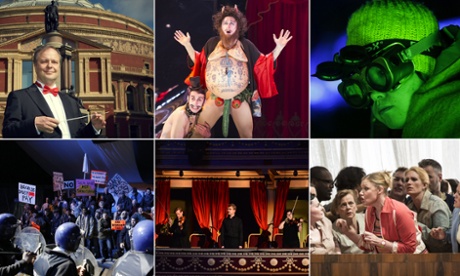
1. Delusion of the Fury | King’s Theatre, Edinburgh
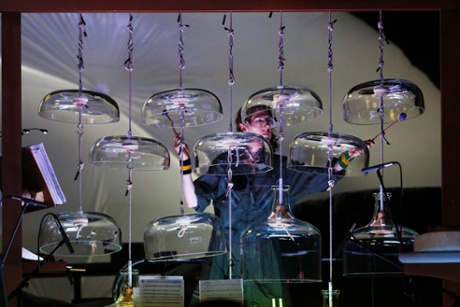
Harry Partch’s music does not travel easily – it requires some or all of the specially made instruments the maverick US composer designed and built to play the 43-note scale he devised; collections of those creations remain few and far between. But German ensemble musikFabrik commissioned and mastered - with the same unfettered virtuosity they bring to all the conventional repertory they perform - a new set of instruments of their own.
The group will surely tackle more of Partch’s scores in coming years, but they began with a hugely ambitious collaboration with composer-director Heiner Goebbels – the first European staging of Delusion of the Fury, Partch’s strange theatre piece that is part opera, part ritual, and which fuses a story from the Japanese Noh tradition and a west African folk tale. First seen at the Ruhr Triennale last year, it came to the Edinburgh festival as the latest in a series of Goebbels’ shows to be seen there over the last two decades.
The result, with musikFabrik acting as chorus as well as playing the array of instruments which also functioned as much of the stage set, was a teasing synthesis of Partch’s weird and elusive drama with Goebbels’ own utterly distinctive theatricality, so seamless that it was sometimes hard to say where Partch’s work ended and Goebbels’ interpretation of it began. The text, part declaimed, part chanted, was like an incantation; the music, often rhythmically propulsive but sometimes bursting out in torrential, microtonal toccatas which musikFabrik delivered with astounding precision, seemed only loosely linked to anything in the 20th-century western tradition.
Relatively little of the text was audible, and only the bare outline of the two narratives, oriental and African, was graspable, but that hardly mattered. It was the sheer exotic beauty of it all that was so beguiling - music that seemed totally unclassifiable but which was performed with coruscating brilliance, combined with a ravishing, mysteriously magical staging.
2. Khovanskygate: A National Enquiry | Birmingham Opera Company
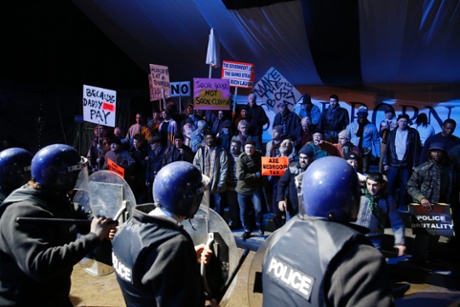
Birmingham Opera Company made Mussorgsky’s Khovanschina a searingly relevant work about the state, the individual, contemporary politics and media corruption. Staged in a big top in a park, Graham Vick’s cast of professional singers, the City of Birmingham Symphony Orchestra, and amateur choirs from across the city’s communities delivered the piece right into the teeth, eyes, and psyches of a perambulatory audience – an experience that no one who was there will ever forget.
3. Piotr Anderszewski | Turner Sims Concert Hall, Southampton
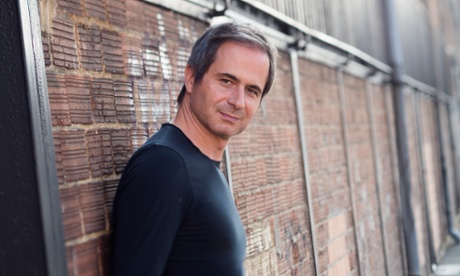
The Polish pianist builds every programme meticulously, only introducing new works after great deliberation. This recital of Bach, Schumann and Beethoven (repeated with variations later in the year in Aldeburgh and Edinburgh), showed how such care pays off, in performances in which spontaneity and rigour, introspection and exuberance, were always perfectly balanced.
4. Moses und Aron | Millennium Centre, Cardiff
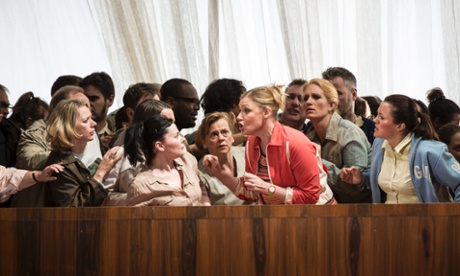
Nearly 50 years after it was last seen in the UK, Welsh National Opera brought Schoenberg’s unfinished biblical masterpiece to the British stage. The rehashed 2003 production by Jossi Wieler and Serge Morabito may have had its dramatic problems, but conducted by Lothar Koenigs, with John Tomlinson and Mark LeBrocq in the title roles, it was an unqualified musical triumph for the company.
5. Rodelinda | Coliseum, London
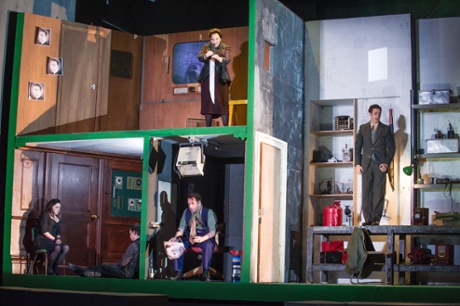
The Handel show of 2014: director Richard Jones and conductor Christian Curnyn turned Handel’s story of love, jealousy, revenge and power into a startling contemporary commentary with an outstanding cast, from Iestyn Davies’s plangent, tortured Bertarido to Rebecca Evans’s dignity, nobility and virtuosity in the title role, plus stellar performances from John Mark Ainsley, Sue Bickley and the cast’s other countertenor, Christopher Ainslie.
6. Total Immersion: Villa-Lobos | Barbican, London
The relationship between the BBC Symphony and its chief conductor Sakari Oramo goes from strength to strength. He ended the year with coruscating Nielsen, but in March Oramo conducted the final concert of a day devoted to the wonderfully discursive genius of Heitor Villa-Lobos, utterly in his element in music of wild profusion and vivid collisions of style.
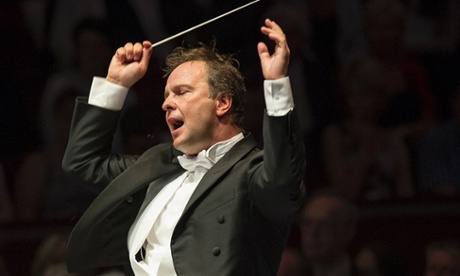
7. Benvenuto Cellini | Coliseum, London
It takes one to know one: English National Opera staged a meeting between two of the wildest creative eccentrics when director Terry Gilliam took on Berlioz’s Benvenuto Cellini. Highlights? Willard White’s papal coup de theatre, or the gigantic puppet circus that took over the auditorium, or the final scene, in which only a fragment of Cellini’s gilded sculpture was visible – even if it still took up the entire stage. “The hardest thing I’ve ever done”, ENO’s music director Edward Gardner said. Maybe: but the musical and theatrical risks were worth it.
Read Terry Gilliam’s opera diary
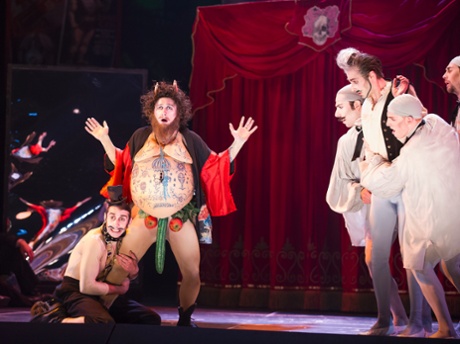
8. Pelléas et Mélisande | Royal Festival Hall, London
Formidably conducted by Esa-Pekka Salonen and ravishingly played by the Philharmonia, this City of Light festival opener featured one of the greatest casts ever assembled for Débussy’s opera: Stéphane Degout and Sandrine Piau were the doomed lovers, with Laurent Naouri as Golaud and -Jérôme Varnier as Arkel.
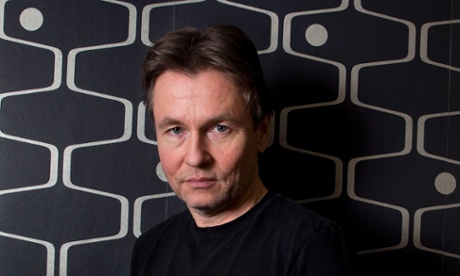
9. The Strauss’s Voice retrospective | Manchester
This year’s Strauss anniversary has been on the conservative side, with the emphasis on the revival of established masterpieces rather than the exploration of unfamiliar works. Manchester’s big Strauss retrospective, with its performing honours shared between the BBC Philharmonic, the Hallé and the Manchester Camerata, bravely and unusually examined his orchestral songs in the context of his wider output and the works of his contemporaries. The Hallé and the BBC Phil joined forces for Eine Alpensinfonie, conducted by Juanjo Mena, who turned out to be an impeccable Strauss interpreter.
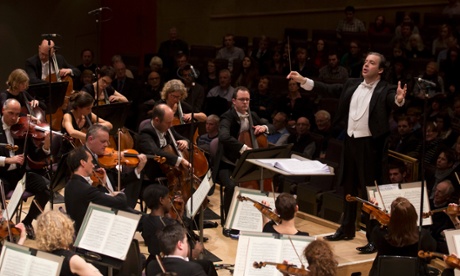
10. Meld | Royal Albert Hall, London
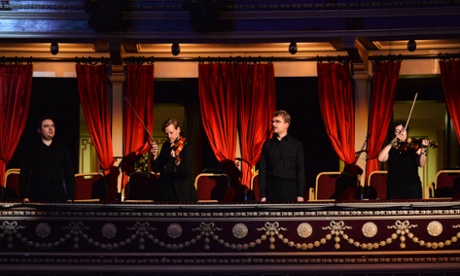
Benedict Mason’s premiere was the one bright spot in a lacklustre year for new music at the Proms. Performed by Nicholas Collon and the Aurora Orchestra, it brought surreal late-night strangeness to the Albert Hall, as much an exploration of the building itself, and its potential for spatial effects as it was about carefully choreographed musical encounters.