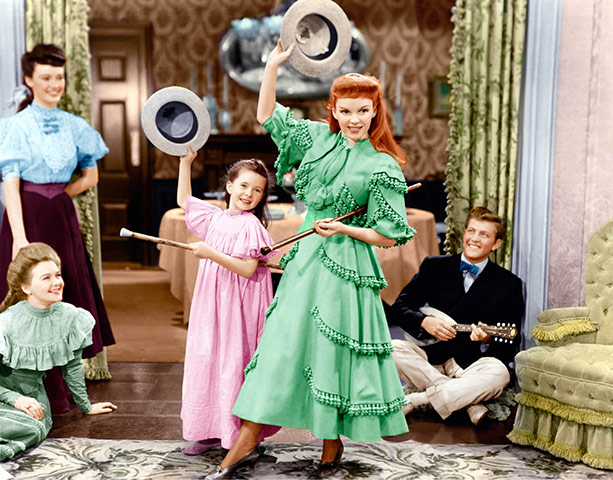
Vincente Minnelli, 1944
Like Holiday Inn and Fanny and Alexander, Minnelli’s wonderful musical covers all the seasons. It’s winter 1903, the family are getting ready to leave their beloved St Louis for New York. Things get unbearably sad when Judy Garland sings “Have Yourself a Merry Little Christmas” and an angry little Margaret O’Brien decapitates the snowmen in the back yard. But paterfamilias Leon Ames calls the family together on Christmas Eve to announce that they’re staying put and thus concludes one of the most perfect half hours of cinema Photograph: Rex Features
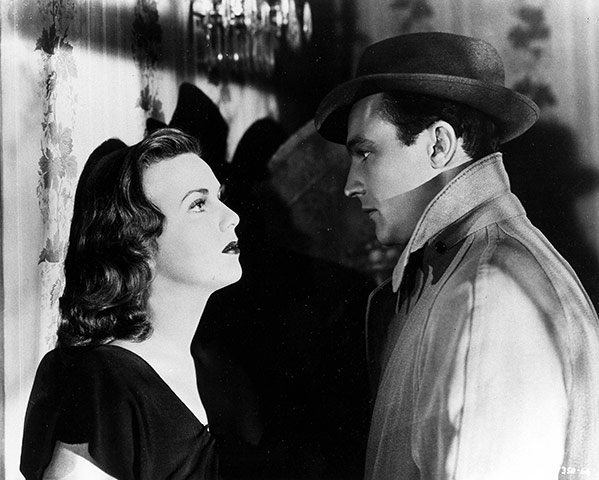
Robert Siodmak, 1944
Starring Deanna Durbin, then Hollywood’s most popular singing star, this masterly melodrama, possibly the most extraordinary of all Christmas movies, was adapted by Herman Mankiewicz from a Somerset Maugham novel and directed by Robert Siodmak. A newly commissioned army officer flying to San Francisco is diverted to New Orleans and spends Christmas with a beautiful demimondaine (Durbin). During midnight mass she breaks down and proceeds to recall her marriage to sleazy Gene Kelly, now serving life for murder Photograph: Ronald Grant Archive
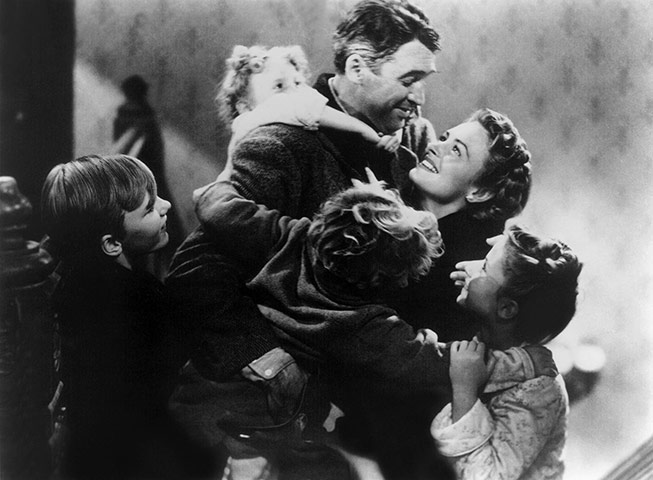
Frank Capra, 1946
Initially received with faint praise, this sentimental story of George Bailey, the decent small-town guy dedicated to family and community, was intended by Capra and his pre-war star James Stewart to celebrate their joint return from service in the second world war. On the point of suicidal despair on Christmas Eve, Bailey is escorted by probationary angel Clarence (Henry Travers) around his native Bedford Falls to discover how worthwhile his life has been. It’s Dickens’s Christmas Carol with Bob Cratchit as its hero, and is now the Christmas movie Photograph: Rex Features
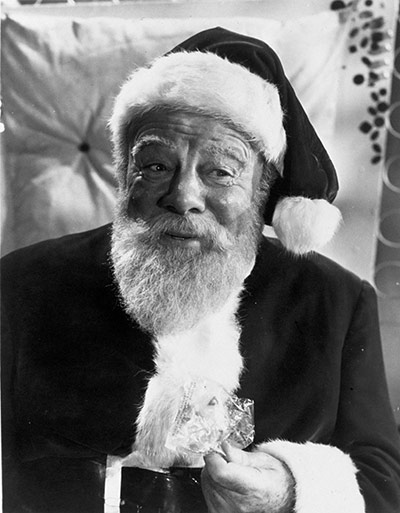
George Seaton, 1947
Every Christmas for more than 60 years, Hollywood has attempted to come up with a comic, lovable Santa Claus to exploit the yuletide dollar. None , including a couple of remakes, has equalled this one. The great British character actor Edmund Gwenn stars as twinkling Kris Kringle, who plays Father Christmas in Macy’s annual New York street parade. He brings belief to a mourning child (beguiling nine-year-old Natalie Wood) and is put on trial to establish whether Santa exists. Gwenn won an Oscar; the film has become a perennial Photograph: Rex Features
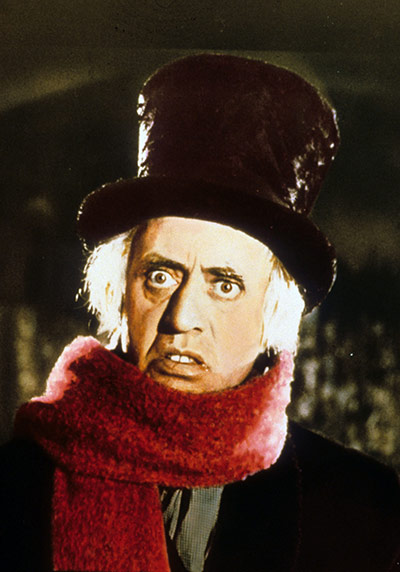
Brian Desmond Hurst, 1951
Dickens’s Christmas Carol, next to the four Gospels - greatest of all tales for this season, has been filmed endlessly over the past century, straight or in various guises, including a musical starring Albert Finney as Ebenezer Scrooge and a Muppet movie featuring Michael Caine. Arguably, the best is this British version scripted by Noel Langley, co-author of The Wizard of Oz, with an outstanding cast of character actors headed by the inimitable Alastair Sim, a witty performer with poached-egg eyes, a combination of menace and quizzical lovability Photograph: Ronald Grant Archive
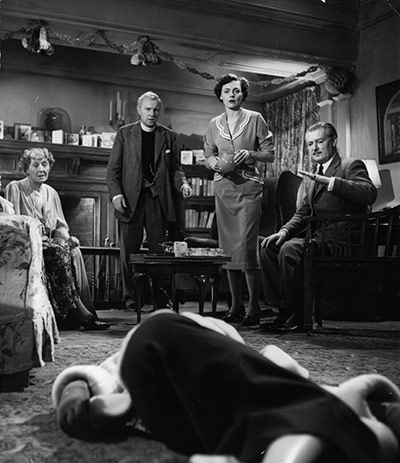
George More O’Ferrall, 1952
Adapted from a West End play by Wynyard Browne, this life-enhancing movie engages as few others do with the spiritual, theological and mythological meaning of Christmas. At the same time, it preserves in amber the austere yet hopeful atmosphere of postwar Britain. Ralph Richardson, at his most mysteriously charismatic, plays a widowed country parson confronting familial and moral truths at his snow-clad Norfolk vicarage over Christmas 1948 and achieving some sort of reconciliation with his three children (Celia Johnson, Denholm Elliott, Margaret Leighton) Photograph: Getty
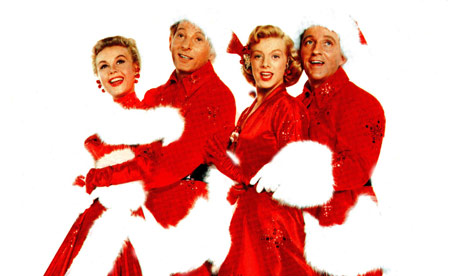
Michael Curtiz, 1954
This synoptic musical, with a string of Irving Berlin songs, reworks the wartime Holiday Inn, bringing together Bing Crosby and Danny Kaye as a vaudeville duo helping out their second world war commander at his troubled New England hotel. It’s an Eisenhower-era picture that begins with Crosby and Kaye entertaining their comrades during the Battle of the Bulge. The first film about that winter campaign in the Ardennes, Battleground (1949), began with a nostalgic performance of “White Christmas”, and featured Leon Ames, dad in Meet Me in St Louis, as the besieged GIs’ padre Photograph: Rex Feature
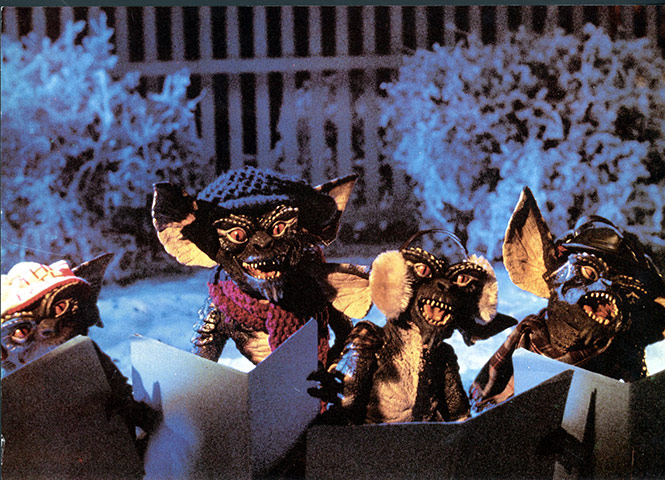
Joe Dante, 1984
Scripted by Chris Columbus (who went on to direct the yuletide hit Home Alone in 1990), this extremely funny, horrifically scary fairytale from the Spielberg stable is set in an idyllic Capraesque small town knowingly called Kingston Falls. The plot revolves around the Christmas present of a lovable pet, given by an eccentric inventor to his son, that leads to panic in the streets. Christmas Eve is turned into Walpurgisnacht by a horde of malevolent clones before order is happily restored. A seasonal package for film fans, it probably contains more movie references than any film before or since Photograph: Ronald Grant Archive
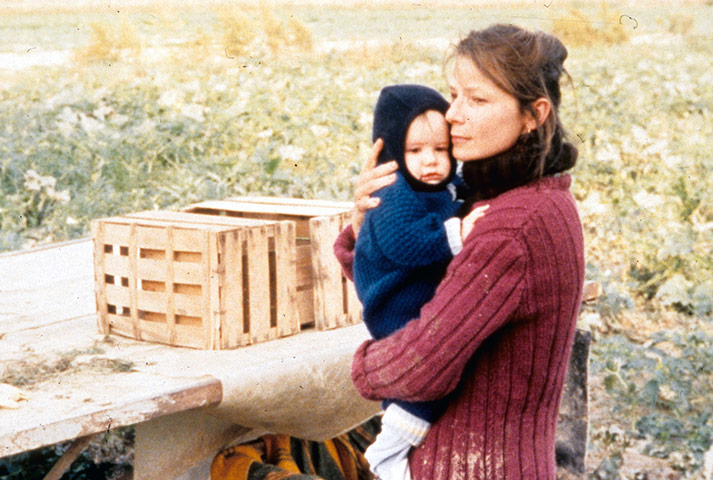
Sandrine Veysset, 1996
This grim movie brought its debutante director a César for French newcomer of the year. It focuses on the exploited mistress of a well-off married farmer raising her seven children on a smallholding in France. An unsentimental tale of love and hope against all the odds leads up over some six or seven months to a warm but frugal Christmas Eve dinner that’s Dickensian in tone until we realise the mother contemplates killing herself and her children. It invites us to examine the Christmas story from the position of those who never escaped from the manger Photograph: Ronald Grant Archive
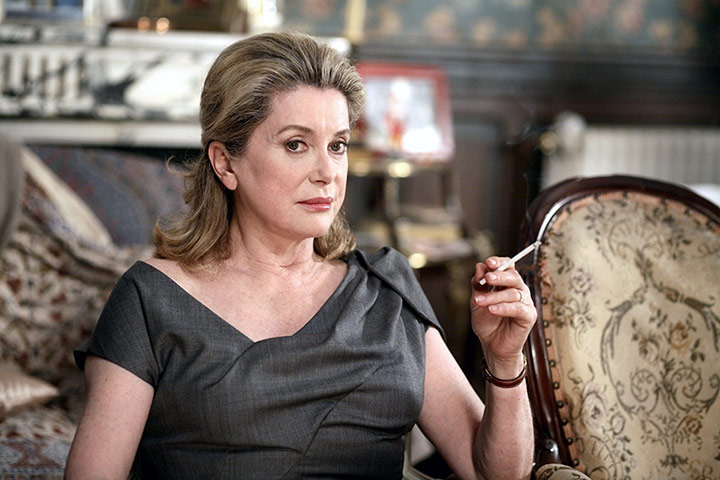
Arnaud Desplechin, 2008
The century’s only Christmas film of significance to date is this one from a perceptive observer of French haute-bourgeois life and intellectual self-deception. It’s a rambling domestic epic about three generations of a dysfunctional family drawn together to celebrate Christmas and decide whose bone-marrow is compatible with that of cancer-stricken matriarch Catherine Deneuve. It’s a superbly acted up-market equivalent of one of those downbeat yuletide editions of EastEnders, except here the characters refer to Nietzsche, Emerson and Bergman Photograph: The Ronald Grant Archive