

Irving Rapper, 1942
White-haired society matron Mrs Vale (Gladys Cooper) bullies her spinster daughter Charlotte (beetle-browed Bette Davis) into a nervous breakdown – until the intervention of Claude Rains’s wonderful, poetry-spouting doctor. Rehab and a cruise bring about Charlotte’s romantic awakening and a Dior wardrobe. We’re never sure what makes Mother so vindictive (Charlotte is a late child, born in her 40s) but there’s sexual jealousy and paranoia in the mix. Just watch Cooper’s rigid body language whenever she is in a room with her daughter Photograph: PR
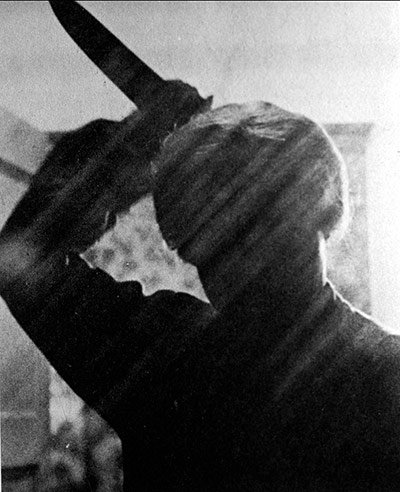
Alfred Hitchcock, 1960
With its landscape of voyeurism, obsession and guilt, Psycho changed cinema for ever. Fear of female sexuality drives the film. We never see the real Mother as son Norman (Anthony Perkins) recreates the domineering figure of his childhood. “A boy’s best friend is his mother,” he tells Janet Leigh ominously. What could be a simple drag act in the basement turns into something far more interesting, as Perkins enacts the co-dependence of the mother-son relationship, finally splitting as “Mrs Bates” to excuse his act of matricide Photograph: Ronald Grant Archive
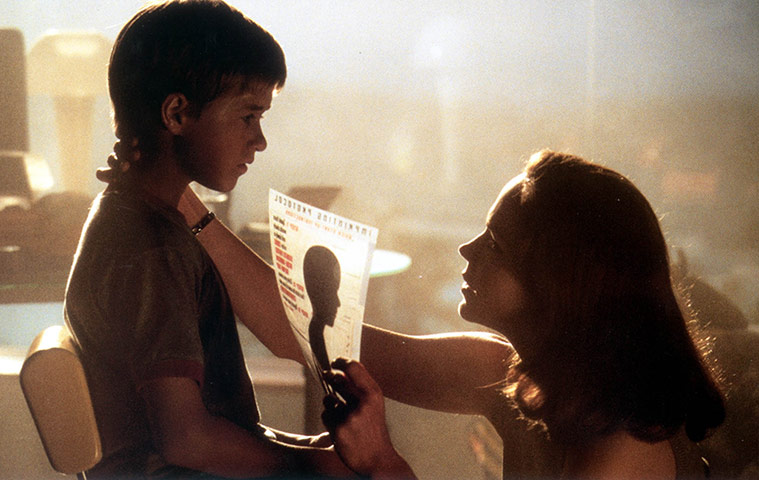
Steven Spielberg, 2001Sci-fi meets oedipal drama. Monica (Frances O’Connor) is the emotionally absent mother who betrays her “replacement” son – leaving him doomed to crave her love for ever. When the Swintons’ firstborn son ends up in a coma, they are offered a child robot (or Mecha). David (Haley Joel Osment) assiduously “courts” his adoptive mother to win her love. But when her biological son is cured, David is abandoned in the forest by Monica, to wander for eternity. Two thousand years later, he gets his fantasy to be her “real boy” – but only for one day Photograph: Ronald Grant Archive
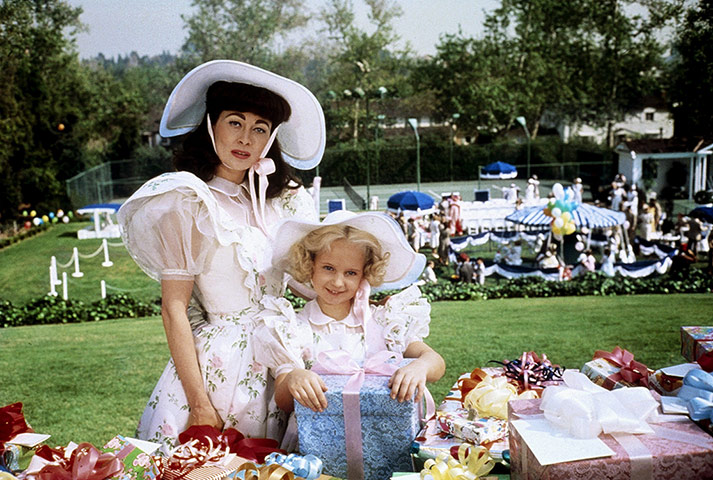
Frank Perry, 1981
“I’m going to make a perfect life for you. Give you all the things I never had,” croons Joan Crawford to her adopted daughter, Christina. Before long she’s beating her with coat hangers. Based on Christina Crawford’s memoir, the film has become a cult classic. But beneath the cruelty, there’s real pathos. Crawford, who had an awful childhood, longs to make her daughter independent, as she battles her own fading looks and fame. It’s a camp masterstroke to have Crawford played by Faye Dunaway (another diva). Photograph: Sportsphoto Ltd/Allstar
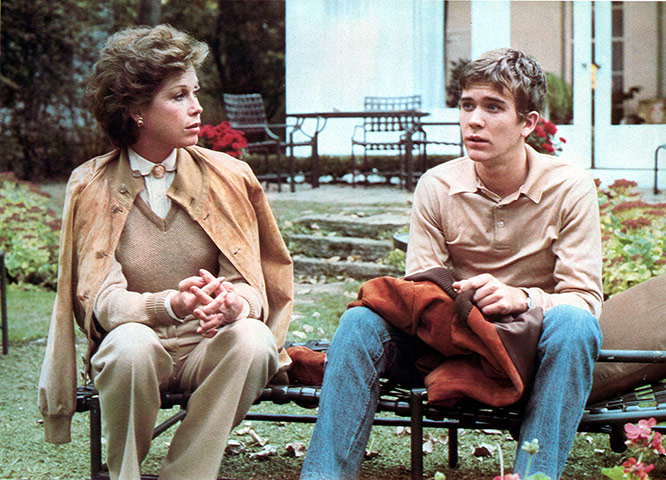
Robert Redford, 1980
Mary Tyler Moore is riveting as the mother unable to bond with younger son, Con (Timothy Hutton), after the death of his older brother in an accident. At first, her reserve is an understandable by-product of grief. But when Con starts seeing a therapist (Judd Hirsch), darker truths emerge about the family dynamic; and Con’s well-meaning father (Donald Sutherland) is forced to choose between wife and son. The film packs the punch of an emotional thriller – we don’t initially realise Mother is the villain Photograph: Ronald Grant Archive
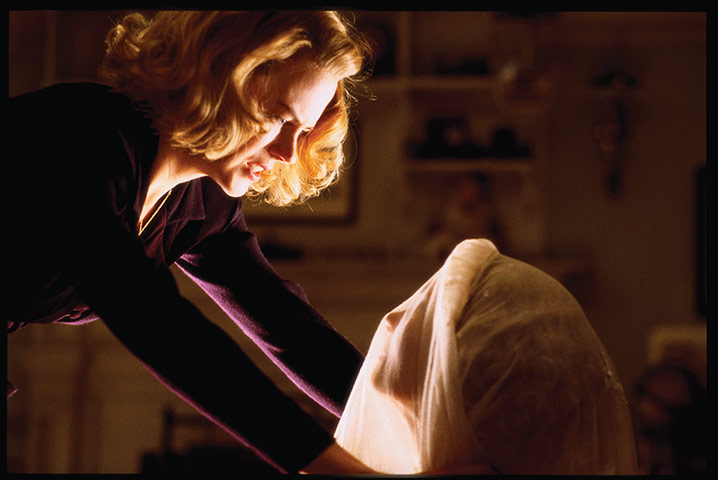
Alejandro Amenábar, 2001
Grace Stewart (Nicole Kidman) appears to be a devoted protector, shielding her two light-sensitive children in an isolated mansion in Jersey just after the second world war. But is she ill or simply manipulative? The film is full of clues – Daddy went off to the war and never returned; the servants keep leaving; the house is haunted by ghosts. Grace herself tells the children stories about the undead trapped in eternal limbo. Kidman is stunning as the ultra-religious blonde perfectionist stifling her offspring with her maternal care Photograph: PR
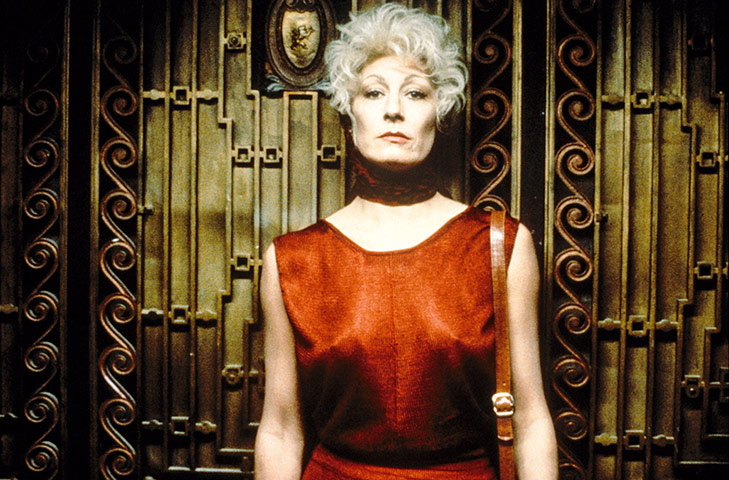
Stephen Frears, 1990
Sentimental male directors can be very protective about the first woman in their life. But Frears knows bad-mother films can be brutally empowering. Lilly Dillon (a peroxided Anjelica Huston) is a veteran con woman, bursting back into the life of estranged son Roy (John Cusack) with the violence of an ex-lover. Is she motivated by incestuous passion or hatred? Is she even his mother? We should condemn Lilly – but, in best noir tradition, we find ourselves rooting for the desperate older woman. For other portrayals of the over-sexualised mother, see American Beauty, The Ice Storm and Mrs Robinson Photograph: Ronald Grant Archive
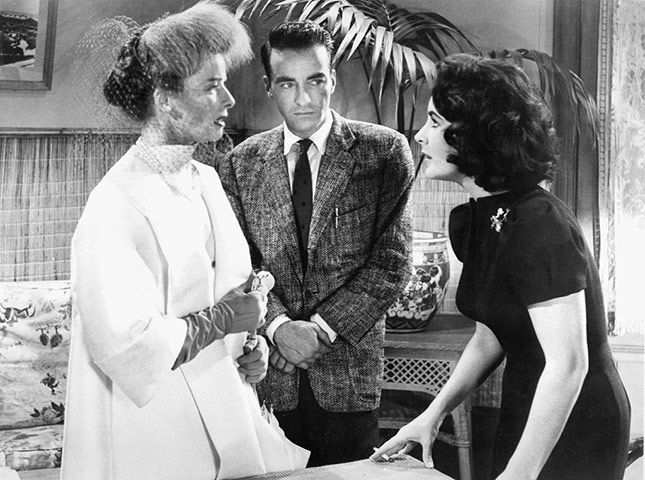
Joseph L Mankiewicz, 1959
From the moment Mrs Venable descends from the skies in her throne, Katharine Hepburn gives a grand guignol performance. Deluded with grief after the death of her son Sebastian on vacation with his cousin Catherine (Elizabeth Taylor), Mrs Venable wants Catherine lobotomised, by doctor Montgomery Clift, to cover up her son’s homosexuality. Based on the Tennessee Williams play, with a screenplay by Gore Vidal, it’s one gorgeous hothouse of a movie. Hepburn’s opening speech to Clift is a masterpiece of seduction and calculation as she describes herself and Sebastian as the ultimate “couple”. Photograph: PR
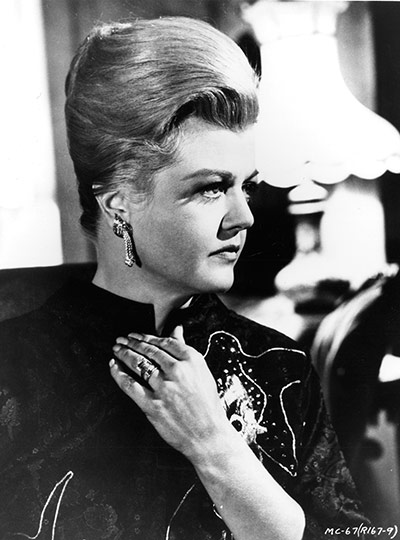
John Frankenheimer, 1962
A former Korean war PoW (Laurence Harvey) is brainwashed into becoming a political assassin… by his own mother. Eleanor Iselin (Angela Lansbury) is possibly the cruellest, trippiest mother in screen history. A secret communist agent, married to a McCarthyesque senator, she even tricks her son into shooting his new wife through the head. Lansbury was only 36 when she made the film (three years older than Harvey), but she brings a cartoon malevolence to the role. The film was remade by Jonathan Demme in 2004, with Meryl Streep as an icily sexual mother Photograph: Ronald Grant Archive
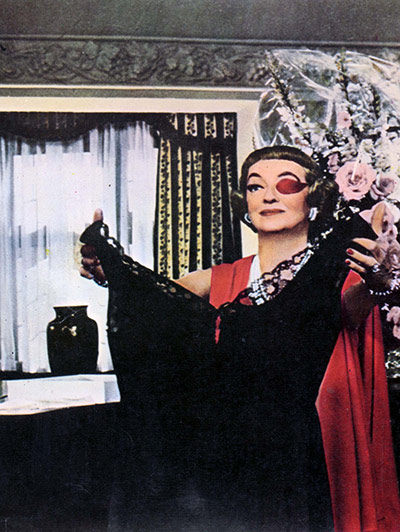
Roy Ward Baker, 1968
In eye patch and pearls, Mother Taggart (Bette Davis) is the embodiment of high camp as she bullies and undermines her “chicks” (one son is a player, one a nervous cross-dresser, the other a henpecked father of five, married to Sheila Hancock). Despite being widowed 10 years earlier, Mother insists on celebrating her wedding anniversary – an endurance test for the whole family. Finally she meets her match in her youngest son’s pregnant girlfriend. Don’t ask why a 60-year-old Hollywood actress felt the need to play a suburban London matriarch running a building company, just relish her on evil form Photograph: PR







.jpg?w=600)



