A financial support package for Australian thalidomide survivors valued at almost $45 million has been labelled inadequate.
The federal budget, released overnight, includes a one-off payment of between $75,000 and $500,000, followed by ongoing annual payments between $5000 and $60,000, all tax exempt and scaled by level of disability.
An assistance fund worth $10.24 million over four years will also be established to help thalidomide survivors meet major expenses such as home and vehicle modification, according to a health department email seen by AAP.
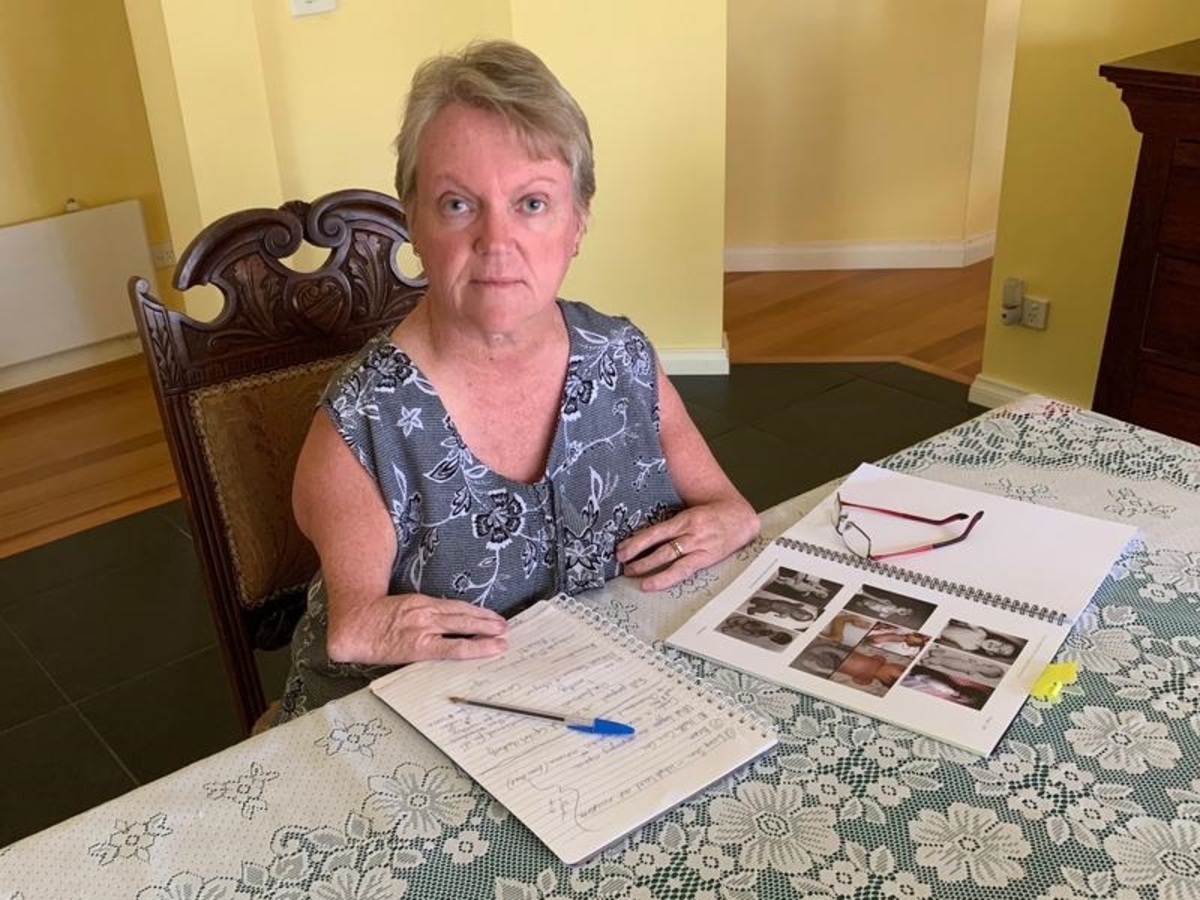
Prominent thalidomide survivor Lisa McManus said while grateful that funds were being made available, it's not enough to make up for what she describes as the "greatest medical disaster in history".
"'I'm extremely disappointed," she told AAP.
"There's some great ticks there ... but they've fallen short of what we require for people to live with some sort of dignity and security."
Ms McManus, the director of Thalidomide Group Australia, said she and other survivors needed access to quality care as they aged.
The mother-of-two said the support package's lump sum would not enable most of the 125 Australian thalidomide survivors to buy a home in an aged care facility.
A spokesman for Health Minister Greg Hunt said the government recognised the tragic circumstances associated with the use of thalidomide in Australia from 1959 to 1961.
"This is a deeply important moment where we provide support for those Australians who through no fault of their own have lived the hardest of lives," he said in a statement.
"Although money can never compensate for what has been lost, the payment recognises their suffering, and provides support for their future and peace of mind for their families."
Thalidomide was a treatment marketed in the late 1950s for anxiety, insomnia and morning sickness and despite being linked to birth defects in 1961, was not immediately banned.
A March 2019 Senate inquiry found about 20 per cent of Australia's thalidomide survivors may not have been affected had the government acted more quickly.
The inquiry also concluded the Australian government had a responsibility to support survivors.
"There's a long, stinking history of inaction and I just feel we've been thrown more of it," Ms McManus said after the budget announcement.