
Flavours in fine dining have increasingly evolved beyond the appreciation of familiar delicacies, as organic agriculture and sustainably sourced food redefine culinary experiences through a stronger emphasis on long-term wellbeing, environmental responsibility and fair value for those throughout the food ecosystem.
From the grass-fed artisanal butter from France to the succulent langoustine from Denmark, the trademarks of quality have been delivered through the clean, mildly sweet and natural aroma that reaffirm enduring milestones among European agriculture and food production.
Led by Christophe Hansen, the European Commissioner for Agriculture and Food, The European Union (EU) is bringing its high-quality food and beverage products to Thailand, highlighted by the EU Pavilion Opening Ceremony, a networking event for the international business community at THAIFEX- Anuga Asia 2026, offering a premier platform for high-level trade dialogue.
For over a decade, many European manufacturers have been challenged by the high tariffs and the tight free trade agreement with Thailand. While larger markets overseas including the United States, Oceania, Japan, Vietnam and Singapore established the secured revenue sources, Thailand has projected as the growing hub for premium agricultural products and food.
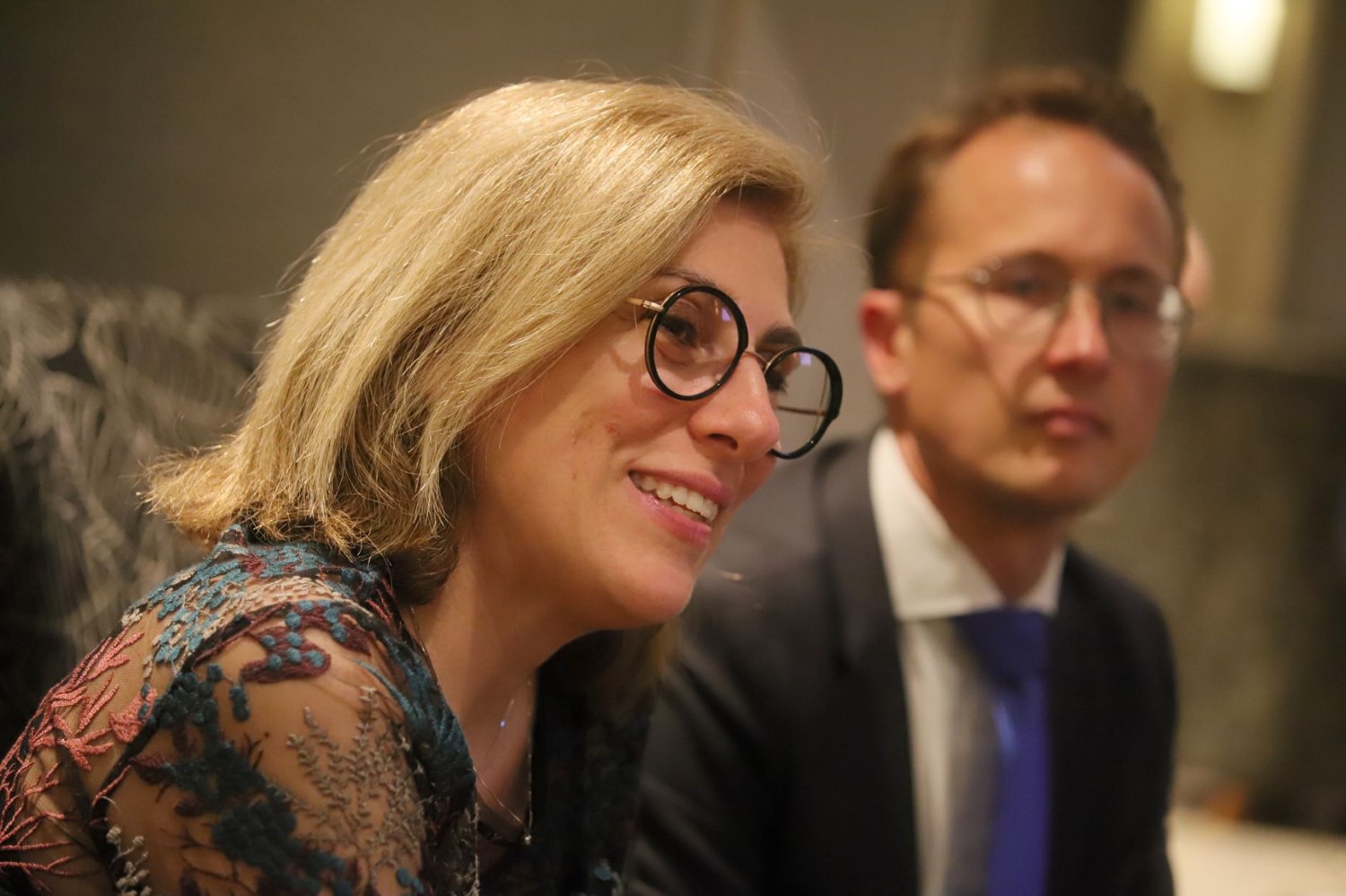
Among the delegation of approximately 100 European companies, Giada Battaglia, Internationalisation Office Manager of Associazion Industriali delle Carni e dei Salumi (ASSICA) suggested the revival of trade in Thailand marks the prosperity for both regions amid global crises.
“Thailand and Italy share rich culinary traditions with strong flavours and distinctive ingredients,” said Giada. “Italian meat products are an important part of Italy’s culinary heritage, which has been recognised by Unesco as an intangible cultural heritage of humanity.”
She noted that the HoReCa sector — hotels, restaurants and catering —will likely be the key entry point. Restaurants provide consumers with the opportunity to experience the products before purchasing them at retail level.
There is also strong potential within Thailand’s tourism and hospitality sector, especially hotels and resorts with international dining concepts.

Jukka Likitalo, Secretary General of Eucolait, the European Dairy Trade Association, overseeing over 400 companies across Europe ranging from small traders to multinational dairy groups added that the health-conscious trends are expanding the world over including Thailand.
“Health and wellness trends are driving demand for dairy products, particularly protein-rich products and functional beverages.” said Jukka. “Per capita dairy consumption in Thailand also remains relatively low compared with many Western markets, however, European dairy companies face strong regulatory and consumer pressure to operate sustainably, thereby dairy products from the EU represent a quality beyond legal requirements.”
“Many producers are already improving their environmental, economic and social performance in line with the UN Sustainable Development Goals and Agenda 2030.” said Giada.
With wider ranges of dairy products extending to healthy selections and the world’s widest selections of cheeses, many with strong heritage and recognised geographical indications.
The similar trend has also evolved in the Italian meat products as Giada Battaglia, confirmed that during the past decade, the innovative technology helps over 700 varieties of meat products in Italy to remain deeply connected to regional traditions, history and culture with the evolving modern world.
“Producers have significantly reduced fat and salt content while maintaining flavour and texture through improved farming and production techniques.”
Both EU representatives agree that the trends emerging over the world are seeing consumers seeking premium and differentiated products are increasingly interested in these offerings supported by labels such as PDO (Protected Designation of Origin), PGI (Protected Geographical Indication) and EU Organic.
While Free Trade Agreement (FTA) negotiations with Thailand are underway, tariffs remain a major trade barrier. European dairy products face import duties of around 30% on items such as cheese and butter, while competitors from Australia and New Zealand benefit from zero tariffs under existing FTAs.
Amid 2026’s global uncertainties, Thailand represents an emerging market for EU exports, a promising territory for long-term expansion.