Thailand is drastically cutting the length of visa-free stay for tourists from 93 countries in an effort to crack down on foreigners engaging in illegal business operations and criminal activities, officials said.
Earlier, Thailand’s minister of foreign affairs, Sihasak Phuangketkaeow, had said that he would submit a proposal to the cabinet seeking approval to reduce the visa-free stay period for tourists from 60 days to 30 days. On Tuesday, the Southeast Asian country’s cabinet approved the changes, although it was unclear when exactly they would take effect.
The policy change affects travellers from more than 90 countries – including the US, UK, Australia and the 29-member Schengen area in Europe – who until now could enter the country visa-free for stays of up to 60 days.
The foreign ministry has also reviewed the eligibility criteria for investment visas, long-term residency permits, student visas, and digital nomad schemes as part of a broader overhaul of Thailand’s liberal visa policies.
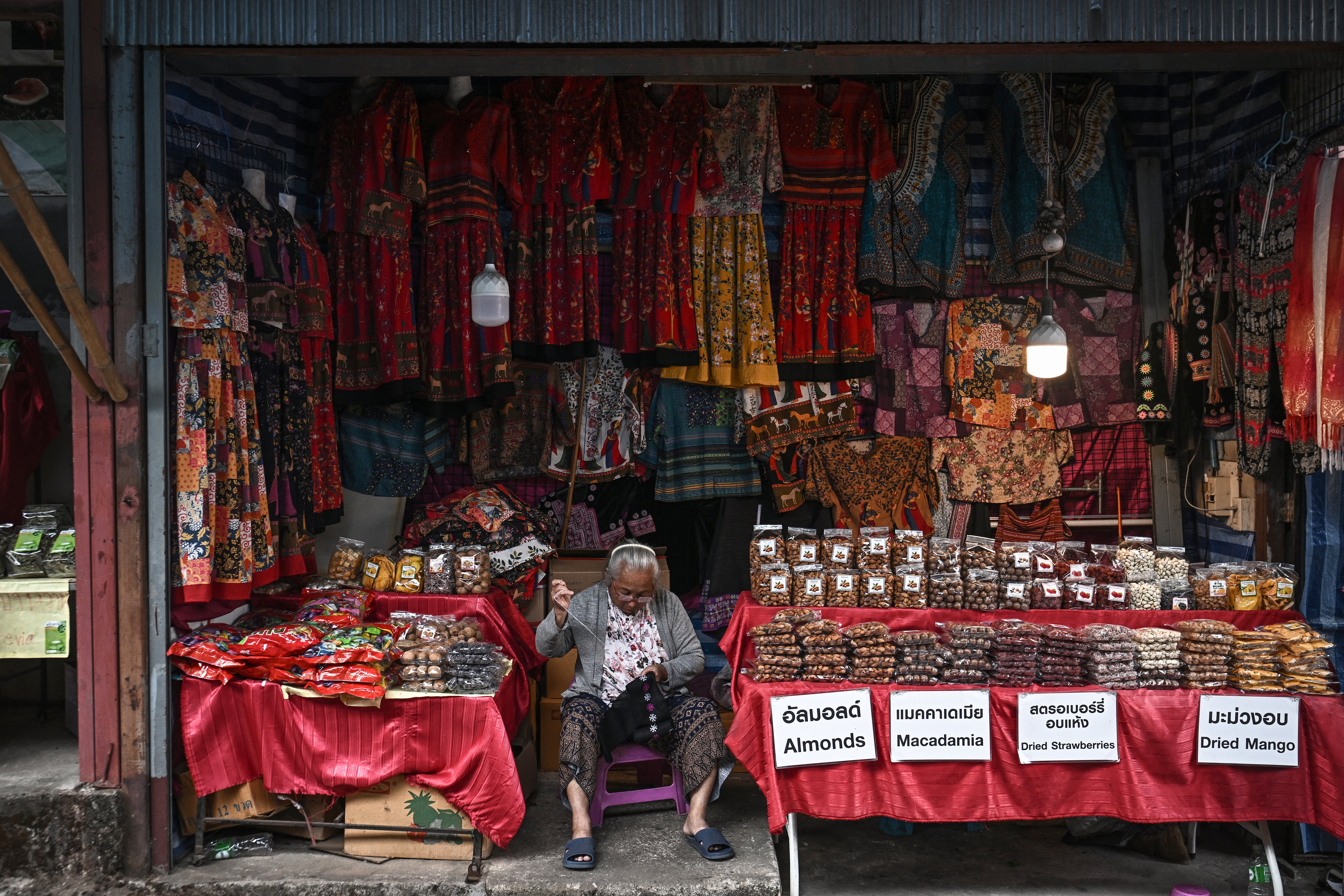
The move comes as authorities face mounting pressure over allegations that foreign nationals – particularly Russians, Chinese and other expatriates – have been operating businesses illegally, often by registering companies under Thai nominees to circumvent foreign ownership laws.
Tourism minister Surasak Phancharoenworakul told reporters in Bangkok on Tuesday that the revised visa-free stay period would vary by country, with most foreign visitors allowed to stay for up to 30 days, while some may be limited to 15 days.
Tourists will have the option to extend their visas once through an immigration office, a government spokeswoman told AFP.
“The 60 days was automatic, but the renewal will be decided by the officer and tourists will have to explain why they are staying longer,” the spokeswoman said.
The Bangkok Post reported that Mungkorn Pratoomkaew, director-general of the consular affairs department at Thailand’s foreign ministry, said the new rules would take effect 15 days after they are formally published in the Royal Gazette.
Thailand, whose economy heavily depends on tourism, welcomed nearly 40 million visitors in 2019 before the Covid-19 pandemic disrupted global travel.
Tourist numbers have surged again in recent years, boosted partly by people relocating from conflict zones including the Russia-Ukraine war and the war in Gaza. But the influx has also intensified local resentment in several tourist hotspots, where residents complain that foreigners are taking over businesses, driving up prices, and undercutting Thai workers.
Earlier, Thai prime minister Anutin Charnvirakul said the government was not seeking to completely abandon the visa-free policy, stressing that tourism remained a crucial source of revenue for the country.
“Free visas are not about unconditional entry,” Mr Anutin said on Monday. “We need to find the best balance.”
Last week, the foreign minister had clarified that the move to shorten visa-free stays was aimed at curbing transnational crime and preventing people from misusing Thailand’s visa system for illegal activities. Sihasak Phuangketkeow said that it was not aimed at any particular country.
The prime minister is expected to visit Koh Phangan – famous for its monthly Full Moon Party at Haad Rin, white-sand beaches and nightlife – to oversee a crackdown on businesses operated by foreigners but registered as Thai-owned enterprises, as well as the enforcement of tourism and labour regulations.
During an earlier visit to Phuket, Mr Anutin warned there would be no tolerance for foreign “thugs” operating illegally on public beaches or intimidating local residents.
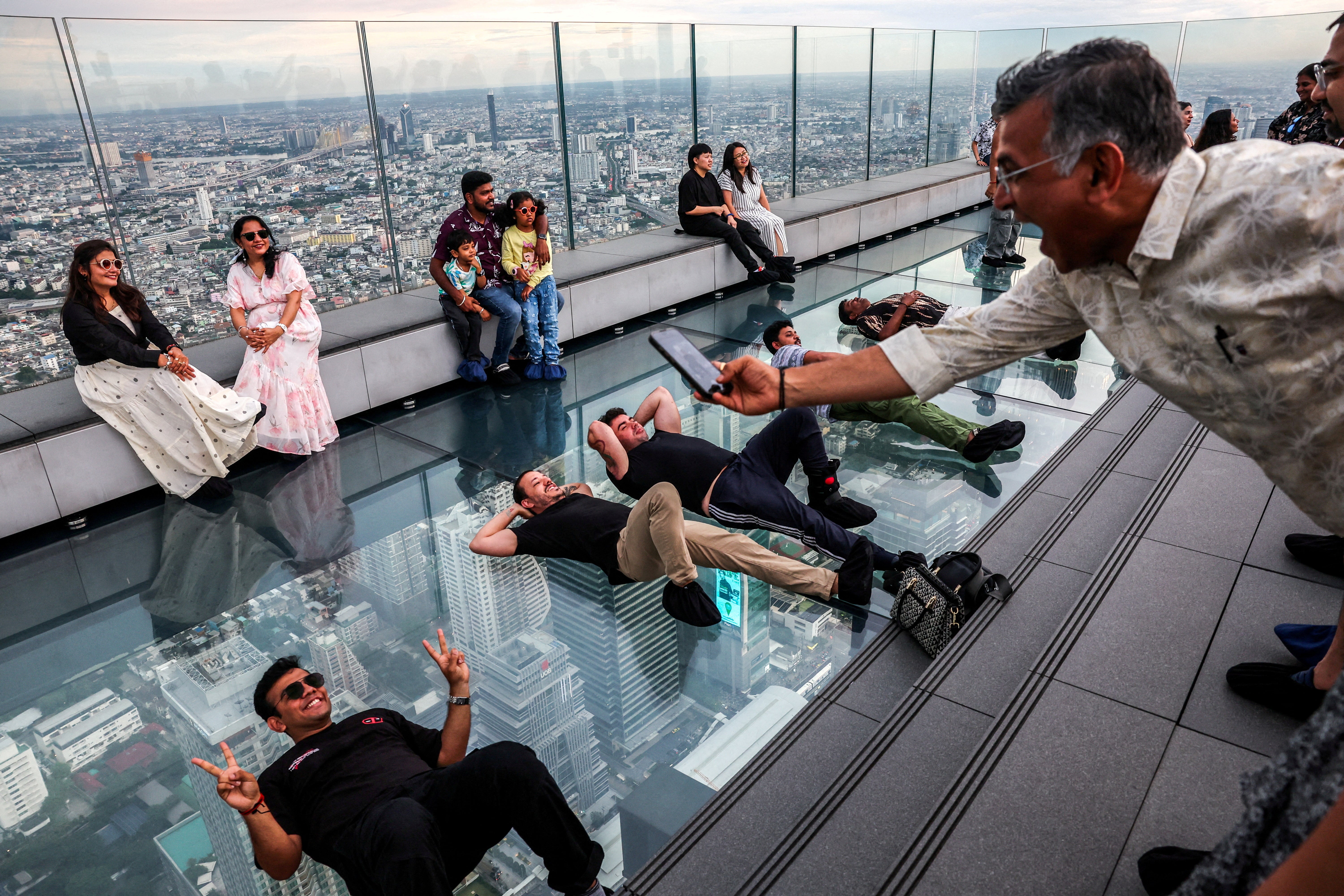
“The prime minister has instructed security forces, administrative authorities, the commerce ministry, and related agencies to inspect all areas nationwide,” government spokesperson, Rachada Dhnadirek, said in a statement. “If any exploitation of legal loopholes that deprives Thai citizens of jobs and livelihoods is found, decisive legal action must be taken.”
Security concerns escalated further this month after Thai police arrested a Chinese national in Pattaya who was allegedly found in possession of a large cache of military-grade weapons, including assault rifles, explosives, grenades, Russian landmines and anti-personnel mines.
The suspect, arrested on 9 May, was charged with illegal possession of unauthorised weapons and could face up to 10 years in prison.
Authorities have also launched operations against foreigners accused of illegally operating bars, restaurants and tourism businesses in popular resort areas.
In Phuket, police recently arrested and charged 33 foreign nationals – including 13 Russians and 12 Chinese citizens – for allegedly violating Thailand’s foreign business laws after complaints over unauthorised businesses built on public beaches.
But tightening visa rules poses a dilemma for Thailand, whose economy relies heavily on foreign tourism.
The government is trying to strike a balancing act as it seeks to crack down on illegal activities without hurting a sector that generated nearly $50bn from 33 million foreign visitors last year.
Proposals to shorten visa-free stays and introduce an entry fee for all foreign tourists have already faced resistance from Thailand’s tourism industry, which has warned that stricter rules could drive travellers towards regional rivals such as Vietnam and Malaysia.