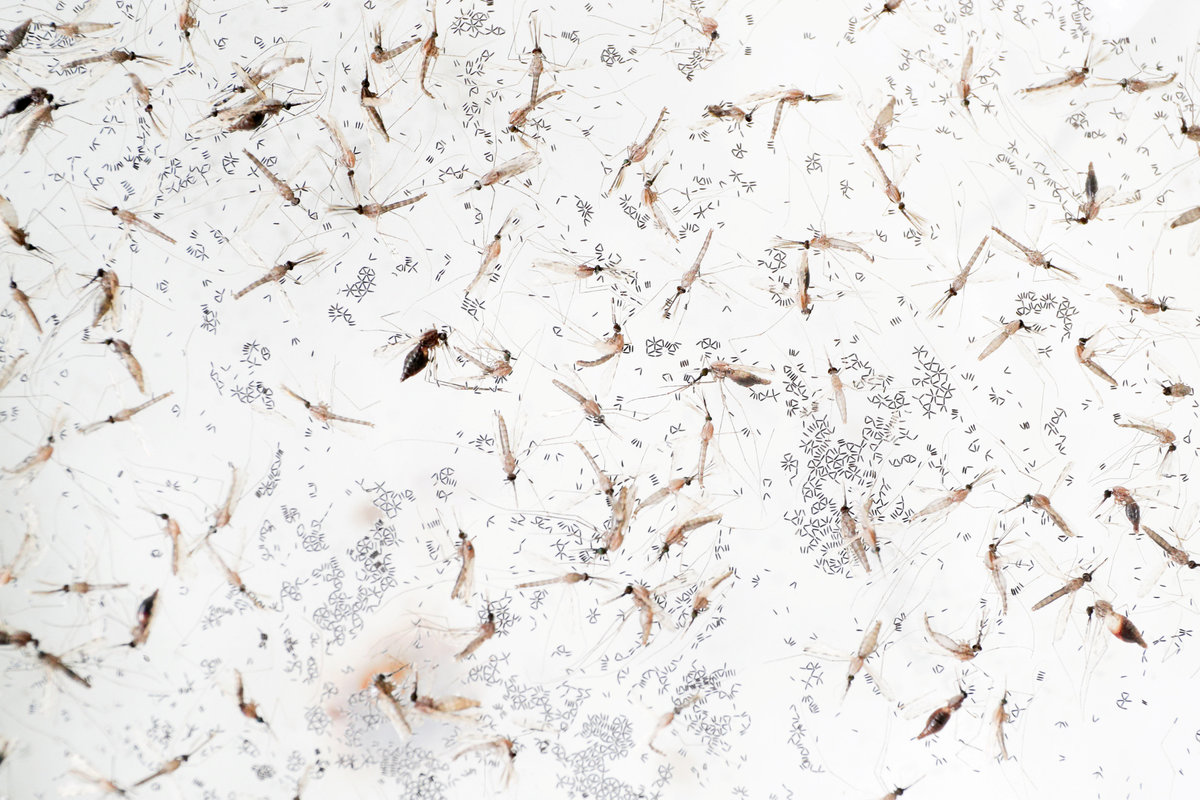
BO RAI, Thailand (Reuters) - Once a smuggling stop for Cambodia's Khmer Rouge guerrillas, Thailand's border town of Bo Rai finds itself on the frontline of a new battle against drug-resistant strains of malaria that could frustrate global attempts to stamp out the disease.
Malaria killed about 445,000 people last year, more than 90 percent of them in sub-Saharan Africa, but the figure has nearly halved since 2000.
Now the hard-won gains are at risk from the latest drug-resistant form, which emerged in Cambodia before spreading to Laos, Thailand and Vietnam.
"What we are concerned about is that a patient with the disease travels between countries and that risks the spread of infection," said Vicharn Phatirat, who heads the mobile disease control unit in Bo Rai, 300 km (190 miles) east of Bangkok, the capital.
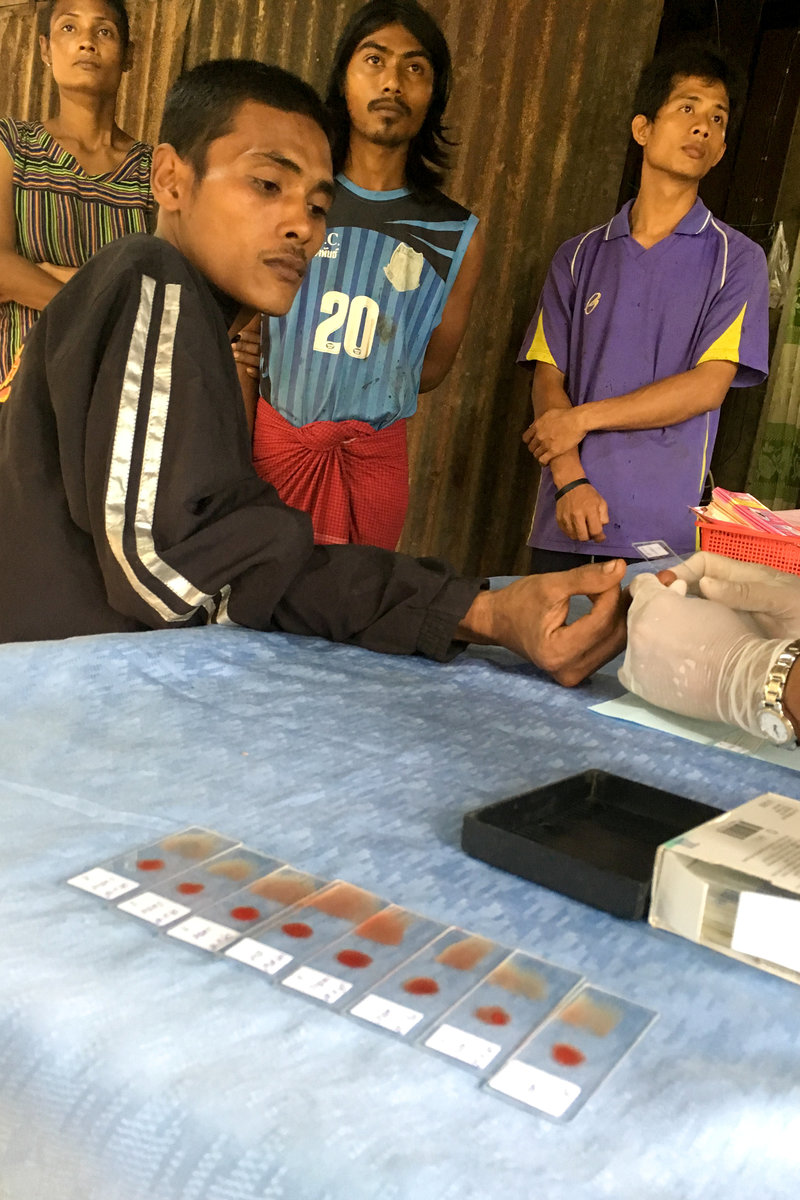
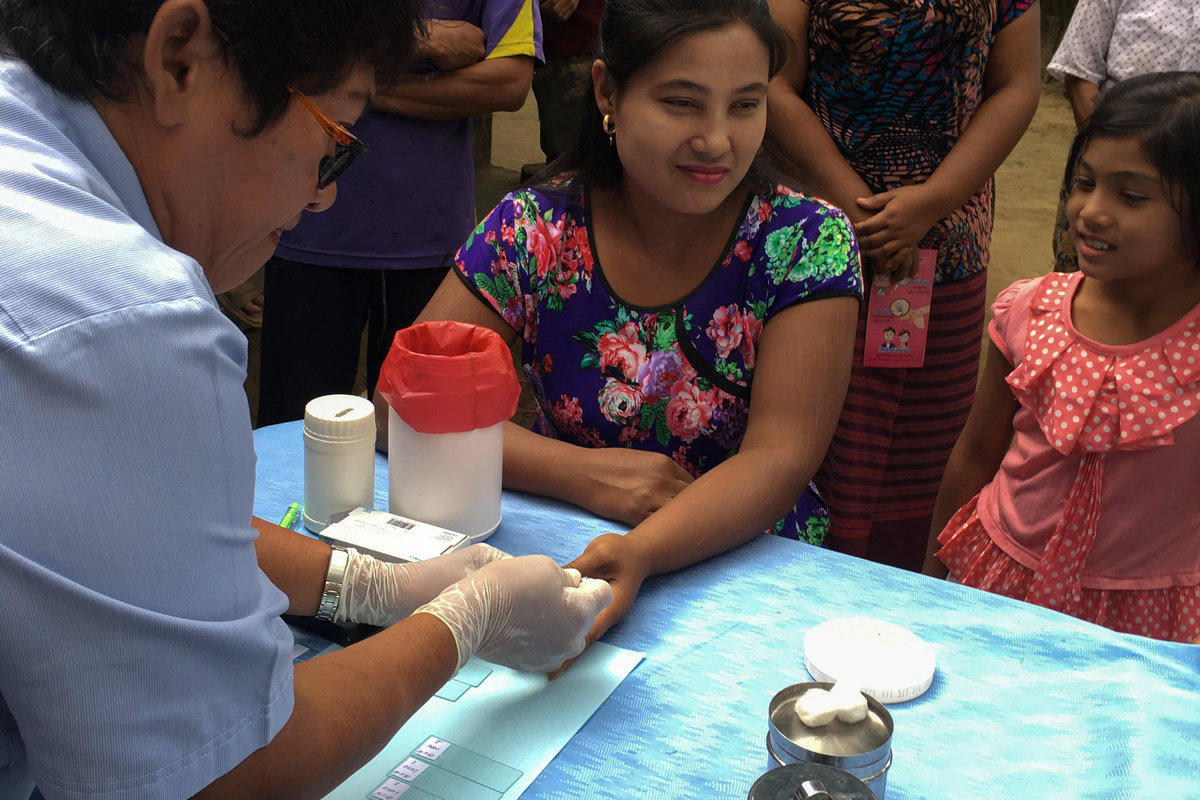
Health officials monitor victims of the mosquito-borne disease closely, to ensure they complete their treatment, which limits chances for the disease to become resistant to drugs, as well as to identify carriers of resistant strains.Still resistance is emerging in Southeast Asia to the drugs artemisinin and piperaquine, critical in the fight against malaria, which has seen billions of dollars spent to help avert infection and cut diagnosis time and costs.

"The parasite strains are spreading quite quickly at the moment through Cambodia to the neighboring countries," said Arjen Dondorp, the head of malaria research at Mahidol-Oxford's Tropical Medicine unit in Thailand.
Scientists fear a repeat of the global malaria resurgence after drug-resistant parasites emerged in Southeast Asia from the 1950s to the 1970s.
THAILAND CRITICAL
"The border areas have traditionally been where resistance has spread," said Seth Berkley, chief executive of the GAVI global vaccine alliance, explaining why places like Bo Rai have a critical role in the fight.
No longer as busy as during the decades when it was a center for the smuggling of Khmer Rouge gems and supplies, it remains a key border crossing, where 16 malaria cases were detected this year, down from a peak of 774 in 2002.
Signs in languages from Burmese to Khmer warn against the danger of malaria. Foreigners, mostly migrant workers, made up just under a third of the malaria patients in Thailand last year, government data shows.
"We cannot fully follow up on them taking the medications properly as they constantly move across borders," said Thai health official Vicharn.
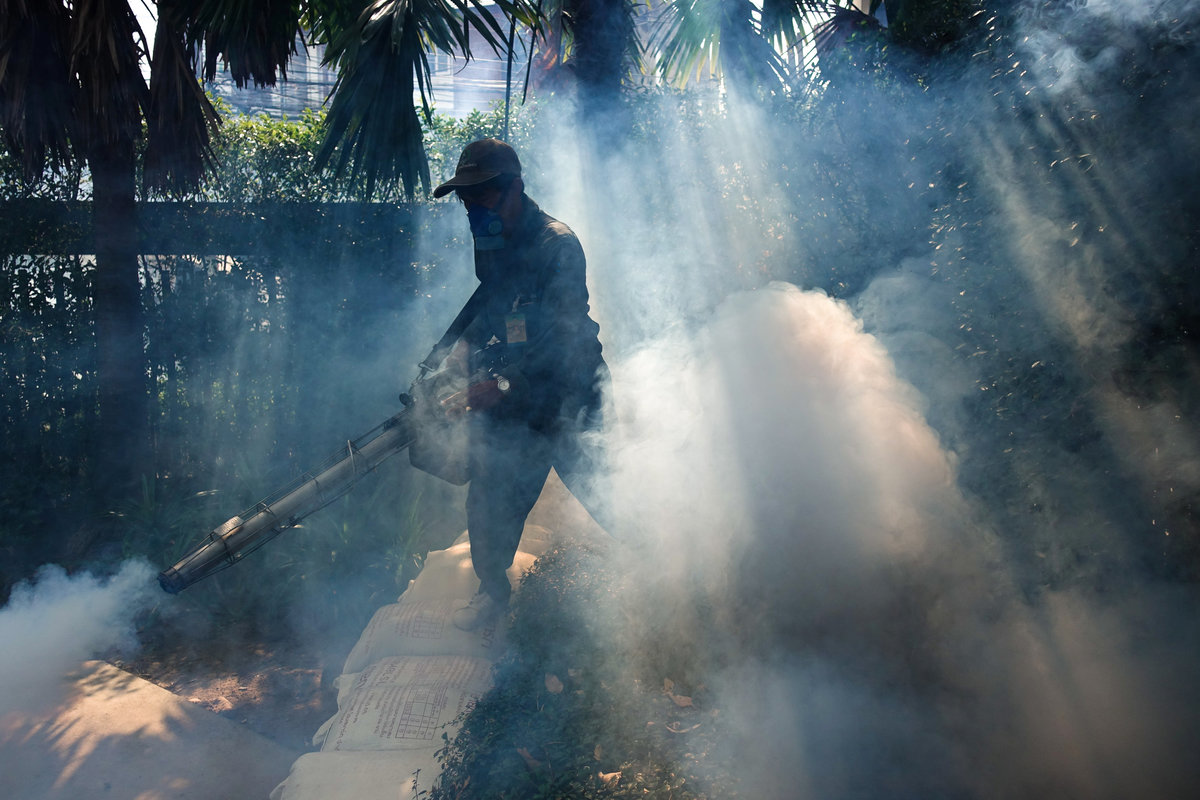
Fake or substandard drugs widely available in the region may also help boost resistance, rather than killing the parasite.

The best way to halt resistant strains is to eradicate the disease, once endemic across southern Europe and parts of the United States.
Thailand hopes to wipe out malaria by 2024, with fewer than 10,000 cases this year, down nearly 60 percent from 2016.
"We have entered the malaria elimination stage," said health official Piti Mongklangoon.
(Editing by Clarence Fernandez)