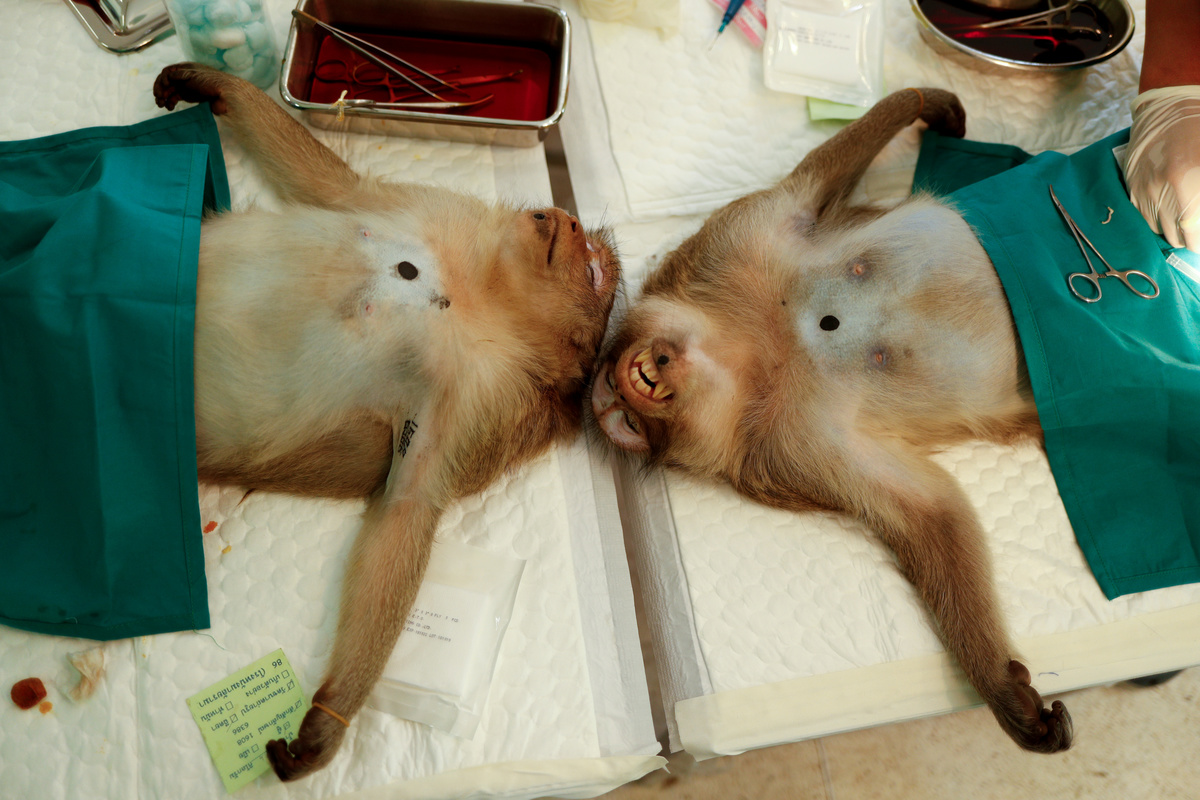
Thailand has started sterilizing hundreds of monkeys in a city famous for its macaque population, as the coronavirus pandemic leaves them hungry, aggressive and wrestling food from terrified residents.
Lopburi province and its 2,000 monkeys have long been a draw for tourists from around the world, who typically feed them and pose with them for selfies.
But since Thailand closed its borders on April 4 to control coronavirus infections, the monkeys are not adapting well to their new normal.
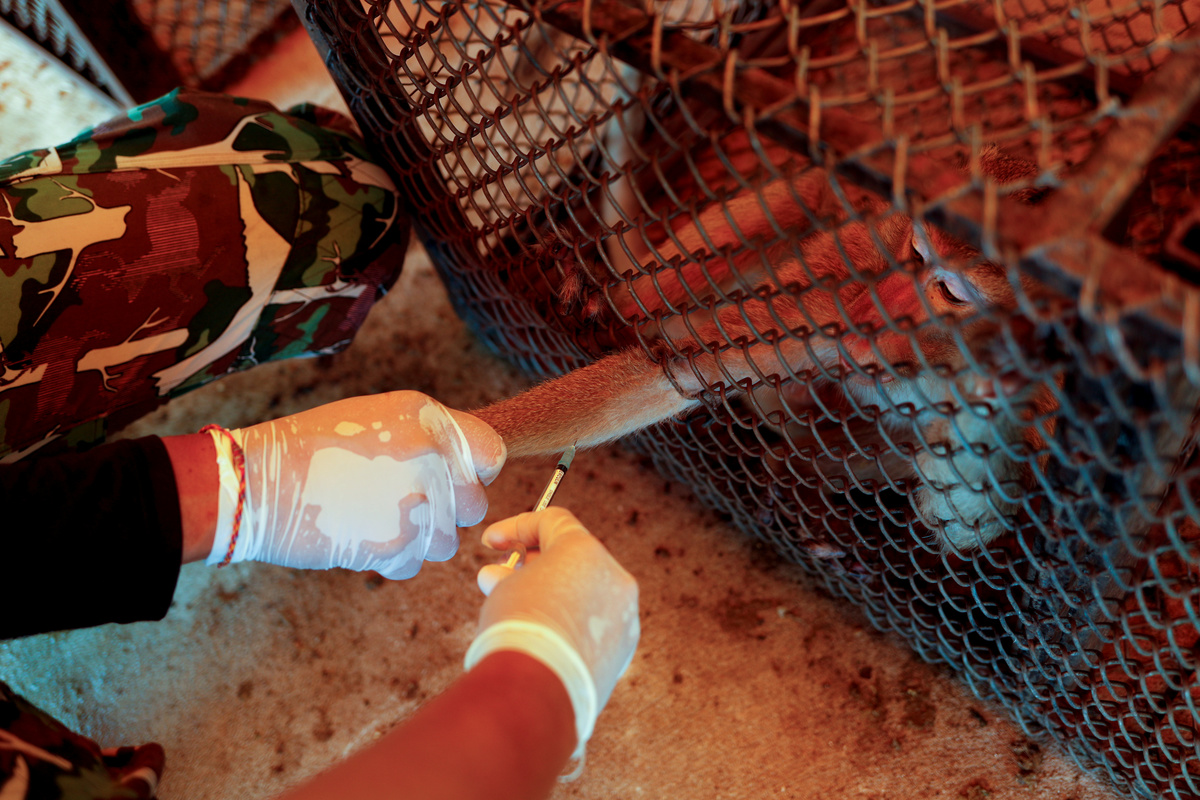
"They're so used to having tourists feed them and the city provides no space for them to fend for themselves," said Supakarn Kaewchot, a government veterinarian.
"With the tourists gone, they've been more aggressive, fighting humans for food to survive," she told Reuters.
"They're invading buildings and forcing locals to flee their homes."
Unlike monkeys in the wild, city monkeys need not hunt for food, giving them more time and energy to reproduce and cause trouble, Supakarn said.
To try to control their fast-growing population, authorities have this week placed big cages around the city with tantalizing fruits in them, hoping to lure around 300 monkeys for sterilization.
From the cages, the monkeys are transferred to an operating table, where they are sedated, shaved and tattooed with a unique reference number under their arms.
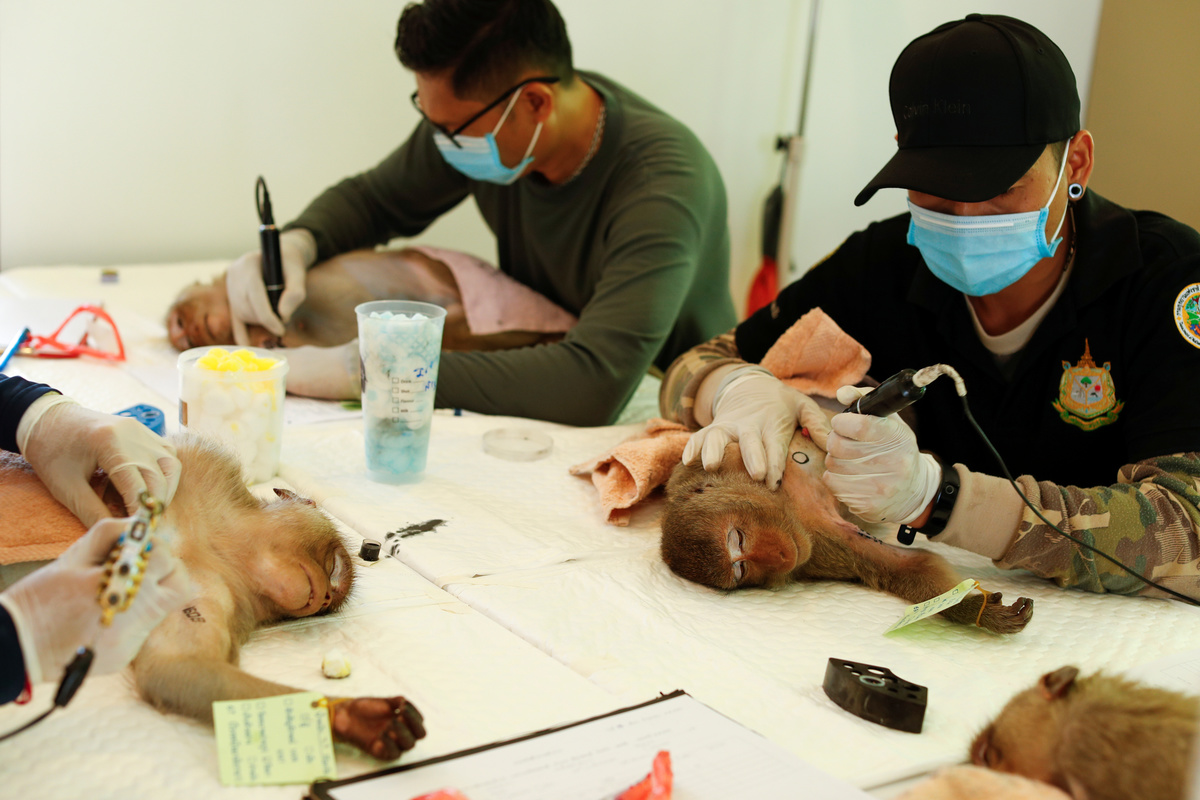
They lay on their backs under a green cloth as vets perform a vasectomy or a tubal ligation operation.
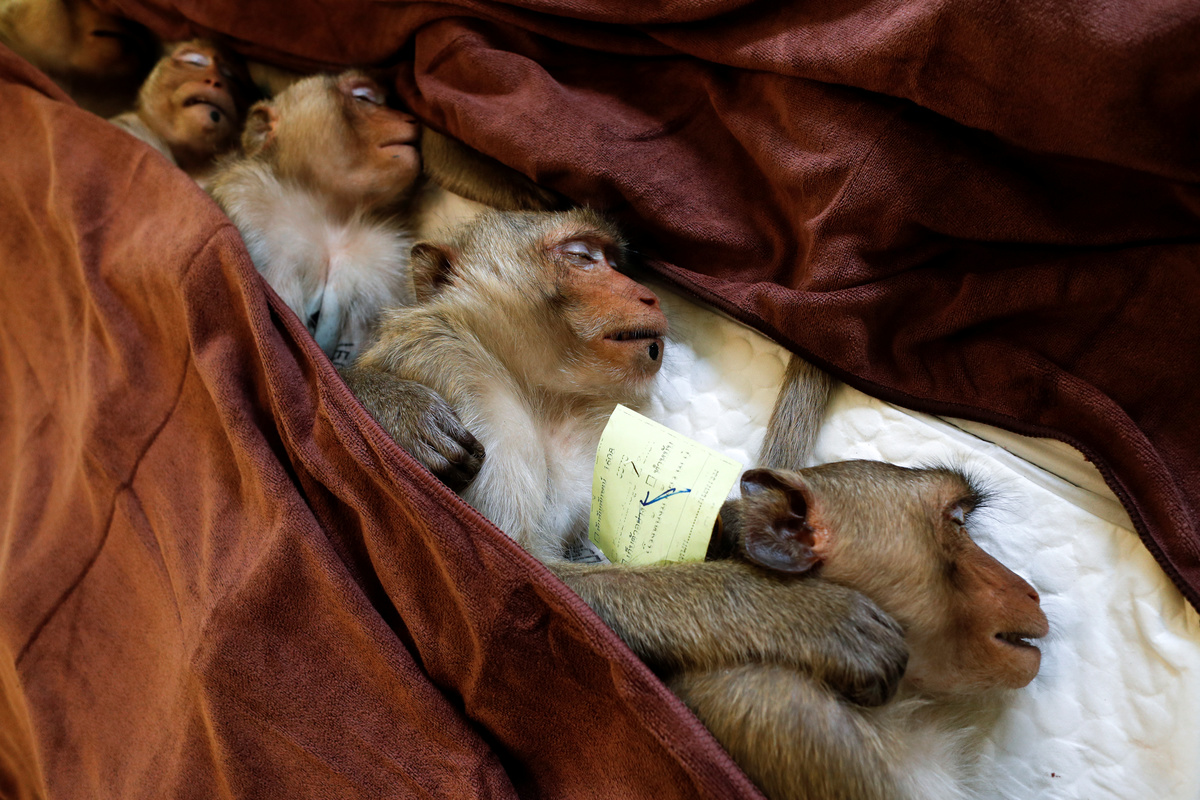
The sleeping monkeys get one night to recover before being taken back to their respective tribes.
The government aims to sterilize 500 of the macaques over the next two months.
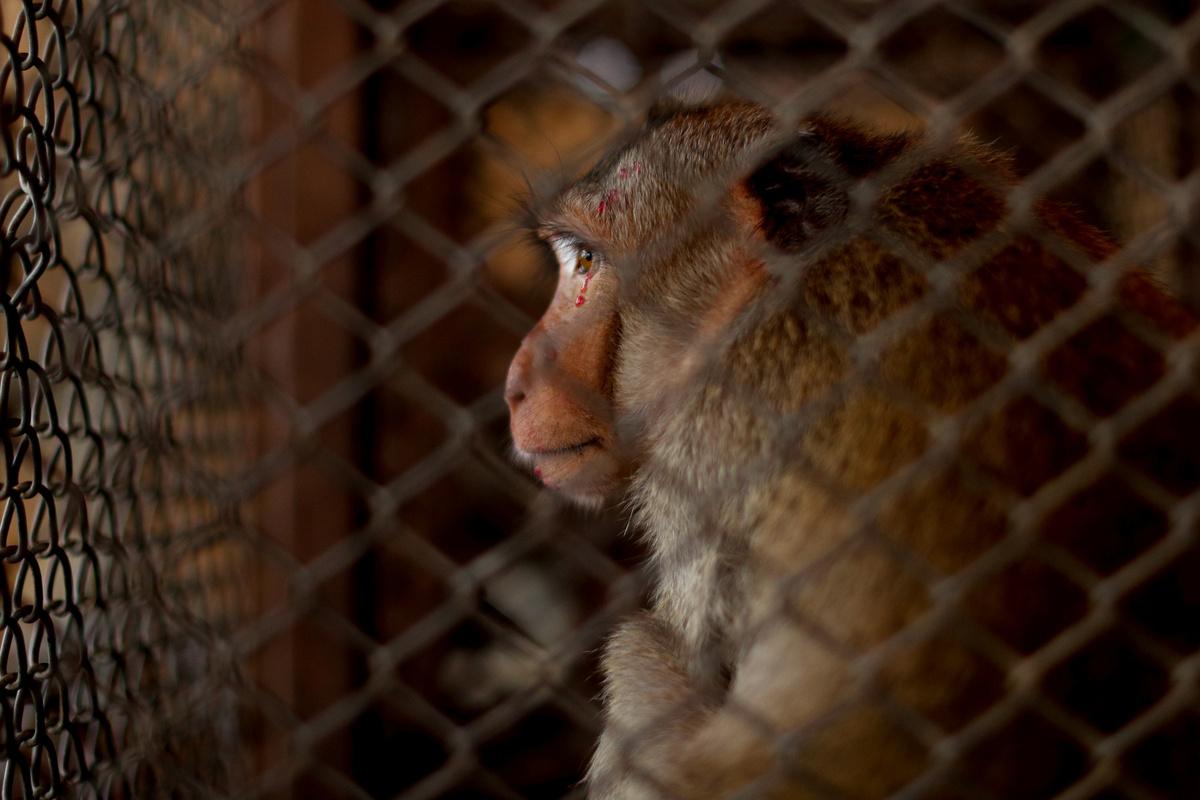
Supakarn said the sterilization would pose no threat to the monkey population and the aim was just to slow down the rate of its urban growth.
"We're not doing this in the wild, only in the city areas," she added.
(Reporting by Jorge Silva in Lopburi and Patpicha Tanakasempipat in Bangkok; Editing by Martin Petty)