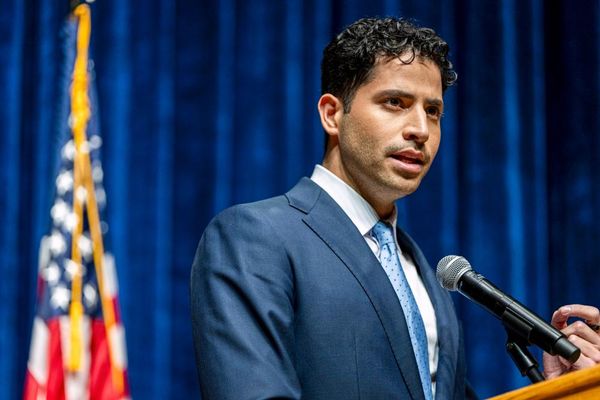
Thailand and the European Union (EU) have concluded negotiations on the chapter covering trade and services of state enterprises for a proposed free trade agreement (FTA), says Tibordee Wattanakul, director-general of the State Enterprise Policy Office.
He said the agreement was reached during the ninth round of FTA negotiations held in Brussels, Belgium on June 25.
The negotiations were co-chaired by Francisco Peiro of the European Commission's Directorate-General for Trade, who headed the EU delegation for the state-owned enterprise chapter.
Both sides resolved all outstanding issues, including reservations and exceptions.
The agreement requires state-owned enterprises engaged in commercial activities involving the purchase and sale of goods or the provision of services to operate on a non-discriminatory basis and in accordance with commercial considerations, similar to private-sector companies.
One exception is governments can retain the flexibility to provide support measures to state-owned enterprises during periods of economic crisis.
State enterprises generating annual commercial revenue of less than US$200 million (roughly 6.5 billion baht) are exempt from the rules.
During the eighth round of Thailand-EU FTA negotiations held in February 2026 in Chiang Mai, both parties finalised three chapters, bringing the total completed to 11 out of 24.
Both parties set a target to wrap up negotiations this year.
The agreement is expected to significantly improve Thailand's access to the European market through lower or zero import tariffs on a wide range of Thai products, increasing exports of agricultural products, food, automobiles and auto parts.
The FTA is also expected to enhance Thailand's attractiveness as an investment destination for European companies, helping the country maintain its competitiveness against regional rivals such as Vietnam and Singapore, both of which already enjoy more advanced trade arrangements with the EU.
According to the Trade Policy and Strategy Office, the EU is Thailand's fourth-largest trading partner.
In the first quarter of 2026, total bilateral trade reached $12.2 billion, up 13.6% year-on-year.