Just when you thought you couldn't take a sauce or baked good to another level, along comes brown butter.
In the last few months, brown butter has been popping up all over and touted as liquid gold. We can certainly see why. Knowing how to make it and having this technique in your repertoire is an easy way to take dishes to new flavor levels. It's also a way to impress dinner guests.
When you brown butter by heating it gently over medium heat, it not only turns color but the taste goes from sweet cream to nutty. It's similar to how garlic goes from pungent to sweet and nutty when roasted.
To make brown butter, you start with unsalted butter, which is pale yellow. Melt it in a skillet, and cook it until it begins to brown. What's happening during the process is the water is evaporating. It doesn't take very long, but you need to watch it carefully so the butter doesn't burn. If you cook it too long, it will turn black, and burn.
Once the butter melts, it will begin to sputter and pop some. The heat should be at medium in order to keep the sputtering at a minimum. What you don't want is butter splattering all over the place. Now, once it's melted and the butter becomes foamy, you will see the butter start to change color. Also, the milk solids will turn into brown specks and sink to the bottom of the skillet. The remaining liquid should be a deep honey color. Once that is reached, remove the skillet from the heat and let the butter cool to room temperature.
You can use browned butter in sauces, drizzled over vegetables, and many baked goods like cookies, cakes and pie crusts.
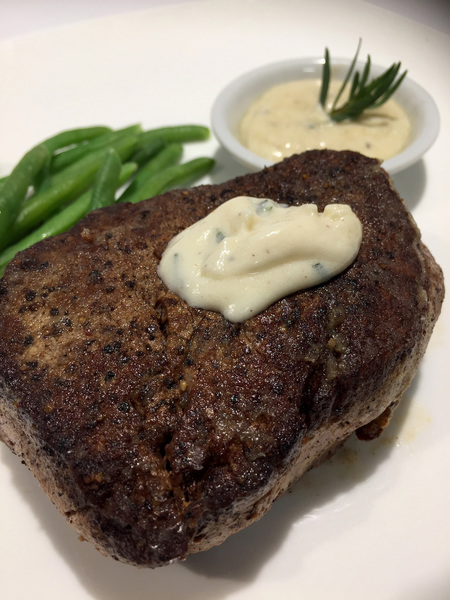
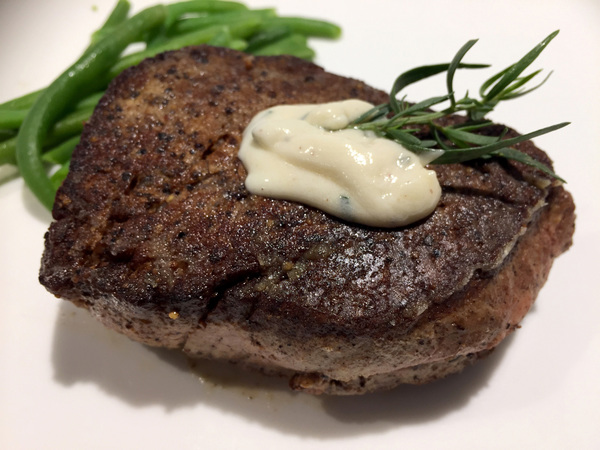
In today's recipe brown butter takes a bearnaise sauce to a sublime level. Bearnaise is a classic French sauce noted for its rich taste, silky smooth and creamy texture. It's typically made from a reduction of white wine vinegar, tarragon and shallots. Once that mixture is reduced, eggs and clarified butter are whisked in it to thicken and emulsify the sauce.
In today's recipe, brown butter replaces the clarified butter. Instead of eggs, mayonnaise is used. What I like about this bearnaise sauce, is that it holds up well. You can make it several hours in advance of having guests over for dinner and then reheat it.
The best way to reheat the sauce is to place it in a heatproof bowl that's set over a pan of simmering water. Whisk it gently while reheating and don't heat it too much or it will separate. You can do this while the beef fillets are resting. Serve this dish with your favorite vegetables, roasted potatoes and a classic Caesar salad.