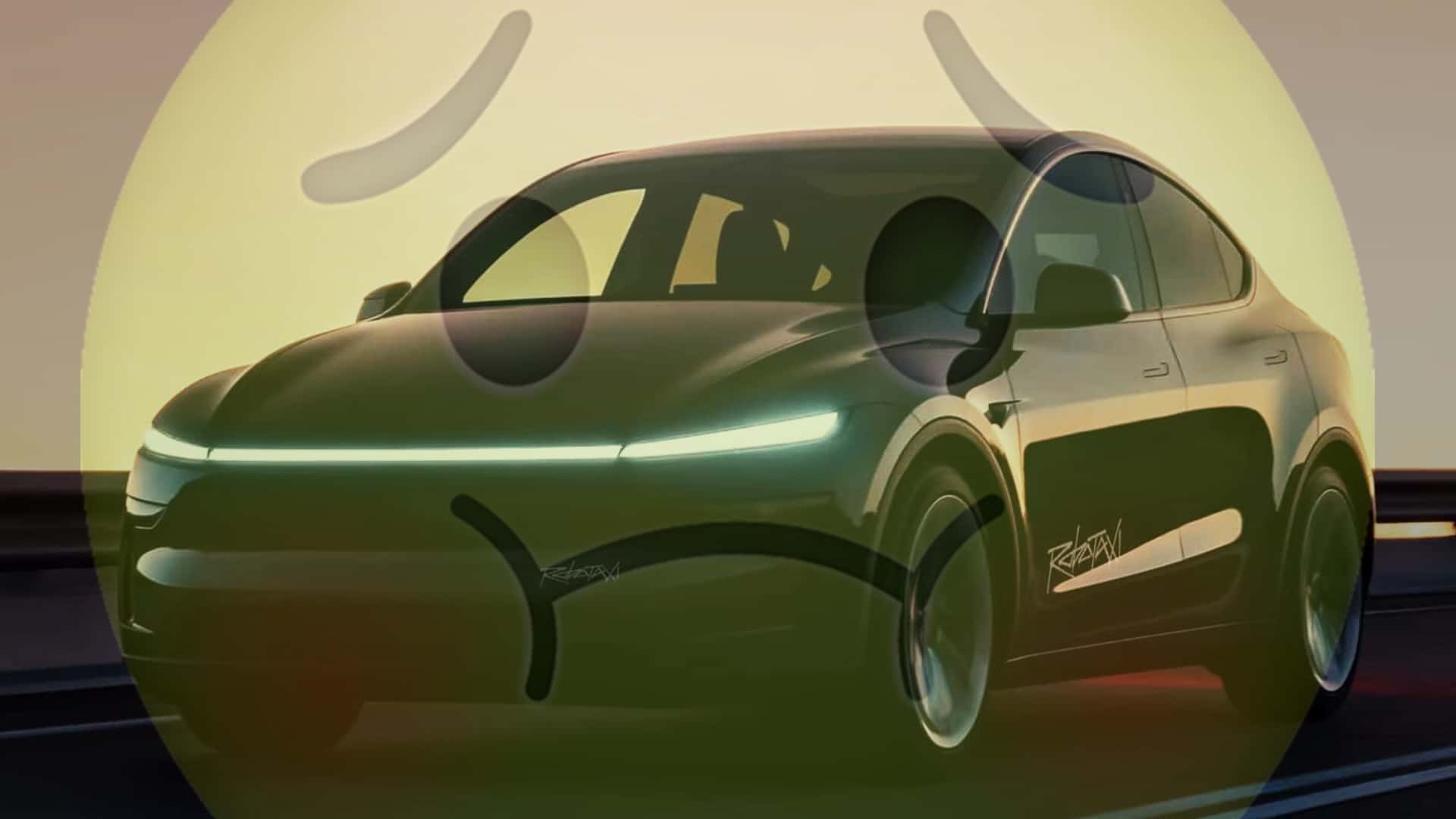
- Tesla will begin charging riders who make a mess while using its Robotaxi service.
- Riders will be assessed a fee on one or two tiers depending on the severity of the mess.
- The fee will cost up to $150 for "severe" messes, including biohazard events and smoking.
Tesla's Robotaxi service just gained one of the most realistic features imaginable: cleaning fees for when you lose your lunch in the back seat.
According to Tesla influencer Sawyer Merritt on X, the company is now apparently rolling out two tiers of cleaning fees for riders of its Robotaxi service. The tier that a mess falls into depends on how much cleanup it requires. Today, if you spill, smoke, puke or make a mess significant enough to disrespect the interior of its fleet, you may now be politely charged up to $150 for your transgressions..
Light vacuum work for something like spilling your fries or tracking in dirt? That'll be $50. But if you manage to end a night on the town with a bit too much and that electric car motion sickness gets to you, you've unlocked the premium tier of fees. The same goes for anybody who smokes in the car.
Tesla says that anybody who manages to make a significant enough mess can expect to pay up to $150 in cleaning fees.
What's fascinating here isn't the fee itself. Those aren't new for any ride-hailing service—understandably so—but it also slightly undercuts Tesla's carefully curated vision of how frictionless autonomy will be cheaper and easier than ever.

Tesla pitched the Robotaxi as being able to clean and charge itself without any human intervention. This would make a big part of fleet management (the hardest part of any ride-hailing service) a breeze. However, in typical Tesla fashion, the automaker's long-term vision is easy to promise, but harder to deliver on.
The automaker's fleet of Robotaxi-branded cars, which are still (mostly) technically partially-automated today, still require a significant amount of human intervention for things like cleaning and charging. That means that the cars can't really pull into an automated bay and clean themselves—yet—which could be a reason that Tesla might justify the fee until Tesla perfects this area of its business.

Keeping shared vehicles presentable is essential if you want riders to trust a product. I know that I certainly wouldn't want to find a surprise meal on the floor of an Uber that I ordered, let alone a Robotaxi where it's promised that the driver eventually won't be there to address your concerns.
So, yes, the cars may one day drive themselves, but it's only the first step in maintaining a fleet of cars with no human in the driver's seat. The real issue here is that autonomy on the road certainly doesn't remove human problems. In Tesla's case, it just automates the enforcement of consequences.